EN
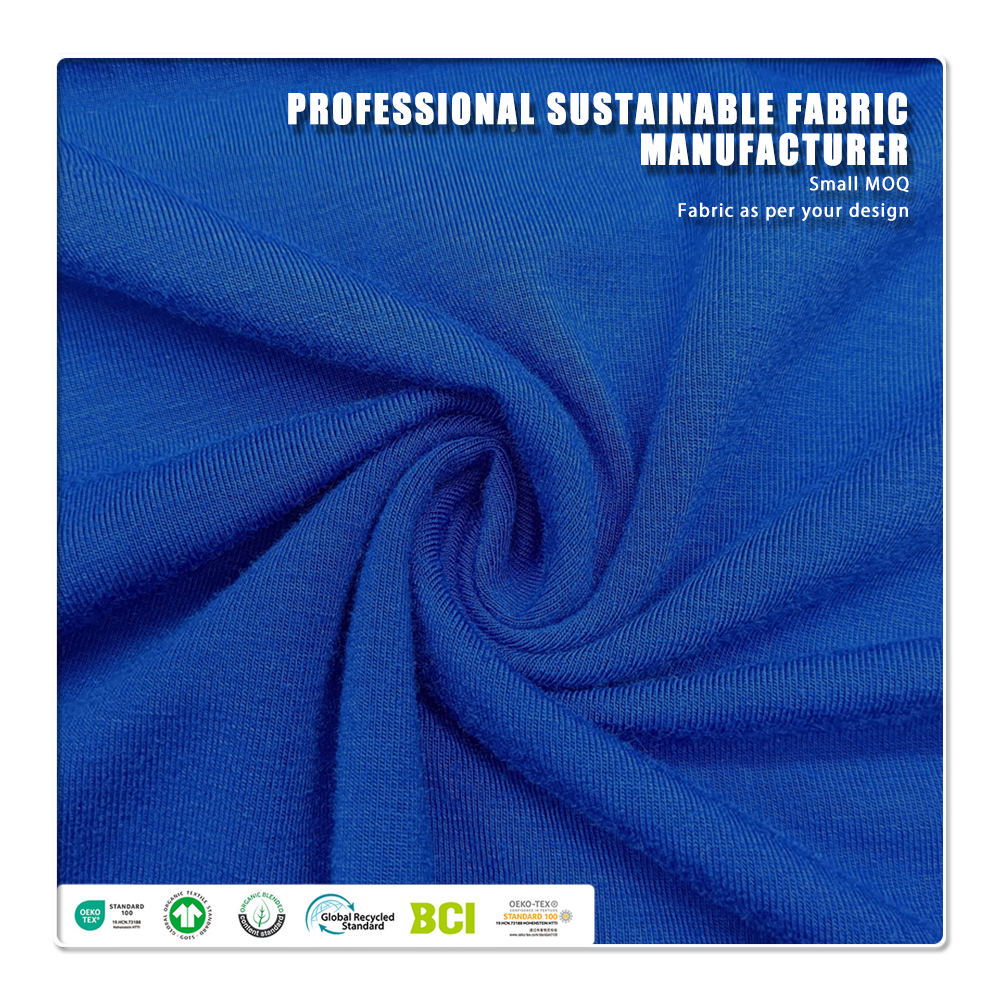
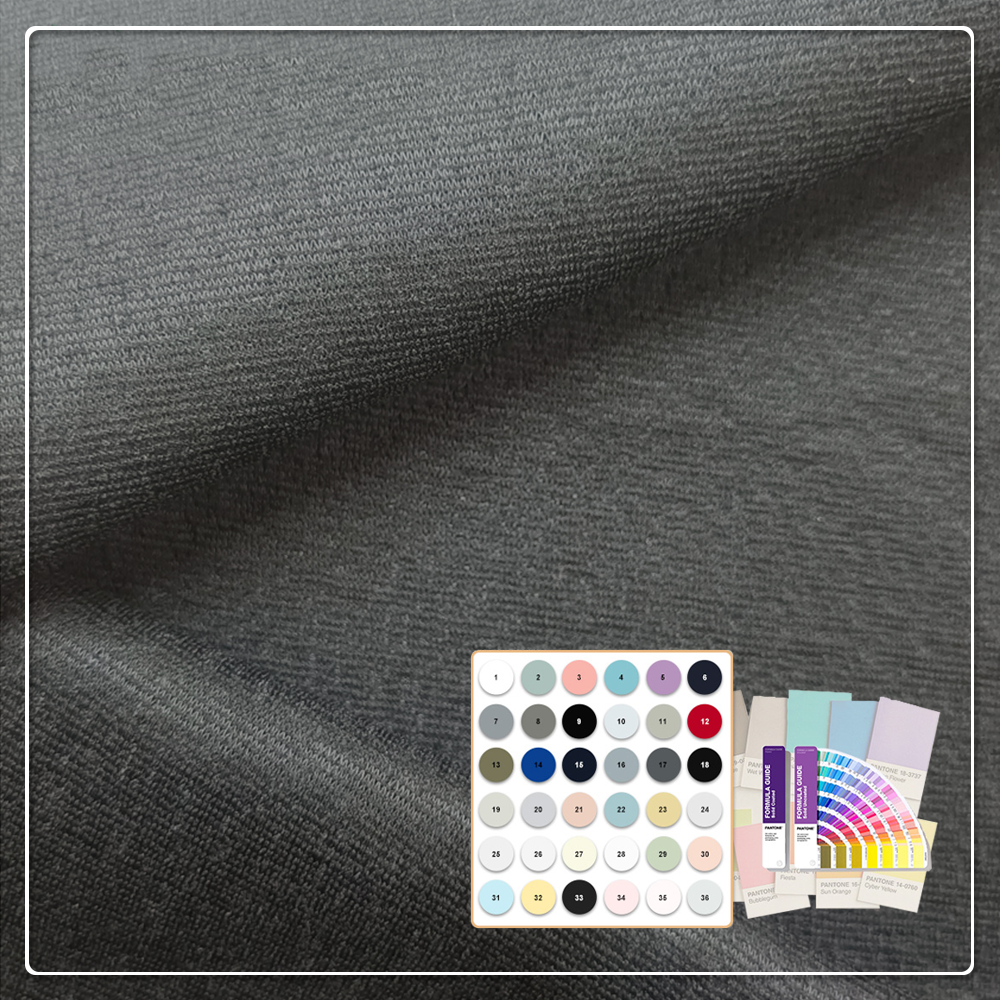
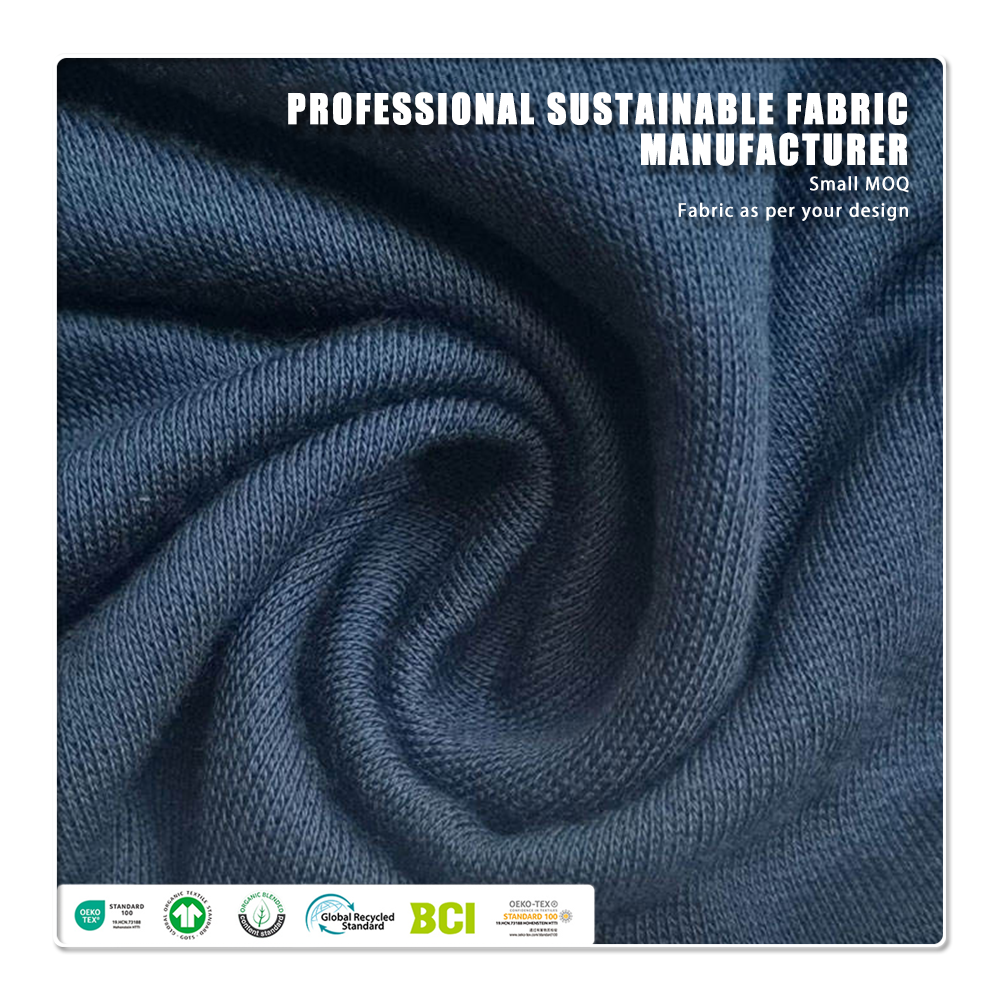
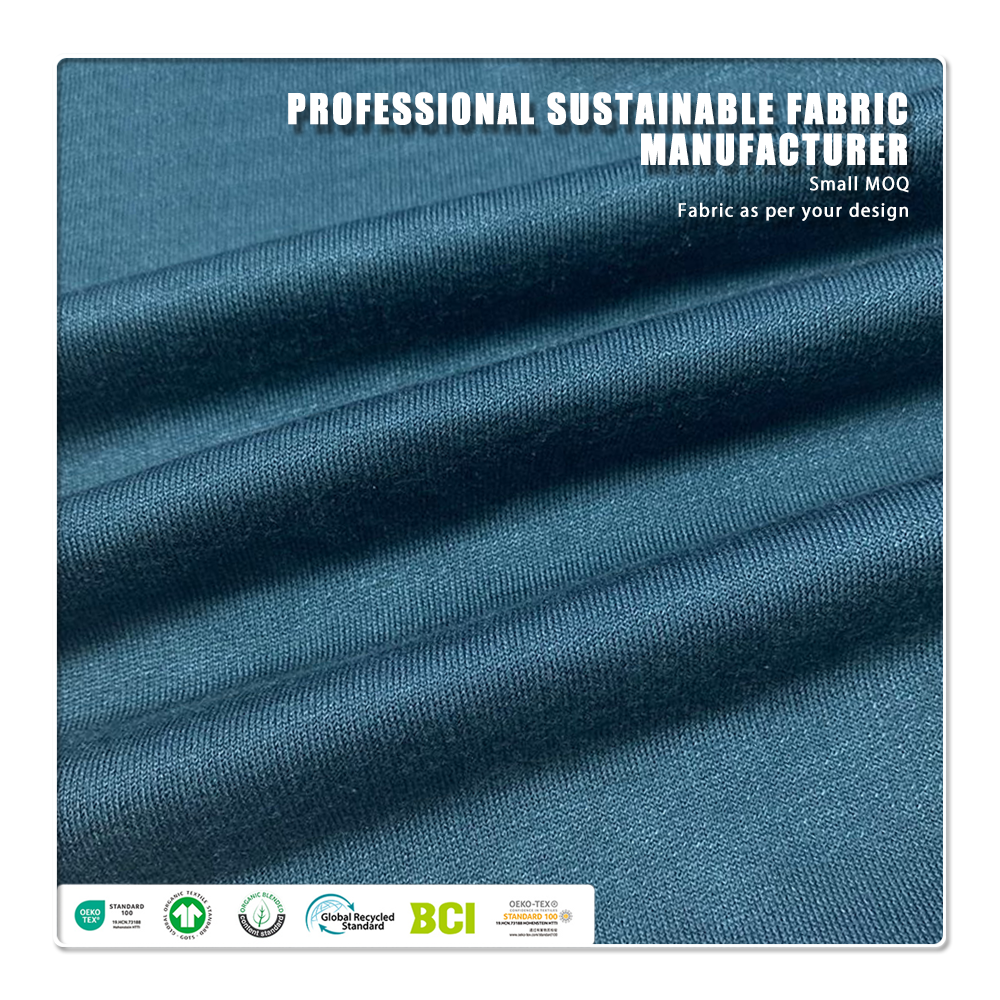
Double jersey fabric is a versatile knitted textile that offers a unique combination of durability, comfort, and aesthetic appeal, making it a popular choice across various industries. As a B2B buyer, understanding the characteristics of double jersey fabric—including its quality, common issues, and application advantages—is crucial for making informed purchasing decisions. This article aims to help you evaluate suppliers, address common problems, explore the benefits of double jersey fabric, and guide you on installation and cost factors.
Common Problems with Double Jersey Fabric and Effective Solutions
Despite its many advantages, double jersey fabric can present certain challenges. Common issues include pilling, color fading, and dimensional instability. Pilling occurs when fibers break and tangle, leading to unsightly bobbles on the fabric surface. To mitigate this, select high-quality yarns and consider treatments that enhance fiber strength.
Color fading can be a concern, especially if the fabric is exposed to sunlight or harsh washing conditions. To address this, ensure that the fabric has undergone proper dyeing processes and meets color fastness standards. A reliable supplier will provide information on the dyeing methods used and any special care instructions.
Dimensional instability, where the fabric stretches or shrinks unexpectedly, can hinder garment production and lead to dissatisfaction. To avoid this, buyers should confirm that the fabric has been pre-shrunk and tested for stability under various conditions, such as washing and drying. Engaging with a supplier experienced in quality control, like Shaoxing City Ohyeah Textile Co., Ltd., can help ensure you receive stable fabrics.