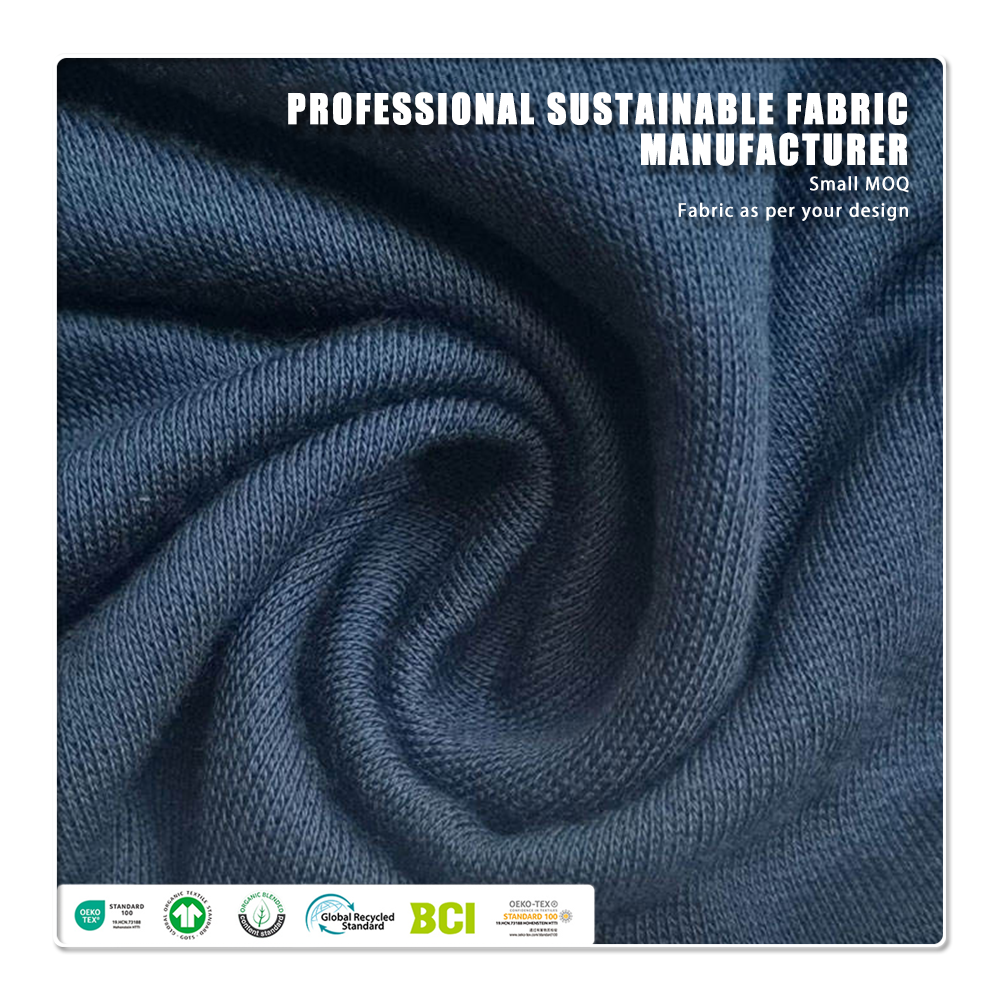
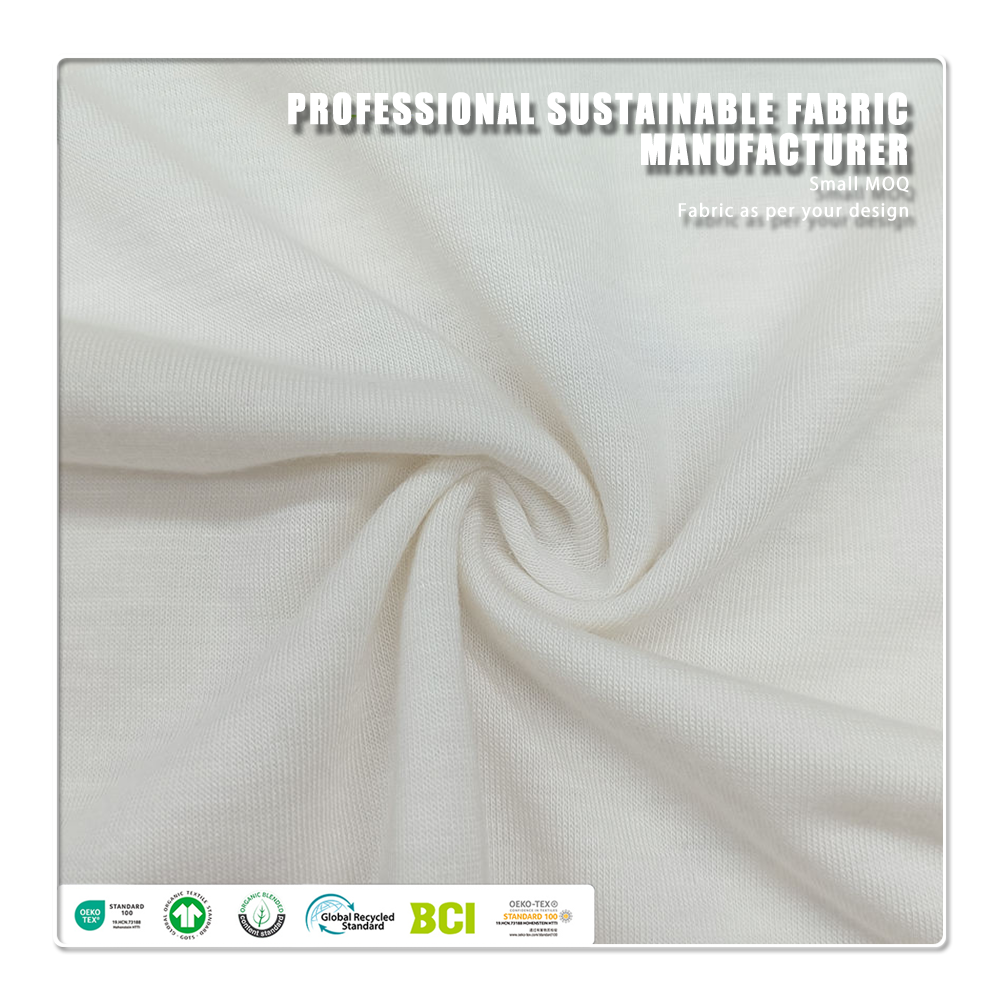
Eco-Friendly Jersey Knit Material for Wholesale Buyers

Get a Free Quote

Our representative will contact you soon.
Email
Name
Mobile/WhatsApp
Company Name
Message
0/1000

jersey knit material

Choosing the right jersey knit material is crucial for businesses seeking high-quality, eco-friendly textiles. This article explores the essential considerations for wholesale buyers regarding jersey knit material, particularly from a manufacturing perspective. We’ll address common buyer concerns such as material specifications, sourcing reliable suppliers, and installation challenges, providing you with valuable insights to make informed purchasing decisions.

Where to Source Reliable Suppliers of Jersey Knit Material

Sourcing reliable suppliers of jersey knit material involves thorough research and evaluation. Start by identifying manufacturers that specialize in eco-friendly textiles, like Shaoxing City Ohyeah Textile Co., Ltd. With over 100 circular knitting machines and a monthly output of 200 tons, our factory is equipped to handle large orders while maintaining quality control through a dedicated team.

When assessing potential suppliers, look for key indicators of reliability, such as certifications, production capacity, and customer reviews. Requesting samples can also help evaluate the quality of the material before committing to a larger order. Ensure that the supplier can provide documentation of their certifications and quality control processes, which can help in verifying their claims.

It’s also wise to consider suppliers with experience in your specific market or application. For example, if you need fabrics for activewear, ensure that the supplier has experience producing materials that meet the rigorous demands of performance textiles. Additionally, fabrics like Tencel Modal can also be a great option for specific applications.
Common Installation Challenges with Jersey Knit Material Solutions

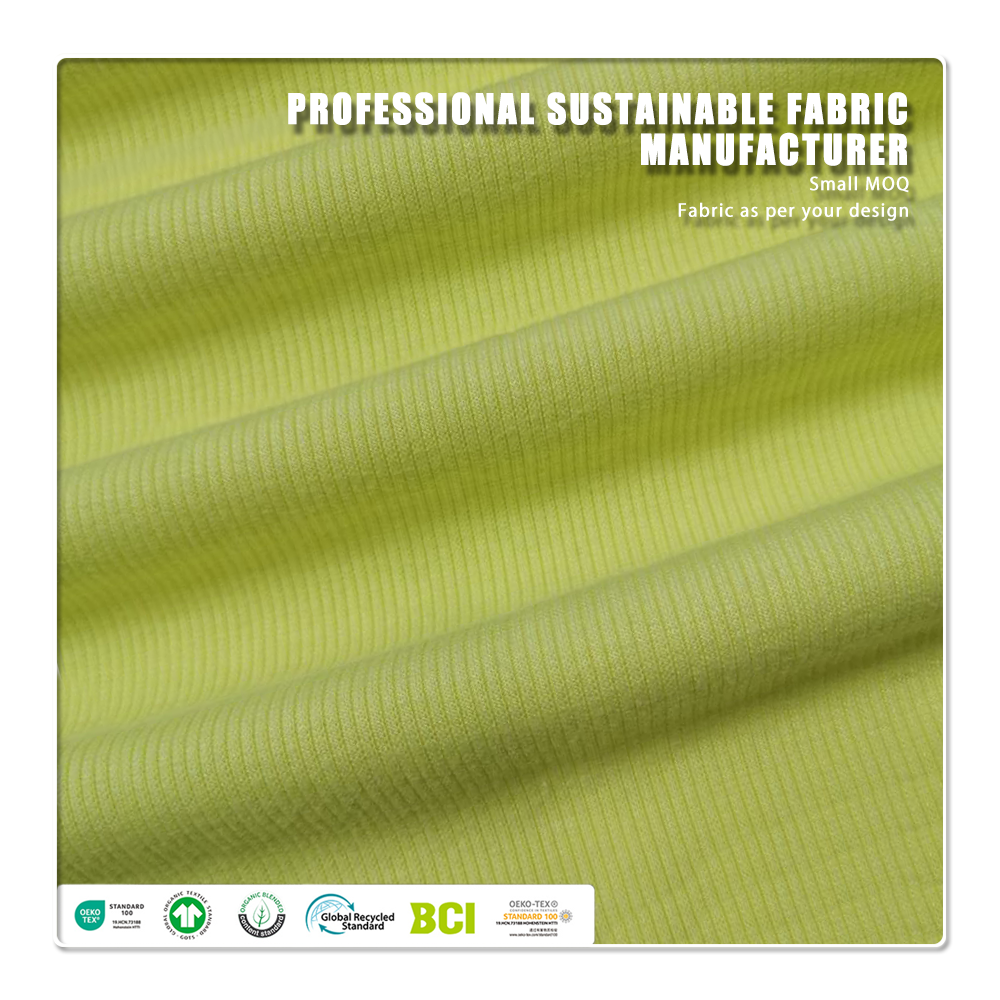
While jersey knit material is known for its versatility, buyers may encounter installation challenges during garment production. One common issue is the fabric's stretch and recovery properties which can lead to distortion if not handled correctly. To mitigate this, it’s essential to use appropriate cutting patterns and consider the sewing techniques that accommodate the fabric's elasticity.

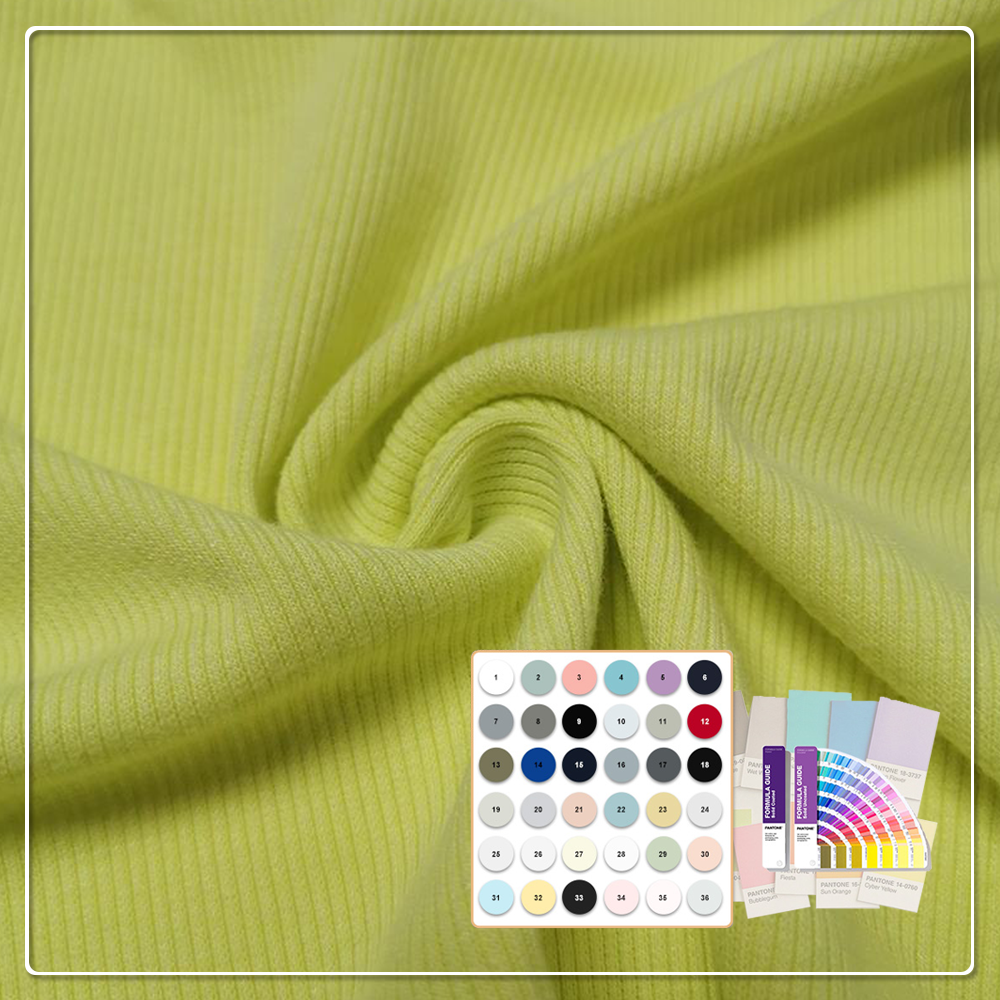
Another challenge is achieving consistent color matching, especially in larger production runs. Variability in dye lots can lead to noticeable differences in color. To address this, buyers should establish a color standard and request approval samples before mass production. This ensures that the final product meets the desired aesthetic.

Additionally, fabric handling during sewing can cause issues such as puckering. Buyers should communicate with their manufacturers about the best practices for sewing jersey knit materials, including the use of specific needle types and thread to minimize these issues.

What Wholesale Buyers Need to Know

Wholesale buyers should be aware of several critical factors when purchasing jersey knit material. First, understanding minimum order quantities (MOQs) is essential, as this can vary significantly between suppliers. Knowing the MOQ helps in planning budget and inventory effectively.

Next, consider the lead times for production and delivery. Factors such as order size, customization requirements, and the supplier's location can all impact lead times. It’s advisable to discuss these details upfront and factor in potential delays, especially if you have specific deadlines.

Buyers should also be prepared to provide detailed specifications when requesting quotations. This includes the type of material, dimensions, quantities, and any specific performance criteria. Clear communication helps ensure that the supplier can meet your needs and reduces the risk of misunderstandings.

Lastly, be proactive about quality assurance. Discuss inspection processes with your supplier to ensure that the materials will meet your standards before final delivery. Establishing criteria for quality checks can save time and costs in the long run.

Why Jersey Knit Material is a Smart Choice

Jersey knit material offers numerous advantages that make it a smart choice for various applications. Its inherent stretch and softness provide comfort, making it ideal for apparel like t-shirts, activewear, and loungewear. Jersey knit’s breathable nature also contributes to its popularity in the fashion industry, as it adapts well to different climates and activities.

Moreover, the sustainability aspect of jersey knit materials, especially those made from eco-friendly fibers, aligns with the growing consumer demand for environmentally responsible products. By choosing materials that are certified organic or recycled, companies can enhance their brand’s reputation and appeal to eco-conscious consumers.

Lastly, jersey knit fabric is relatively easy to care for, with good resistance to wrinkling and fading. This durability is crucial for manufacturers looking to produce high-quality garments that withstand wear and maintain their appearance over time. With the right supplier, businesses can access jersey knit materials that not only meet their specifications but also contribute to a more sustainable future.

How to Choose Eco-Friendly Jersey Knit Material for Wholesale Orders

When selecting eco-friendly jersey knit material for wholesale orders, buyers should start by evaluating the type of fibers used. Eco-friendly options, such as bamboo, organic cotton, and recycled polyester, offer distinct advantages, including sustainability and reduced environmental impact. Each material has its own properties; for example, bamboo fibers are naturally antibacterial and moisture-wicking, making them suitable for sportswear.

Buyers should also examine certifications that validate the eco-friendly claims of the material. Certifications like OEKO-TEX, GOTS, OCS, and GRS ensure that the fabrics meet stringent environmental and social standards. These certifications provide assurance that the fabrics are free from harmful substances and produced under ethical working conditions.

Additionally, consider the specific requirements for your application. For instance, if the fabric will be used for apparel, color fastness and shrinkage rates are critical; our jersey knit materials, for example, boast color fastness levels of 4-5 and shrinkage rates below 5%, meeting high-quality standards essential for garment manufacturing.

Our Blog Posts

How to print on bamboo fabric

04

Feb

How to print on bamboo fabric

I am aware that the bamboo fabric is fast gaining popularity in the fashion as well as the home textile business and it has earned an incredible softness, natural sheen and excellent environmental attributes. Shaoxing City Ohyeah Textile Co., Ltd. ha...
View More
Enhancing Fabric Durability with High-Performance Tencel Modal Fibers

13

Oct

Enhancing Fabric Durability with High-Performance Tencel Modal Fibers

Durability has become a pillar of quality in the competitive environment in modern textile industry. A fabric, to be worn every day, needs to endure hardships of the day-to-day use and yet retain its aesthetic value to attract lasting relationships w...
View More
What B2B Buyers Need to Know About Tencel Modal’s Color Retention

13

Oct

What B2B Buyers Need to Know About Tencel Modal’s Color Retention

Color is not just a form of beauty to the B2B buyers in the textile industry, but it is also a brand name. The fact that a garment loses its color or becomes dull after a couple of washings not only damages the product but also the confidence of the ...
View More
Why Tencel Modal Fabric Fits the Needs of Global Fashion Markets

13

Oct

Why Tencel Modal Fabric Fits the Needs of Global Fashion Markets

Across the globe, the fashion industry is experiencing radical change. From North America to Asia, shoppers everywhere are clamoring for fashion that is chic, but additionally eco-friendly, resilient and comfortable. During this shifting setting, Ten...
View More

Get a Free Quote

Our representative will contact you soon.
Email
Name
Mobile/WhatsApp
Company Name
Message
0/1000

Get a Free Quote

Our representative will contact you soon.
Email
Name
Mobile/WhatsApp
Company Name
Message
0/1000