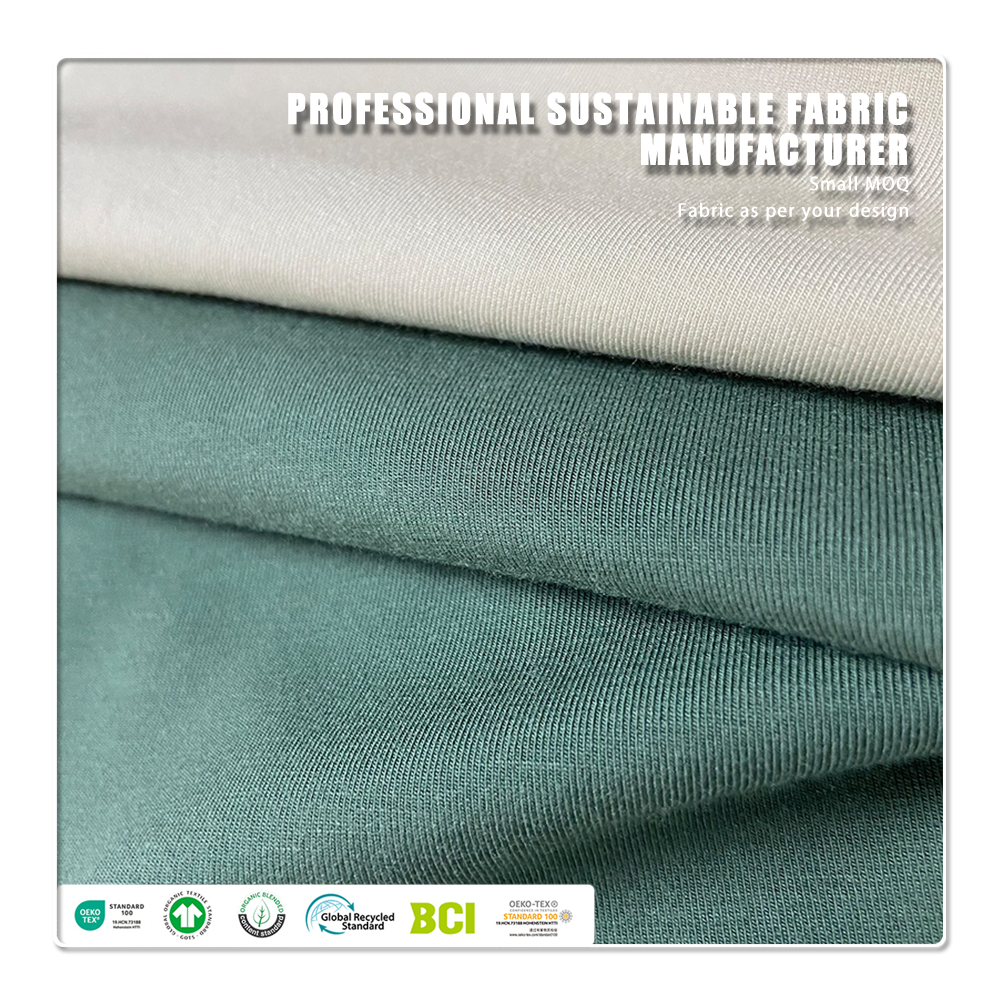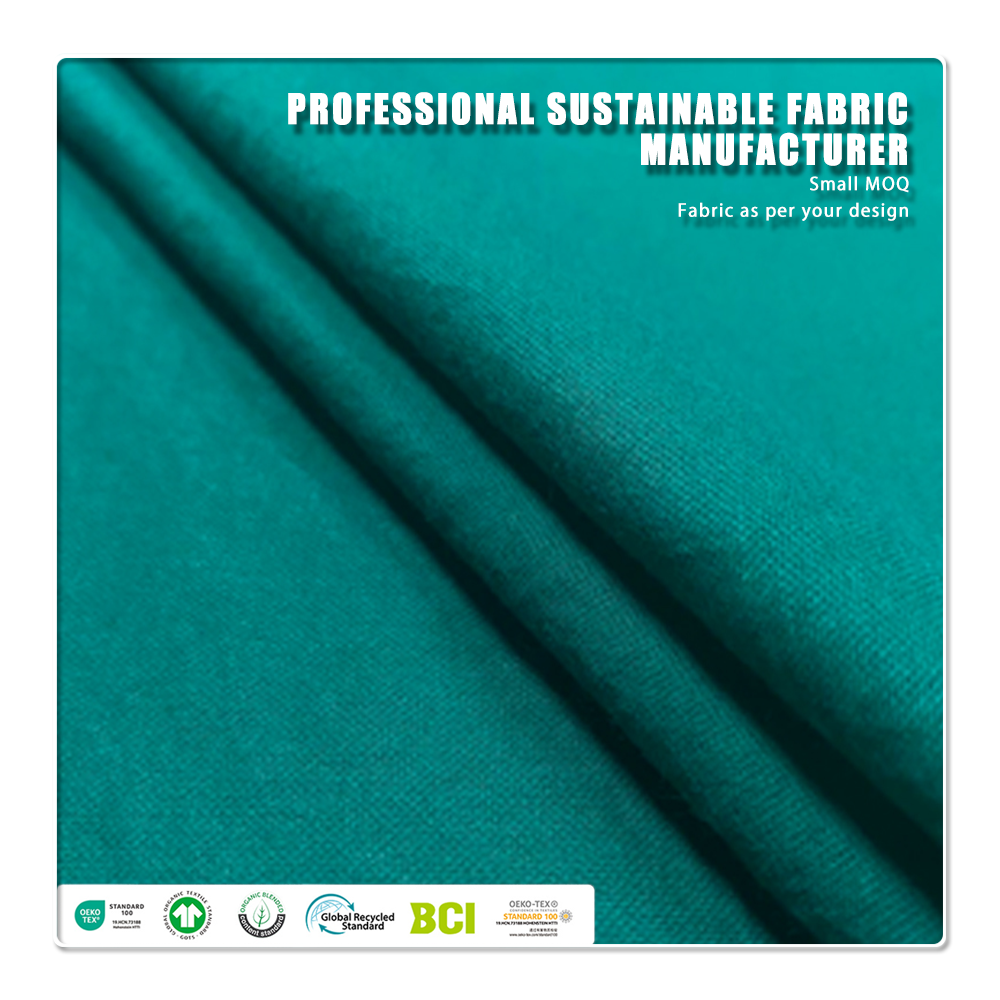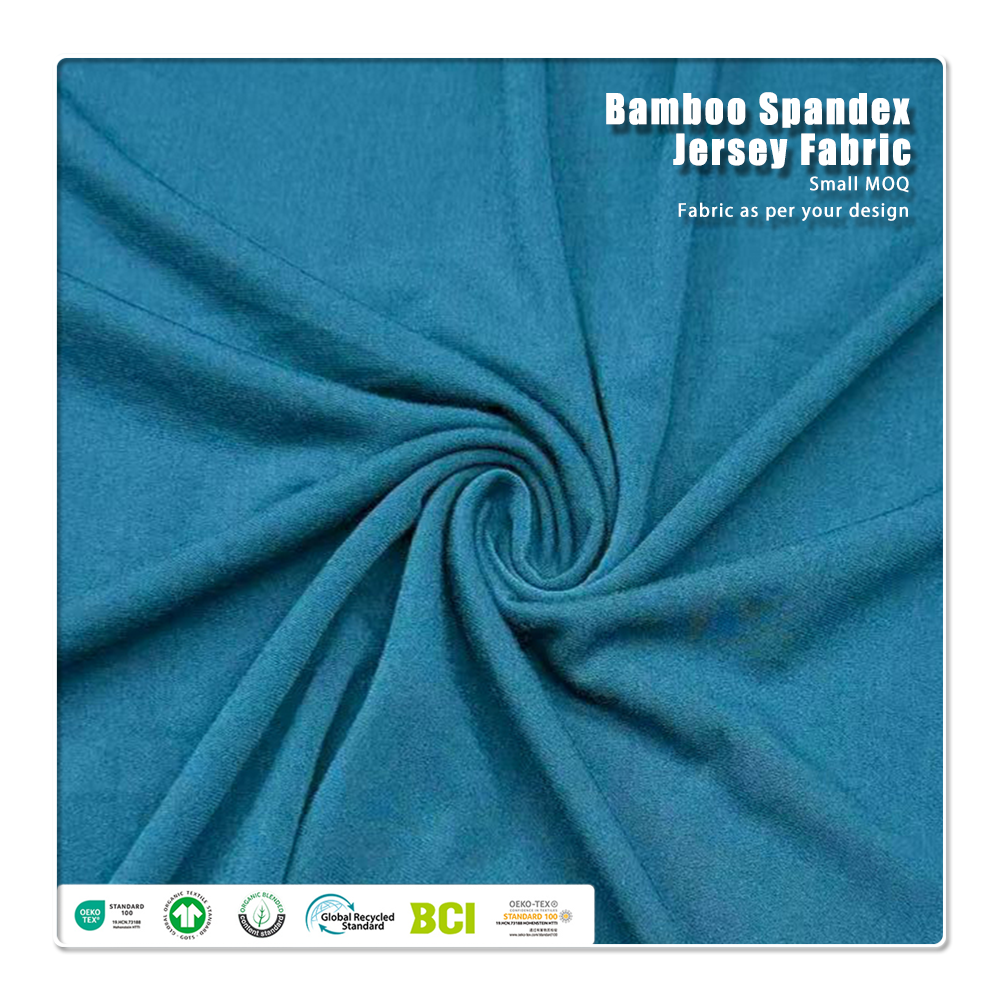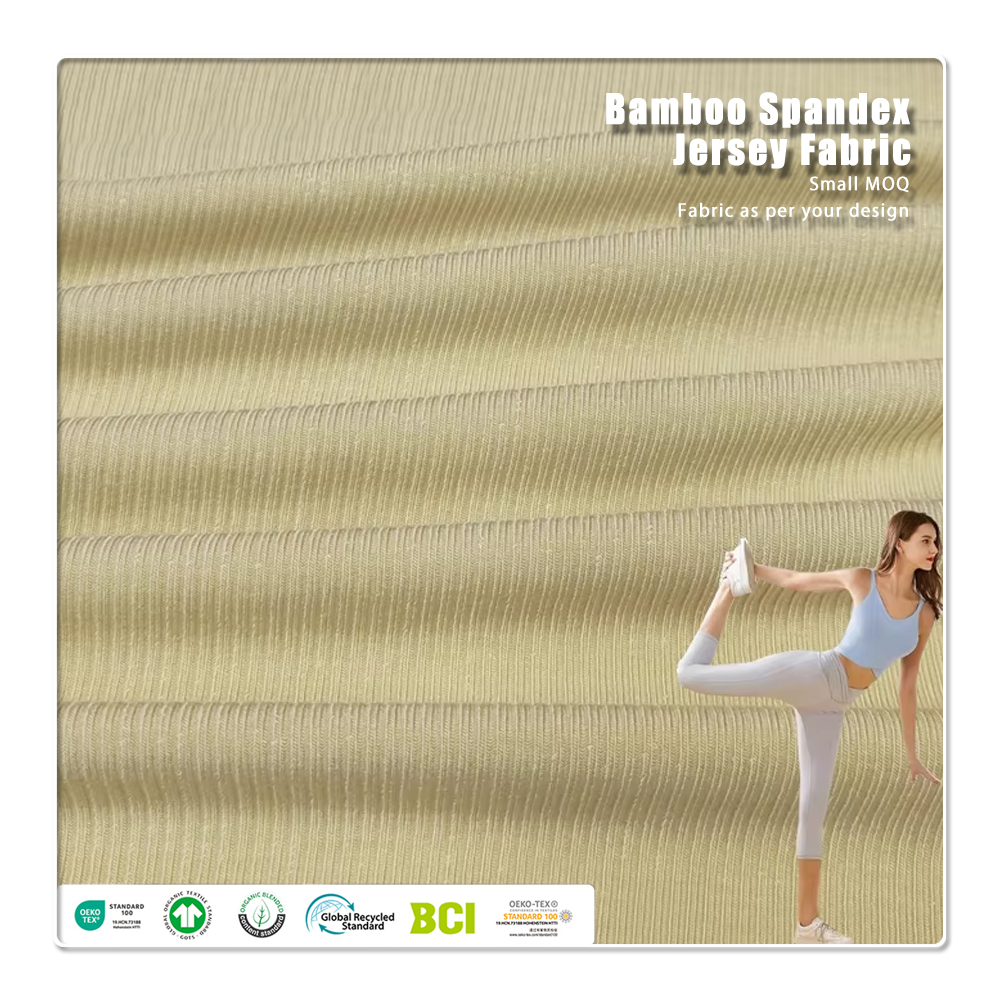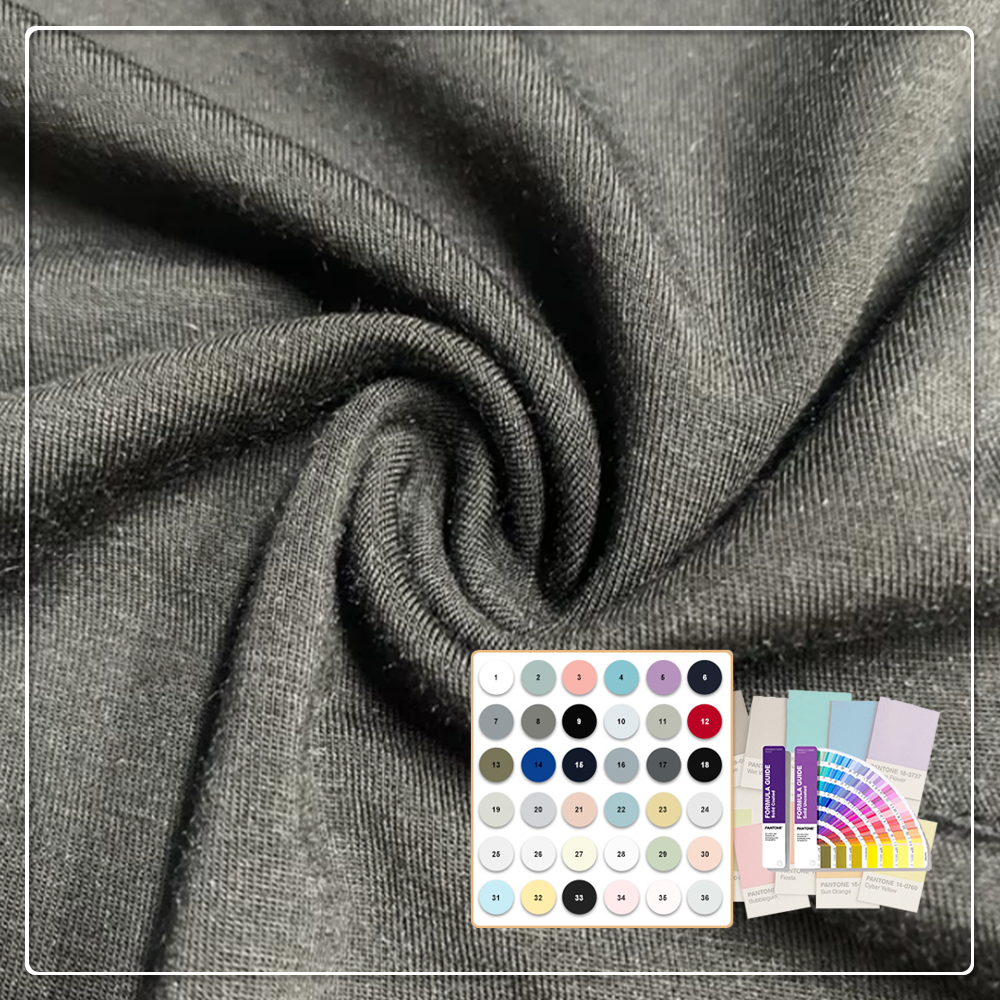
Key Specifications of Bamboo Fiber for Bulk Orders

Get a Free Quote

Our representative will contact you soon.
Email
Name
Mobile/WhatsApp
Company Name
Message
0/1000

Material bamboo fiber

Bamboo fiber is an innovative and sustainable material derived from the bamboo plant, known for its eco-friendly properties and versatility in textile applications. As a B2B buyer, understanding the specifications, sourcing options, and advantages of bamboo fiber is crucial for making informed purchasing decisions. This article will delve into the key specifications of bamboo fiber for bulk orders, what buyers need to know, how to source reliable suppliers, installation guidance for various applications, and the advantages of using bamboo fiber in sustainable manufacturing practices.  

Our Products

What Buyers Need to Know?

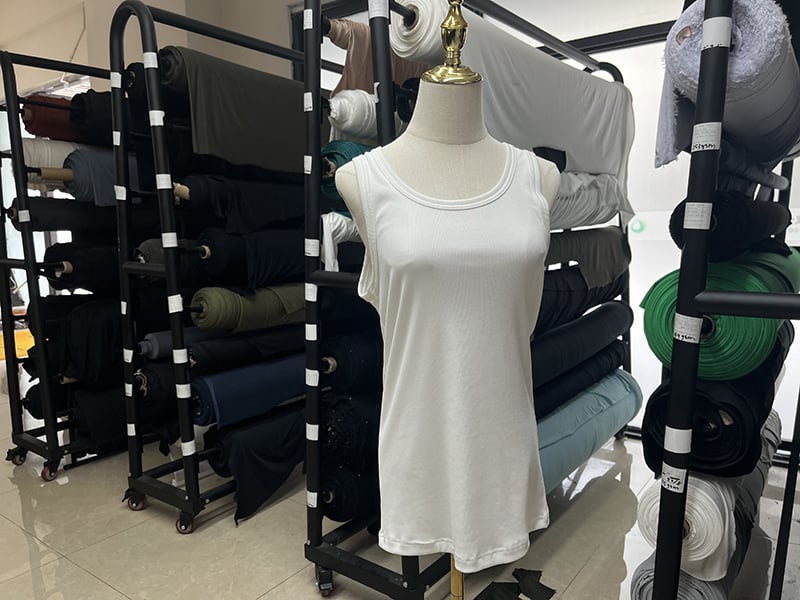
Buyers should consider several factors when sourcing bamboo fiber. One key aspect is the manufacturer's production capabilities. A reliable supplier should have a robust production process, including over 100 circular knitting machines, as seen in companies like Ohyeah Textile Co., Ltd.  This capacity allows for a monthly output of up to 200 tons, ensuring timely deliveries for large orders. 

Another consideration is the minimum order quantity (MOQ). Understanding the MOQ can help buyers assess whether the supplier can accommodate their business needs without over committing resources. Additionally, customization options are vital for companies looking to differentiate their products. Buyers should inquire about the supplier's ability to offer various colors, patterns, and finishes to meet specific market demands. 

Quality control processes are also essential. Bamboo fabric suppliers should have stringent quality assurance measures in place, such as regular inspections and testing to ensure the bamboo fiber meets required specifications. Buyers should request information on these processes and any relevant certifications to verify the supplier's commitment to quality. 

Where to Source Reliable Bamboo Fiber Suppliers for Your Business

Sourcing reliable bamboo fiber suppliers involves thorough research and evaluation. Start by exploring trade directories and industry-specific platforms that list certified manufacturers.  Attending trade shows and industry exhibitions can provide opportunities to meet bamboo fiber suppliers face-to-face, allowing buyers to assess their capabilities and product offerings directly. 

It’s also beneficial to seek recommendations from industry peers. Networking within professional associations can lead to trustworthy supplier referrals. When evaluating potential suppliers, always request samples to assess the quality of the bamboo fabric material firsthand. This allows you to verify specifications such as softness, strength, and color fastness before committing to a larger order. 

Additionally, consider bamboo fiber suppliers who are transparent about their manufacturing processes and certifications. Companies like Ohyeah that are certified by recognized organizations demonstrate a commitment to sustainability and quality, which can enhance your brand’s reputation in the market.  

Installation Guidance for Bamboo Fiber Products in Various Applications

When integrating bamboo fiber products into your offerings, understanding installation requirements is crucial. For apparel, ensure that the fabric is pre-washed to minimize shrinkage and enhance softness. This step is especially important for garments that will be subjected to rigorous washing and wearing. 

In home textiles, such as curtains or upholstery, proper care during installation can significantly affect the product's longevity. For instance, using appropriate mounting hardware that can support the weight of bamboo fiber curtains ensures that they hang correctly and last longer. Additionally, consider the environment where bamboo fiber products will be used—humidity levels can affect the fiber’s performance, so proper ventilation is essential. 

For industrial applications, such as in automotive interiors or insulation, understanding the thermal and moisture properties of bamboo fiber can help in its effective use. Ensure that the fiber is treated appropriately to enhance its performance in these environments, which may involve using additional coatings or treatments to improve durability and resistance to environmental factors. 

Advantages of Using Bamboo Fiber in Sustainable Manufacturing Practices

Bamboo fiber offers numerous advantages that align with sustainable manufacturing practices. Firstly, bamboo is a rapidly renewable resource, growing up to three feet per day without the need for pesticides or fertilizers. This makes it an environmentally friendly alternative to conventional fibers like cotton, which often require significant water and chemical inputs. 
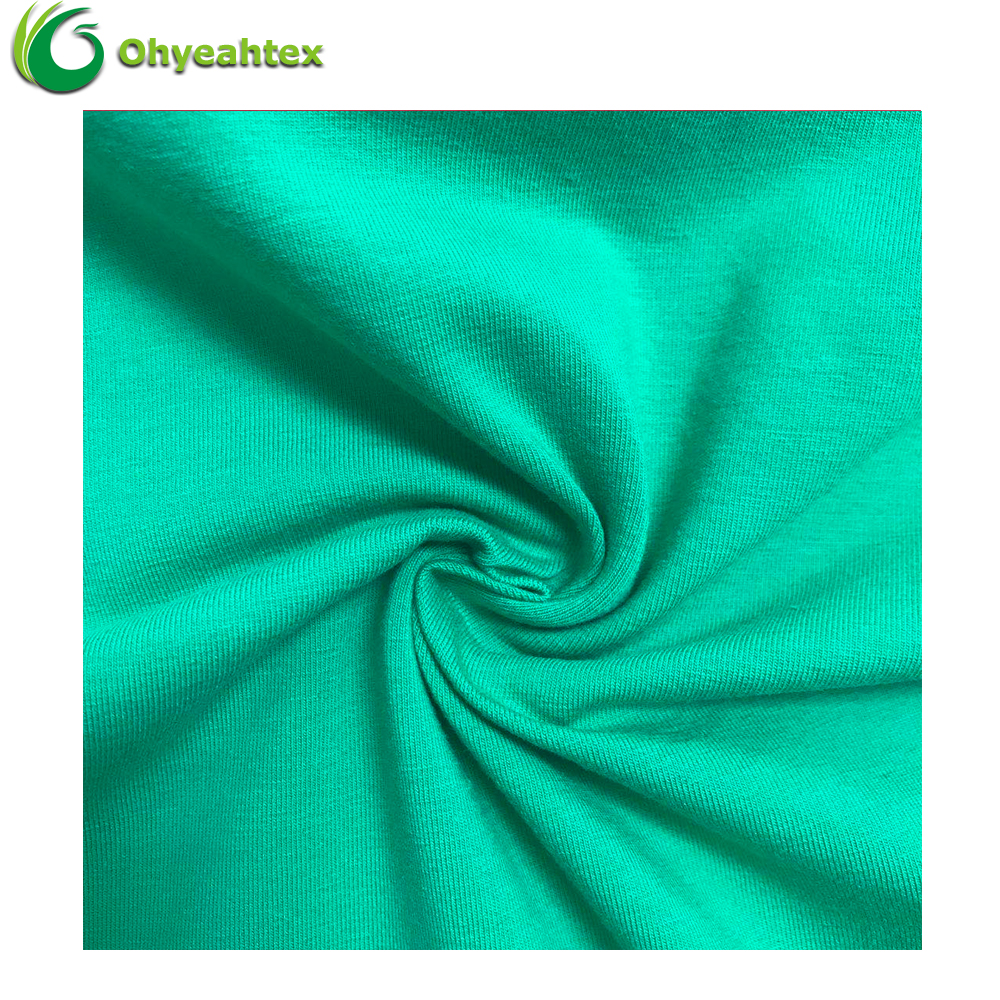
Moreover, bamboo fiber is biodegradable, reducing environmental impact at the end of its life cycle.  This characteristic is increasingly important as consumers become more eco-conscious, making bamboo fiber an attractive option for brands aiming to enhance their sustainability credentials. 

Additionally, bamboo fiber from Ohyeah has natural antibacterial properties, making it suitable for products that require hygiene, such as active wear and bedding. This inherent quality can reduce the need for chemical treatments, further contributing to the sustainability of the manufacturing process. 

Understanding the specifications, sourcing options, installation requirements, and sustainability benefits of bamboo fiber is essential for B2B buyers. By prioritizing these factors, purchasing managers and product designers can make informed decisions that align with their business goals and consumer demands. 

Key Specifications of Bamboo Fiber for Bulk Orders

When considering bamboo fiber for bulk orders, several specifications are critical to evaluate. Firstly, the fiber's quality is often assessed through its diameter, which typically ranges from 10 to 20 micrometers. A finer fiber can contribute to a softer and more luxurious feel, making it suitable for various applications, including apparel and home textiles. 

Another important specification is the tensile strength of bamboo fiber, which can vary but typically ranges from 20 to 50 MPa. This strength contributes to the durability of the final product, ensuring it can withstand regular use without significant wear. Additionally, the fiber's moisture-wicking properties and air comfort are essential, especially for garments, as they enhance comfort by allowing sweat to evaporate quickly. 

Certification plays a crucial role in evaluating bamboo fabric manufacturer. Materials certified by organizations such as OEKO-TEX, GOTS, and OCS indicate compliance with strict environmental and safety standards, assuring buyers of its quality and sustainability. Furthermore, a color fastness rating of level 4-5 is essential for ensuring that the fabric maintains its color even after multiple washes, while a shrinkage rate below 5% helps maintain the dimensional stability of the finished product. 

Our Blog Posts

The Science of Bamboo Fabric: Manufacturing, History, and Eco-Impact

14

Jan

The Science of Bamboo Fabric: Manufacturing, History, and Eco-Impact

Eco-Science Briefing Often hailed as the "Queen of Fibers," bamboo fabric merges 1,700 years of Chinese heritage with modern Closed-loop Systems. Known for its "Bamboo Kun" antibacterial agent and a micro-porous structure that absorbs 1.5x more mois...
View More
Can you print on bamboo fabric

04

Feb

Can you print on bamboo fabric

I am aware that with the ongoing increase in popularity of sustainable fashion, and environmentally-friendly materials, bamboo fabric has become one of the newest favorites due to its unrivaled softness, breathability, and environmental friendly natu...
View More
The Role of Tencel Lyocell in Creating Lightweight Knit Fabrics

29

May

The Role of Tencel Lyocell in Creating Lightweight Knit Fabrics

Lightweight knits are becoming an essential part of any modern wardrobe,and for good reason:not only are they comfortable and breathable,but they also allow for effortless layering. However,to create a light,airy knit without sacrificing integrity,a ...
View More
The Smooth Texture Benefits of Tencel Modal in Apparel Manufacturing

29

May

The Smooth Texture Benefits of Tencel Modal in Apparel Manufacturing

A smooth texture in clothing is a desirable fabric feature today. This add value to a fabric: it is an aesthetically pleasing, comfortable, and a mark of good quality. To produce a consistently smooth fabric texture, one must invest in fibe...
View More

Get a Free Quote

Our representative will contact you soon.
Email
Name
Mobile/WhatsApp
Company Name
Message
0/1000

Get a Free Quote

Our representative will contact you soon.
Email
Name
Mobile/WhatsApp
Company Name
Message
0/1000