EN
Organic cotton clothes are an increasingly popular choice for businesses looking to meet consumer demand for sustainable and eco-friendly products. As a B2B buyer, your primary concerns likely revolve around the quality of materials, production capabilities, and cost-effectiveness. This article will guide you through the essential specifications, unique advantages, cost factors, sourcing strategies, and potential challenges associated with organic cotton clothing, enabling you to make informed purchasing decisions.
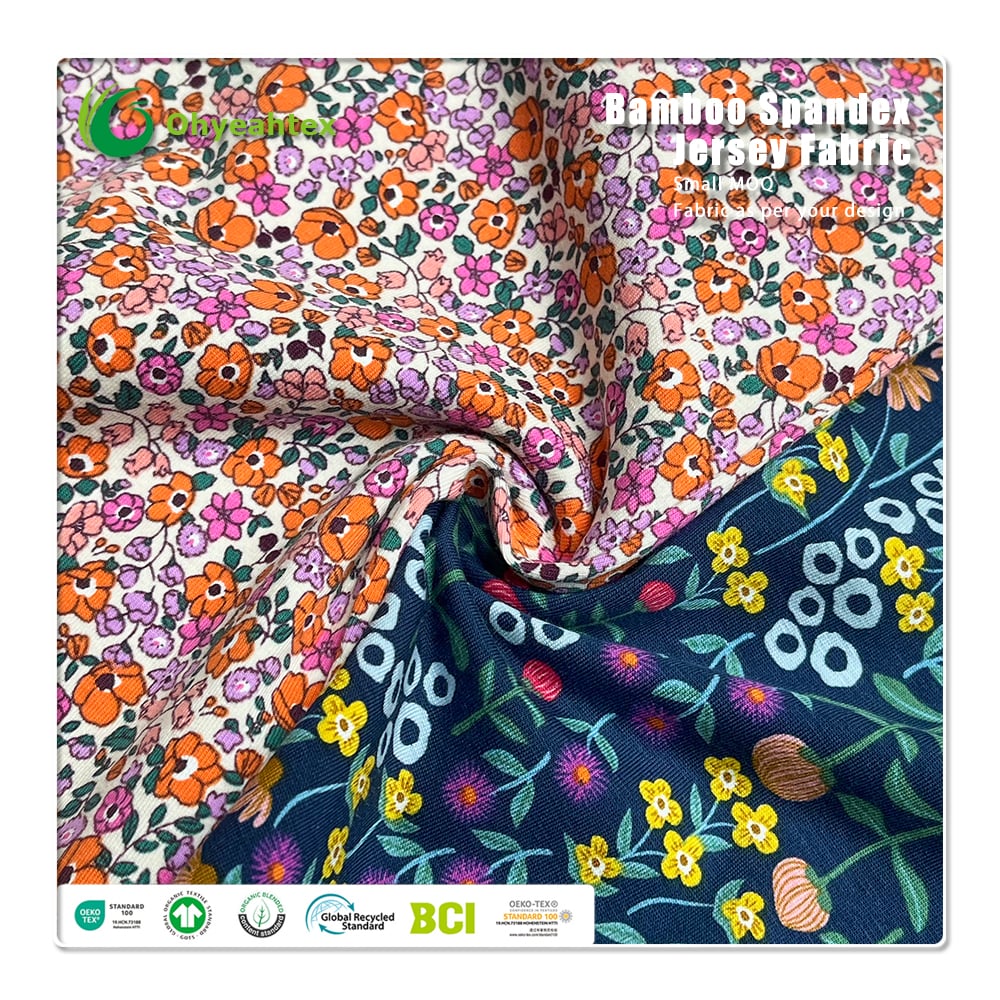
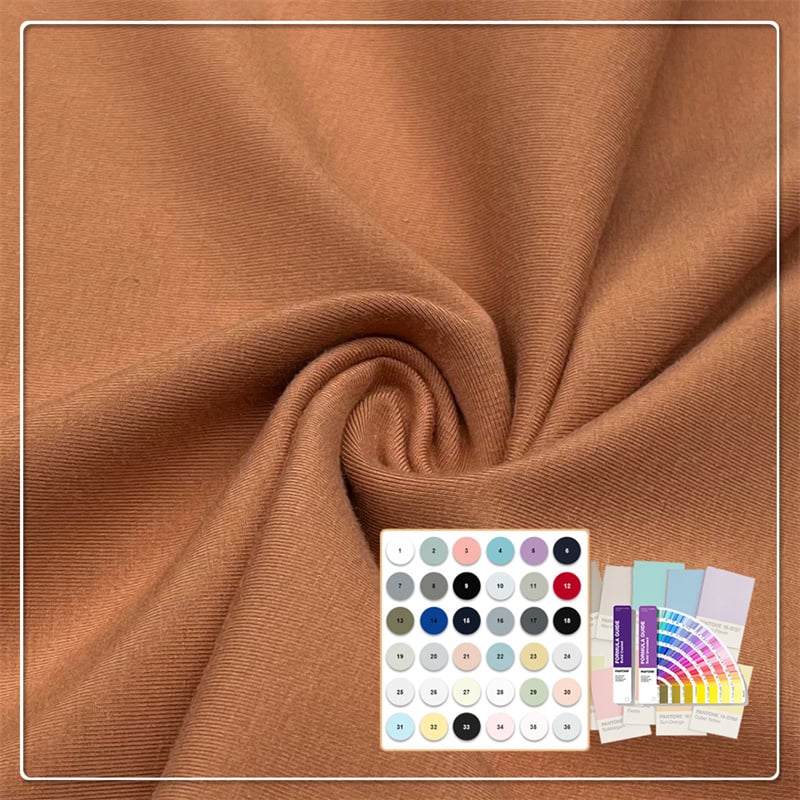
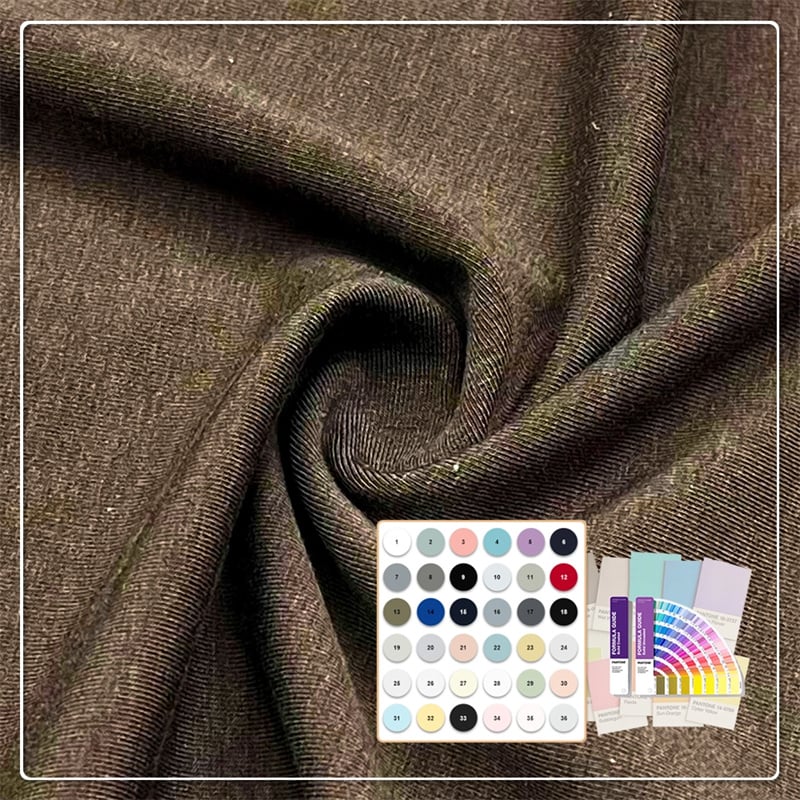
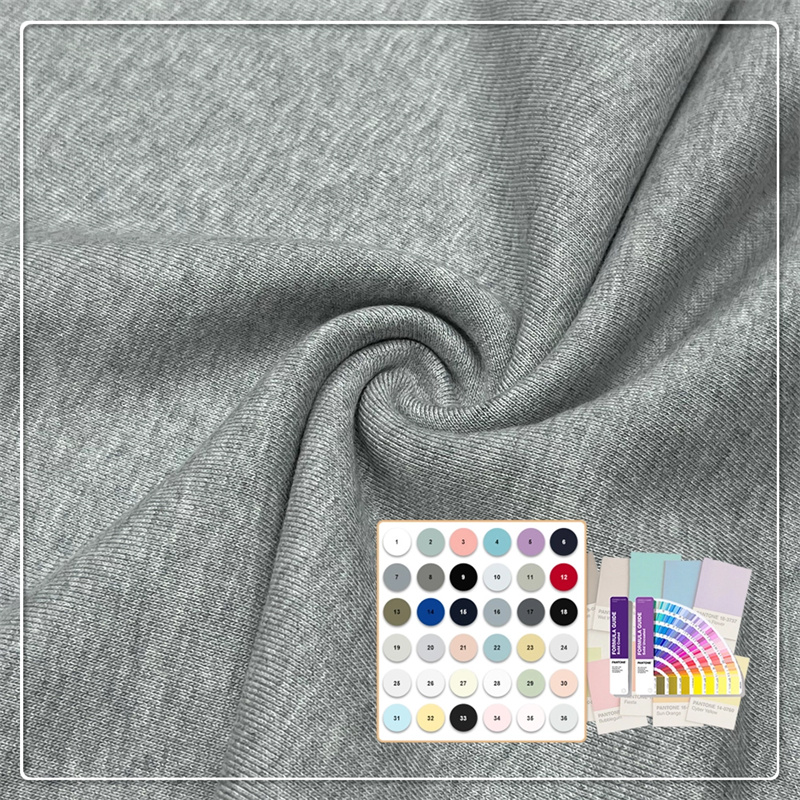
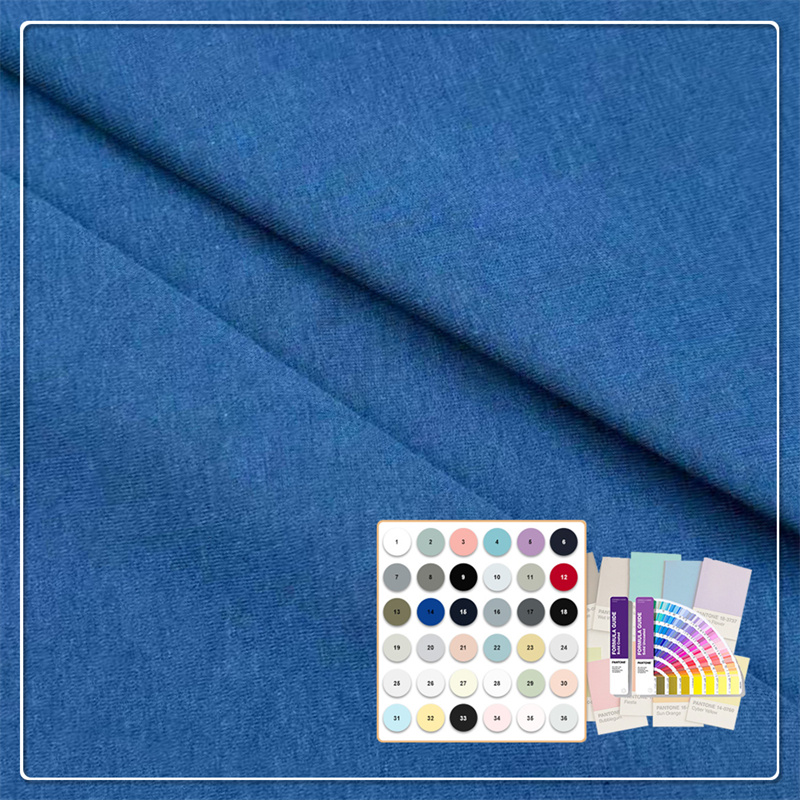
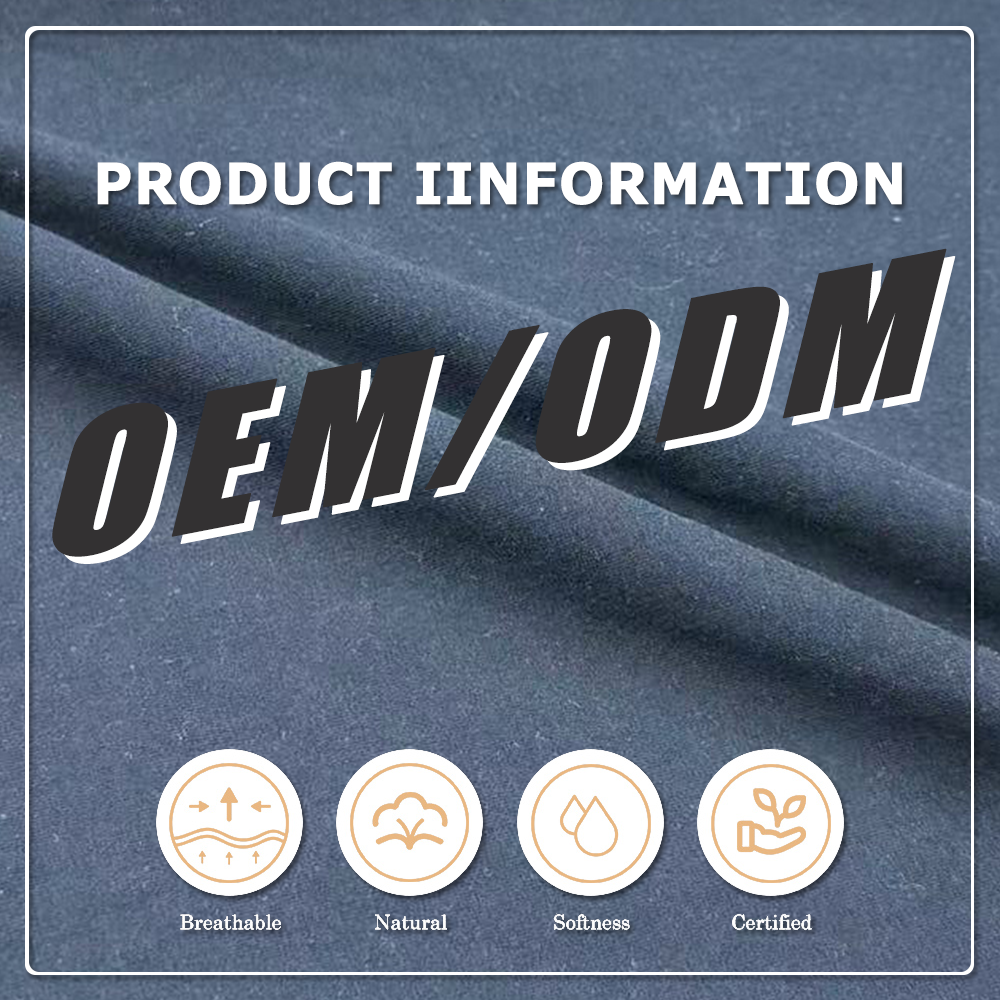
What Makes Our Organic Cotton Clothes Stand Out?
At Shaoxing City Ohyeah Textile Co., Ltd., our organic cotton clothes are distinguished by several key features:
Sustainable Production: Our commitment to eco-friendly practices is evident in our use of organic cotton fabrics, which is grown without harmful pesticides or synthetic fertilizers. This ensures a lower environmental impact compared to conventional cotton.
Advanced Manufacturing Capabilities: With over 100 circular knitting machines and a monthly output of 200 tons, we can efficiently produce large quantities of high-quality organic cotton fabrics. Our professional quality control team ensures that each batch meets rigorous standards.
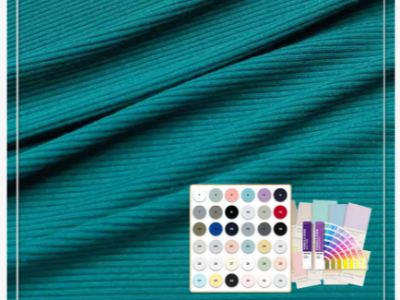
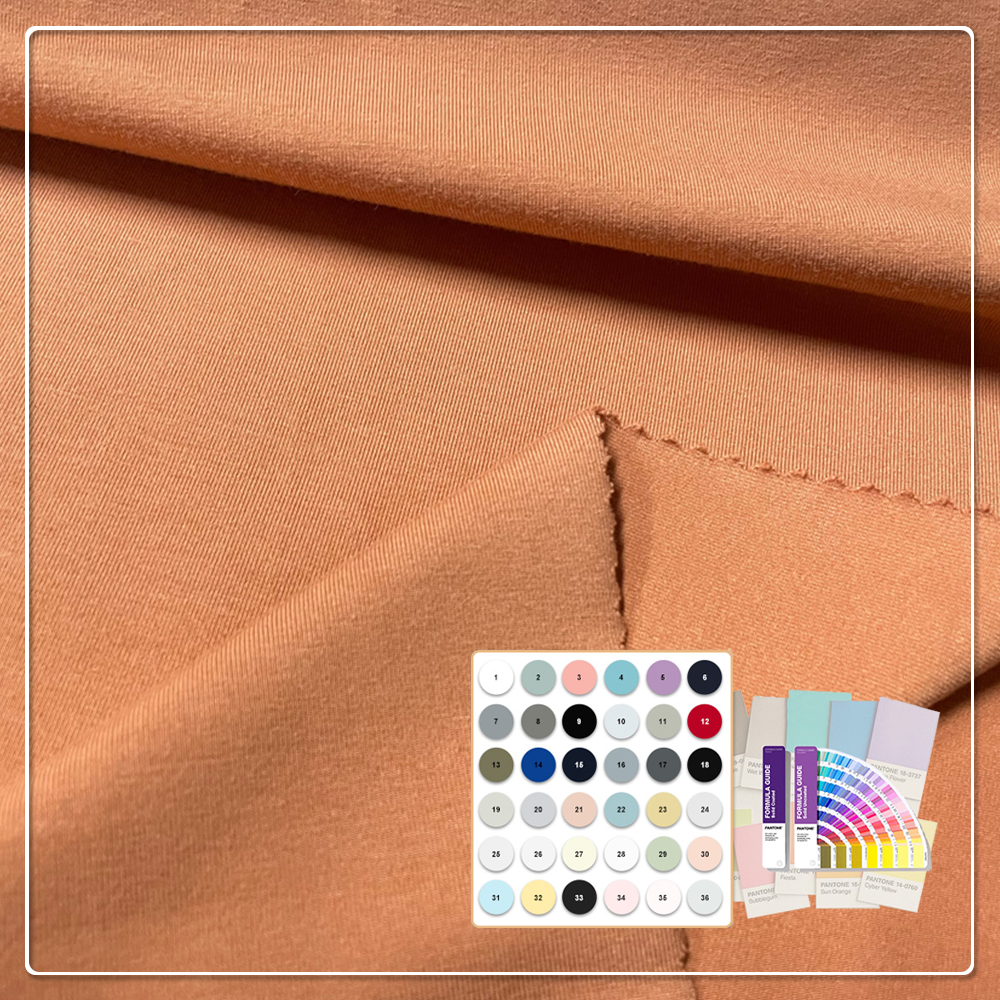
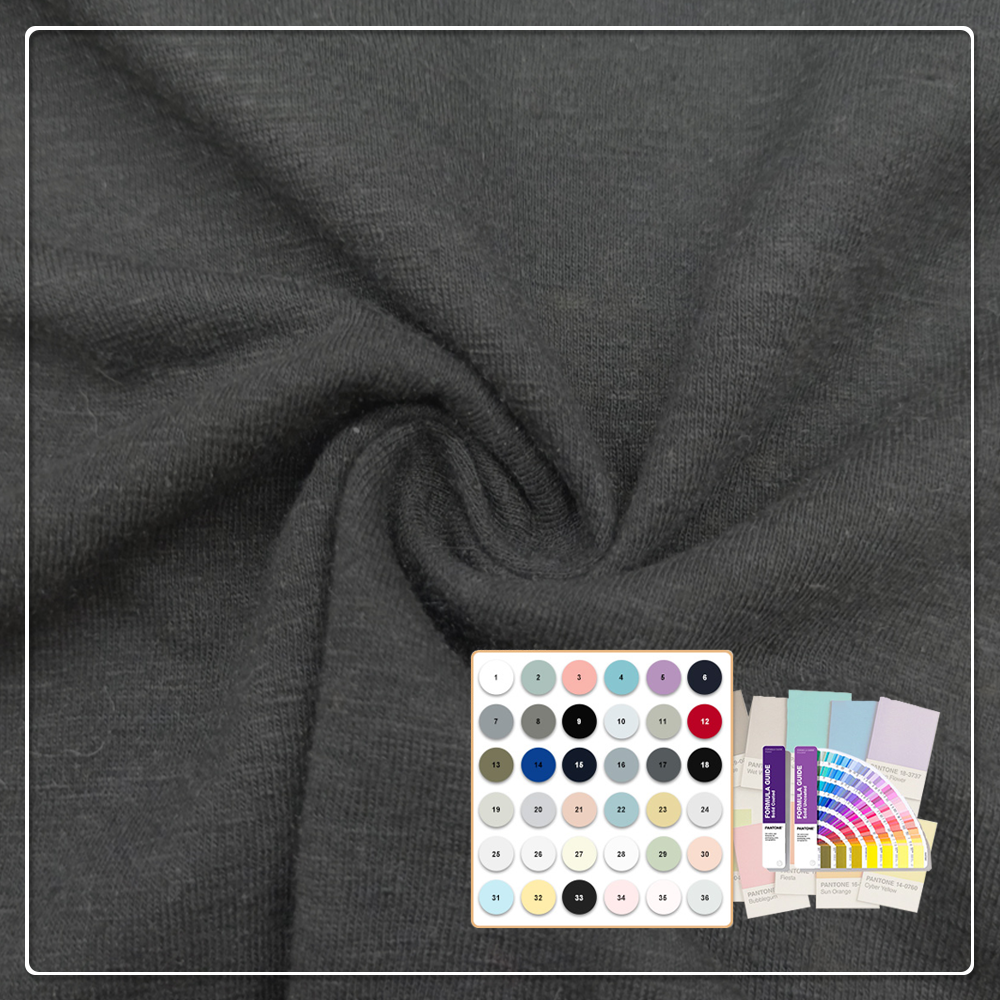
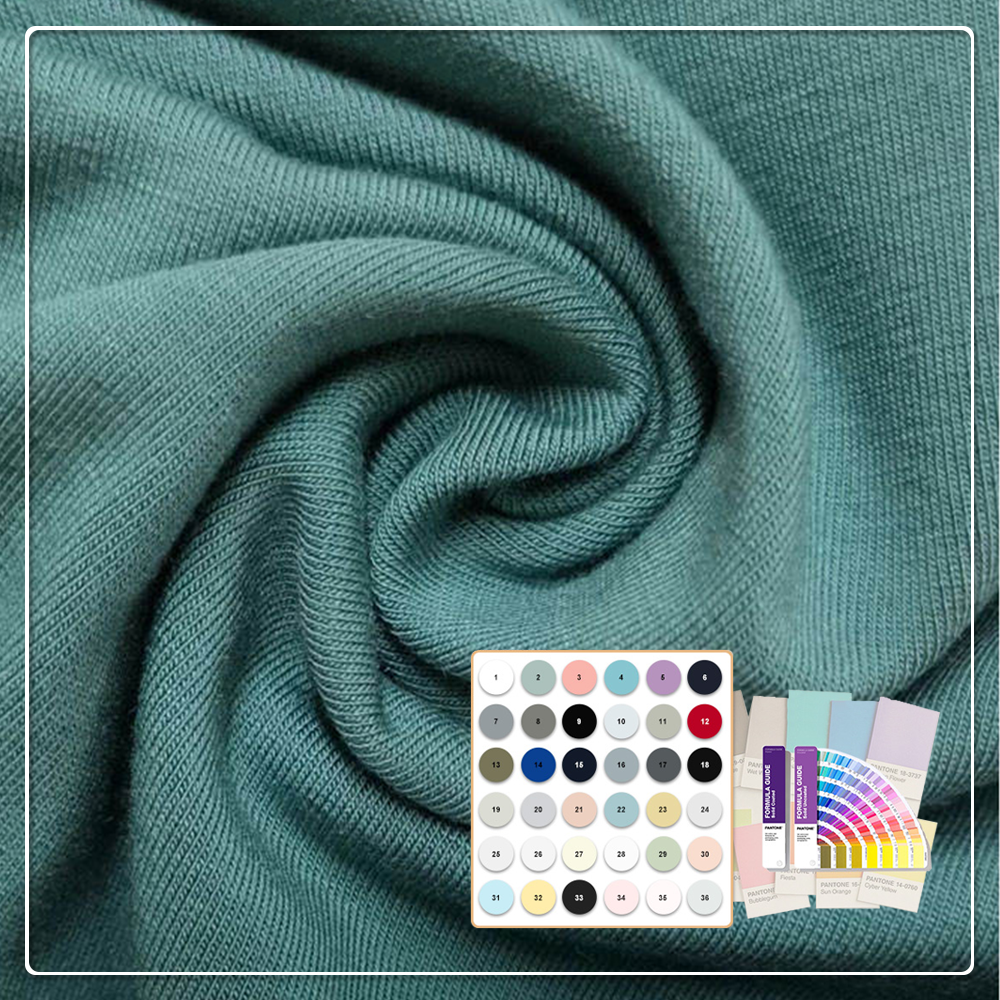
Customization Options: We understand that different projects have unique requirements. Our team is equipped to offer customizations in terms of fabric weight, color, and finishing processes, allowing you to tailor products to your specific needs.
Durability: Our fabrics exhibit excellent color fastness and minimal shrinkage, ensuring that the final product maintains its integrity and appearance after multiple washes.
These features not only enhance the quality of our organic cotton clothes but also contribute to a more sustainable supply chain.