EN
Sourcing organic cotton fabric suppliers requires careful consideration of various factors that directly impact product quality, pricing, and overall supply chain efficiency. For B2B buyers, such as purchasing managers and product developers, understanding these elements is essential to make informed decisions. This article will provide insights into what to look for when sourcing organic cotton fabric suppliers, how to compare organic cotton fabric options, understand cost factors, address common issues, and evaluate reliability of suppliers, all while ensuring that your needs for eco-friendly and high-quality fabrics are met.
How to Compare Organic Cotton Fabric Options for Your Projects
Comparing organic cotton fabrics options involves analyzing several critical specifications. Start with fabric weight and thickness, as these factors can impact the drape, durability, and overall performance of the finished product. For example, a heavier fabric may be more suitable for outerwear, while lighter options might be ideal for summer garments.
Color fastness is another important metric; a level of 4-5 indicates good resistance to fading, which is essential for maintaining the aesthetic quality of your products. Additionally, check for shrinkage rates below 5%, as excessive shrinkage can lead to product inconsistencies and customer dissatisfaction.
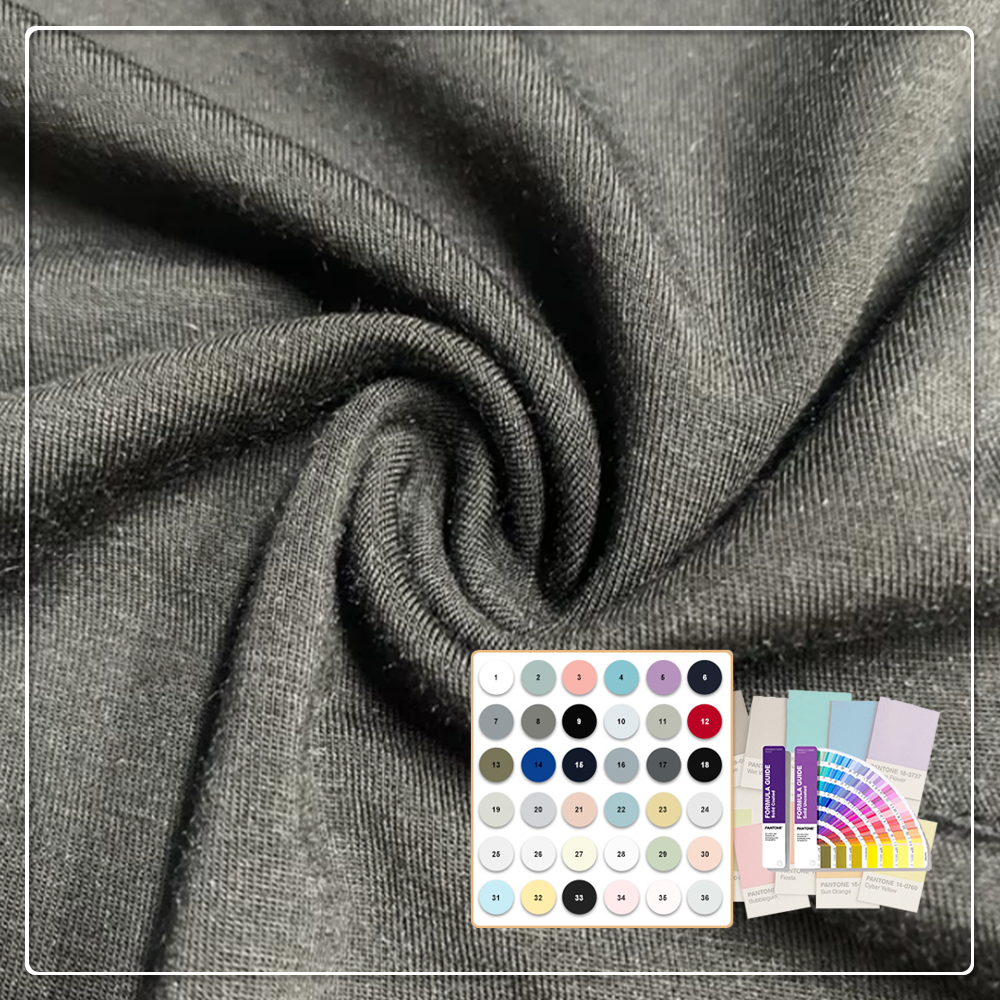
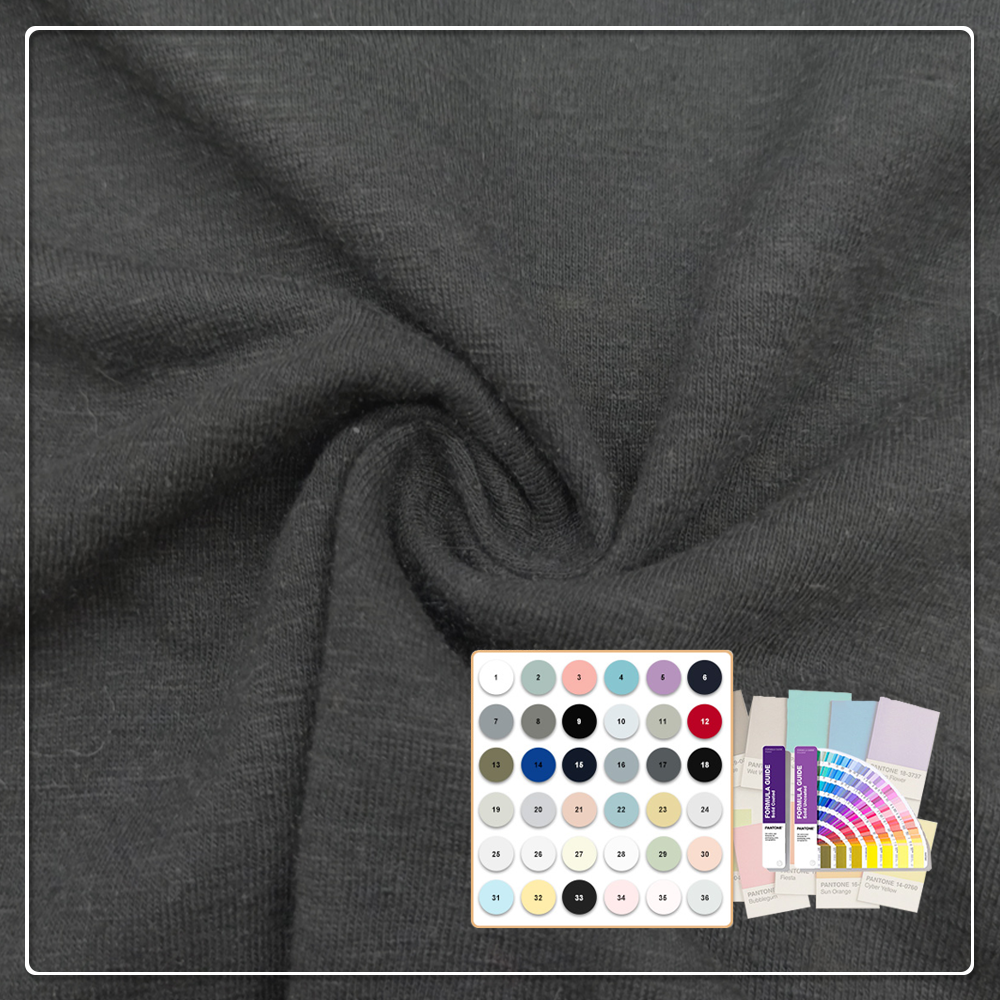
Customization capabilities are also worth evaluating. Suppliers should be able to accommodate unique color requests, patterns, or finishes that align with your brand identity. Engage potential suppliers in discussions about their ability to meet your specific project requirements while ensuring that they can provide samples for evaluation before making a final decision.