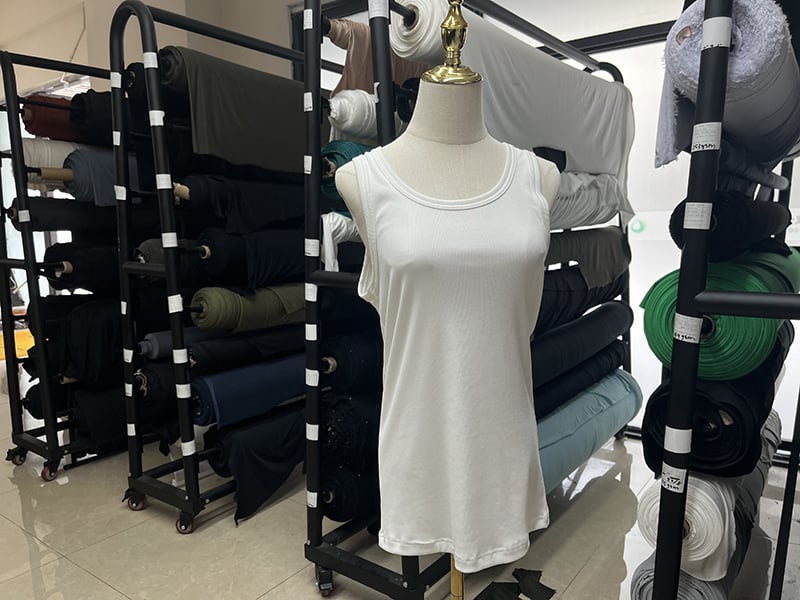
Choosing Quality Organic Cotton Wear for B2B

Get a Free Quote

Our representative will contact you soon.
Email
Name
Mobile/WhatsApp
Company Name
Message
0/1000

Organic cotton wear

Organic cotton wear has gained significant traction in the textile industry, particularly as businesses and consumers become more environmentally conscious. For B2B buyers, including purchasing managers and distributors, the focus often lies in sourcing high-quality, sustainable fabrics that meet specific application needs while adhering to eco-friendly standards. This article will provide insights into choosing the right organic cotton clothes for wholesale needs, evaluating quality for bulk orders, addressing common sourcing organic cotton problems, considering cost factors organic cotton, and guiding installation in various applications. 

Evaluating the Quality of Organic Cotton Wear for Bulk Orders

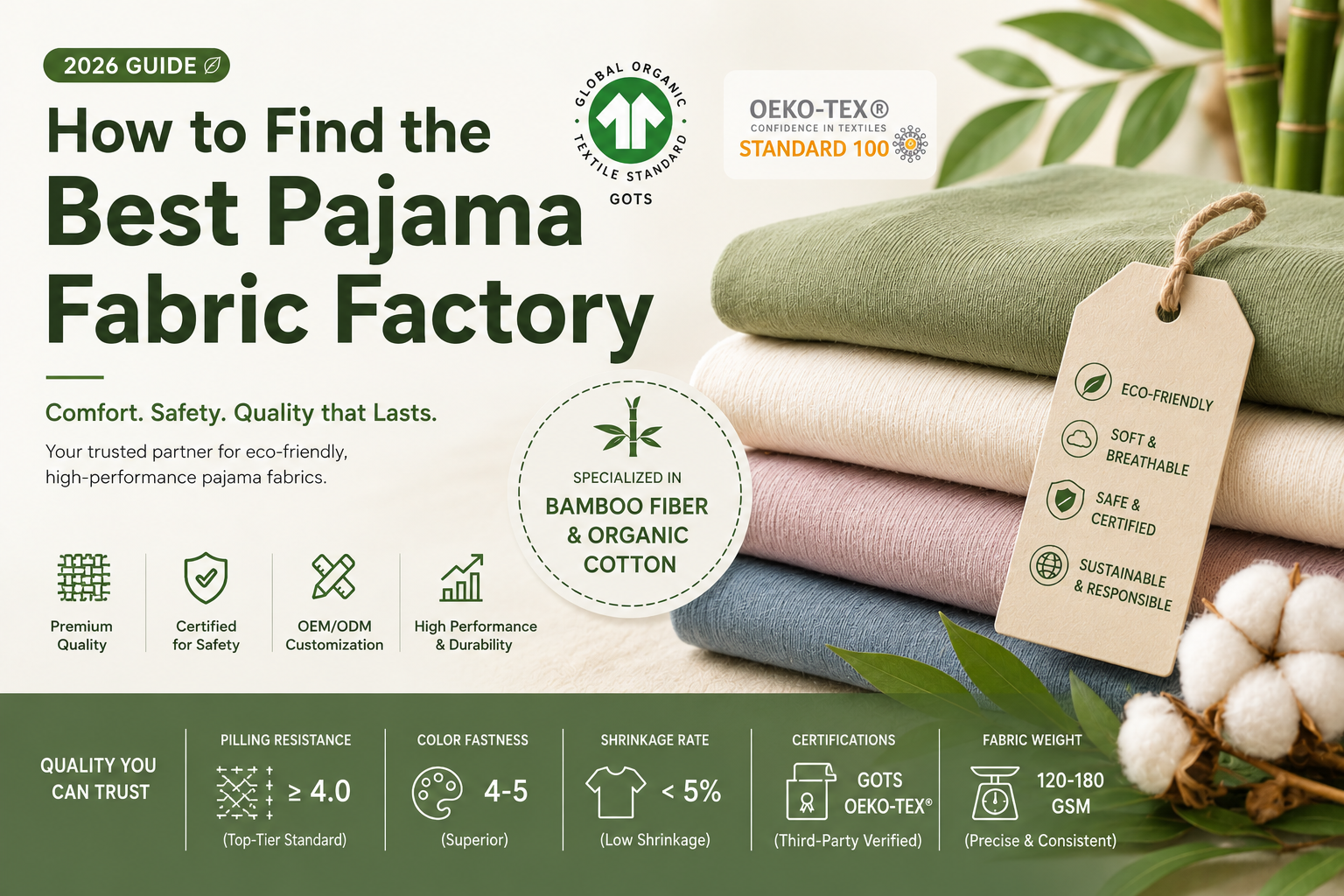
Quality assessment is critical when purchasing organic cotton wear in bulk. Start by reviewing the fabric specifications, focusing on aspects such as color fastness and shrinkage. Shaoxing City Ohyeah Textile Co., Ltd. offers organic cotton fabric with a color fastness level of 4-5 and shrinkage below 5%, which are essential for maintaining the integrity of the product during washing and wearing. 

Request samples to evaluate the fabric's feel, durability, and performance characteristics. Consider conducting wash tests to ensure that the fabric holds up under typical usage conditions. Additionally, engage with the manufacturer regarding their quality control processes. A professional team dedicated to quality assurance can help mitigate potential issues before mass production. 

It's also prudent to confirm the manufacturer's experience and track record in producing organic cotton fabrics. A supplier with a strong reputation in the industry is likely to provide consistent quality and service. 
Common Problems in Organic Cotton Sourcing and Effective Solutions

Sourcing organic cotton wear can present challenges, including fluctuating availability, varying quality standards, and potential supply chain disruptions. One common issue is the inconsistency in organic certification across different suppliers. To address this, always request documentation proving the fabric's certification to ensure compliance with organic standards. 

Another problem can arise from the variability in raw material quality. Buyers can mitigate this risk by establishing long-term relationships with reputable manufacturers who have stringent quality control measures in place. Regular audits and site visits can provide insight into the production process and help ensure that the material meets your expectations. 

Lastly, be prepared for potential delays in lead times due to sourcing raw materials or production bottlenecks. To counteract this, maintain open communication with your supplier and consider placing orders well in advance, particularly during peak seasons. 

Cost Factors to Consider When Purchasing Organic Cotton Wear

When evaluating the cost of organic cotton wear, several factors come into play. Start by considering the raw material costs, which can fluctuate based on market demand and seasonal availability. Organic cotton typically commands a premium price due to its sustainable production methods. 

Additionally, assess the manufacturing costs, including labor, overhead, and production efficiency. A manufacturer with advanced machinery, like the circular knitting machines at Shaoxing City Ohyeah Textile Co., Ltd., can produce high-quality fabrics more efficiently, potentially reducing overall costs. 

Don't overlook the implications of shipping and logistics. Depending on your location, transportation costs can significantly impact your total expenditure. Collaborating with a supplier who has experience in international shipping can help streamline this process and minimize costs. 

Finally, consider the long-term value of investing in high-quality organic cotton wear. While the upfront costs may be higher, durable fabrics can lead to lower replacement rates and customer satisfaction, ultimately benefiting your bottom line. 

Installation Guidance for Organic Cotton Wear in Various Applications

Proper installation of organic cotton wear is crucial for maximizing its performance and longevity. For apparel, ensure that the fabric is pre-washed to minimize shrinkage and confirm fit specifications. This step is particularly important if you plan to produce garments in multiple sizes, as variations in fabric behavior can affect the final product. 

For home textiles, such as bedding or curtains, consider the weight and drape of the fabric during installation. A heavier fabric may require different hanging or fastening methods compared to lighter materials. When working with organic cotton, it is also advisable to confirm that any dyes or finishes used are compatible with your intended application to prevent adverse reactions. 

Lastly, regardless of the application, always follow the manufacturer's care instructions to ensure that the organic cotton maintains its quality over time. Educating your customers about proper care can also enhance their satisfaction and prolong the life of the product. 

By understanding these critical aspects of organic cotton wear, B2B buyers can make informed decisions that align with their business needs and sustainability goals.  

How to Choose the Right Organic Cotton Wear for Your Wholesale Needs

When selecting quality organic cotton wear for wholesale, several factors should be considered to ensure that the product meets your specific requirements. First, assess the intended application of the fabric. Organic cotton is versatile and can be used in apparel, bedding, and home textiles, among others. Ensure that the fabric's weight, texture, and finish align with your end-use requirements.  

Next, consider the certifications associated with the organic cotton. Look for GOTS (Global Organic Textile Standard) or OCS (Organic Content Standard) certifications, as these ensure that the material is produced sustainably and ethically. Additionally, inquire about the manufacturer's ability to provide customizations, such as color variations or specific blends, which may be necessary for your product line. 

Lastly, evaluate the supplier's production capacity and lead times. A reliable manufacturer, like Shaoxing City Ohyeah Textile Co., Ltd., can produce up to 200 tons of soft organic cotton fabric monthly, ensuring that you can meet your demand without delays. 

Our Blog Posts

Top Pajama Fabric Factory Recommendation Guide 2026: Sourcing the Best Materials

08

May

Top Pajama Fabric Factory Recommendation Guide 2026: Sourcing the Best Materials

Executive Summary: How to Find the Best Pajama Fabric Factory Finding a top pajama fabric factory means looking for more than just a low price. The best factories focus on three things: comfort, safety, and quality that lasts. According to the latest...
View More
The Growing Demand for Tencel Modal in Global Knit Fabric Markets

29

May

The Growing Demand for Tencel Modal in Global Knit Fabric Markets

Consumers,brands,and retailers are moving away from conventional fibers toward fibers which offer both performance and sustainability. Of many options,the growth in demand for Tencel Modal has been particularly strong. Shaoxing City Ohyeah Texti...
View More
The Smooth Texture Benefits of Tencel Modal in Apparel Manufacturing

29

May

The Smooth Texture Benefits of Tencel Modal in Apparel Manufacturing

A smooth texture in clothing is a desirable fabric feature today. This add value to a fabric: it is an aesthetically pleasing, comfortable, and a mark of good quality. To produce a consistently smooth fabric texture, one must invest in fibe...
View More
Why Tencel Lyocell Meets the Needs of Eco-Conscious Apparel Brands

29

May

Why Tencel Lyocell Meets the Needs of Eco-Conscious Apparel Brands

Making sustainable clothing is no small feat. Eco-friendly brands need materials that are truly sustainable while still delivering comfort, quality, and performance. Lots of 'green' materials have one or more major weaknesses that are overlooked or m...
View More

Get a Free Quote

Our representative will contact you soon.
Email
Name
Mobile/WhatsApp
Company Name
Message
0/1000

Get a Free Quote

Our representative will contact you soon.
Email
Name
Mobile/WhatsApp
Company Name
Message
0/1000