Choosing Quality Organic Fabric Materials for Wholesale

Get a Free Quote

Our representative will contact you soon.
Email
Name
Mobile/WhatsApp
Company Name
Message
0/1000

Organic fabric material

Choosing the right organic fabric materials is crucial for B2B buyers looking to source eco-friendly textiles for their products. Organic fabrics, made from sustainable materials such as organic cotton, bamboo fabric, or recycled polyester, have gained popularity due to their environmental benefits and quality. Buyers are often concerned about the sourcing process, quality specifications, and potential challenges associated with these materials. This article will guide purchasing managers, distributors, and product managers through essential factors to consider when selecting organic fabric materials for wholesale orders.
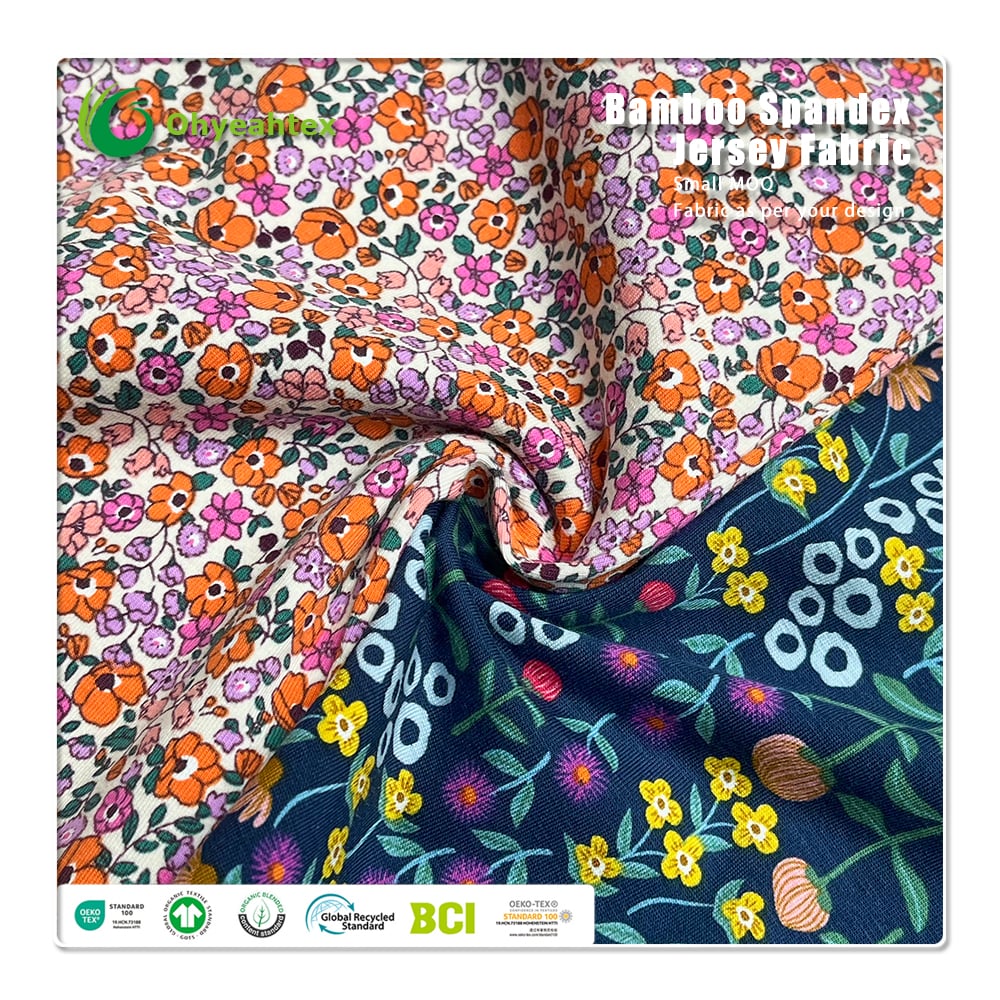
Our Products

Key Specifications of Organic Fabric Material for Your Projects

When evaluating organic fabric materials, key specifications to consider include: 

Material Composition: Verify that the fabric is made from high-quality organic fibers, such as cotton, bamboo, or recycled polyester. Each material has unique properties affecting comfort, durability, and environmental impact. 

Color Fastness: A color fastness rating of level 4-5 is considered high and indicates that the colors will not easily fade or bleed. This is crucial for maintaining the aesthetic quality of the finished product. 

Shrinkage Rate: Fabrics with a shrinkage rate below 5% are ideal, as they will maintain their size and shape after washing. This is important for customer satisfaction and return rates. 

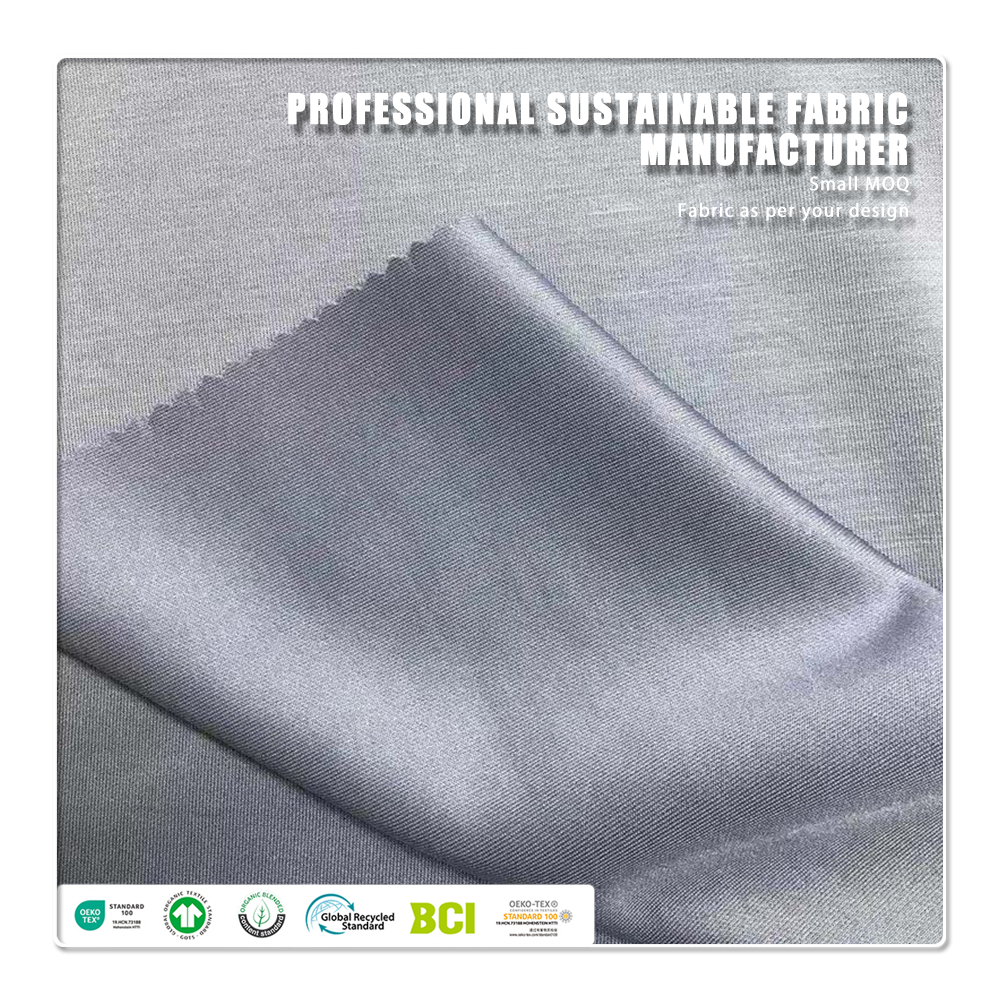
Certification Standards: Look for certifications like OEKO-TEX, GOTS, and OCS (Organic Content Standard), which ensure the organic cotton fabric is free from harmful substances and produced sustainably. 

Understanding these specifications will help ensure that the organic fabric materials you choose are suitable for your intended application and meet your quality requirements. 
How to Evaluate the Quality of Organic Fabric Materials

Sourcing reliable suppliers for organic fabric materials can significantly impact the overall quality of your products. Start by researching manufacturers with proven expertise in eco-friendly textiles. Companies like Shaoxing City Ohyeah Textile Co., Ltd. specialize in natural organic fabric and hold relevant certifications, ensuring their products meet industry standards. 

Attend trade shows and industry conferences focused on sustainable textiles. These events provide opportunities to connect with potential suppliers, assess their offerings, and establish relationships. Online platforms can also be useful for finding a variety of suppliers, but it’s crucial to vet them thoroughly.  

Request references or testimonials from previous clients to gauge the supplier's reliability. Additionally, ensure that your chosen supplier has appropriate quality control measures in place, such as rigorous inspection processes and production capabilities that align with your order volume. 

Cost Factors to Consider When Purchasing Organic Fabric Materials

Several factors influence the cost of bulk organic fabric purchases. Understanding these can help you budget more effectively: 

Material Type: The choice of organic cotton fabric significantly affects pricing. For instance, organic cotton may be more expensive than conventional cotton due to its sustainable farming practices. Similarly, bamboo fabrics often carry a premium due to their production process. 

Order Quantity: Many suppliers have minimum order quantities (MOQs), which can vary based on the material and supplier. Placing larger orders may lead to cost savings through volume discounts. 

Customization Requirements: If you require specific colors, patterns, or finishes, the customization can add to the overall cost. Be clear with suppliers about your requirements to get accurate quotes. 

Shipping and Logistics: Consider the logistics involved in transporting the organic cotton fabric. Shipping costs can vary based on weight, distance, and shipping method, so it’s wise to factor these into your budget. 

Having a clear understanding of these cost factors will help you negotiate better deals and make informed purchasing decisions. 

What Buyers Need to Know

While organic fabrics offer numerous benefits, they can also present challenges for buyers. Some common issues and their solutions include: 

Variability in Quality: Organic fabrics can sometimes vary in quality due to differences in production practices. To mitigate this, always conduct a thorough quality inspection of samples before placing a large order. Verify that the supplier maintains consistent quality control standards. 

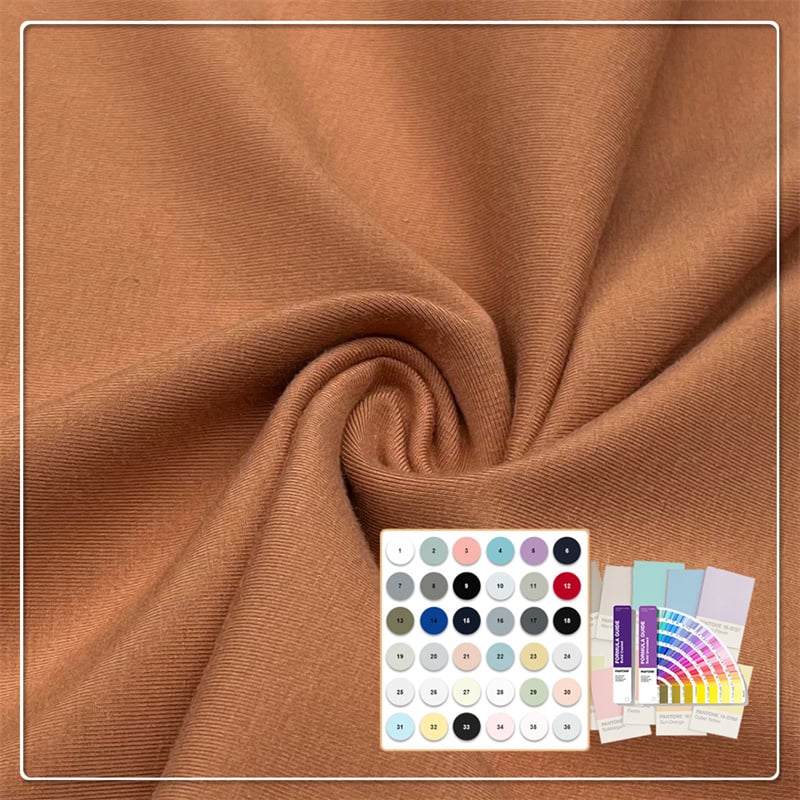
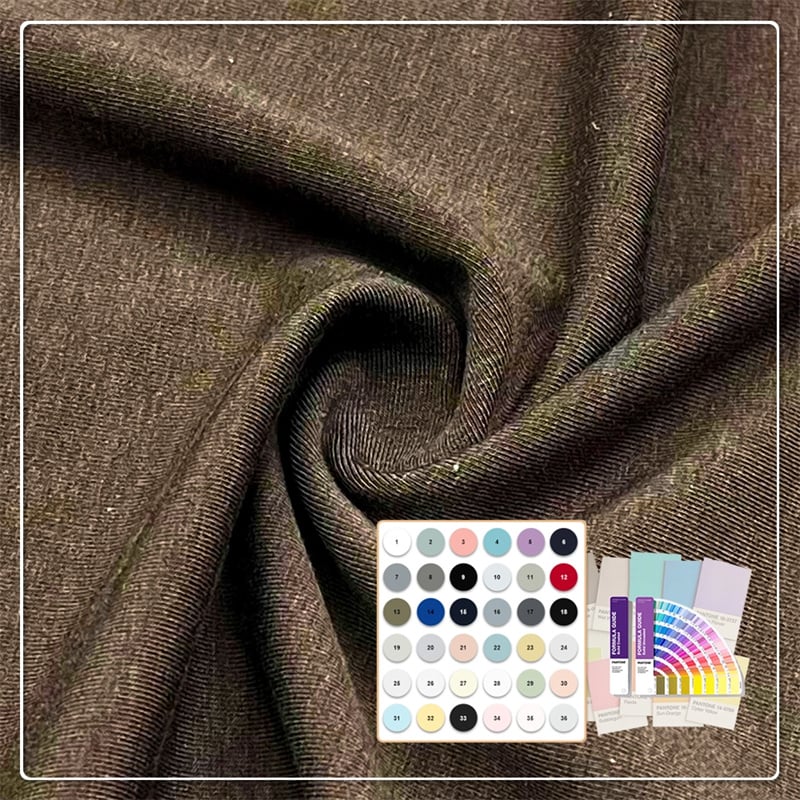
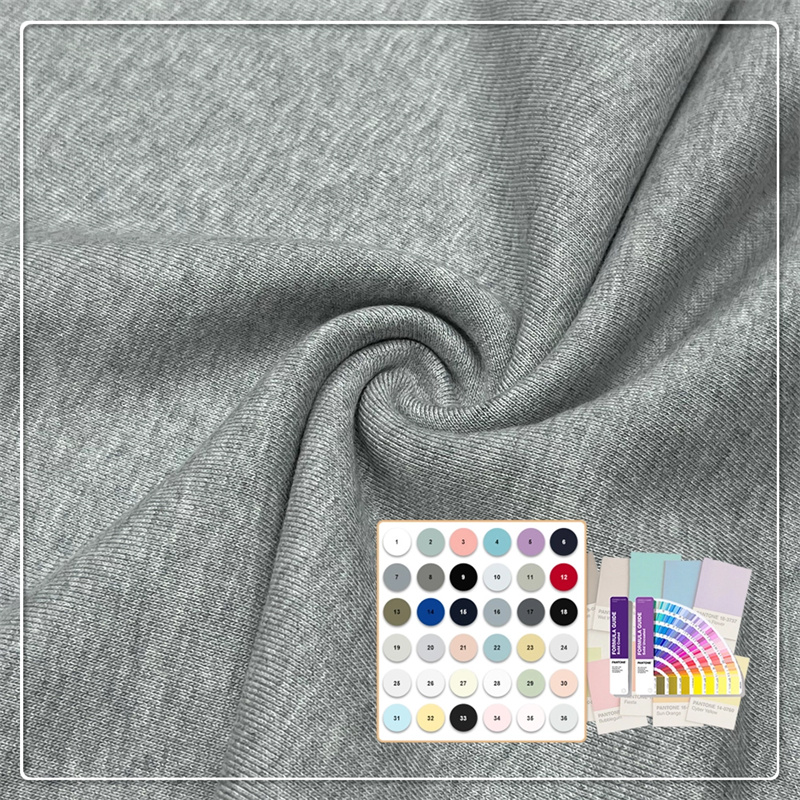
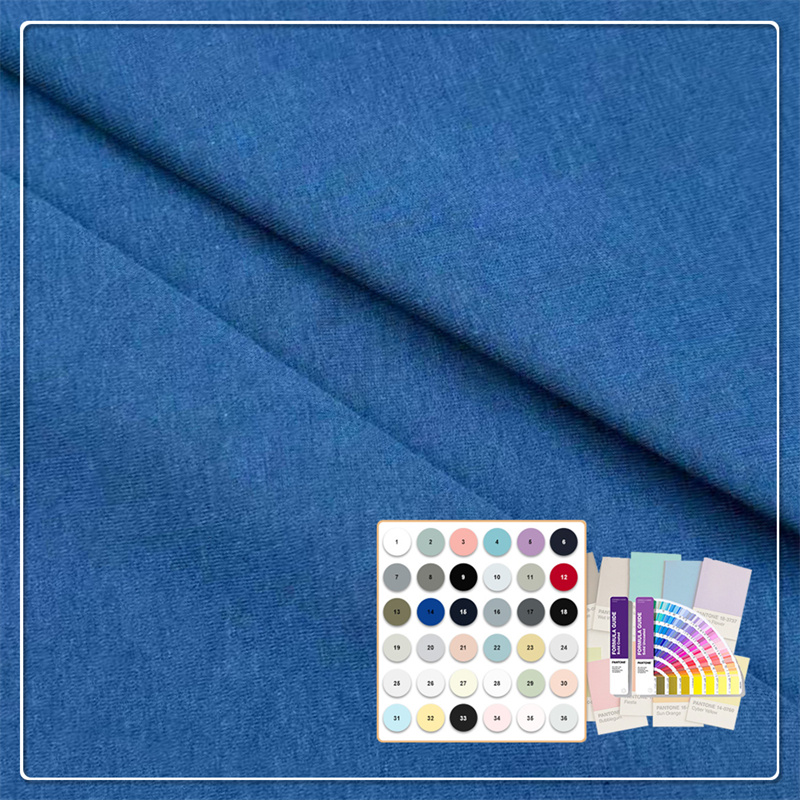
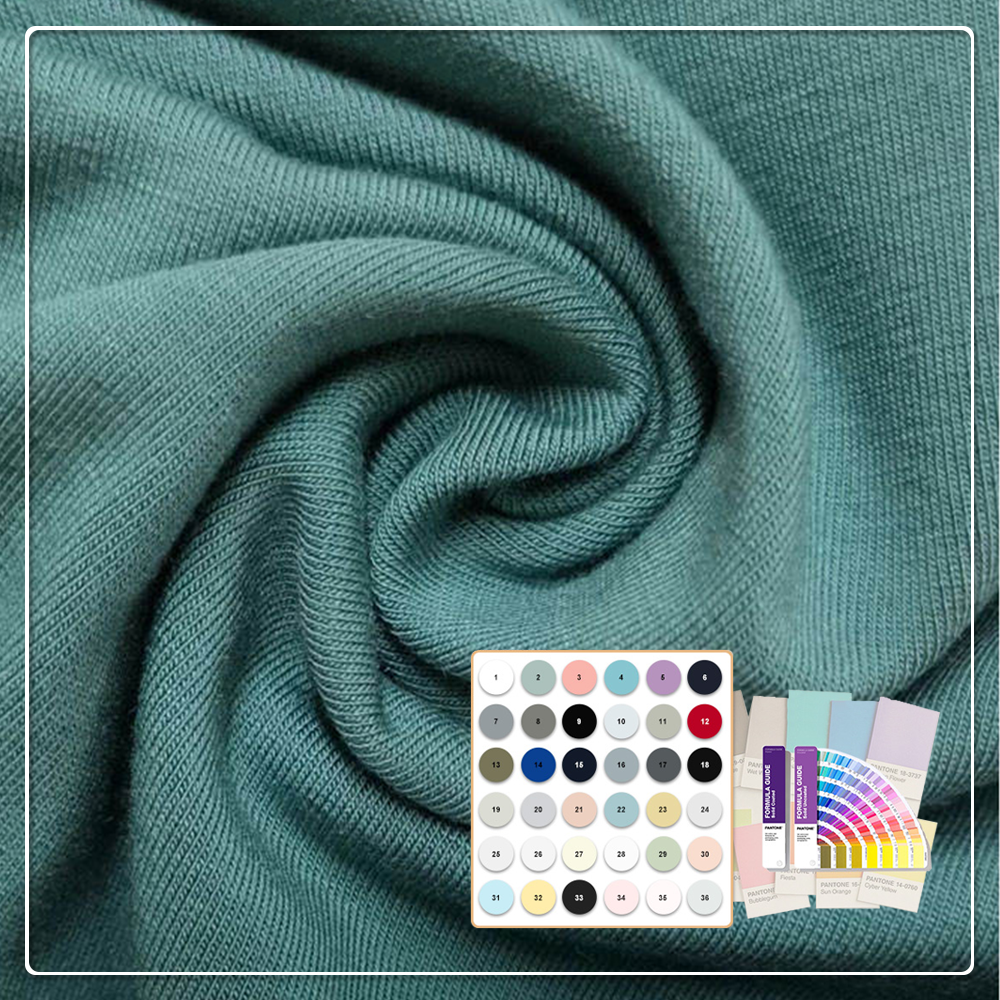
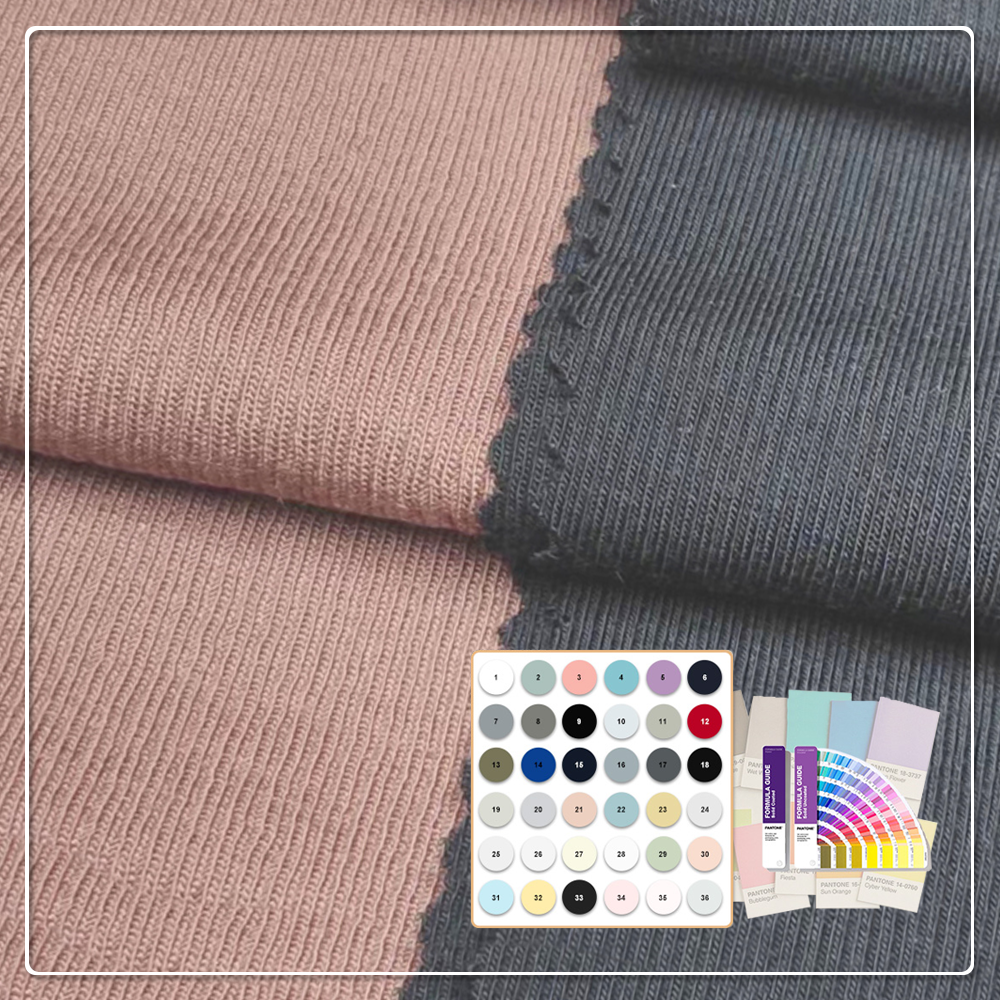
Limited Color Options: Some organic fabrics may have a more limited color palette due to the natural dyeing processes. Discuss your color requirements with suppliers early on and explore options for custom dyeing if necessary. 

Higher Costs: The upfront costs of organic cotton fabrics can be higher than conventional alternatives. To address this, consider the long-term benefits of organic materials, such as improved brand reputation and customer loyalty. An eco-friendly product can often justify a higher retail price. 

Shrinkage and Care Instructions: Organic fabrics may have specific care requirements to prevent shrinkage or damage. Ensure that you receive appropriate care instructions from your supplier, and consider including this information on product labels to guide your customers. 

By proactively addressing these common problems, you can enhance the quality of your products and ensure customer satisfaction. 

Selecting quality organic cotton fabric materials requires careful consideration of specifications, supplier reliability, cost factors, and potential challenges. By following these guidelines, B2B buyers can confidently source eco-friendly organic cotton fabrics that meet their needs and contribute to sustainable manufacturing practices. 

What to Consider When Choosing Organic Fabric Material for Bulk Orders

When selecting organic fabric materials for wholesale orders, it is important to prioritize quality. Start by evaluating the certifications associated with the materials, such as GOTS (Global Organic Textile Standard) and OEKO-TEX. These certifications ensure that the organic fabric materials meet strict environmental and social criteria throughout the manufacturing process.  

Next, consider the material composition and its properties. The organic fabric wholesale is known for its softness and breathability, making it ideal for apparel, while bamboo fabric offers natural moisture-wicking properties, suitable for activewear. Understanding the application of the organic fabric materials will help you make informed decisions regarding its suitability.  

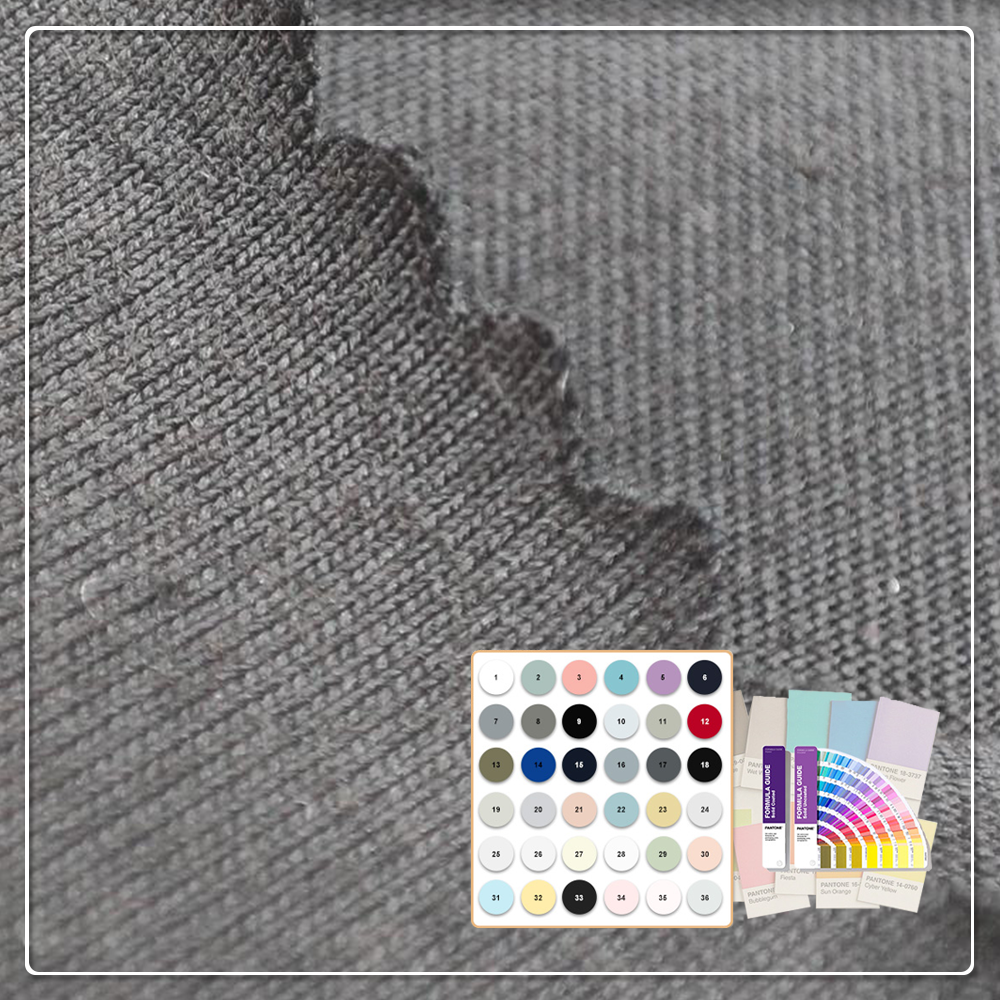
Request samples to assess the organic cotton fabric's texture, weight, and color fastness. This first-hand evaluation is critical, as it allows you to confirm that the organic fabric meets your specifications before placing a bulk order. Additionally, ensure that the supplier can provide documentation on shrinkage rates and color fastness levels, as these specifications can significantly impact product performance.  

Our Blog Posts

Global Top 10 Bamboo Fabric Suppliers: Ecocert Organic Certified Leaders | Ohyeahtex

05

Dec

Global Top 10 Bamboo Fabric Suppliers: Ecocert Organic Certified Leaders | Ohyeahtex

This comprehensive report, based on a meticulous analysis of industry sources, authoritative certifications, production capacity, and global market presence, identifies the world's Top 10 most influential bamboo fiber fabric manufacturers. These ra...
View More
The Science of Bamboo Fabric: Manufacturing, History, and Eco-Impact

14

Jan

The Science of Bamboo Fabric: Manufacturing, History, and Eco-Impact

Eco-Science Briefing Often hailed as the "Queen of Fibers," bamboo fabric merges 1,700 years of Chinese heritage with modern Closed-loop Systems. Known for its "Bamboo Kun" antibacterial agent and a micro-porous structure that absorbs 1.5x more mois...
View More
The Natural Softness Advantage of Tencel Lyocell in Knit Fabrics

29

May

The Natural Softness Advantage of Tencel Lyocell in Knit Fabrics

Consumers look for softness in knitwear above all else. Softness builds trust,encourages comfort,and leaves a positive lasting impression. When compared to all the other sustainable fibers available on the market today,none will offer the same amount...
View More
The Smooth Texture Benefits of Tencel Modal in Apparel Manufacturing

29

May

The Smooth Texture Benefits of Tencel Modal in Apparel Manufacturing

A smooth texture in clothing is a desirable fabric feature today. This add value to a fabric: it is an aesthetically pleasing, comfortable, and a mark of good quality. To produce a consistently smooth fabric texture, one must invest in fibe...
View More

Get a Free Quote

Our representative will contact you soon.
Email
Name
Mobile/WhatsApp
Company Name
Message
0/1000

Get a Free Quote

Our representative will contact you soon.
Email
Name
Mobile/WhatsApp
Company Name
Message
0/1000