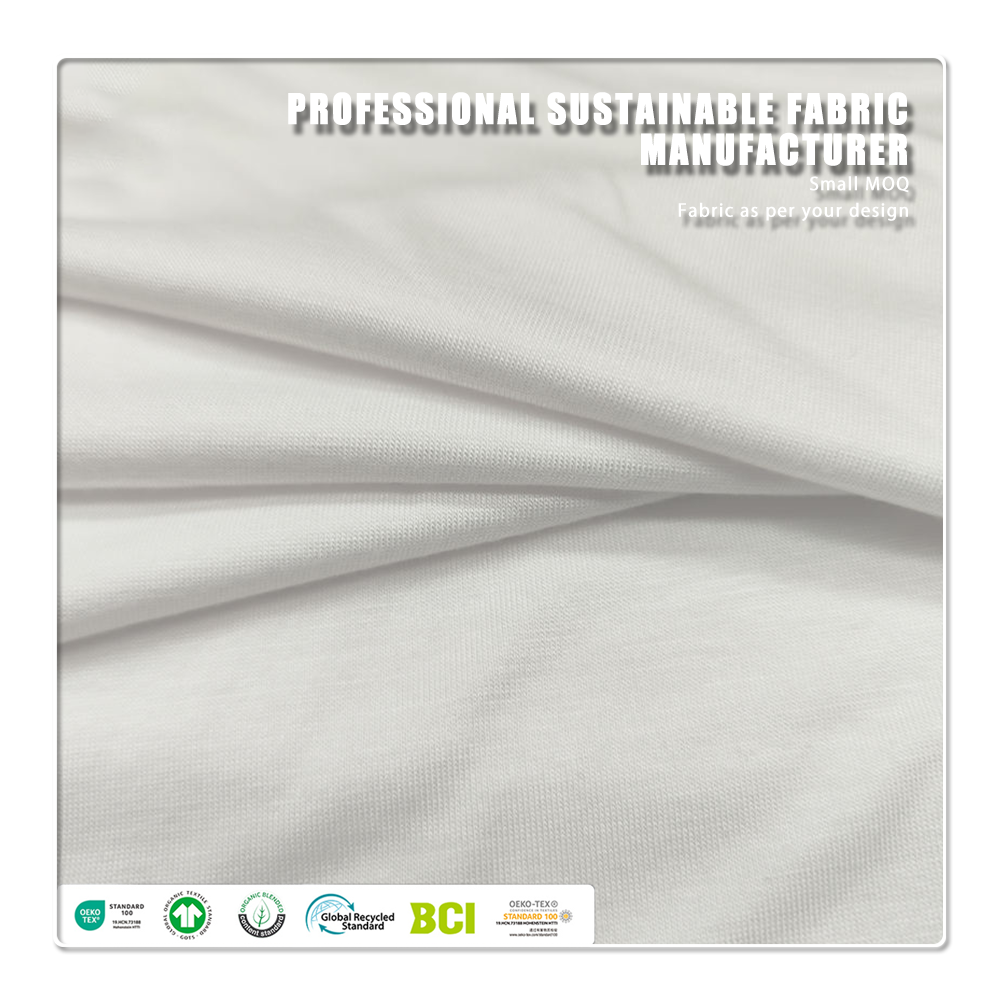
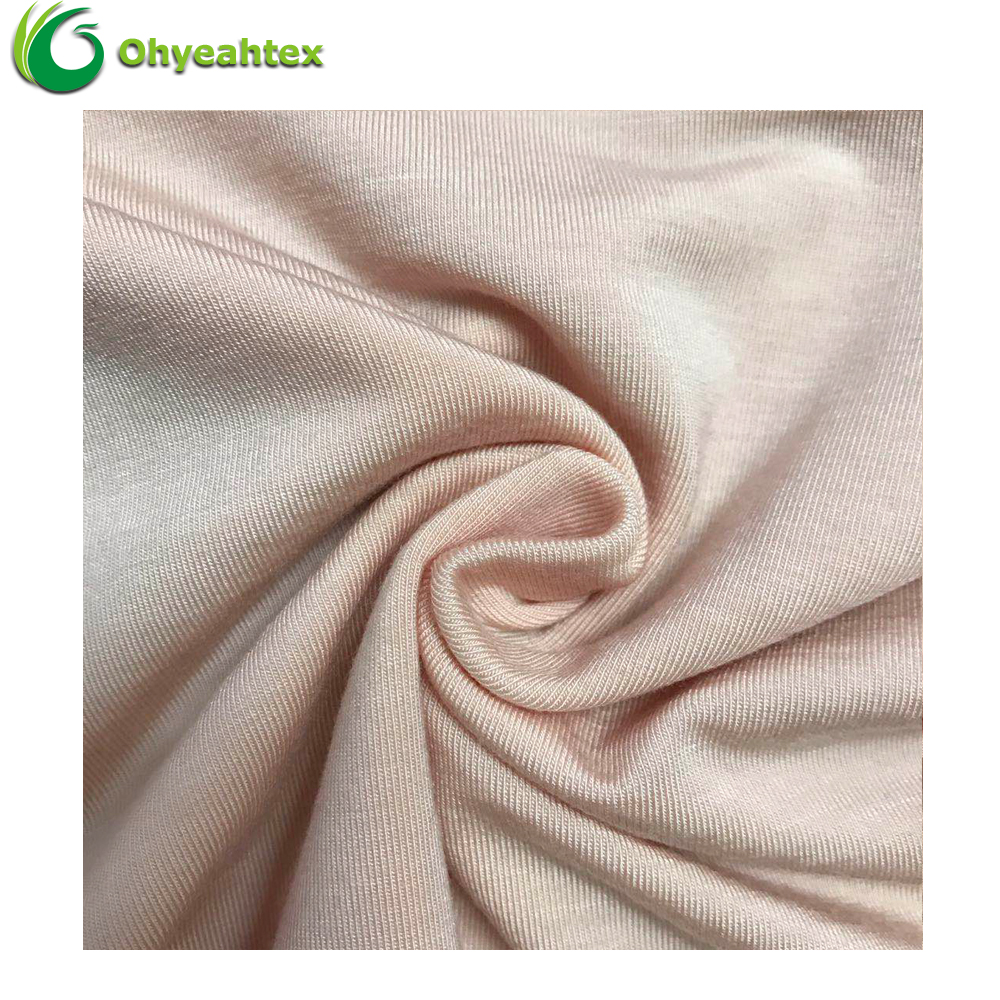
Choosing Quality Patterned Fabrics for Your Projects

Get a Free Quote

Our representative will contact you soon.
Email
Name
Mobile/WhatsApp
Company Name
Message
0/1000

patterned fabrics

Understanding the nuances of patterned fabrics is essential for B2B buyers in various industries, especially those involved in fashion, upholstery, and technical applications. Patterned fabrics can add aesthetic appeal and functionality to products, but selecting the right type can be daunting. This article will provide insights into choosing the best patterned fabrics, cost factors for bulk orders, quality control processes, common sourcing problems, and applications across different sectors, helping buyers make informed decisions.

Comparing Cost Factors for Bulk Orders of Patterned Fabrics

Cost is a significant factor when ordering patterned fabrics in bulk. Key elements influencing the price include material type, pattern complexity, and order volume. Generally, natural fibers like organic cotton may cost more than synthetic options like polyester, but the benefits of sustainability can justify the premium.

Pattern complexity can also affect cost. More intricate designs typically require advanced printing techniques or additional labor, which can increase the price. Buyers should clearly communicate their design specifications to receive accurate quotes.

Another critical aspect is the minimum order quantity (MOQ). Manufacturers often set MOQs to cover production costs. Understanding the MOQ can help buyers plan their budgets effectively and avoid overcommitting to quantities that exceed their needs.

Finally, consider shipping costs and lead times. Bulk orders can sometimes qualify for lower shipping rates, but it’s essential to factor in the total cost to ensure that the purchase remains financially viable.
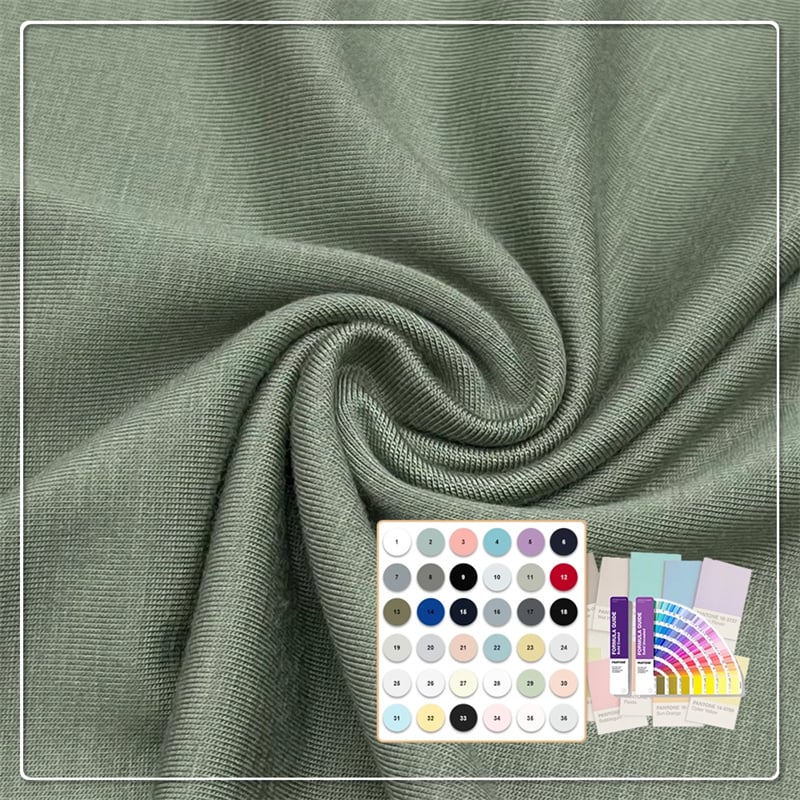
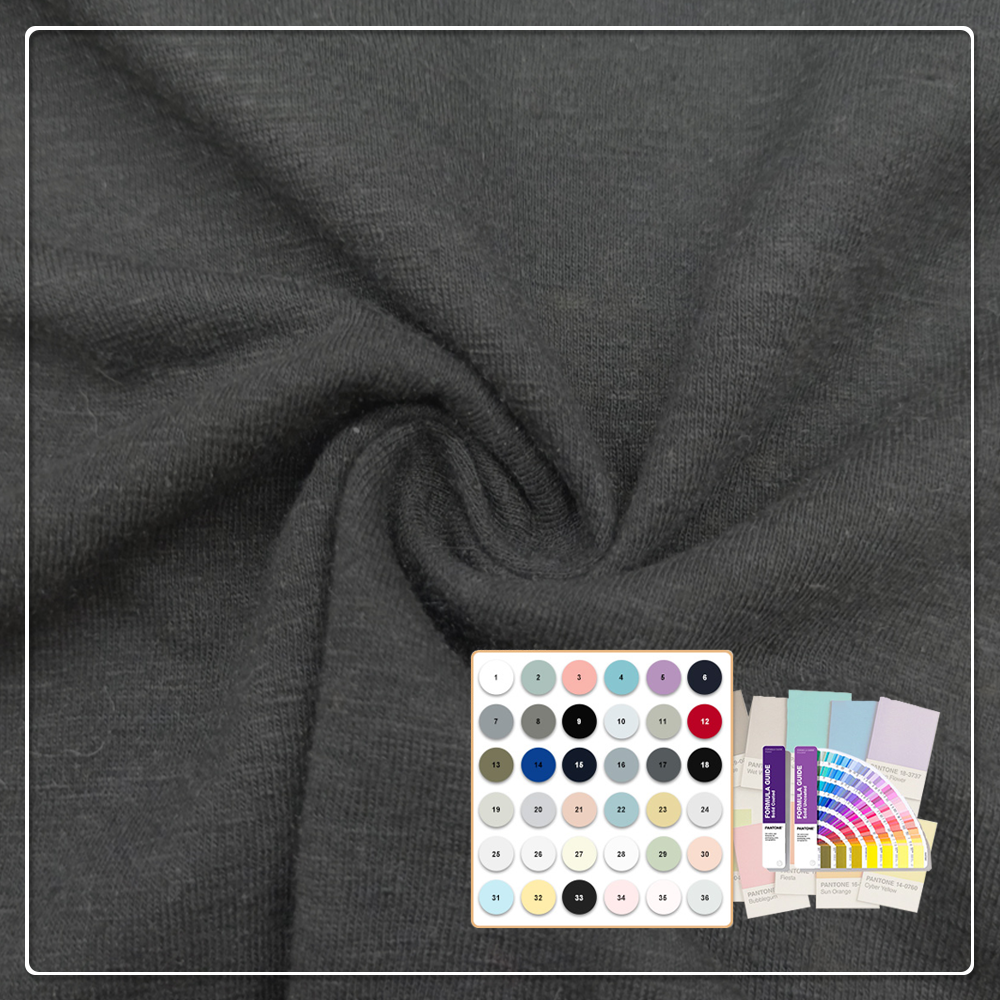
Understanding the Quality Control Process for Our Fabrics

Quality control is paramount in fabric manufacturing. At Shaoxing City Ohyeah Textile Co., Ltd., a rigorous quality control process ensures that every batch meets industry standards. This process typically includes several stages:

Raw Material Inspection: Before production begins, all incoming materials undergo thorough testing for quality and compliance with certifications like OEKO, GOTS, OCS, and GRS. This step is crucial for ensuring sustainability and safety.

In-Process Quality Checks: Throughout the manufacturing process, regular inspections are conducted to monitor fabric quality, including weight, stretch, and pattern alignment. This ongoing evaluation helps catch issues early, reducing waste and rework.

Final Inspection: Finished fabrics are subjected to a final quality assessment, focusing on color fastness, shrinkage, and overall appearance. Buyers can request samples from production runs to verify quality before mass production.

By understanding the quality control measures in place, buyers can make more confident purchasing decisions, knowing they will receive reliable products that meet their specifications.

Common Problems When Sourcing Patterned Fabrics and Solutions

When sourcing patterned fabrics, buyers may encounter several common challenges. One issue is inconsistent quality across different batches. This inconsistency can result from variations in raw materials or manufacturing processes. To mitigate this risk, ensure that your supplier has a robust quality control system in place and request samples from each production run.

Another problem is the mismatch between fabric specifications and actual performance. For example, a fabric that looks perfect on paper may not perform well in real-world applications. Buyers should conduct wear tests under expected conditions before finalizing their orders.

Additionally, communication barriers can lead to misunderstandings regarding design and specifications. To prevent this, provide clear technical drawings and detailed descriptions when placing orders, and maintain open lines of communication with your supplier throughout the process.

Lastly, delays in production or shipping can disrupt timelines. To avoid this, plan orders well in advance and discuss lead times with your supplier to ensure they align with your project schedule.

Applications of Patterned Fabrics in Various Industries

Patterned fabrics find applications across a diverse range of industries, each benefiting from unique characteristics. In fashion, patterned fabrics add visual interest and can significantly influence consumer appeal. Eco-friendly options like bamboo and organic cotton are particularly popular among brands catering to environmentally-conscious consumers.

In the home textiles sector, patterned fabrics are used in upholstery, curtains, and bedding. Fabrics with high durability and low shrinkage are preferred for these applications, as they must withstand regular use and cleaning.

The automotive industry also utilizes patterned fabrics for seating and interior design. Here, the focus is on durability and ease of maintenance, with recycled polyester becoming a favored choice for its robustness and environmental benefits.

In technical applications, patterned fabrics are used in products requiring specific functionalities, such as moisture-wicking properties in activewear or UV protection in outdoor textiles. Buyers should work closely with manufacturers to ensure that the chosen fabric meets the required performance criteria for its intended application.

By understanding the diverse applications of patterned fabrics, B2B buyers can make better-informed decisions that align with their specific needs and industry standards.

How to Choose the Right Patterned Fabrics for Your Projects

Selecting the appropriate patterned fabric involves several considerations. First, identify the end-use of the fabric: will it be used for apparel, home textiles, or industrial applications? Each application has different requirements regarding durability, comfort, and appearance.

Material choice is also crucial. For instance, eco-friendly options like bamboo and organic cotton are gaining popularity due to their sustainability and softness, making them ideal for garments. Conversely, recycled polyester offers durability and moisture-wicking properties, suitable for sportswear or technical applications.

When evaluating patterned fabrics, consider the fabric's weight, stretchability, and color fastness. A fabric with a color fastness rating of level 4-5, like those produced by Shaoxing City Ohyeah Textile Co., Ltd., ensures that colors remain vibrant even after multiple washes. Additionally, shrinkage below 5% is essential for maintaining the integrity of the design after laundering.

Lastly, think about customization options. Many manufacturers, including Ohyeah, offer bespoke services, allowing buyers to create unique patterns tailored to their specific needs.

Our Blog Posts

Sourcing Bamboo Fabric: From Ancient Groves to Modern Comfort

14

Jul

Sourcing Bamboo Fabric: From Ancient Groves to Modern Comfort

Bamboo. A simple word. Yet, it carries millennia of human ingenuity and a silent revolution in modern textiles. It's not just the stuff of panda diets or serene Asian paintings. Bamboo is a story of survival, adaptability, and enduring utility. From ...
View More
How Tencel Modal Fabric Enhances Softness in Everyday Apparel

29

May

How Tencel Modal Fabric Enhances Softness in Everyday Apparel

Everyday clothing is defined by the comfort it provides during daily wear. A soft feeling against the skin is not just desired but necessity,from dawn to dusk. Say goodbye to scratchy,uncomfortable clothes in your e...
View More
What Makes Modal Tencel Material Suitable for Modern Textile Production

13

Oct

What Makes Modal Tencel Material Suitable for Modern Textile Production

In the current competitive modern textile manufacturing world, we want something more than beauty in the end product of our textile. The fabric should be uniform, easy to cut, easy to sew, predictable in use and be environmentally friendly as custome...
View More
Why Tencel Lyocell Fabric Delivers Long Lasting Fabric Performance

13

Oct

Why Tencel Lyocell Fabric Delivers Long Lasting Fabric Performance

Tencel lyocell is an eco-friendly fabric that has become a staple in sustainable fashion. As a leading supplier of eco-friendly knitted fabrics in China, Ohyeah Textile has worked with Tencel lyocell for years—and we've learned that it consiste...
View More

Get a Free Quote

Our representative will contact you soon.
Email
Name
Mobile/WhatsApp
Company Name
Message
0/1000

Get a Free Quote

Our representative will contact you soon.
Email
Name
Mobile/WhatsApp
Company Name
Message
0/1000