Choosing Polyester Moisture Wicking Fabric

Get a Free Quote

Our representative will contact you soon.
Email
Name
Mobile/WhatsApp
Company Name
Message
0/1000

polyester moisture wicking fabric

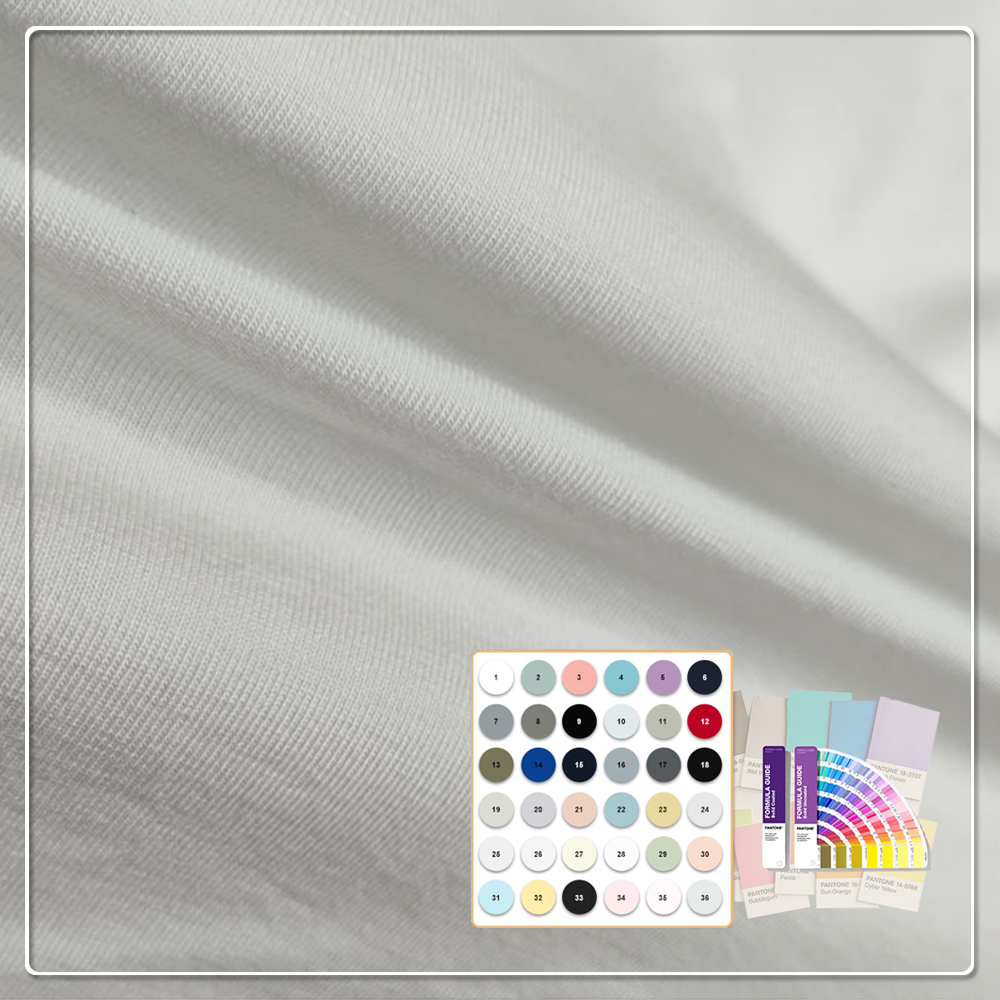
Polyester moisture wicking fabric is an advanced textile designed to manage moisture effectively, making it a popular choice in various applications such as activewear, sports uniforms, and other performance-oriented clothing. For B2B buyers like purchasing managers and product developers, understanding the right specifications, quality markers, and cost factors of this fabric is crucial for making informed procurement decisions. This article will cover essential aspects of polyester moisture wicking fabric to help you evaluate options and select the best fit for your needs.

Key Specifications of Polyester Moisture Wicking Fabric for Buyers

Key specifications to look for when considering polyester moisture wicking fabric include:

Weight: Measured in grams per square meter (GSM), this affects the fabric's thickness and suitability for different climates and activities.Moisture Management: Look for fabrics with a moisture management rating that indicates how well they wick moisture away from the skin.Durability: Assess the fabric's resistance to abrasion and wear, which is essential for high-use applications.Color Fastness: Fabrics should maintain their color even after multiple washes. A color fastness rating of 4-5 is typically acceptable.Shrinkage: Ideally, the fabric should have a shrinkage rate below 5% to ensure stability after washing.Certifications: Certifications like OEKO-TEX, GOTS, and GRS provide assurance regarding the fabric's sustainability and safety. These specifications will help you gauge the fabric's quality and suitability for your specific application.

Evaluating the Quality of Polyester Moisture Wicking Fabric for Projects

To evaluate the quality of polyester moisture wicking fabric, start with a physical inspection. Check for any inconsistencies in texture, color, and finish, as these can indicate manufacturing defects. Request samples to test in actual conditions—this is a crucial step. A fabric that looks good on paper might not perform well in real-world applications. If you are considering alternatives, Tencel Modal is another option that offers a soft feel and excellent moisture management.

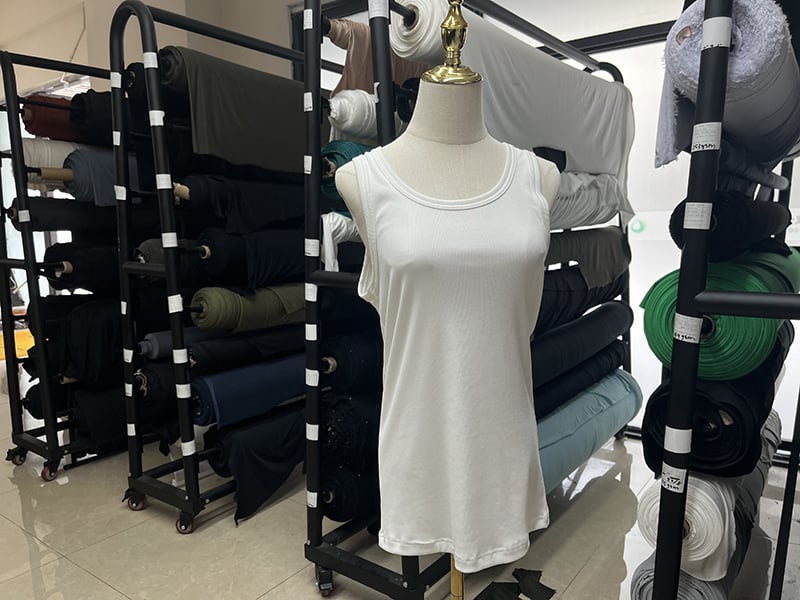
Additionally, inquire about the manufacturing process used by the supplier. A reputable manufacturer will have a robust quality control system in place, ensuring that each batch meets the required specifications. If possible, visit the factory or request information about their production capabilities and equipment. This hands-on experience can provide insights into the fabric's overall quality and consistency.

Cost Factors to Consider When Purchasing Polyester Moisture Wicking Fabric

When budgeting for polyester moisture wicking fabric, several cost factors come into play. These include:

Material Costs: The price of raw materials can fluctuate, impacting the overall cost of the fabric. Recycled polyester may vary in price compared to virgin polyester.Customization: Custom colors, patterns, or finishes can add to the cost. Be clear about your requirements to receive accurate quotes.Minimum Order Quantities (MOQ): Suppliers often have MOQs that can affect pricing. Smaller orders may incur higher per-unit costs.Shipping and Logistics: Factor in transportation costs, especially if you are importing materials. This includes duties and taxes that may apply to your order.Lead Time: Urgent requests may attract higher prices. Plan ahead to avoid expedited shipping fees. Understanding these cost factors will help you effectively manage your budget while ensuring you receive the quality of fabric you need.

Installation Guidance for Polyester Moisture Wicking Fabric Products

When it comes to utilizing polyester moisture wicking fabric in your products, proper installation and handling are crucial for maximizing its performance. Follow these guidelines:

Pre-Production Samples: Always request and test samples before mass production. This allows you to confirm the fabric's performance characteristics and ensure it meets your application requirements.Cutting: Use sharp, clean tools to cut the fabric to avoid frayed edges. Ensure that the cutting method corresponds to the fabric's stretch characteristics to maintain dimensional accuracy.Sewing Techniques: Use the appropriate thread and needle size to accommodate the fabric's weight and stretch. Employ techniques such as serging to prevent fabric fraying during use.Care Instructions: Provide clear care instructions for end-users. Polyester moisture wicking fabrics typically require gentle washing to maintain their properties, so educate customers on proper laundering techniques. Following these installation and handling guidelines will help ensure that your final products perform optimally and meet customer expectations.

With a focus on practical specifications, quality evaluation, cost factors, and installation guidance, you can make informed decisions on polyester moisture wicking fabric that align with your project goals. By understanding these aspects, you can better communicate your needs to suppliers and ensure a successful procurement process.

How to Choose the Right Polyester Moisture Wicking Fabric for Your Needs

When selecting polyester moisture wicking fabric, consider the intended application first. Different textiles may perform better under specific conditions. For instance, if the fabric will be used for athletic wear, look for features such as breathability, stretchability, and durability. Assessing the weight of the fabric is also vital; heavier fabrics may provide more warmth, while lighter ones are better suited for hot climates. Additionally, fabrics made from Organic Cotton Fabric can also be a great alternative for those seeking natural options.

The fabric's moisture-wicking capabilities are determined by its construction and finish. Fabrics that include hydrophilic treatments will draw moisture away from the body more effectively. Furthermore, inquire about the fabric's feel and drape, as these factors affect comfort and performance. Finally, ensure the supplier has adequate customization options to meet your specific design or branding requirements.

Our Blog Posts

The Supply Chain Dynamics of Bamboo Fabric from Manufacturer to Export

14

Oct

The Supply Chain Dynamics of Bamboo Fabric from Manufacturer to Export

Ecofriendly and Organic Bamboo Fabric Source for Wholesale BuyersFor wholesale buyers looking for eco-friendly fabric options, buying bamboo fabric from Ohyeah Textile Co., Ltd. means that support for the environment and ethics are built into the ent...
View More
How to print on bamboo fabric

04

Feb

How to print on bamboo fabric

I am aware that the bamboo fabric is fast gaining popularity in the fashion as well as the home textile business and it has earned an incredible softness, natural sheen and excellent environmental attributes. Shaoxing City Ohyeah Textile Co., Ltd. ha...
View More
What Apparel Manufacturers Expect from Tencel Modal Fabrics

29

May

What Apparel Manufacturers Expect from Tencel Modal Fabrics

Apparel manufacturers act as the bridge between the fiber producers and the consumer brands. Their expectations are tangible, measurable, and very demanding. For Tencel Modal fabrics, what matters to the manufacturer are its performance characteristi...
View More
Tencel Lyocell Material Adds More Value to Sustainable Fashion Lines

13

Oct

Tencel Lyocell Material Adds More Value to Sustainable Fashion Lines

While the fashion world is in the midst of a dramatic revolution for sustainable materials, brands are realizing that eco-friendly fabric is more than just environmentally responsible; it’s a means of adding product value, amplifying brand stat...
View More

Get a Free Quote

Our representative will contact you soon.
Email
Name
Mobile/WhatsApp
Company Name
Message
0/1000

Related product categories

Get a Free Quote

Our representative will contact you soon.
Email
Name
Mobile/WhatsApp
Company Name
Message
0/1000