Choosing the Right Print Fabric for Your Business

Get a Free Quote

Our representative will contact you soon.
Email
Name
Mobile/WhatsApp
Company Name
Message
0/1000

print fabric

When sourcing print fabric, it is essential to understand its qualities and applications, especially for B2B buyers in manufacturing and retail. Print fabric encompasses a variety of textiles that feature designs or patterns printed onto the fabric surface, making it versatile for various uses. Buyers often seek eco-friendly options, such as those made from organic materials or recycled fibers, while also considering durability, quality, and compliance with industry standards. This article will provide valuable insights into choosing the right print fabric for wholesale needs, key specifications, quality assessments, common problems, and its applications across different industries.

Key Specifications to Consider When Sourcing Print Fabric

When sourcing print fabric, paying attention to specific technical specifications is crucial for ensuring performance and quality. Here are some important specifications to keep in mind:

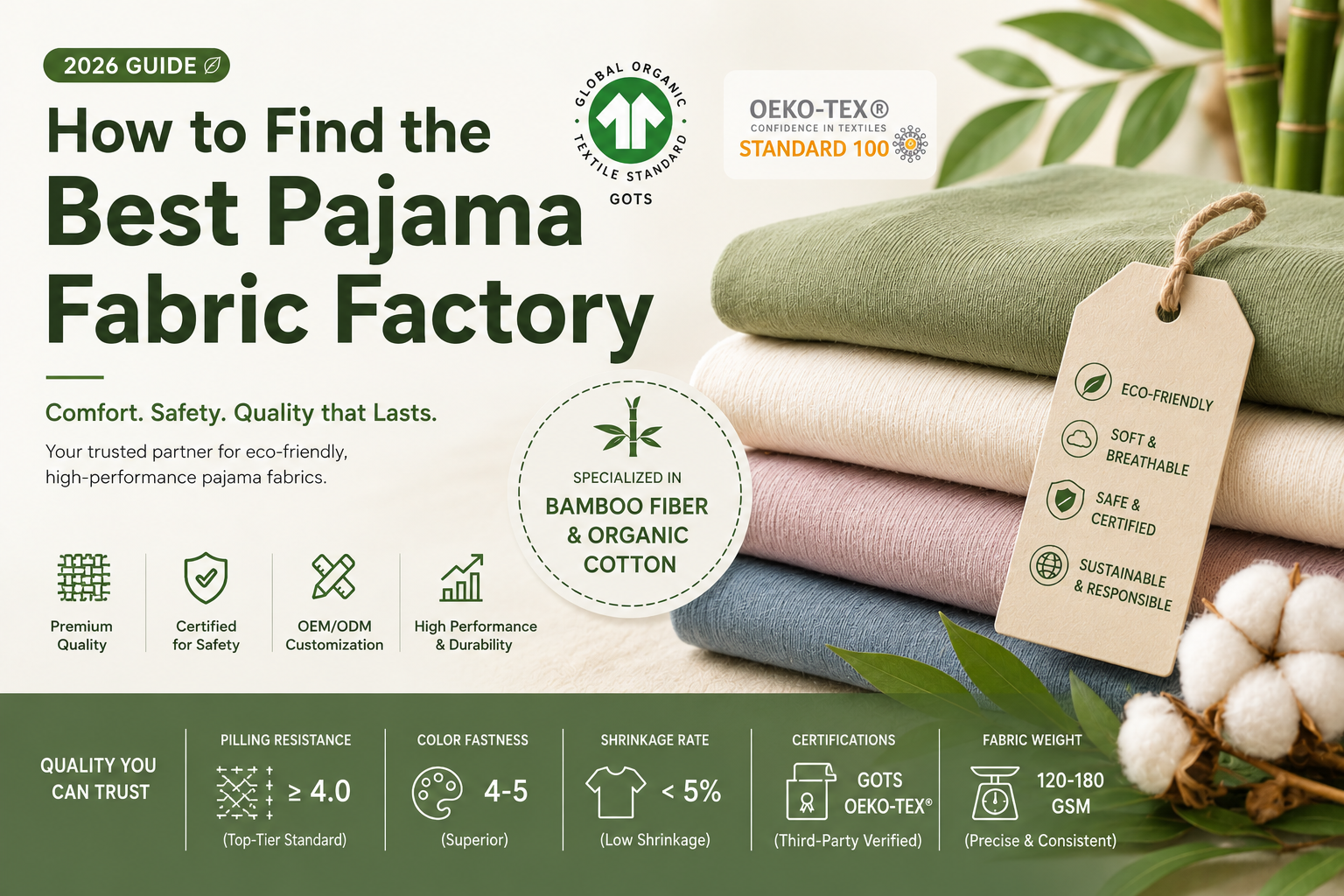
Color Fastness: This measures how well the fabric retains its color over time and with exposure to washing, sunlight, and abrasion. A color fastness rating of level 4-5 is generally acceptable for most applications, ensuring vibrant prints maintain their appearance.

Shrinkage: Understanding the shrinkage rate is vital for ensuring that finished products maintain their intended dimensions. Fabrics with a shrinkage rate below 5% are often preferable, as they minimize alterations during production and after washing.

Fabric Weight and Thickness: The weight of the fabric affects its drape, durability, and suitability for specific applications. Heavier fabrics might be more appropriate for outerwear, while lighter fabrics may be better for summer garments.

Certification Compliance: Ensure that the fabrics meet relevant certifications, such as OEKO-TEX, GOTS, OCS, and GRS. These certifications guarantee that the materials are produced sustainably and are free from harmful substances, providing peace of mind to both manufacturers and consumers.

By focusing on these specifications, buyers can make informed decisions that align with their quality standards and customer expectations.
Evaluating the Quality of Eco-Friendly Print Fabric Options

Eco-friendly print fabric options are increasingly popular, but evaluating their quality requires specific considerations:

Material Integrity: Assess the fabric's texture and durability. Eco-friendly materials, such as organic cotton or recycled polyester, should feel substantial and maintain their integrity after multiple washes. A tactile inspection can help ensure the fabric meets your quality standards.

Print Quality: Review samples to check the vibrancy and clarity of the prints. Eco-friendly inks should not fade easily, and the print should not crack or peel with regular handling. Testing samples in real-world conditions can help identify potential issues before full production.

Sustainability Claims: Verify the supplier’s sustainability claims by reviewing their certifications. A transparent supply chain and adherence to eco-friendly practices can enhance trust and credibility. Ensure the supplier can provide documentation for any claims made.

Performance Testing: Conduct thorough performance tests on the fabric, especially if it will be used for specific applications. Testing for factors like moisture-wicking, breathability, and stretchability can help assess whether the fabric meets the necessary performance criteria.

By applying these evaluation methods, buyers can confidently select high-quality eco-friendly print fabrics that align with their commitment to sustainability.

Common Installation Problems with Print Fabric and Their Solutions

Buyers may encounter various installation issues when working with print fabric. Here are some common problems and their solutions:

Misalignment During Cutting: Misalignment can lead to mismatched patterns and wasted materials. To prevent this, ensure accurate measurements and use cutting templates that account for the print design. Regularly inspect samples during the cutting process to maintain alignment.

Incompatibility with Equipment: Some printing or sewing equipment may not be suitable for certain fabric types. Prior to production, confirm that your machinery is compatible with the selected print fabric’s weight and thickness. Testing on a small scale can help identify potential issues.

Adhesive Issues: When using print fabric for applications like banners or upholstery, adhesive compatibility can be a concern. Choosing the wrong adhesive can lead to peeling or bubbling. Always test adhesives on fabric samples to ensure they provide a strong bond without damaging the print.

Difficulties with Care Instructions: If the fabric requires special care, such as dry cleaning or specific washing temperatures, make sure this information is communicated clearly to end-users. Providing care labels can help prevent mishandling and extend the life of the product.

By proactively addressing these common installation problems, buyers can enhance the final product's quality and durability.

Applications of Print Fabric in Various Industries Explained

Print fabric finds diverse applications across multiple industries, each with unique requirements:

Fashion and Apparel: In the fashion industry, print fabric is essential for creating eye-catching garments. Designers use it for everything from casual wear to formal attire. The choice of eco-friendly materials is increasingly valued for aligning with sustainable fashion trends.

Interior Design: Print fabric plays a vital role in home decor, particularly in upholstery, curtains, and cushions. The fabric must withstand daily wear while also enhancing the aesthetic of the space. Fabrics with vibrant prints can significantly influence interior design trends.

Advertising and Promotions: Businesses often use print fabric for promotional banners, flags, and trade show displays. Durability and color fastness are critical in these applications, as they need to withstand outdoor conditions while maintaining visual appeal.

Medical and Healthcare: In healthcare, printed fabrics are used for scrubs, patient gowns, and linens. The fabric must meet stringent hygiene and durability standards while also being comfortable for patients and healthcare workers alike. For instance, the Eco-Friendly 67% Bamboo Fleece Fabric is a great option for medical applications.

Understanding the specific applications of print fabric can help buyers choose the right materials that meet industry-specific requirements and customer preferences.

How to Choose the Right Print Fabric for Your Wholesale Needs

Selecting the appropriate print fabric for wholesale requires an understanding of the intended application, customer preferences, and performance requirements. Here are some key factors to consider:

Material Selection: Eco-friendly options such as bamboo, organic cotton, and recycled polyester not only appeal to environmentally conscious consumers but also provide unique textures and properties. Evaluate each material's suitability based on its comfort, durability, and sustainability. For example, the Oeko-Tex Certified 69% Bamboo 31% Sorona Single Jersey Fabric is an excellent choice for its anti-bacterial properties and lightweight nature.

Design Requirements: Consider the type of prints that will resonate with your target audience. The fabric should support high-quality printing techniques without compromising the design's integrity. Ensure that the fabric type you choose can achieve the desired print clarity and color vibrancy.

End-Use Applications: Identify how your customers will use the fabric. Whether for apparel, home textiles, or promotional items, different applications will have varying durability and performance needs. For instance, fabrics used in activewear will require moisture-wicking properties and stretchability. Options like Eco-Friendly Stretch Waterproof Fabric are suitable for such applications.

Budget and Minimum Order Quantity (MOQ): Understanding your budget and the supplier's MOQ is critical. Ensure that the pricing aligns with your projected sales volume and that the supplier can meet your demand without compromising on quality.

By carefully evaluating these factors, you can ensure that the print fabric you choose aligns with both your business goals and your customers' expectations.

Our Blog Posts

Top Pajama Fabric Factory Recommendation Guide 2026: Sourcing the Best Materials

08

May

Top Pajama Fabric Factory Recommendation Guide 2026: Sourcing the Best Materials

Executive Summary: How to Find the Best Pajama Fabric Factory Finding a top pajama fabric factory means looking for more than just a low price. The best factories focus on three things: comfort, safety, and quality that lasts. According to the latest...
View More
Modal Tencel Material Opens New Opportunities for Textile Brands

13

Oct

Modal Tencel Material Opens New Opportunities for Textile Brands

The textile market is changing rapidly, and innovative, open minded brands are emerging. In recent years, the eco-friendly fiber trend has gained momentum. The combination of Modal and Tencel has given birth to so called modal tencel material, this n...
View More
The Premium Touch of Tencel Modal Fabric in Fashion Manufacturing

13

Oct

The Premium Touch of Tencel Modal Fabric in Fashion Manufacturing

As fashion manufacturers compete in crowded and discerning marketplace, fibers we use are directly intertwined with how our customers experience our brands and connect with our products. Tencel Modal fabric, with its plush hand-feel, sustainability f...
View More
The Rising Popularity of Modal Tencel Material in Global Apparel

13

Oct

The Rising Popularity of Modal Tencel Material in Global Apparel

A remarkable transformation is underway across the global apparel and fashion industry. The rise of comfort and proven sustainability is catching on with fashion designers, buyers and consumers, all across the planet. Driving the wave of sustainable,...
View More

Get a Free Quote

Our representative will contact you soon.
Email
Name
Mobile/WhatsApp
Company Name
Message
0/1000

Get a Free Quote

Our representative will contact you soon.
Email
Name
Mobile/WhatsApp
Company Name
Message
0/1000