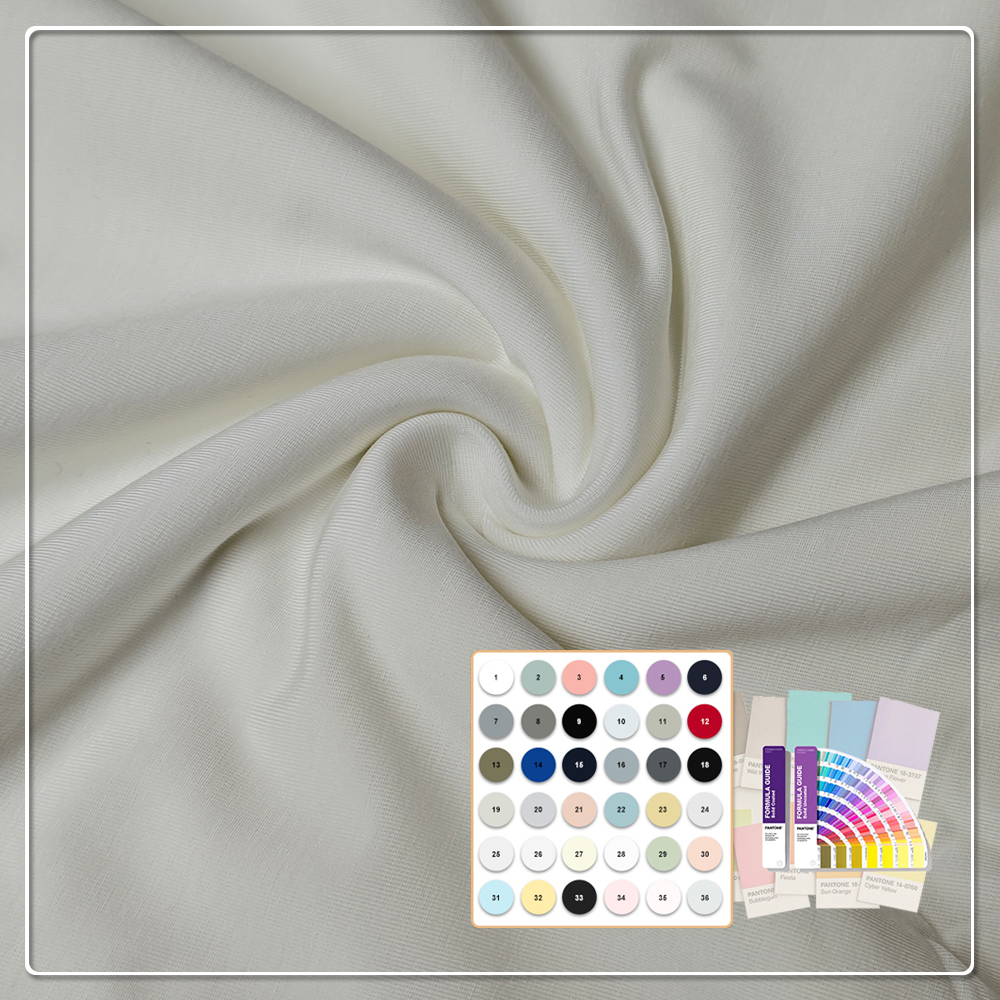
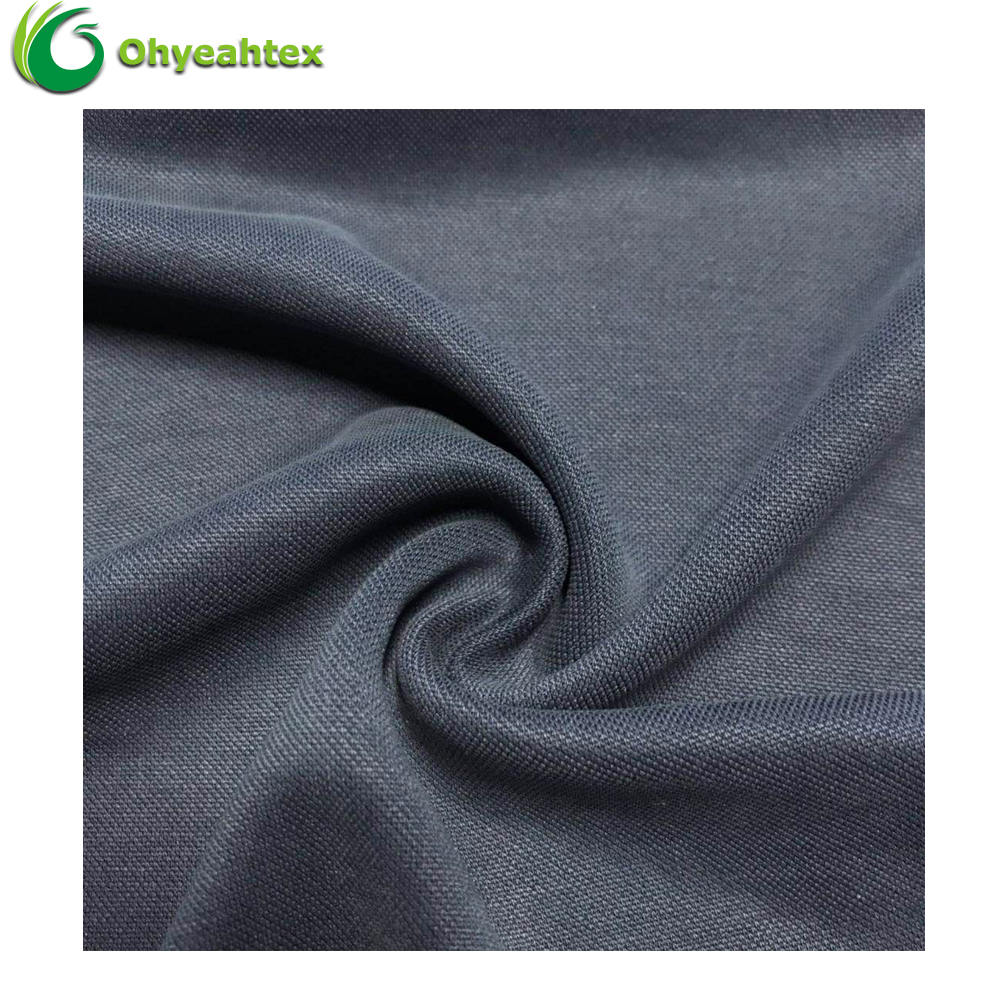
Choosing Print Fabric Cotton for Bulk Orders

Get a Free Quote

Our representative will contact you soon.
Email
Name
Mobile/WhatsApp
Company Name
Message
0/1000

print fabric cotton

When sourcing print fabric cotton for commercial applications, buyers are often faced with various factors that influence their purchasing decisions. Print fabric cotton is a versatile material used in a range of products, from apparel to home textiles. As a B2B buyer, understanding the nuances of this fabric—including its specifications, cost implications, quality control, and environmental impact—can significantly enhance your procurement process. This article will delve into essential considerations for bulk orders, cost factors, common challenges, installation guidance, and the benefits of eco-friendly options.

Cost Factors to Consider When Buying Print Fabric Cotton in Bulk

Cost is a critical consideration when purchasing print fabric cotton in bulk. Several elements contribute to the overall cost, including material selection, production methods, and order quantity. Organic cotton, for example, often comes at a higher price due to its eco-friendly cultivation processes, but it may appeal to brands targeting sustainability. Fabrics like Eco-Friendly Stretch Waterproof Anti-Static Fabric are also worth considering for their durability and performance.

Production methods also affect pricing. Fabrics made using advanced knitting techniques may incur higher upfront costs but can offer better durability and performance in the long run.

Moreover, the minimum order quantity (MOQ) can significantly influence costs. Ensure to discuss MOQs with suppliers, as these may vary based on customization requirements and specific fabrics. Lastly, consider additional costs such as shipping, import tariffs, and storage, which may impact your budget.
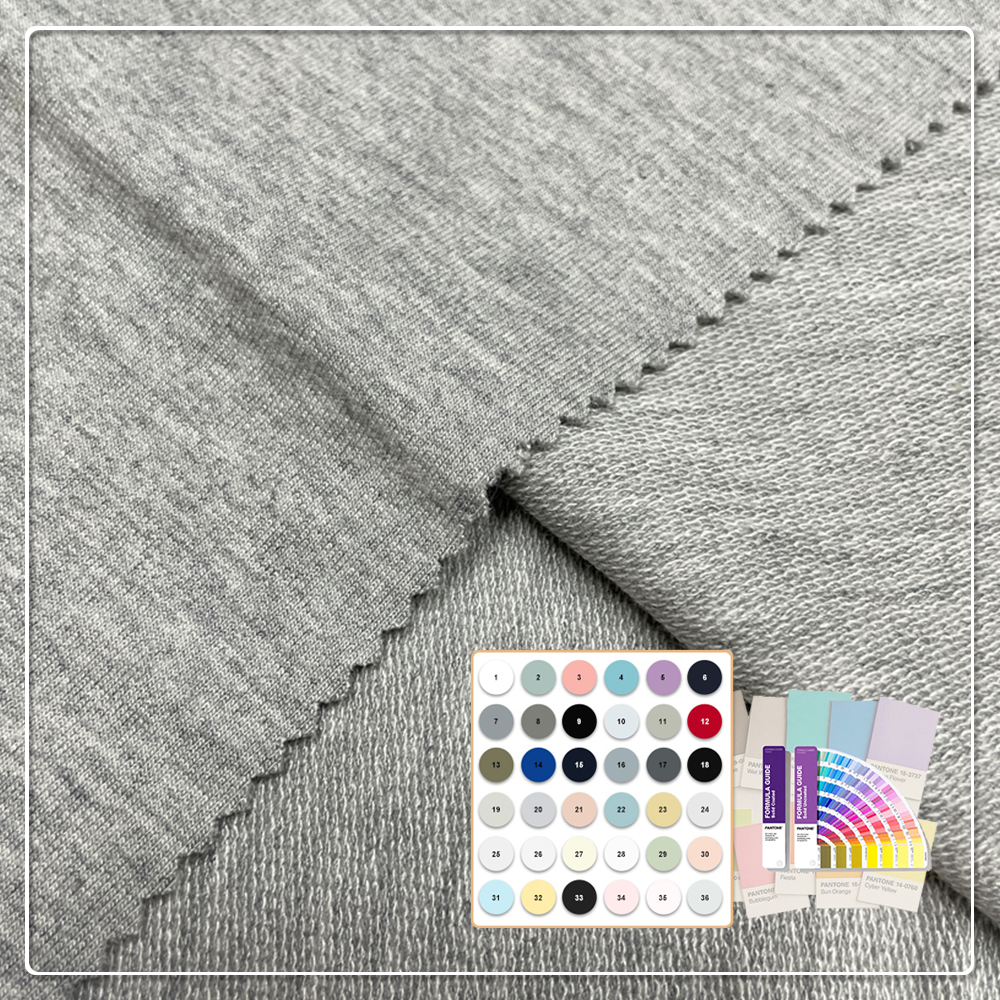
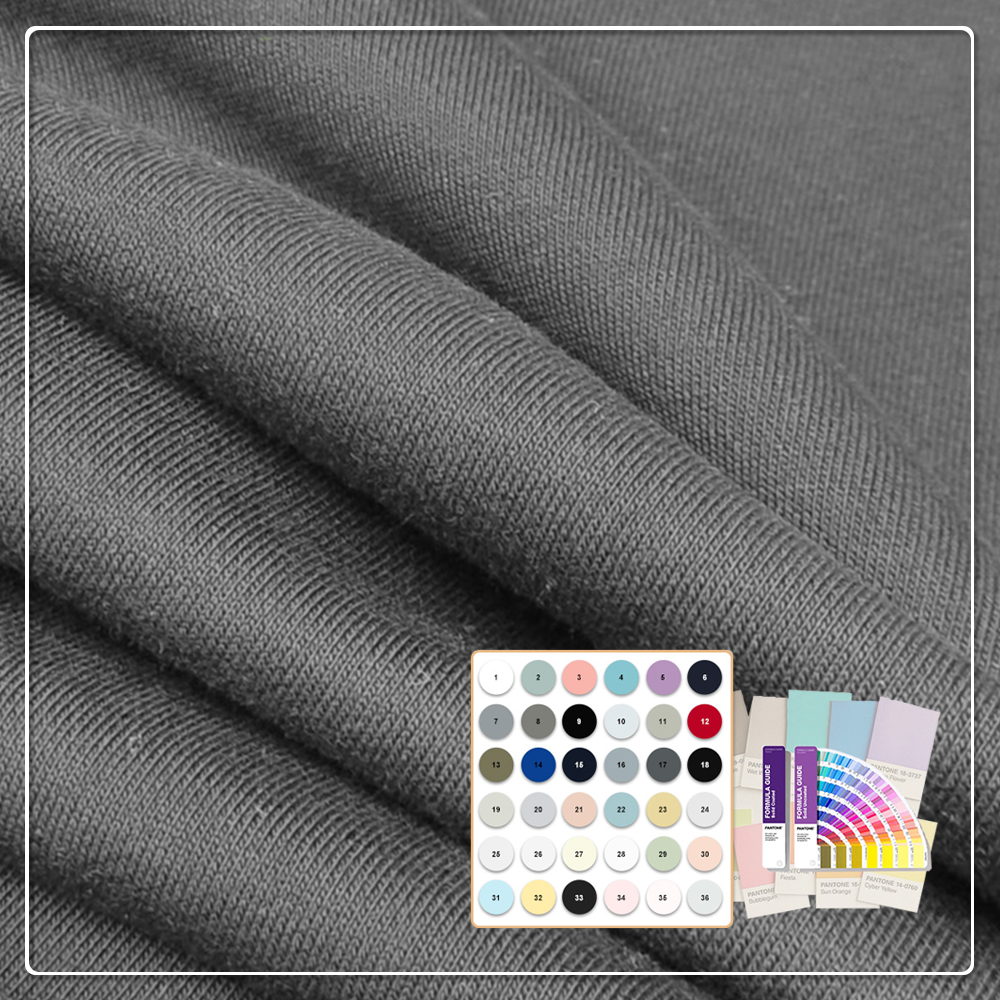
Common Problems with Print Fabric Cotton and Effective Solutions

While print fabric cotton is widely appreciated for its versatility, buyers can encounter some common issues. One frequent problem is color fading after washing. To mitigate this, always check the fabric's color fastness rating and request a sample to test its performance under real washing conditions before committing to a bulk order.

Another issue is shrinkage, which can lead to inconsistencies in finished products. Choosing a supplier that provides fabrics with certified shrinkage rates, like those guaranteed by OEKO or GOTS certifications, can help ensure you receive high-quality materials.

Lastly, be aware of potential defects in the fabric, such as uneven printing or weak spots. Implementing a thorough quality inspection process, including random sampling during production, can help catch these issues early. This proactive approach is essential in maintaining product quality, especially for brands committed to excellence.

Installation Guidance for Print Fabric Cotton in Various Projects

The installation process for print fabric cotton can vary depending on the application, whether it be for garments, upholstery, or industrial uses. For clothing manufacturing, ensure that patterns are carefully aligned to avoid misprints that can affect the final garment appearance.

For upholstery applications, it's crucial to consider the fabric's stretch characteristics. Pre-washing the fabric can help identify any shrinkage issues and aid in accurate cutting and sewing. When installing fabric in a commercial setting, confirm that the fabric is compatible with the intended use, particularly if it will be exposed to high wear or environmental stress.

Moreover, ensure that installation processes, such as stitching and finishing, are adapted to the fabric's properties. Using the right type of thread and sewing techniques will enhance durability and appearance. For best results, engage with your supplier to discuss best practices tailored to your specific project requirements.

Benefits of Eco-Friendly Print Fabric Cotton for Sustainable Sourcing

The demand for eco-friendly materials continues to rise, making eco-friendly print fabric cotton an attractive option for many businesses. Sourcing organic or recycled cotton not only supports sustainability but also enhances brand reputation among environmentally conscious consumers. Eco-friendly fabrics often involve less harmful chemicals during production, making them safer for both workers and the environment.

Using certified materials, such as those with GOTS or OCS certifications, ensures compliance with stringent ecological standards. This not only demonstrates a commitment to sustainable practices but also opens up new market opportunities as consumers increasingly seek out sustainable products.

Moreover, eco-friendly print fabric cotton can provide competitive differentiation. Brands that prioritize sustainability in their sourcing practices can attract a loyal customer base, potentially leading to increased sales and long-term partnerships. By aligning your fabric choices with your company's values, you can contribute to a more sustainable future while enhancing your business's market position.

Understanding the nuances of print fabric cotton—from selection criteria to cost implications and sustainability—will empower B2B buyers to make informed decisions. By considering these factors, you can ensure that you source high-quality materials that meet your operational needs and align with your brand's values.

What to Consider When Choosing Print Fabric Cotton for Bulk Orders

When selecting print fabric cotton for bulk orders, several key factors need attention. First, assess the fabric's weight and thickness, which influence its suitability for various applications. Heavier fabrics may be necessary for durable items like upholstery, while lighter options are ideal for apparel.

Next, consider the print quality, which is often determined by color fastness, shrinkage rates, and the fabric's ability to hold prints during washing and wear. For instance, at Shaoxing City Ohyeah Textile Co., Ltd., our print fabric cotton has a color fastness rating of level 4-5 and shrinkage below 5%, ensuring consistent quality across large orders. Additionally, we offer Oeko-Tex Certified 69% Bamboo 31% Sorona Single Jersey Fabric that meets high standards for quality and safety.

Additionally, evaluate your specific application needs. Different industries may require specific attributes, such as increased breathability for clothing or added durability for industrial use. Furthermore, confirm customization capabilities, like print design and pattern variations, to meet your branding requirements effectively.

Our Blog Posts

How bamboo fabric is made

04

Feb

How bamboo fabric is made

I am aware that bamboo fabric has swept the textile industry with its smooth touch, the technological breathing quality and some amazing eco-factors. In Shaoxing city Ohyeah Textile Co., Ltd. a registered producer of high quality bamboo fabrics we do...
View More
The Growing Demand for Tencel Modal in Global Knit Fabric Markets

29

May

The Growing Demand for Tencel Modal in Global Knit Fabric Markets

Consumers,brands,and retailers are moving away from conventional fibers toward fibers which offer both performance and sustainability. Of many options,the growth in demand for Tencel Modal has been particularly strong. Shaoxing City Ohyeah Texti...
View More
How Tencel Lyocell Fabric Supports Premium Apparel Manufacturing

13

Oct

How Tencel Lyocell Fabric Supports Premium Apparel Manufacturing

If there is one thing that separates mediocre and exceptional clothes, it is the type of fabric. As manufacturers strive to produce clothing that epitomizes luxurious and resilient designs that are also ethically sourced, Tencel lyocell fabric has qu...
View More
Why Modal Tencel Material Is Popular Among Textile Wholesalers

13

Oct

Why Modal Tencel Material Is Popular Among Textile Wholesalers

When we engage in wholesale of textiles in a dynamic and demanding environment like the one we live in, the supply is of key relevance. We need products that satisfy, more than anything else, fundamental elements, quality, price and demand on the mar...
View More

Get a Free Quote

Our representative will contact you soon.
Email
Name
Mobile/WhatsApp
Company Name
Message
0/1000

Get a Free Quote

Our representative will contact you soon.
Email
Name
Mobile/WhatsApp
Company Name
Message
0/1000