Sourcing Printed Cotton Dress Material: Key Insights

Get a Free Quote

Our representative will contact you soon.
Email
Name
Mobile/WhatsApp
Company Name
Message
0/1000

printed cotton dress material

Printed cotton dress material is a popular choice in the textile industry due to its versatility, comfort, and eco-friendliness. As buyers in the B2B sector, such as purchasing managers and distributors, search for quality fabrics, understanding the specifications and sourcing practices for printed cotton dress material becomes essential. This article aims to address critical aspects of sourcing this fabric, including key specifications, finding reliable suppliers, cost considerations, common challenges, and effective installation guidance.

Where to Find Reliable Suppliers of Printed Cotton Dress Material

Finding reliable suppliers for printed cotton dress material involves a strategic approach. Start by researching manufacturers with a solid track record in the textile industry. Look for companies that specialize in eco-friendly fabrics and possess relevant certifications like OEKO, GOTS, and GRS, as these demonstrate a commitment to sustainable practices.

Online marketplaces and trade fairs can also be useful for discovering potential suppliers. Engaging with industry-specific platforms allows you to view product catalogs, compare offerings, and read customer reviews. Additionally, consider reaching out to industry associations or networks that focus on textiles and sustainable manufacturing; they can provide recommendations for trusted suppliers.

When evaluating suppliers, request samples of their printed cotton fabrics to assess quality firsthand. This will help you evaluate not only the fabric's appearance and feel but also its durability and performance in real-world applications.
Cost Factors to Consider for Bulk Orders of Printed Cotton Fabrics

When planning to place bulk orders for printed cotton fabrics, several cost factors must be taken into account. The base price per meter of fabric is influenced by the type of cotton, the intricacy of the print, and the quantity ordered. Generally, higher quantities can yield lower per-meter costs, but this will vary by supplier.

Shipping costs should also be considered, especially if you're importing from international suppliers. These costs can significantly impact your overall budget, so it's advisable to request quotes that include shipping estimates. Additionally, factor in potential customization fees if you require specific prints or colorways that the supplier does not typically offer. Ensure that you understand the minimum order quantities (MOQ) set by the supplier, as this can affect the feasibility of your order size.

Lastly, keep in mind the lead time for production and delivery. Longer lead times may require you to place orders well in advance, which can impact your production schedule and inventory management.

Common Problems with Printed Cotton Dress Material and Their Solutions

While printed cotton dress material offers numerous benefits, several common problems can arise during sourcing and production. One frequent issue is color fading, which can occur if the printing process does not utilize high-quality inks or proper techniques. To mitigate this risk, ensure that your supplier employs reliable printing methods and test the fabric under various washing conditions before mass production.

Another challenge is inconsistent quality across batches, which can lead to discrepancies in the final product. To address this, implement a robust quality control process that involves inspecting each batch of fabric upon arrival and conducting tests for color fastness and shrinkage.

Fabric pilling is also a concern, especially for knitted cotton. Selecting a fabric with appropriate fiber length and twist can help reduce this issue. It is advisable to communicate with the supplier about your requirements for durability and performance to ensure that the fabric meets your expectations.

Installation Guidance for Using Printed Cotton Dress Material Effectively

To ensure the effective use of printed cotton dress material, proper installation techniques are essential. First, be mindful of the cutting process; always follow the grain of the fabric to prevent distortion during sewing. Using sharp scissors or rotary cutters will help achieve clean edges, minimizing fraying.

Next, consider the sewing techniques that will best suit the fabric. For printed cotton, a straight stitch or a zigzag stitch is typically recommended to maintain the integrity of the fabric while allowing for some stretch. Reinforcing seams with a serger can further enhance durability, especially in areas subject to stress.

Finally, pay attention to the finishing techniques. Pre-washing the fabric before cutting can help reduce shrinkage and remove any residual chemicals from the manufacturing process. Additionally, consider using a pressing cloth when ironing the fabric to avoid damaging the print. Using high-quality materials like Tencel Modal can also contribute to the overall quality of the final product.

By following these guidelines and being aware of potential challenges, you can maximize the benefits of printed cotton dress material, ensuring that your final products are of the highest quality and appeal to your target market.

Key Specifications to Evaluate When Sourcing Printed Cotton Fabrics

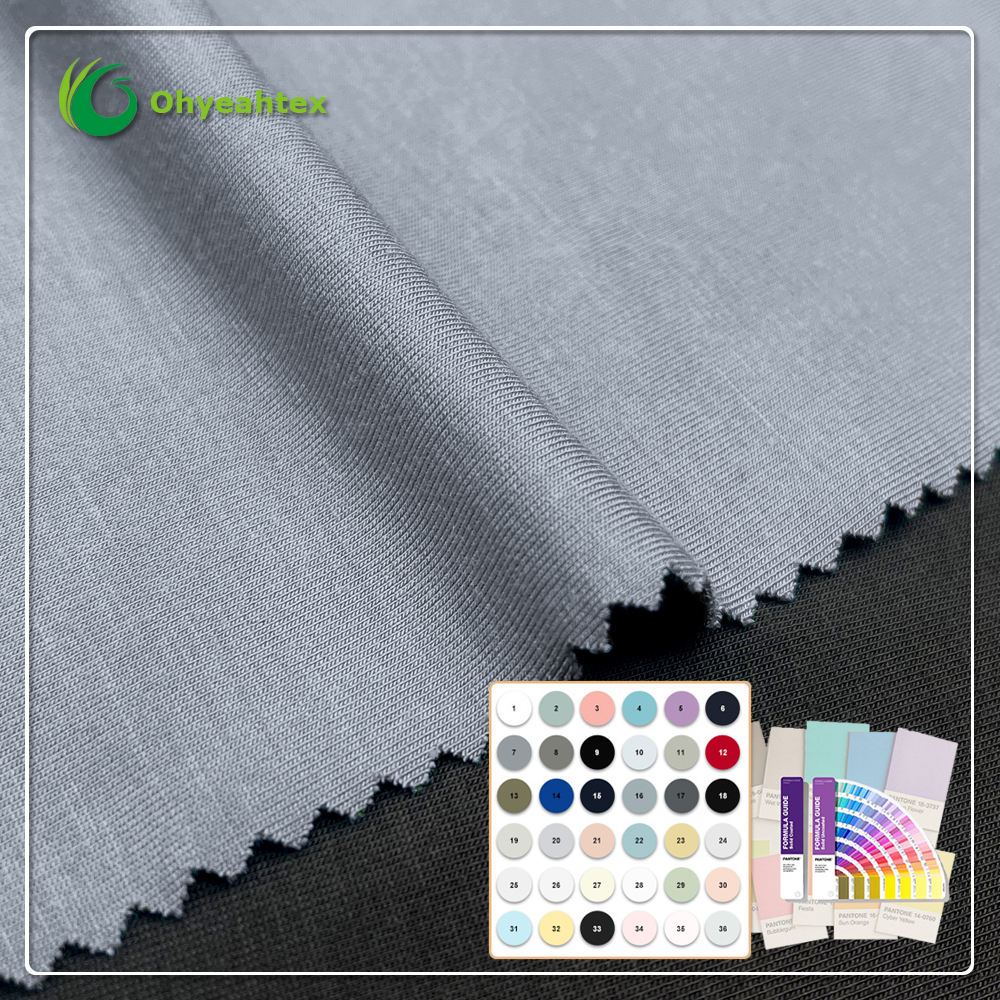
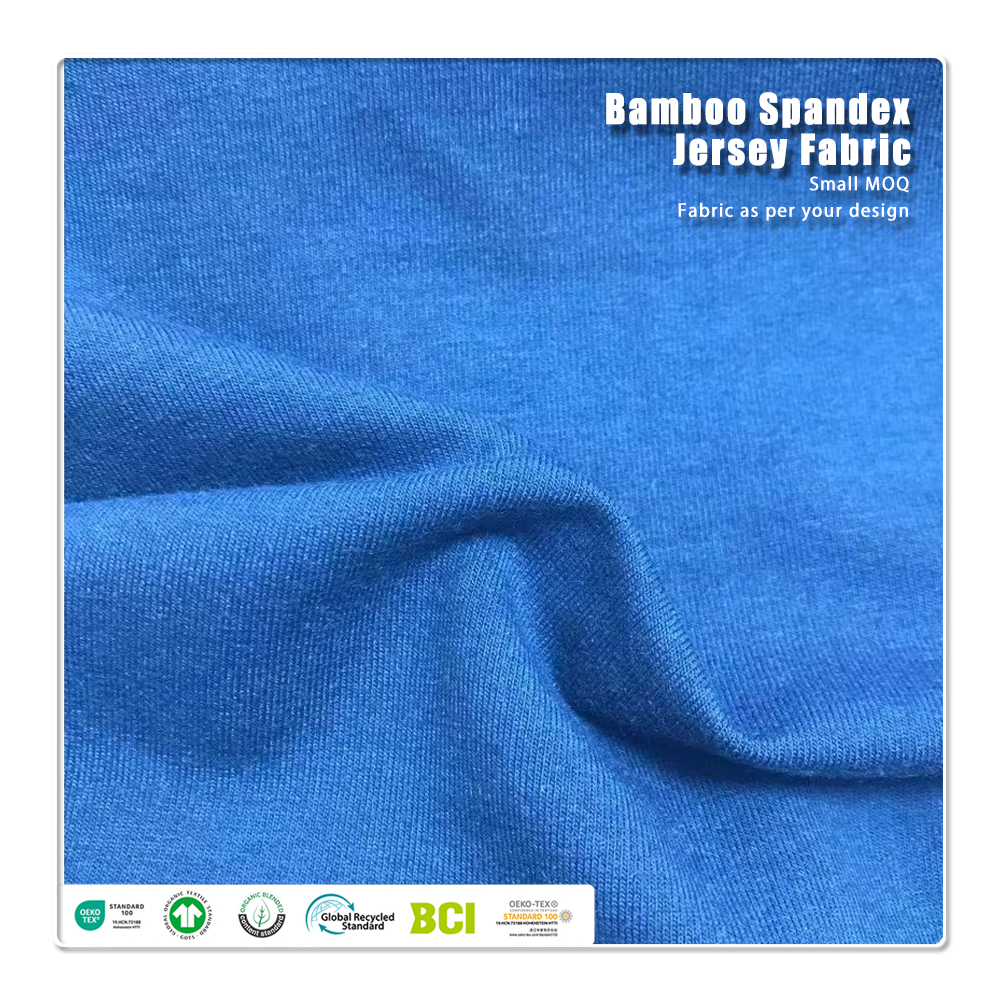
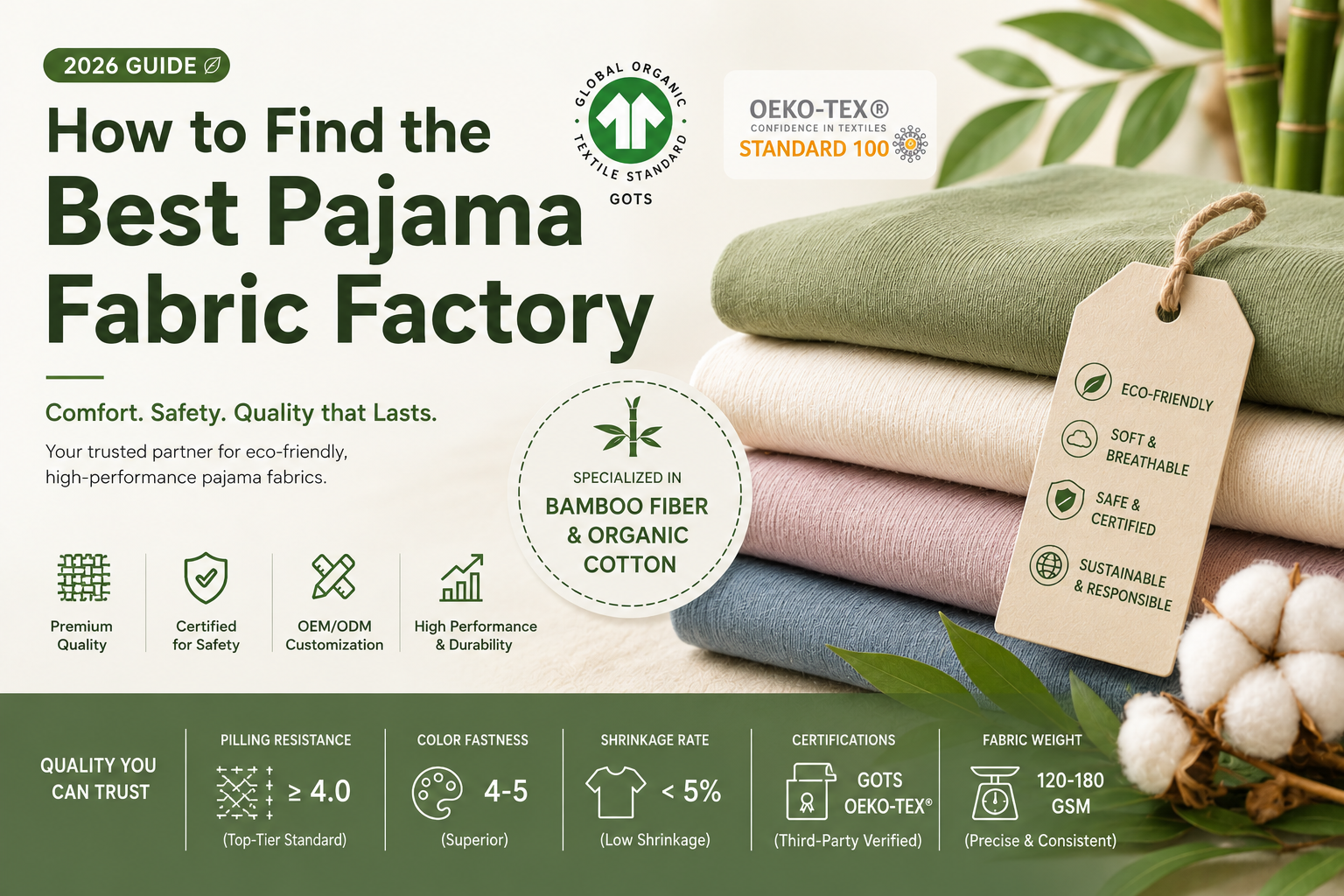
When sourcing printed cotton fabrics, several key specifications should be carefully evaluated to ensure that the material meets your needs. First and foremost, fabric composition is crucial. Look for materials that combine cotton with eco-friendly blends, such as organic cotton fabric, to enhance sustainability. The weight of the fabric, typically measured in grams per square meter (GSM), is another important specification, as it affects the fabric's drape and durability.

Color fastness is also a vital consideration, especially for printed fabrics. A color fastness rating of level 4-5 indicates that the fabric will maintain its color through multiple washes, which is essential for maintaining the appearance of finished garments. Additionally, check the shrinkage rate; a rate below 5% is ideal, ensuring that the fabric retains its shape after washing.

Finally, consider the certifications associated with the fabric. Certifications such as OEKO-TEX, GOTS, and OCS indicate that the fabric has been tested for harmful substances and meets high environmental and social standards. These certifications not only enhance product credibility but also appeal to eco-conscious consumers.

Our Blog Posts

Top Pajama Fabric Factory Recommendation Guide 2026: Sourcing the Best Materials

08

May

Top Pajama Fabric Factory Recommendation Guide 2026: Sourcing the Best Materials

Executive Summary: How to Find the Best Pajama Fabric Factory Finding a top pajama fabric factory means looking for more than just a low price. The best factories focus on three things: comfort, safety, and quality that lasts. According to the latest...
View More
What Apparel Manufacturers Expect from Tencel Modal Fabrics

29

May

What Apparel Manufacturers Expect from Tencel Modal Fabrics

Apparel manufacturers act as the bridge between the fiber producers and the consumer brands. Their expectations are tangible, measurable, and very demanding. For Tencel Modal fabrics, what matters to the manufacturer are its performance characteristi...
View More
Bio-Based Fabric: The Complete Buyer's Guide

13

Oct

Bio-Based Fabric: The Complete Buyer's Guide

A practical sourcing manual for brands, importers, and product developers Reference manufacturer example: Shaoxing City Ohyeah Textile Co., Ltd., eco-friendly fabric specialist (bamboo, organic cotton, rayon, Lenzing™ Modal, TENCEL™ Lyoc...
View More
Why Tencel Lyocell is Perfect for Sensitive Skin Collections

13

Oct

Why Tencel Lyocell is Perfect for Sensitive Skin Collections

Delicate skin renders simple clothing a choice that is carefully chosen by millions of customers throughout the globe. Adults and children with eczema, psoriasis, contact dermatitis, or general skin sensitivity require textiles that not only provide ...
View More

Get a Free Quote

Our representative will contact you soon.
Email
Name
Mobile/WhatsApp
Company Name
Message
0/1000

Related product categories

Get a Free Quote

Our representative will contact you soon.
Email
Name
Mobile/WhatsApp
Company Name
Message
0/1000