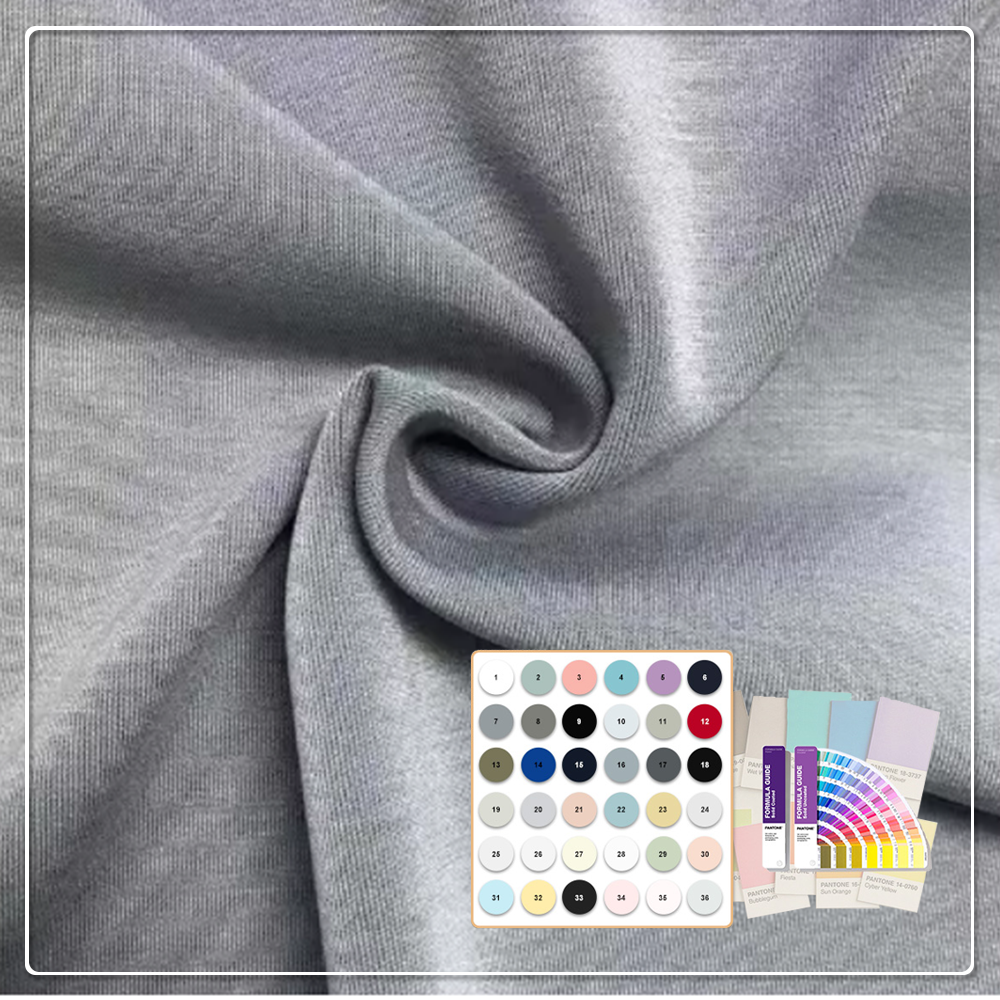
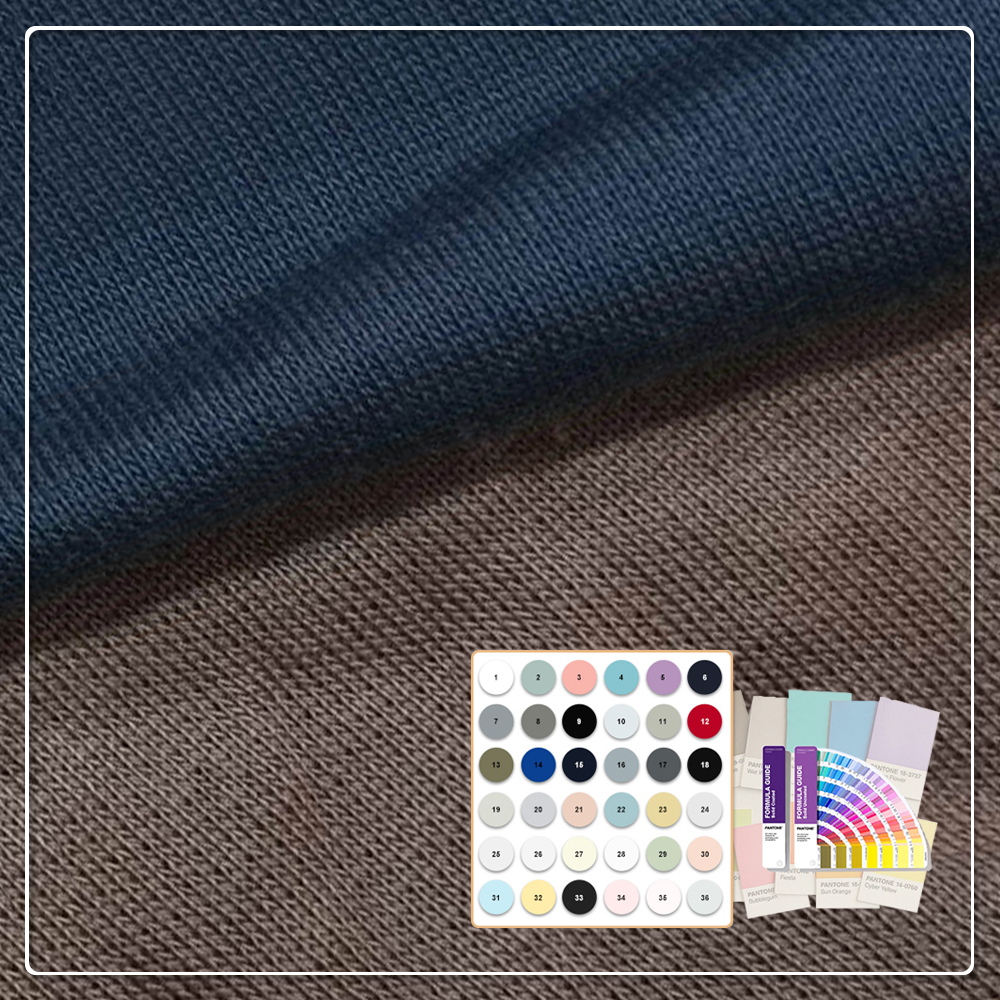
Printing on Linen Fabric: Key Considerations

Get a Free Quote

Our representative will contact you soon.
Email
Name
Mobile/WhatsApp
Company Name
Message
0/1000

Printing on linen fabric

Printing on linen fabric offers a unique and eco-friendly solution for various applications, especially in the textile industry. For B2B buyers, such as purchasing managers and product managers, understanding the nuances of linen fabric, including its compatibility with printing techniques, material specifications, and sourcing options, is crucial. This article will delve into key factors to consider when selecting bamboo fabric factory, guiding you through common challenges and providing practical insights for successful sourcing and application.

Our Products

Wholesale Sourcing Options for High-Quality Printed Linen

For purchasing managers looking to source printed linen fabric, bulk purchasing options can significantly affect both cost and availability. Working directly with a certified manufacturer, like Shaoxing City Ohyeah Textile Co., Ltd., allows buyers to access a range of eco-friendly options while ensuring quality control through established certifications such as OEKO, GOTS, OCS, and GRS. 

When sourcing wholesale, consider minimum order quantities (MOQs) and production lead times. Our facility, equipped with over 100 circular knitting machines, boasts a monthly output of 200 tons, enabling us to meet high-volume demands while maintaining quality standards. Buyers should prepare to provide detailed specifications regarding the desired fabric type, quantity, and intended application to facilitate accurate quotations.
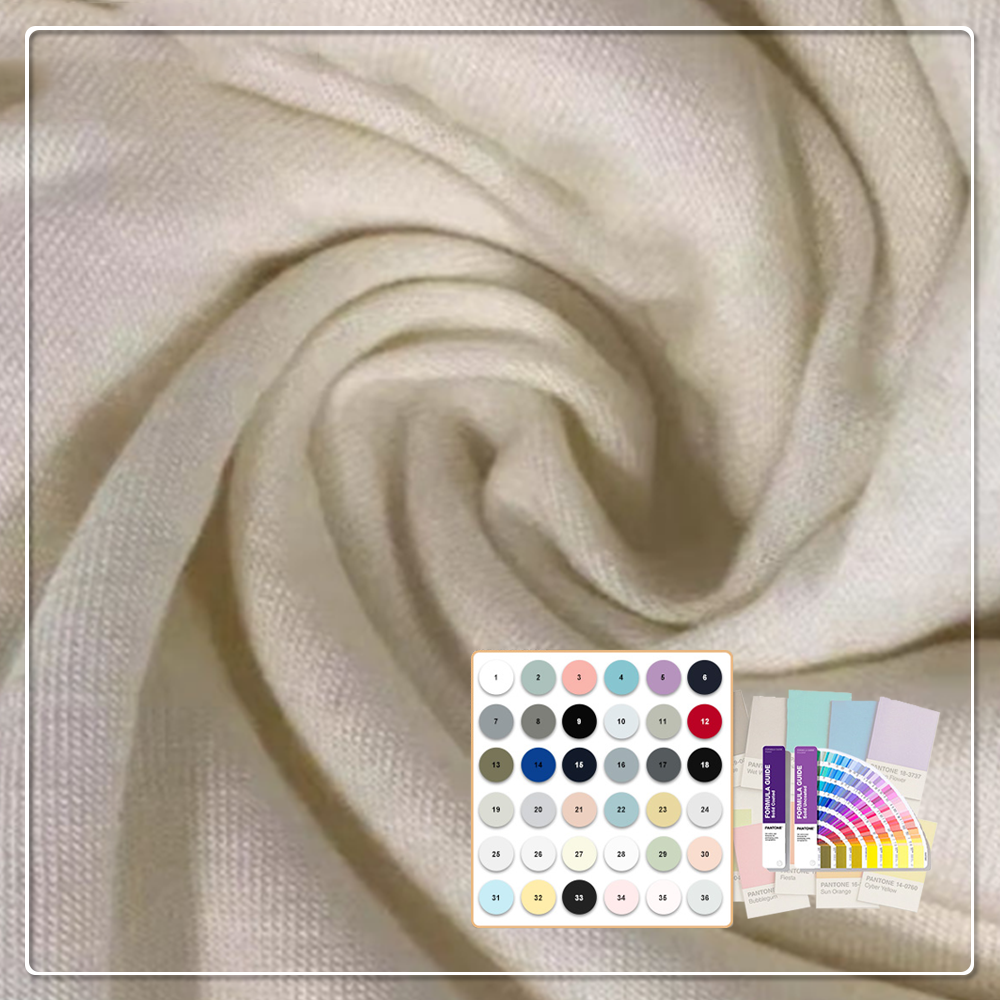
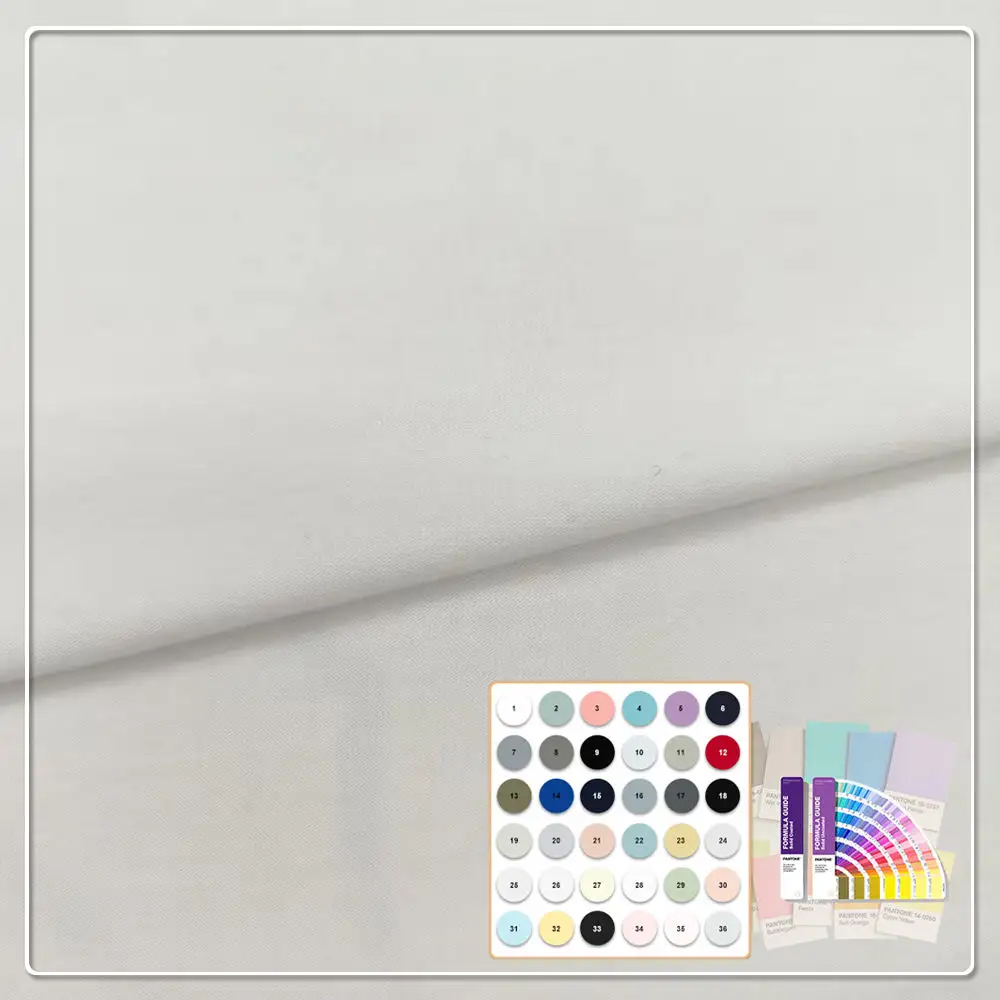
Evaluating Specifications for Printed Linen Fabric Solutions

Understanding technical specifications is key to ensuring that the chosen linen fabric meets performance requirements. Key specifications to evaluate include: 

Fabric Composition: The blend of fibers can impact print adherence and durability. For example, a higher percentage of natural fibers typically enhances breathability and comfort, while synthetic blends may offer better print quality. 

Weight and Thickness: Fabric weight is measured in grams per square meter (GSM). A heavier fabric typically provides better durability, while a lighter fabric may be more suitable for draping and layering. 

Finish Treatments: Consider whether the fabric has undergone any treatments that may affect printing, such as water repellency or wrinkle resistance. Such treatments may require specific printing techniques for optimal adhesion. 

Dimensional Stability: The viscose from bamboo fabric ability to retain its shape and size after washing or exposure to heat is crucial for maintaining print integrity over time. Buyers should confirm these specifications with the manufacturer to ensure they align with the intended use.

Cost Considerations for Bulk Orders of Printed Linen Fabric

Cost is always a significant factor when ordering Ohyeah printed linen fabric in bulk. Several elements influence pricing, including: 

Material Costs: The type of linen and any blend with other fibers will affect the base cost. Eco-friendly materials may carry a premium but can appeal to markets focused on sustainability. 

Printing Techniques: Different methods (e. g., screen printing, digital printing) come with varying costs. Digital printing can be more economical for smaller runs, while screen printing may be more cost-effective for larger quantities. 

Production Volume: Generally, higher quantities lead to lower per-unit costs due to economies of scale. However, buyers should also consider storage costs and the potential for overstock. 

Shipping and Handling: International shipping can add to the overall cost, so it’s wise to discuss delivery terms and options with suppliers in advance. 

Buyers should request detailed quotes that break down these factors to make informed purchasing decisions.

Common Problems in Printing on Linen Fabric and Their Solutions

When it comes to Ohyeah printing on linen fabric, several challenges may arise, but being aware of these can help buyers mitigate issues effectively: 

Ink Adhesion Issues: Linen's natural fibers can sometimes lead to poor ink adhesion, resulting in fading or peeling. To combat this, it’s essential to select the right inks compatible with natural fibers and to ensure proper curing post-printing. 

Color Matching Difficulties: Variations in fabric texture and color can lead to discrepancies in the final printed product. Conducting sample prints before mass production is crucial for verifying color accuracy and print quality. 

Pre-Treatment Needs: Some linen fabrics may require pre-treatment to enhance their printability. This could include washing or applying a specific coating to improve ink receptivity. Buyers should consult with their supplier about any required pre-treatment procedures. 

Post-Print Care: After printing, proper handling and care instructions must be followed to maintain the fabric's appearance. Educating end-users on washing and care can prevent damage and preserve the print quality. 

By addressing these common problems early in the process, buyers can ensure a smoother printing experience and improved end-product quality. 

In summary, when considering printed bamboo jersey fabric, it’s essential to evaluate material specifications, sourcing options, cost implications, and potential printing challenges. A thorough understanding of these factors will empower B2B buyers to make informed decisions that align with their project needs and sustainability goals.

Choosing the Right Linen Fabric for Printing Applications

When selecting linen fabric for printing, it's essential to consider the fabric's weave and weight, as these characteristics directly affect print quality and application suitability. Lightweight linen, for instance, is ideal for garments and delicate items, while heavier options are better suited for upholstery or home textiles. 

Additionally, the color fastness of the fabric, which indicates how well the colors will hold up over time, is crucial. Our fabrics typically achieve a color fastness rating of level 4-5, ensuring vibrant prints that resist fading. Moreover, the shrinkage rate—generally below 5% for our products—should also be evaluated, especially for mass production, as it affects sizing and design alignment. 

Buyers should also consider the eco-friendly aspects of the linen fabric. Sustainable options, such as those made from organic cotton or recycled polyester, are increasingly in demand and align with the growing trend toward environmentally responsible sourcing.

Our Blog Posts

How Tencel Modal Fabric Improves Garment Comfort Without Extra Weight

13

Oct

How Tencel Modal Fabric Improves Garment Comfort Without Extra Weight

With clothes that make you feel good, it was always a compromise, luxuriously soft clothes were bulky and substantial, and light weight clothes had a more “normal” feel about them. Something we have been unable to reconcile for a long tim...
View More
Modal Tencel Material Opens New Opportunities for Textile Brands

13

Oct

Modal Tencel Material Opens New Opportunities for Textile Brands

The textile market is changing rapidly, and innovative, open minded brands are emerging. In recent years, the eco-friendly fiber trend has gained momentum. The combination of Modal and Tencel has given birth to so called modal tencel material, this n...
View More
The Premium Touch of Tencel Modal Fabric in Fashion Manufacturing

13

Oct

The Premium Touch of Tencel Modal Fabric in Fashion Manufacturing

As fashion manufacturers compete in crowded and discerning marketplace, fibers we use are directly intertwined with how our customers experience our brands and connect with our products. Tencel Modal fabric, with its plush hand-feel, sustainability f...
View More
Why Tencel Modal’s Softness Outperforms Traditional Synthetic Fibers

13

Oct

Why Tencel Modal’s Softness Outperforms Traditional Synthetic Fibers

To find the supreme softness, the textile industry has always turned to utilizing synthetic fibers which may bring a silk-like degree of comfort at reasonable costs. But to discriminating brands, customers these guarantees are washed off with one lau...
View More

Get a Free Quote

Our representative will contact you soon.
Email
Name
Mobile/WhatsApp
Company Name
Message
0/1000

Get a Free Quote

Our representative will contact you soon.
Email
Name
Mobile/WhatsApp
Company Name
Message
0/1000