Benefits of Reactive Fabric Printing in Textiles

Get a Free Quote

Our representative will contact you soon.
Email
Name
Mobile/WhatsApp
Company Name
Message
0/1000

reactive fabric printing

Reactive fabric printing is a popular technique in textile manufacturing that allows for vibrant and durable designs on fabric surfaces. This method is particularly valued for its eco-friendly characteristics and high-quality results, aligning with growing environmental awareness among buyers. As a B2B buyer, you may be concerned with factors such as material selection, printing quality, durability, and the overall cost-effectiveness of reactive fabric printing solutions. This article will explore the benefits, technical specifications, cost considerations, applications, and installation guidance related to reactive fabric printing, providing valuable insights for your purchasing decisions.

Technical Specifications for Reactive Fabric Printing Explained

When considering reactive fabric printing, understanding the technical specifications is critical. Key specifications include:

Dye Type: Reactive dyes are preferred for their excellent wash fastness and brightness. It's essential to confirm the specific type of reactive dye used, as this can affect color retention and overall durability.Fabric Composition: The choice of fabric, such as bamboo, organic cotton, or recycled polyester, impacts the printing outcome. Fabrics with high cotton content generally provide better results due to their affinity for reactive dyes. For example, Eco-Friendly Stretch Waterproof Anti-Static Fabric can enhance the quality of printed materials.Print Resolution: The resolution of the print can significantly affect the final appearance. High-resolution prints (typically 300 DPI or higher) are recommended for intricate designs.Color Fastness Rating: Buyers should verify the color fastness rating, which measures the resistance of the dye to fading. A rating of 4-5 indicates good to excellent durability.Shrinkage Rate: A shrinkage rate below 5% is generally acceptable, ensuring the fabric maintains its size and shape after washing.

Understanding these specifications allows buyers to evaluate the suitability of printed fabrics for their specific applications.
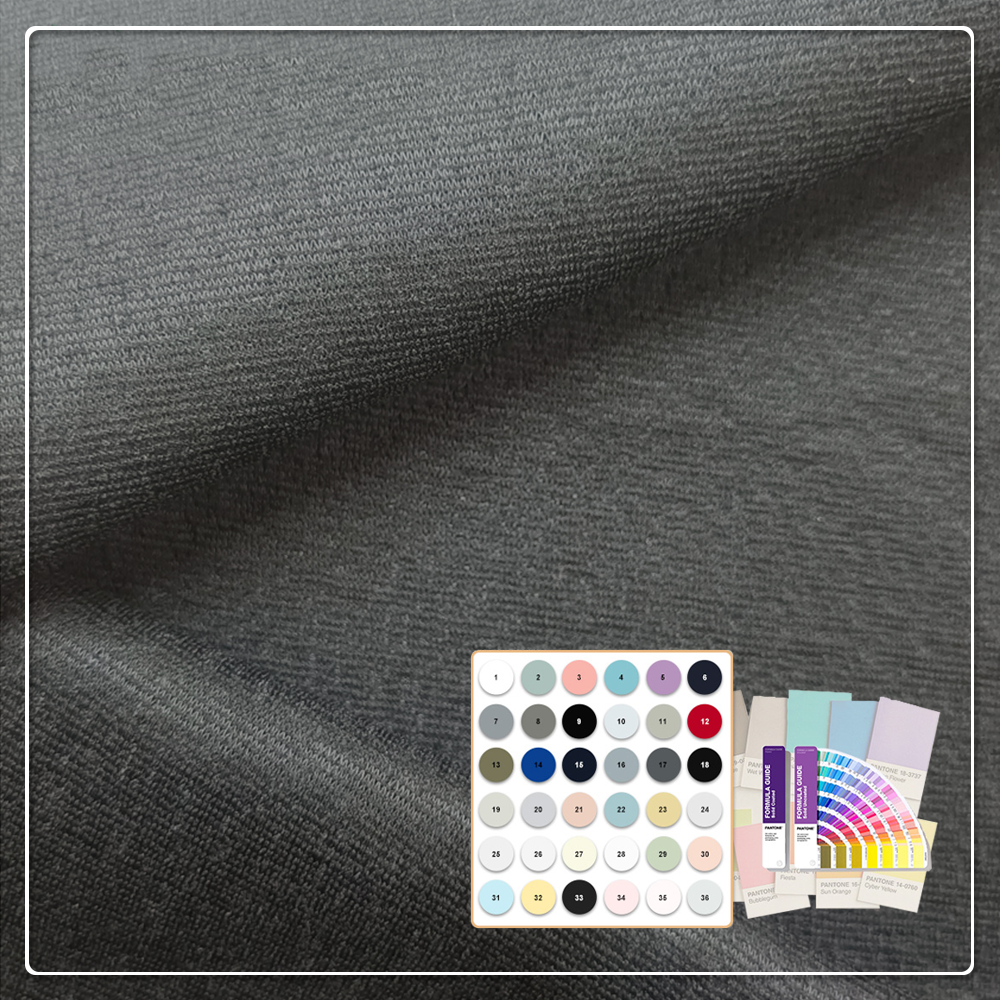
Cost Factors to Consider When Sourcing Reactive Fabric Printing

Several cost factors can influence the pricing of reactive fabric printing services.

Material Costs: The type of fabric chosen—such as organic cotton or bamboo—can significantly affect the overall cost. Natural and eco-friendly fabrics often come at a premium compared to synthetic options.Printing Volume: Economies of scale play a crucial role; larger orders typically benefit from lower per-unit costs. Buyers should consider their minimum order quantities (MOQ) and how this affects pricing.Design Complexity: More intricate designs require advanced printing techniques and may increase costs. Simplifying designs can help reduce expenses.Color Count: The number of colors used in a design can impact costs. Multi-color designs often necessitate additional setup and printing time.Shipping and Handling: Logistics can also add to costs, so it's essential to factor in shipping fees, especially for international orders.

Buyers should gather detailed quotations that outline these factors to make informed purchasing decisions.

Applications of Reactive Fabric Printing in Various Industries

Reactive fabric printing is utilized across various industries due to its versatility and quality. Here are some notable applications:

Fashion Industry: Designers often use reactive fabric printing for custom clothing lines, enabling vibrant, unique patterns that appeal to consumers.Home Textiles: Products such as curtains, upholstery, and bedding benefit from the durable and colorful prints achievable with reactive dyes, enhancing aesthetic appeal.Promotional Materials: Businesses frequently use printed fabrics for banners, flags, and promotional giveaways, as the vibrant colors and durability ensure long-lasting visibility.Sportswear: The combination of moisture-wicking properties of certain fabrics and vibrant prints makes reactive fabric printing ideal for athletic apparel.

Understanding these applications can guide buyers in selecting the right printed fabrics for their specific projects.

Installation Guidance for Reactive Fabric Printing Products

Proper installation of reactive fabric printed products is crucial for achieving the best results. Here are some key considerations:

Pre-Washing: Fabrics should be pre-washed to remove any residual chemicals from the manufacturing process. This step ensures better dye absorption and prevents potential issues with color fastness.Cutting and Sewing: Accurate cutting is essential to maintain the integrity of the design. Ensure that patterns align correctly, especially when working with complex prints.Post-Treatment: After installation, fabrics may require a post-treatment process to enhance durability and color fastness. This might include heat setting or steam fixing, depending on the fabric type.Regular Maintenance: For products like upholstery or clothing, regular maintenance and washing instructions should be followed to preserve the print's vibrancy and integrity.

By adhering to these guidelines, buyers can ensure that their reactive fabric printing products perform optimally throughout their intended lifespan.

In summary, reactive fabric printing stands out as a dynamic method for producing high-quality, eco-friendly textile designs. By understanding its benefits, technical specifications, cost factors, applications, and installation requirements, B2B buyers can make informed decisions that align with their business needs and sustainability goals.

Understanding the Benefits of Reactive Fabric Printing for Your Projects

Reactive fabric printing offers several advantages that make it a preferred choice in various textile applications. One of the primary benefits is its vibrant color reproduction. The reactive dyes used in this printing method bond chemically with the fabric fibers, resulting in bright, long-lasting colors that withstand washing and fading over time. Additionally, this process is environmentally friendly, as it often utilizes natural fibers like organic cotton and bamboo, which are sustainable and biodegradable. For instance, fabrics like Oeko-Tex Certified 69% Bamboo 31% Sorona Single Jersey Fabric are great examples of eco-friendly options.

Another key benefit is the high level of detail that can be achieved. Reactive fabric printing is capable of producing intricate designs and patterns, making it suitable for fashion, home textiles, and promotional materials. The printed fabric also exhibits excellent color fastness, typically rated at levels 4-5, ensuring that the colors remain vivid even after multiple washes. Furthermore, the shrinkage rate is kept below 5%, which is advantageous for maintaining the integrity of the final product.

Our Blog Posts

Sourcing Bamboo Fabric: From Ancient Groves to Modern Comfort

14

Jul

Sourcing Bamboo Fabric: From Ancient Groves to Modern Comfort

Bamboo. A simple word. Yet, it carries millennia of human ingenuity and a silent revolution in modern textiles. It's not just the stuff of panda diets or serene Asian paintings. Bamboo is a story of survival, adaptability, and enduring utility. From ...
View More
Why Tencel Lyocell Fabric Supports High-End Apparel Production

29

May

Why Tencel Lyocell Fabric Supports High-End Apparel Production

High-end garments require a special quality that goes beyond price. They offer exquisite hand-feel,flawless drape,consistent quality,and a story that appeals to sophisticated consumers. When a manufacturer or brand intends to succeed in the high-end ...
View More
Why Tencel Modal Helps Maintain Fabric Shape After Repeated Washing

29

May

Why Tencel Modal Helps Maintain Fabric Shape After Repeated Washing

If you've ever owned clothing you loved and then noticed that it just doesn't fit right anymore,necklines stretching,cuffs looking limp,or pants becoming baggy,you know how frustrating this can be. To brands,it translates to returns,poor reviews...
View More
Why Tencel Modal is the Secret Ingredient for Long-Lasting Softness

13

Oct

Why Tencel Modal is the Secret Ingredient for Long-Lasting Softness

The first feature that is mostly noticed by the consumers in the textile industry is softness although the quality of the textile is defined by the quality of the softness in the long run. A shirt that feels smooth one day and pilled or rough the nex...
View More

Get a Free Quote

Our representative will contact you soon.
Email
Name
Mobile/WhatsApp
Company Name
Message
0/1000

Get a Free Quote

Our representative will contact you soon.
Email
Name
Mobile/WhatsApp
Company Name
Message
0/1000