 EN
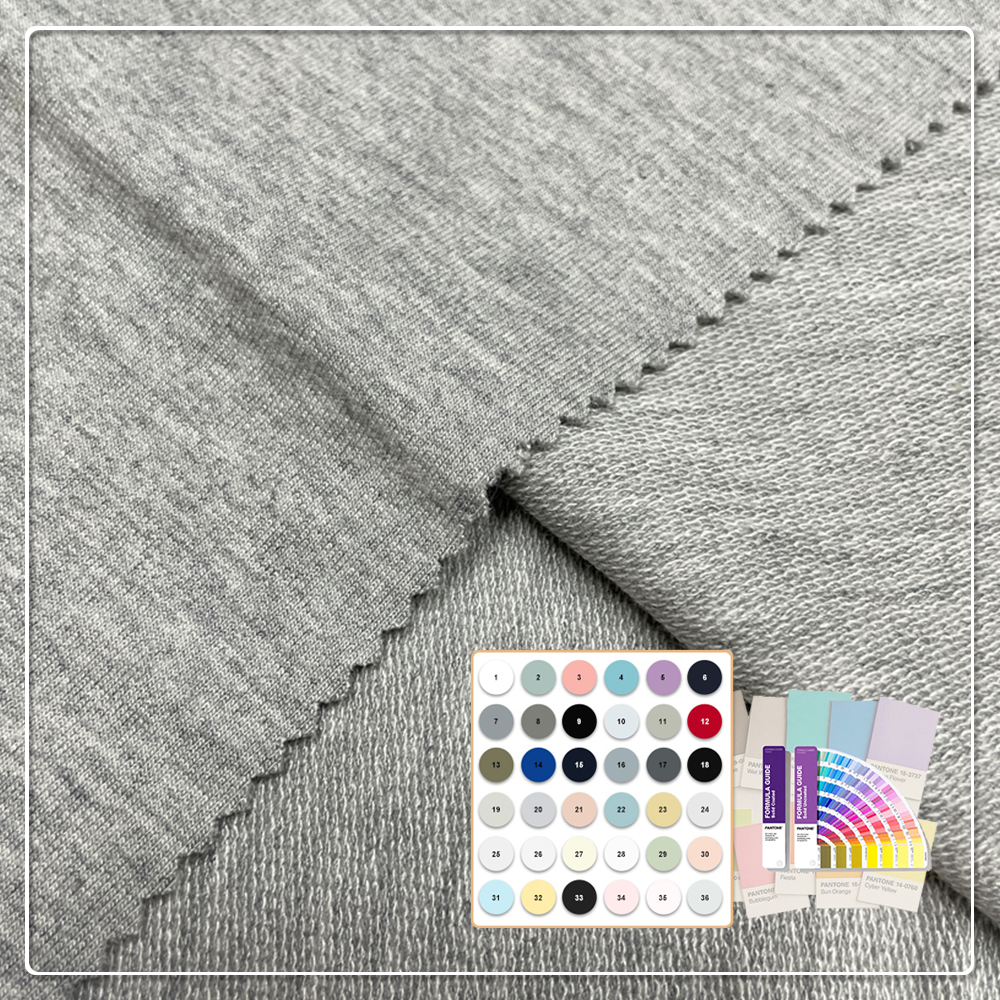
Recycled cotton fabric is an eco-friendly textile option made from post-consumer cotton waste, providing a sustainable alternative to conventional fabrics. As industries increasingly prioritize sustainability, purchasing managers, engineers, and product managers are keen to understand the specifications, costs, and advantages of recycled cotton fabric. This article will delve into essential aspects of recycled organic cotton fabric, including key specifications, cost comparisons, common problems and solutions, advantages in manufacturing, and quality specifications, helping B2B buyers make informed decisions.
Comparing Costs of Recycled Cotton Fabric for Wholesale Orders
When evaluating the costs of recycled cotton fabric for wholesale orders, several cost factors come into play. The price per yard or meter can vary significantly based on the fabric's weight, finish, and customizations requested. Typically, recycled cotton fabric tends to be slightly higher in cost compared to conventional cotton due to the additional processing and sourcing required.
However, buyers should consider the long-term value of investing in recycled cotton fabric, as its durability often translates to a longer lifespan for end products. It's also essential to factor in the potential for brand differentiation and customer loyalty that comes with offering sustainable products. It's advisable to request detailed quotations from suppliers, including minimum order quantities (MOQs), lead times, and any available discounts for larger orders. A comprehensive understanding of these elements allows purchasing managers to make informed decisions that align with their budget and sustainability goals.