Recycled Textile Materials: Sourcing and Applications

Get a Free Quote

Our representative will contact you soon.
Email
Name
Mobile/WhatsApp
Company Name
Message
0/1000

Recycled textile materials

Recycled textile materials are gaining traction in the manufacturing sector as businesses seek sustainable alternatives to traditional fabrics. These materials, often derived from post-consumer waste, not only reduce environmental impact but also offer various applications across industries. For B2B buyers—such as purchasing managers, distributors, and product managers—key concerns include product quality, availability, sourcing processes, and suitability for specific applications. This article will explore essential considerations when sourcing recycled textile materials, their applications, comparisons with traditional fabrics, installation guidance, and common challenges along with solutions.


Our Products

Where to Source Reliable Suppliers of Recycled Textile Materials

Recycled textile materials are versatile and can be applied in numerous industries. Common applications include: 

Apparel Manufacturing: Clothing brands increasingly use recycled polyester and organic cotton to produce eco-friendly garments. This shift not only meets consumer preferences for sustainable fashion but also helps brands reduce their carbon footprint. 

Home Textiles: Products like bed linens, curtains, and upholstery can be made from recycled textiles, providing a soft and durable alternative to traditional fabrics. These materials often feature innovative designs that appeal to environmentally-conscious consumers. 

Sportswear: The performance attributes of recycled textiles, such as moisture-wicking and breathability, make them ideal for activewear. Manufacturers can leverage these properties to create high-quality, sustainable sports apparel. 

Industrial Fabrics: Recycled textiles are also suitable for manufacturing industrial products, such as filtration systems or insulation materials, where durability and environmental impact are critical considerations. 

By understanding these applications, buyers can better identify how recycled microfiber fabric may fit into their product lines and marketing strategies.
Comparing Cost Factors for Wholesale Recycled Textile Purchases

When comparing recycled textile materials to traditional fabrics, several factors come into play. One of the primary advantages of recycled materials is their reduced environmental impact. The production of recycled textiles often consumes less water and energy compared to producing new synthetic fibers, thereby conserving natural resources. 

In terms of performance, recycled textiles can match or even exceed traditional fabrics in certain aspects. For example, recycled polyester can provide the same durability and moisture management properties as virgin polyester. However, it is essential to conduct thorough testing to ensure that the recycled material meets the required specifications for your particular application. 

Quality control is another crucial aspect. Certifications like GOTS and OEKO-TEX serve as benchmarks for quality assurance. Buyers should check these certifications to verify the integrity of the recycled materials, ensuring they are free from harmful substances and suitable for their intended use. 

Lastly, cost considerations need evaluation. While recycled polyester fabric may sometimes carry a premium due to their sourcing and production processes, the long-term benefits—such as brand loyalty and compliance with environmental regulations—can offset the initial investment.

Key Features of Recycled Textile Fabrics

When it comes to installing Ohyeah recycled textile fabrics, specific guidelines can help ensure optimal performance. First, ensure that the installation environment is suitable for the type of fabric being used. For example, fabrics with lower shrinkage rates are preferable in environments subject to moisture or temperature fluctuations. 

Next, consider the methods of cutting and sewing. Recycled textiles can have different properties than traditional fabrics, such as stretch or recovery. It is advisable to conduct pre-production samples to test how the fabric behaves during the cutting and sewing processes. This allows for adjustments to be made before mass production begins, reducing waste and ensuring a higher quality end product. 

Additionally, proper handling during installation is crucial. Ensure that the fabrics are stored in a controlled environment to prevent damage from humidity or sunlight, which can affect their color and integrity. Providing clear guidelines for installation and maintenance can help teams avoid common pitfalls associated with working with recycled materials.

Common Installation Problems with Recycled Textiles and Solutions

While recycled textiles present numerous benefits, they can also come with challenges. One common issue is variability in material quality due to the sourcing of post-consumer waste. To address this, buyers should prioritize working with certified suppliers, like Shaoxing City Ohyeah Textile Co., Ltd., who maintain stringent quality control processes. 

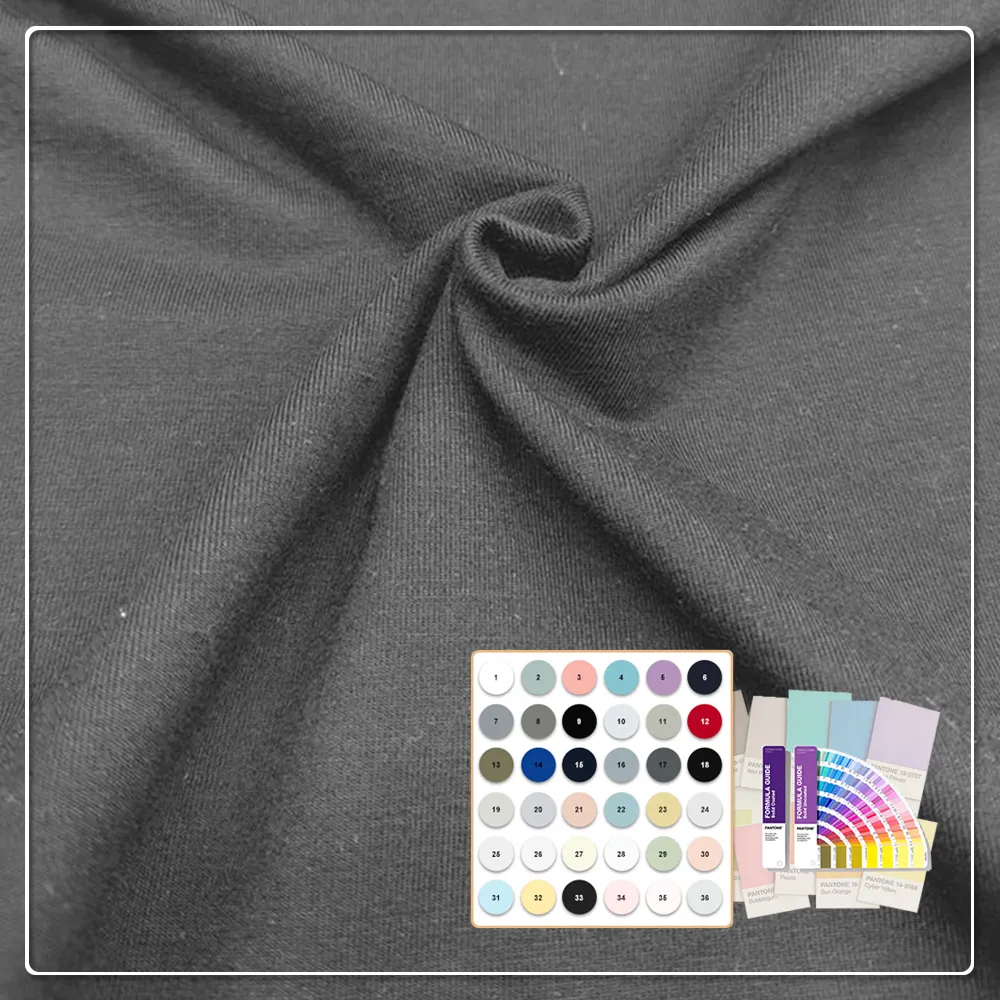
Another issue is the potential for limited color options. Buyers should confirm color availability before placing orders, ensuring that the recycled materials meet their design specifications. If specific colors are not available, consider collaborating with suppliers to explore custom dyeing options. 

Lastly, buyers may encounter challenges related to production consistency. With recycled materials, it is essential to conduct thorough testing and approval of samples before commencing mass production. This step helps confirm that the textile meets all performance criteria and minimizes the risk of production delays or quality issues. 

By understanding these challenges and their solutions, buyers can make informed decisions, mitigating risks associated with integrating recycled fabric into their product offerings.

How to Choose the Right Recycled Textile Materials for Your Project

When sourcing recycled textile materials, several critical factors should be evaluated to ensure compatibility with your production needs. First, consider the type of recycled material being utilized, such as recycled polyester, which is often derived from plastic bottles. Understanding the material's properties, such as durability, color fastness, and shrinkage rates, is vital; for instance, fabrics from our brand boast a color fastness level of 4-5 and a shrinkage rate below 5%, making them suitable for various applications. 

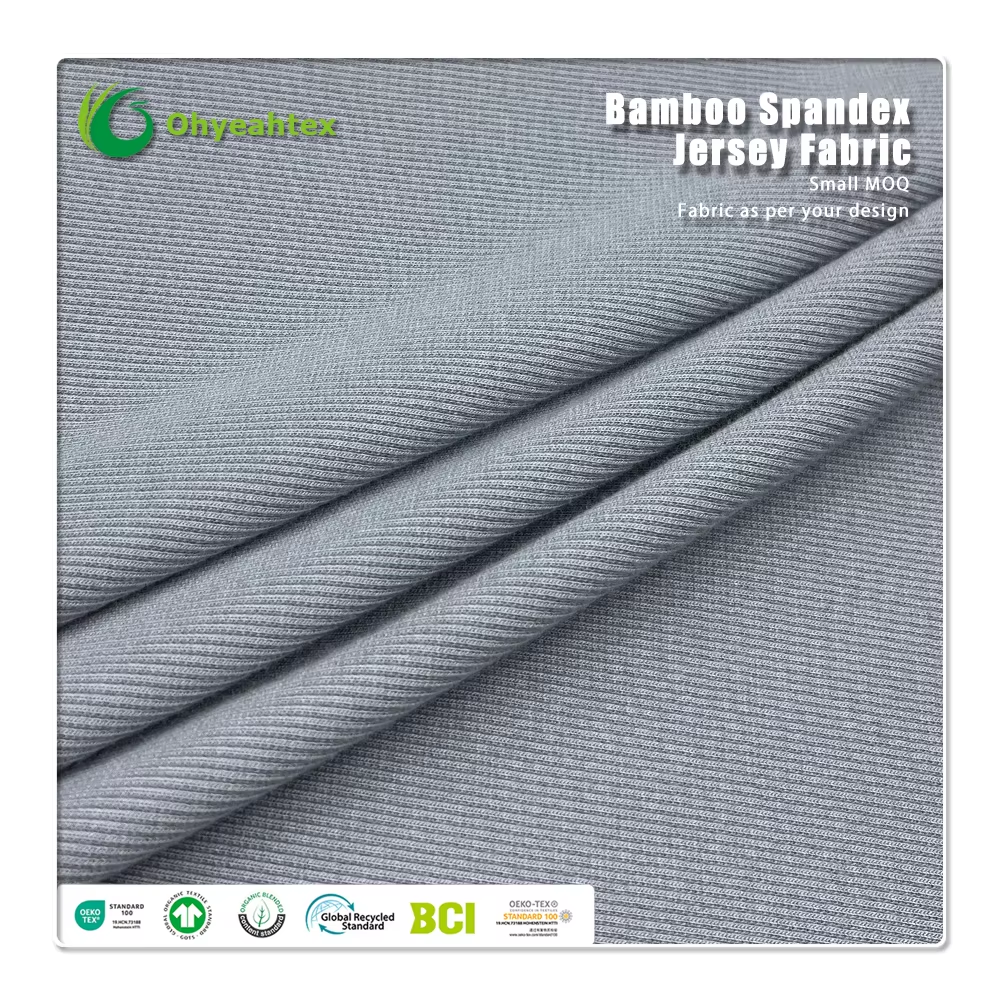
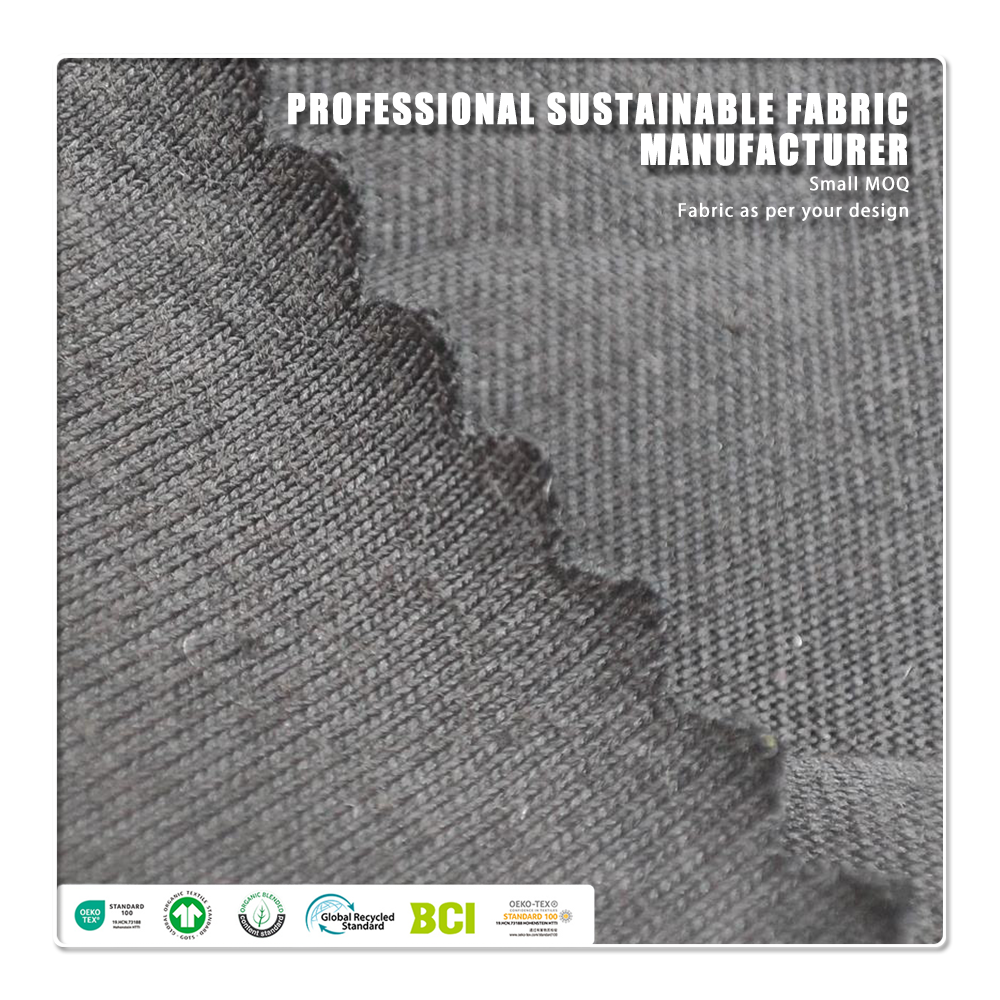
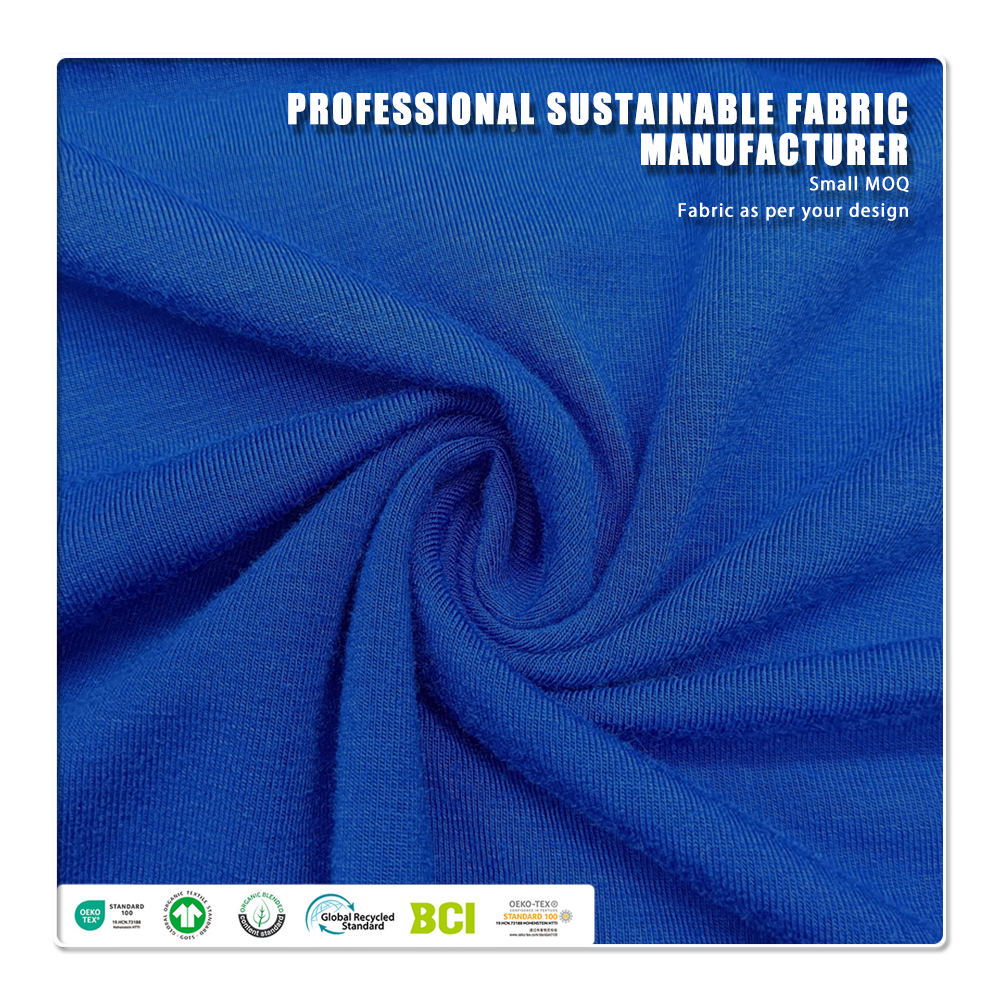
Next, verify the certifications of the supplier. Look for certifications like Global Recycle Standard (GRS) and OEKO-TEX, which indicate environmentally-friendly practices and compliance with safety standards. This not only ensures the ethical sourcing of materials but also aligns with increasing consumer demand for sustainable products. 

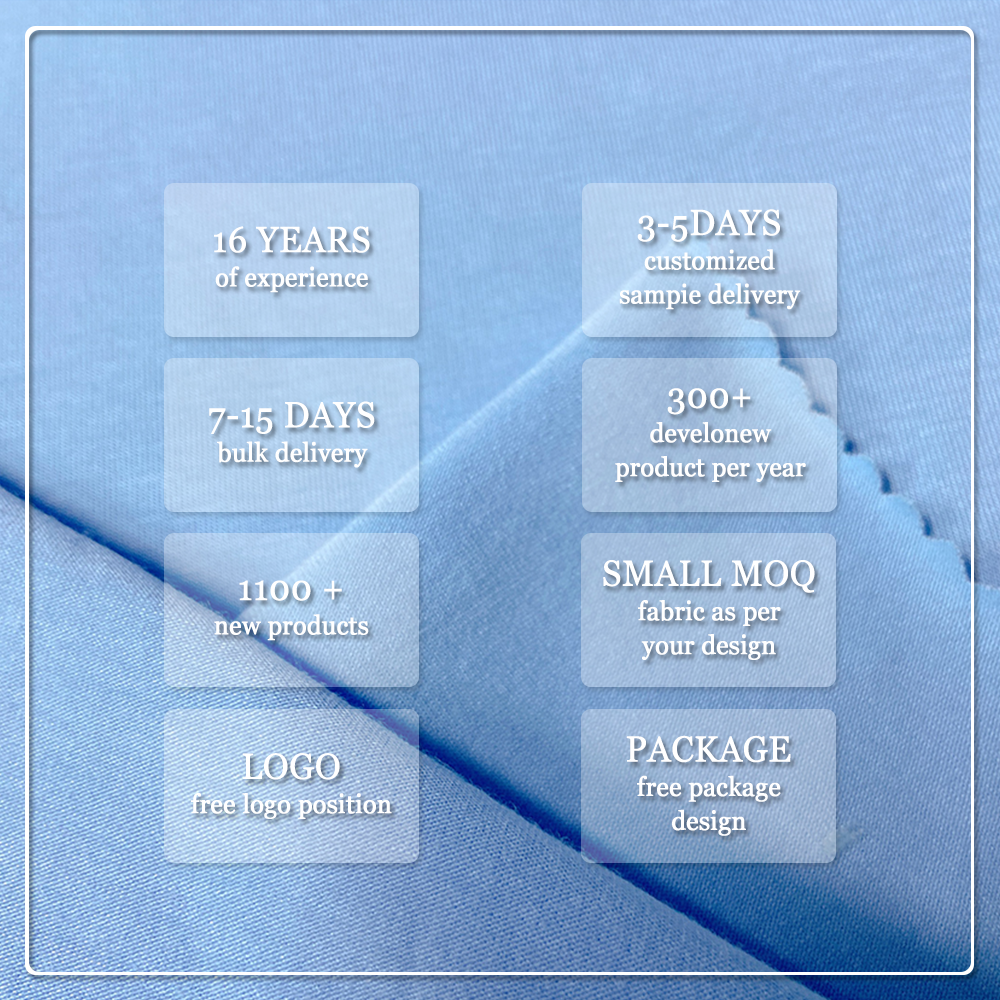
Additionally, assess the supplier's production capabilities. Shaoxing City Ohyeah Textile Co., Ltd. operates over 100 circular knitting machines and has a monthly output of 200 tons, providing the capacity to fulfill large orders while maintaining quality control through a dedicated team. Understanding the lead times and minimum order quantities (MOQs) is also essential for planning your inventory and production schedules effectively.

Our Blog Posts

How long does bamboo fabric last

04

Feb

How long does bamboo fabric last

One thing I know is the news about bamboo fabric is that in the sustainable clothing industry, it is renowned as a calming fabric due to its fluffy feel, breathability, and greenery. One of the most realistic questions that are frequently posed by de...
View More
How Tencel Lyocell Supports Moisture Control in Textile Applications

29

May

How Tencel Lyocell Supports Moisture Control in Textile Applications

Moisture management is the most important performance property for textiles today. Sweaty, clingy textiles will leave the wearer cold, irritated, or susceptible to skin ailments. The wearers of moisture management fabrics will remain dry and com...
View More
The Role of Tencel Lyocell in Creating Lightweight Knit Fabrics

29

May

The Role of Tencel Lyocell in Creating Lightweight Knit Fabrics

Lightweight knits are becoming an essential part of any modern wardrobe,and for good reason:not only are they comfortable and breathable,but they also allow for effortless layering. However,to create a light,airy knit without sacrificing integrity,a ...
View More
Why Tencel Lyocell Is Widely Used in Sustainable Fashion Collections

29

May

Why Tencel Lyocell Is Widely Used in Sustainable Fashion Collections

Sustainable fashion is no longer a trend that only attracts the fringe;it is now mainstream. Designers and brands are actively searching for materials that cause minimal harm to the planet,while still retaining the highest levels of quality and style...
View More

Get a Free Quote

Our representative will contact you soon.
Email
Name
Mobile/WhatsApp
Company Name
Message
0/1000

Get a Free Quote

Our representative will contact you soon.
Email
Name
Mobile/WhatsApp
Company Name
Message
0/1000