Choosing Sustainable Fabrics for Clothing Projects

Get a Free Quote

Our representative will contact you soon.
Email
Name
Mobile/WhatsApp
Company Name
Message
0/1000

Sustainable fabric for clothing

Sustainable fabric for clothing is increasingly becoming a focal point for businesses aiming to enhance their environmental credentials while meeting consumer demand for eco-friendly products. As a B2B buyer, understanding the nuances of sustainable textiles such as material composition, production processes, and certifications—can impact your purchasing decisions significantly. This recycled polyester article will guide you through how to choose sustainable bamboo fabric factory, key specifications to consider,  and what makes our eco-friendly knitted fabrics stand out in the market. 

Our Products

Key Specifications of Eco-Friendly Knitted Fabrics for Wholesale

When sourcing sustainable fabrics, several key specifications play a crucial role in their performance and suitability for various applications. Here are some essential factors to consider: 

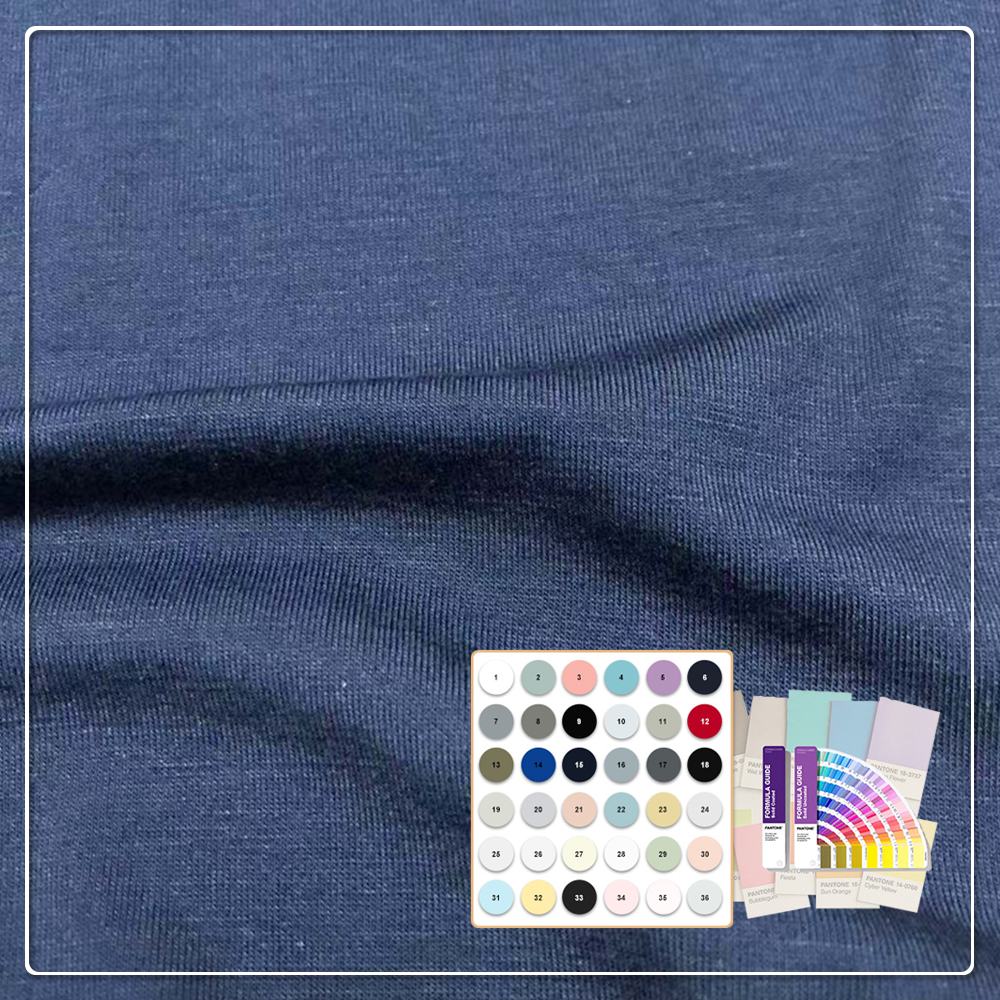
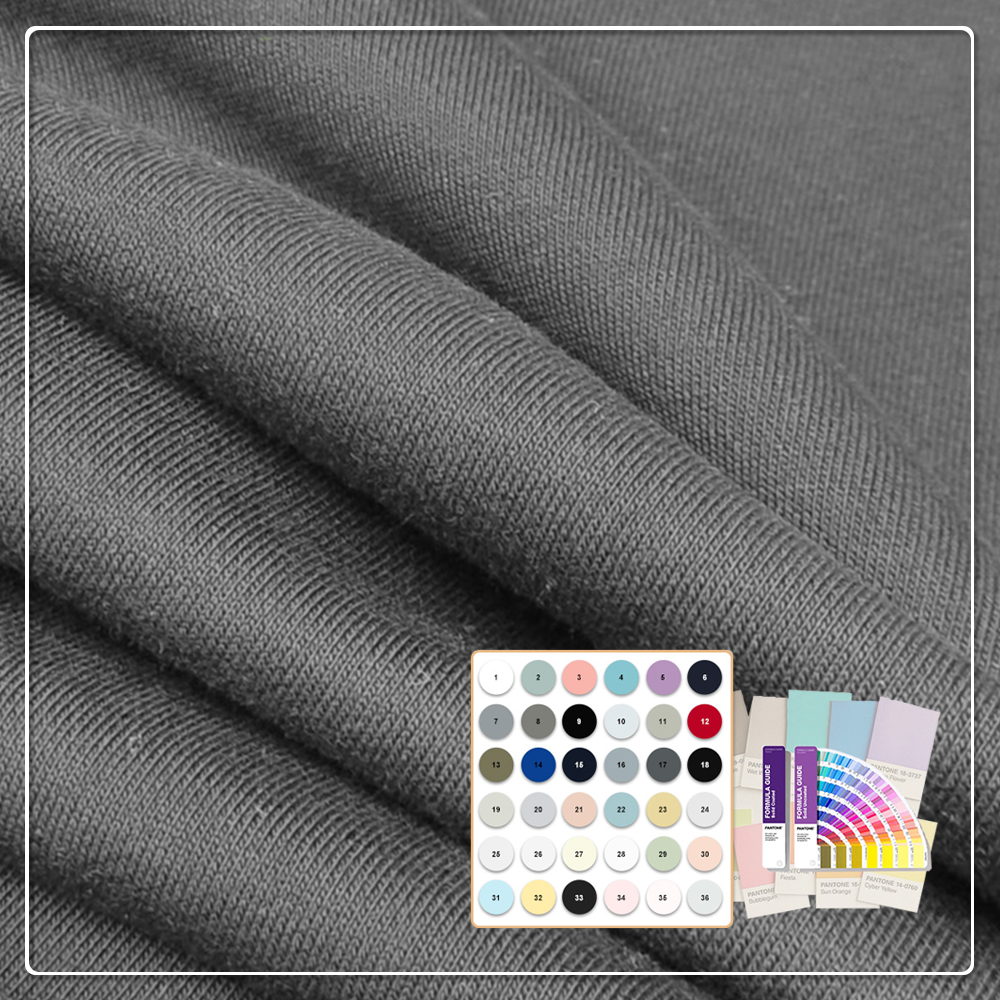
Material Composition: The blend of fibers whether it’s 100% organic cotton, a bamboo-polyester mix, or recycled polyester affects the fabric's feel, durability, and environmental impact. Understanding the intended use will guide your choice. 

Weight and Thickness: Fabric weight is measured in grams per square meter (GSM). A heavier fabric may be more durable but less breathable, while lighter fabrics may be more suitable for summer clothing. Assess the requirements of your clothing line to determine the appropriate GSM. 

Stretch and Recovery: Knitted bamboo fabric manufacturer often provide superior stretch and comfort. Ensure that the fabric has good recovery properties to maintain shape after wear and washing. This is particularly important for fitted clothing items. 

Color Fastness and Shrinkage: As mentioned, look for color fastness ratings of 4-5 and shrinkage rates below 5%. These recycled polyester specifications indicate the fabric's resistance to fading and its stability through washing, which is crucial for maintaining product quality. 

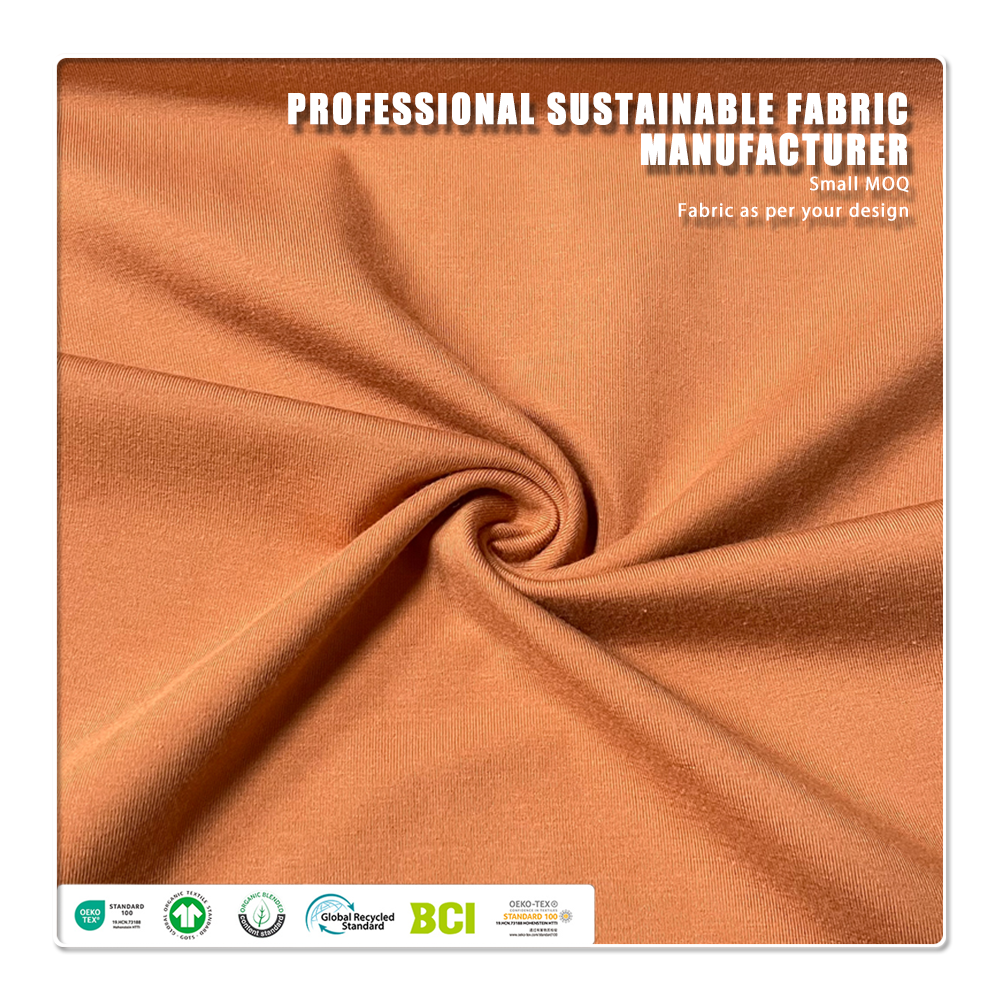
Certification Standards: Ensure that the fabrics meet international standards for sustainability and safety, as this will enhance marketability and customer trust. 
Why Our Sustainable Fabrics Stand Out

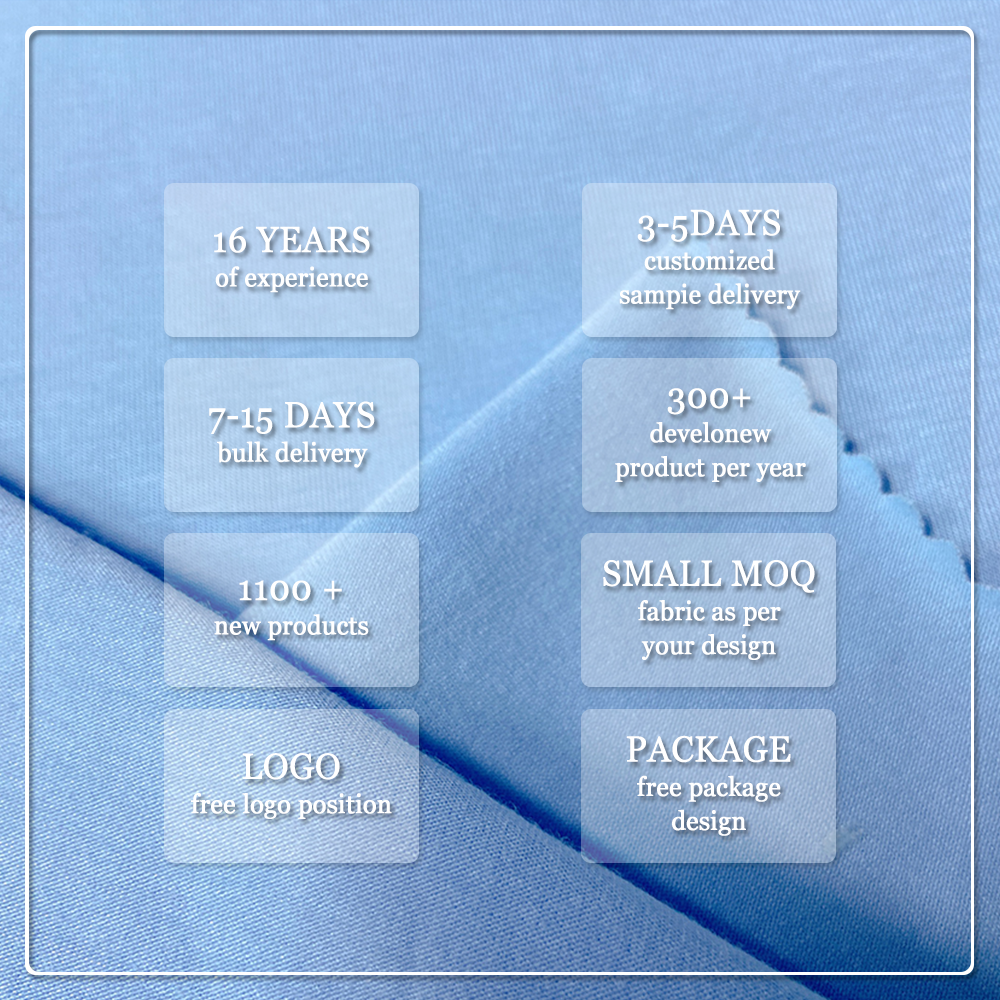
At Shaoxing City Ohyeah Textile Co., Ltd., our sustainable fabrics are engineered to combine luxury with environmental responsibility. Our fabrics are crafted on over 100 advanced circular knitting machines, allowing us to produce high-quality, eco-friendly materials at a monthly output of 200 tons. We have achieved several prestigious certifications, including OEKO, GOTS, OCS, and GRS, ensuring that recycled polyester our fabrics meet stringent ecological and social criteria.  This not only gives buyers peace of mind but also enhances the fabric's appeal in markets increasingly focused on sustainability. In addition to our certifications, our commitment to quality control is paramount. Our professional team monitors production to ensure that all bamboo fabric suppliers meet required specifications, including maintaining color fastness and minimizing shrinkage. This rigorous approach to quality helps reduce common issues that can arise during production, ultimately benefiting your end products. 

Sourcing Reliable Suppliers for Sustainable Clothing Materials

When sourcing sustainable clothing materials, it is vital to evaluate potential suppliers thoroughly. Start by checking their certifications to confirm compliance with sustainability standards. This will give you confidence in the integrity of their products. Additionally, ask about their manufacturing capabilities and production processes. A reliable supplier should be recycled polyester transparent about their operations, including material sourcing and waste management practices. Understanding their production capacity is also important; you want to ensure they can meet your order size and delivery timelines without compromising quality. Requesting samples is a crucial step in the evaluation process. Inspect the samples for quality, color fastness, and shrinkage, and consider testing them in real-world conditions to assess performance. This hands-on approach can help mitigate risks associated with quality issues later in the production cycle. 

Cost Factors to Consider When Purchasing Eco-Friendly Fabrics

The cost of sustainable fabrics can vary significantly based on several factors. Firstly, the material composition plays a significant role; for instance, organic cotton typically costs more than conventional cotton due to its production methods. Secondly, the complexity of the fabric can influence pricing fabrics that require more intricate knitting techniques or special treatments may carry a premium. Minimum order quantities (MOQ) are also a critical consideration. Suppliers may offer better rates for larger orders, but ensure that your order size aligns with your production needs to avoid overstocking or waste. Lastly, consider shipping and logistics costs, which can be substantial depending on the fabric's origin and your location. Factor these recycled polyester into your total cost analysis to get a clearer picture of your purchasing expenses. In summary, when investing in sustainable fabric for clothing, consider material types, performance specifications, and reliable suppliers. By focusing on these aspects, you can make informed purchasing decisions that align with both your business goals and environmental responsibilities. 

How to Choose Sustainable Fabric for Your Clothing Projects

When selecting sustainable fabric for clothing, start by considering the material type. Options like bamboo, organic cotton, and recycled polyester are popular for their minimal environmental impact. Bamboo, for instance, grows quickly without the need for pesticides, making it a highly renewable resource. Organic cotton is cultivated without harmful chemicals, which not only benefits the environment but also enhances fabric quality. Next, assess the recycled polyester certifications associated with the fabric. Certifications such as OEKO-TEX, GOTS, OCS, and GRS provide assurance that the materials meet rigorous environmental and social standards. These certifications also help buyers verify that the textiles are free from harmful substances and produced in ethically responsible conditions. Lastly, consider the fabric’s performance specifications. Look for attributes such as color fastness (aiming for levels 4-5), shrinkage rates (ideally below 5%), and durability. Understanding these factors will help ensure that the fabric meets both aesthetic and functional requirements for your clothing projects. 

Our Blog Posts

How Tencel Modal Improves Fabric Flexibility for Activewear

29

May

How Tencel Modal Improves Fabric Flexibility for Activewear

There's something special that activewear needs. It has to stretch and return to shape. It has to be comfortable against the skin during strenuous activity. And now it must come from sustainable sources. It's precisely this amazing flexibil...
View More
The Role of Tencel Lyocell in Creating Lightweight Knit Fabrics

29

May

The Role of Tencel Lyocell in Creating Lightweight Knit Fabrics

Lightweight knits are becoming an essential part of any modern wardrobe,and for good reason:not only are they comfortable and breathable,but they also allow for effortless layering. However,to create a light,airy knit without sacrificing integrity,a ...
View More
What Buyers Value Most in Tencel Lyocell Fabric Performance

29

May

What Buyers Value Most in Tencel Lyocell Fabric Performance

When buyers look at Tencel Lyocell for their line, they are more interested in facts and figures than marketing gimmicks. They need facts on performance, consistent quality, a trustworthy supplier with verifiable certifications, and benefit...
View More
Why Tencel Lyocell Meets the Needs of Eco-Conscious Apparel Brands

29

May

Why Tencel Lyocell Meets the Needs of Eco-Conscious Apparel Brands

Making sustainable clothing is no small feat. Eco-friendly brands need materials that are truly sustainable while still delivering comfort, quality, and performance. Lots of 'green' materials have one or more major weaknesses that are overlooked or m...
View More

Get a Free Quote

Our representative will contact you soon.
Email
Name
Mobile/WhatsApp
Company Name
Message
0/1000

Get a Free Quote

Our representative will contact you soon.
Email
Name
Mobile/WhatsApp
Company Name
Message
0/1000