Sustainable Fabric Manufacturers: Key Sourcing Insights

Get a Free Quote

Our representative will contact you soon.
Email
Name
Mobile/WhatsApp
Company Name
Message
0/1000

Sustainable fabric manufacturers

Sourcing sustainable fabrics has become a priority for many businesses as they seek to minimize their environmental impact. As a potential buyer, you may have concerns about the quality, availability, and ethical practices of sustainable fabric manufacturers. This article will provide valuable insights into eco-friendly sustainable fabric, including what to consider when sourcing suppliers, how to evaluate quality, and key specifications to keep in mind.
Our Products

How to Evaluate the Quality of Eco-Friendly Knitted Fabrics

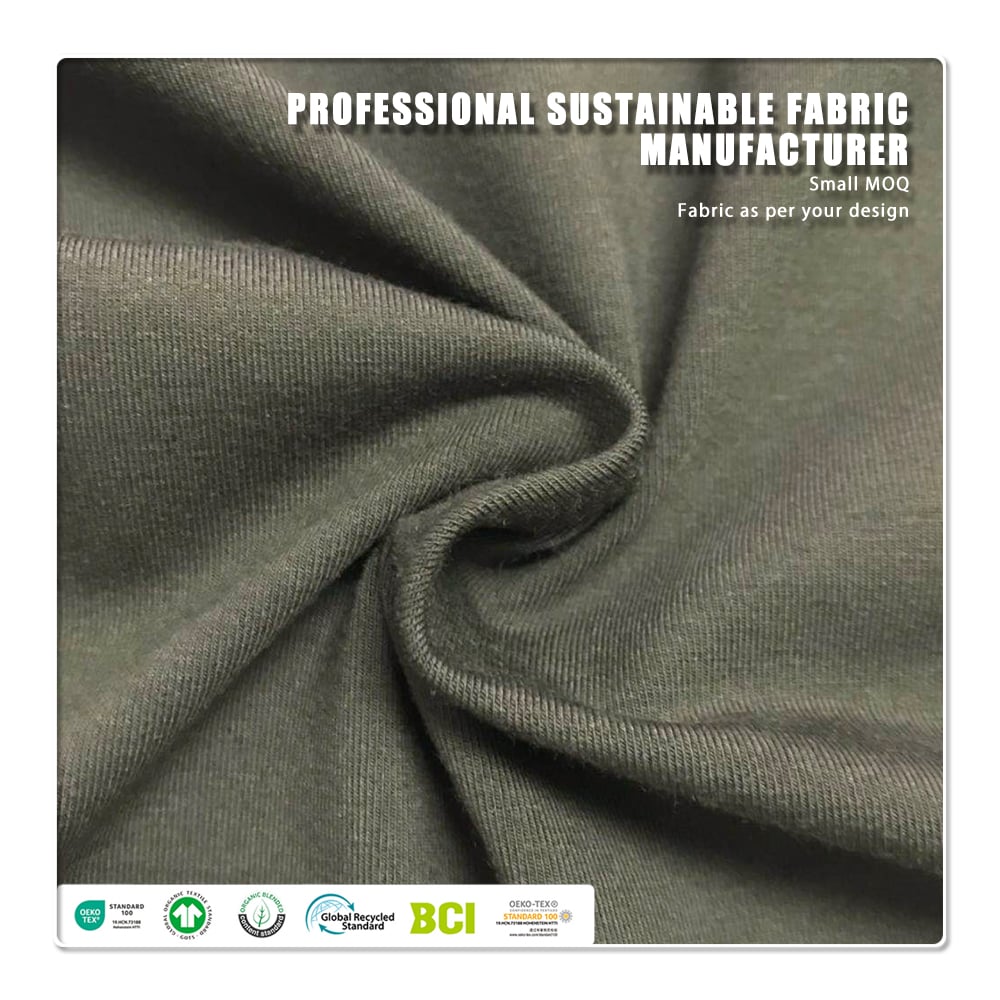
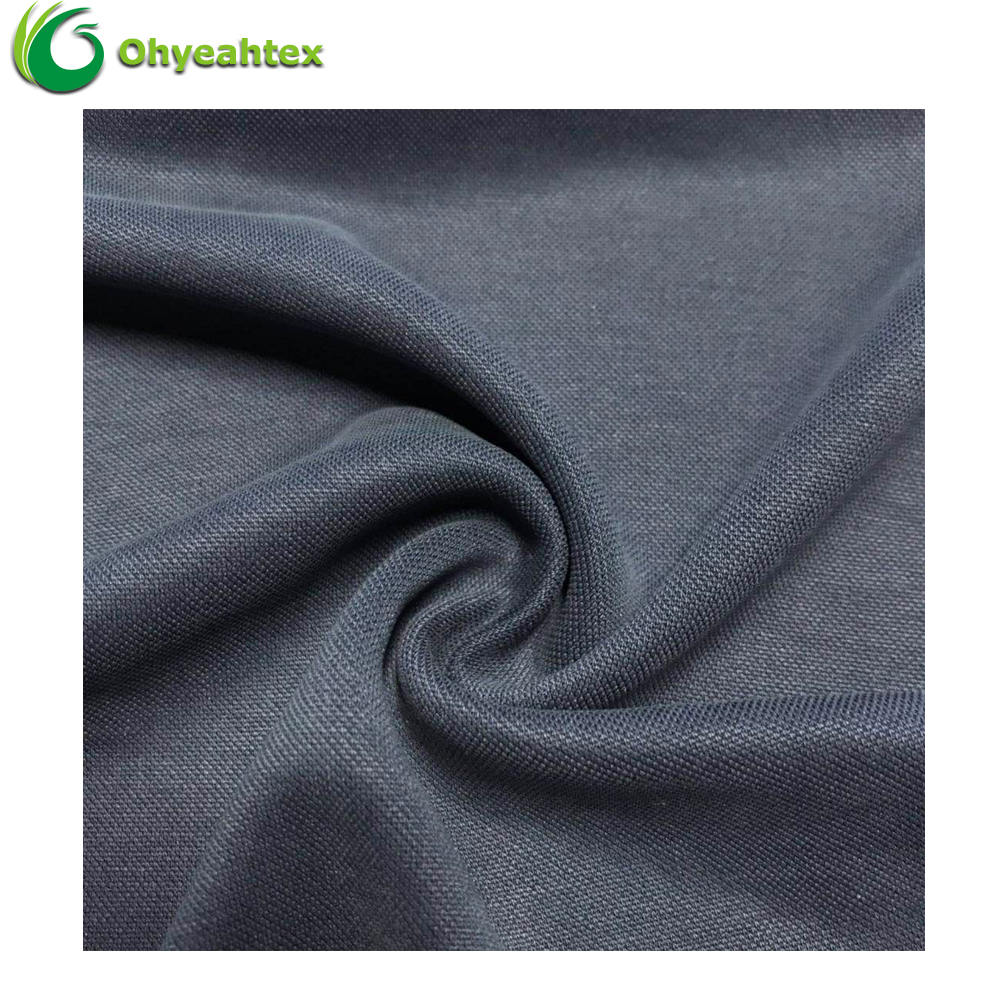
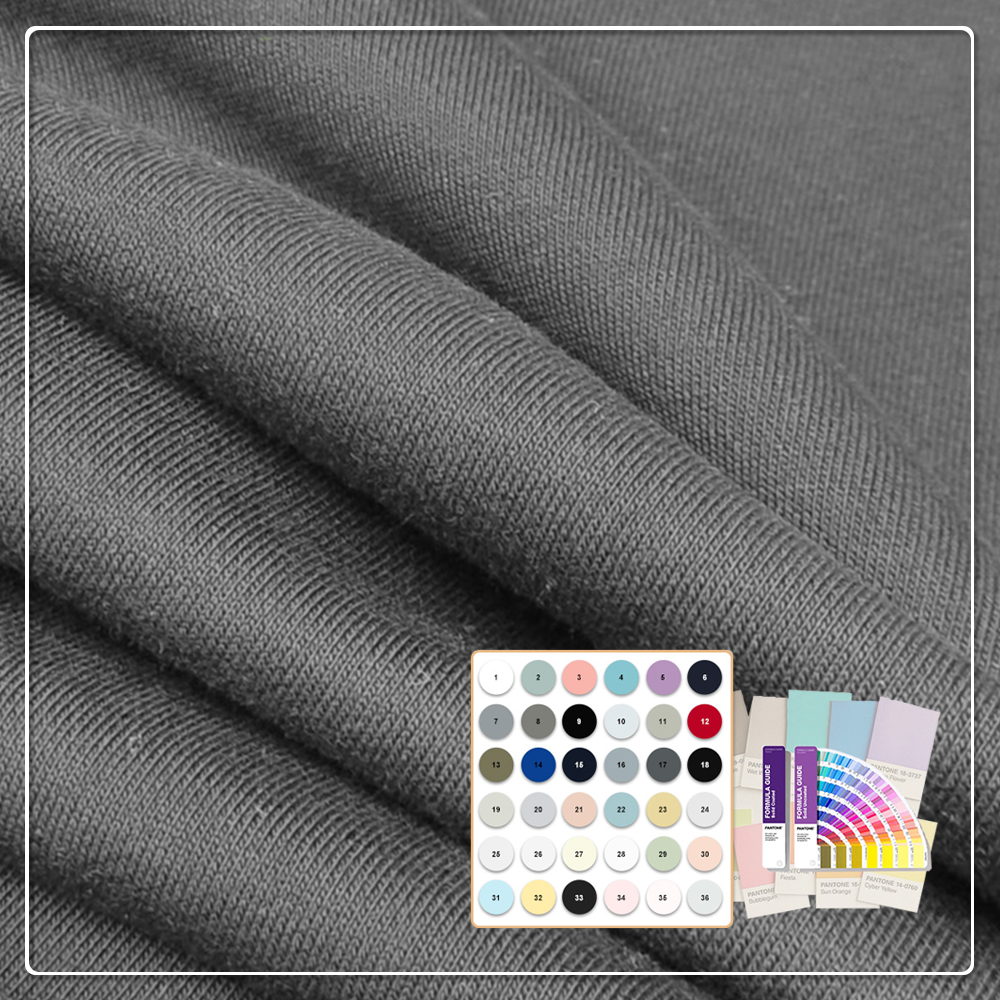
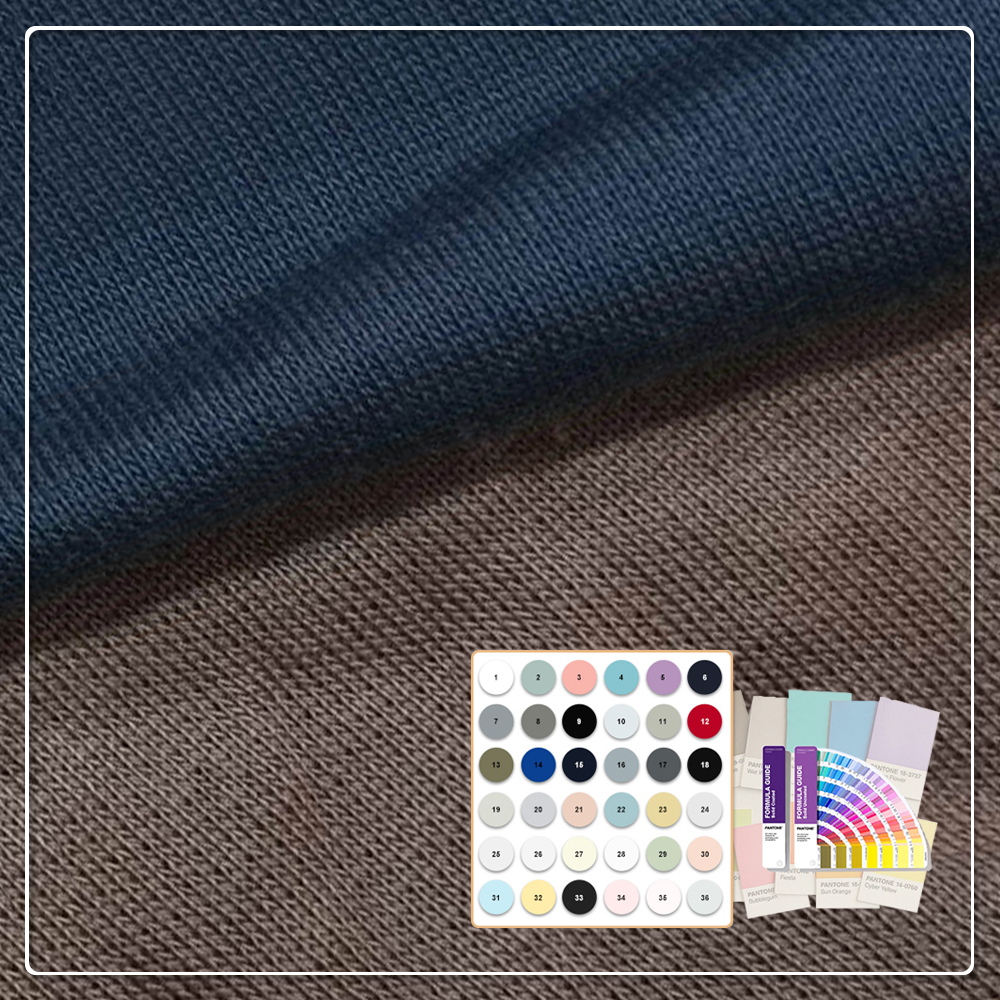
Quality evaluation of eco-friendly knitted fabrics involves several critical aspects. Start with the  eco-friendly fabrics physical properties, such as weight, texture, and stretchability. These characteristics affect the fabric's performance in various applications, from apparel to home textiles. 

Next, check for color fastness and shrinkage. A color fastness rating of level 4-5 indicates that the  eco-friendly fabrics will hold its color well under washing and exposure to light. Additionally, shrinkage should be below 5% for optimal performance in end-use applications. 

Take the time to request samples and conduct assessments under actual operating conditions. This step allows you to evaluate how the fabric behaves when subjected to stress or environmental factors, ensuring that it meets your specific requirements.
Where to Find Reliable Wholesale Manufacturers of Sustainable Fabrics

Finding reliable wholesale manufacturers of sustainable fabrics can be challenging. Start by researching industry directories and trade shows that focus on sustainable textiles. Websites that specialize in B2B connections often feature verified suppliers. 

Networking within industry-specific forums and associations can also yield valuable leads. Many sustainable fabric manufacturers, like Shaoxing City Ohyeah Textile Co., Ltd., are active in trade associations, where they share expertise and collaborate with other businesses. 

Additionally, consider reaching out to other companies in your industry for recommendations. Word-of-mouth referrals can provide insights into supplier reliability and quality. When you identify potential sustainable fabric manufacturers, evaluate their website for information about their production capabilities, product range, and commitment to sustainability.

Comparing Specifications of Bamboo, Organic Cotton, and Recycled Polyester

When choosing between bamboo, organic cotton, and recycled polyester, understanding the specifications and applications of each material is crucial. 

Bamboo Fabric: Known for its softness and breathable nature, bamboo fabric has natural antibacterial properties, making it ideal for activewear and undergarments. It’s also highly absorbent, which can be beneficial for clothing that encounters moisture. 

Organic Cotton Fabric: Organic cotton is grown without harmful pesticides, making it a favorite for eco-conscious brands. Its durability and comfort make it suitable for various applications, including apparel and home textiles. Be sure to check the thread count and weave type, as these elements influence the  eco-friendly fabrics feel and strength. 

Recycled Polyester Fabric: This  eco-friendly fabrics, made from recycled plastic bottles, is an excellent option for those looking to reduce waste. It is highly durable, resistant to stretching and shrinking, and quick-drying, making it suitable for outdoor apparel and sportswear. Confirm the recycled content percentage and any certifications that guarantee its eco-friendliness. 

Understanding these materials' specifications helps ensure that you select the right sustainable fabric materials for your specific applications, enhancing both product performance and sustainability. 

Installation Guidance for Sustainable Fabrics in Various Applications

Installing Ohyeah sustainable fabrics requires careful consideration of the intended application. Here are some essential guidelines: 

Apparel: For clothing, ensure that the fabric's stretchability aligns with the design requirements. Pre-wash samples to check for shrinkage and color fastness to avoid post-production surprises. 

Home Textiles: When using  eco-friendly fabrics for upholstery or curtains, consider the fabric's durability and maintenance requirements. Fabrics like organic cotton can be machine washed, while bamboo might require more delicate handling. 

Outdoor Gear: Fabrics like recycled polyester are ideal for outdoor applications due to their moisture-wicking properties.  Ensure that seams are properly sealed to prevent water infiltration, and consider UV resistance if the items will be exposed to sunlight. 

Technical Specifications: Always consult with the  eco-friendly fabrics supplier for detailed installation guidelines based on the  eco-friendly fabrics type. Factors such as sewing techniques, handling, and finishing processes are essential to achieve the desired quality in the final product. 

By following these guidelines and actively engaging with suppliers, you can ensure that your chosen  eco-friendly fabrics meet both aesthetic and functional requirements. 

In summary, understanding the nuances of sourcing sustainable fabric manufacturers, evaluating quality, and comparing specifications is crucial for making informed purchasing decisions. By prioritizing eco-friendly options and engaging with reputable suppliers, you can enhance your brand's sustainability while delivering high-quality products to your customers.

What to Consider When Sourcing Sustainable Fabric Suppliers

When sourcing sustainable fabric manufacturers, several factors should guide your decision-making process. First, assess the supplier's certifications. A reliable sustainable fabric manufacturers will hold certifications such as OEKO-TEX, GOTS, OCS, and GRS, which demonstrate a commitment to sustainability and environmental responsibility. These certifications ensure that the fabrics meet stringent ecological and social standards. 

Next, consider the types of materials offered. Eco-friendly options like bamboo, organic cotton, and recycled polyester are increasingly popular due to their reduced environmental impact. Ensure that the supplier provides detailed information about their sourcing practices, including where and how materials are grown or processed. 

Finally, evaluate the supplier’s production capabilities and quality control processes. A sustainable fabric manufacturers with advanced machinery, such as circular knitting machines, can produce high-quality sustainable fabrics textiles with consistent specifications. Shaoxing City Ohyeah Textile Co., Ltd., for instance, operates over 100 circular knitting machines and has a dedicated quality control team, ensuring that fabrics meet high standards for color fastness and shrinkage.

Our Blog Posts

Why Tencel Lyocell Meets the Needs of Eco-Conscious Apparel Brands

29

May

Why Tencel Lyocell Meets the Needs of Eco-Conscious Apparel Brands

Making sustainable clothing is no small feat. Eco-friendly brands need materials that are truly sustainable while still delivering comfort, quality, and performance. Lots of 'green' materials have one or more major weaknesses that are overlooked or m...
View More
The Premium Touch of Tencel Modal Fabric in Fashion Manufacturing

13

Oct

The Premium Touch of Tencel Modal Fabric in Fashion Manufacturing

As fashion manufacturers compete in crowded and discerning marketplace, fibers we use are directly intertwined with how our customers experience our brands and connect with our products. Tencel Modal fabric, with its plush hand-feel, sustainability f...
View More
Why Modal Tencel Material Is Popular Among Textile Wholesalers

13

Oct

Why Modal Tencel Material Is Popular Among Textile Wholesalers

When we engage in wholesale of textiles in a dynamic and demanding environment like the one we live in, the supply is of key relevance. We need products that satisfy, more than anything else, fundamental elements, quality, price and demand on the mar...
View More
Why Tencel Modal’s Softness Outperforms Traditional Synthetic Fibers

13

Oct

Why Tencel Modal’s Softness Outperforms Traditional Synthetic Fibers

To find the supreme softness, the textile industry has always turned to utilizing synthetic fibers which may bring a silk-like degree of comfort at reasonable costs. But to discriminating brands, customers these guarantees are washed off with one lau...
View More

Get a Free Quote

Our representative will contact you soon.
Email
Name
Mobile/WhatsApp
Company Name
Message
0/1000

Get a Free Quote

Our representative will contact you soon.
Email
Name
Mobile/WhatsApp
Company Name
Message
0/1000