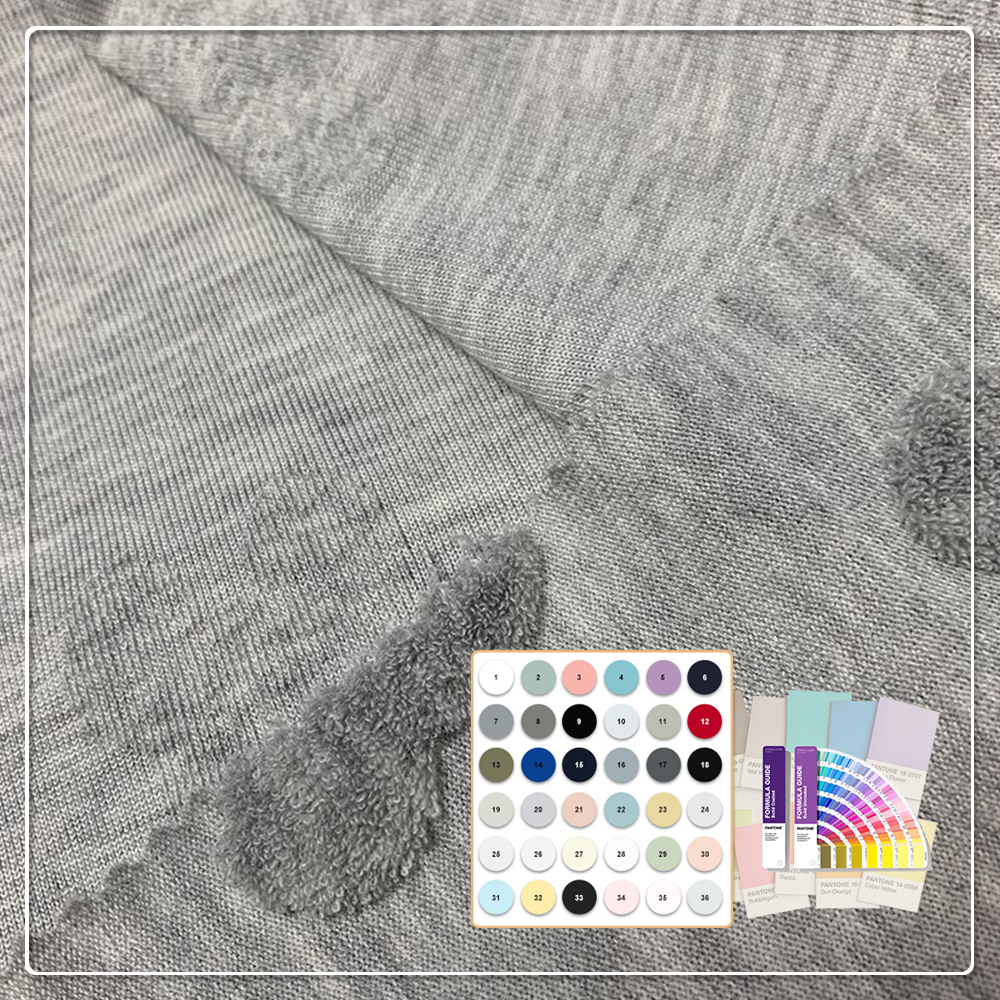
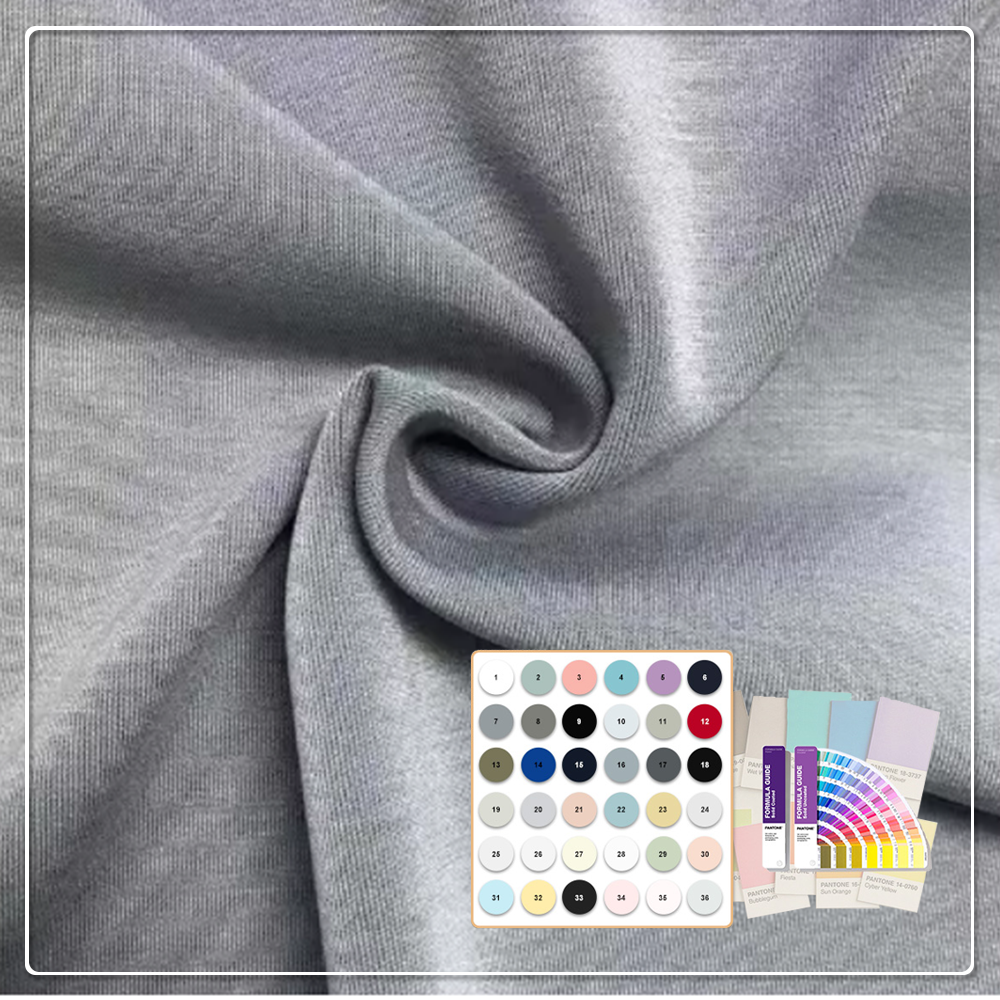
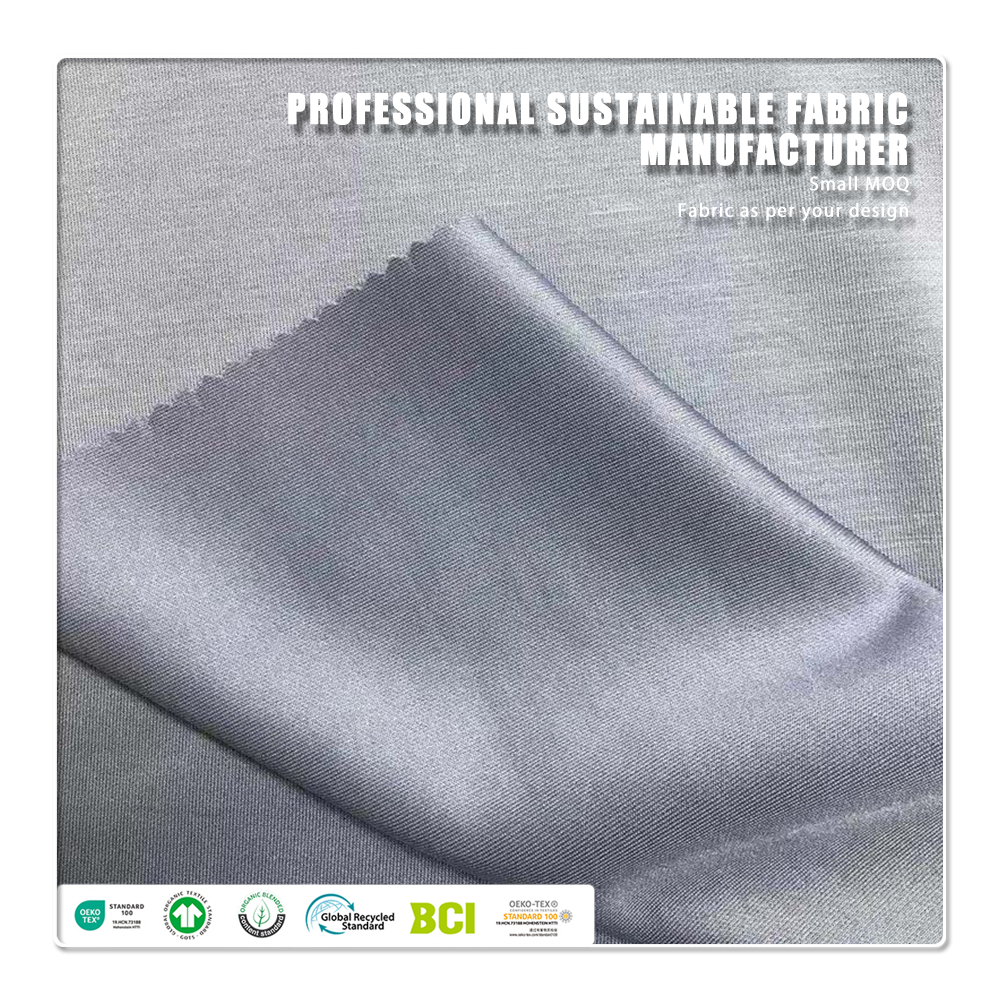
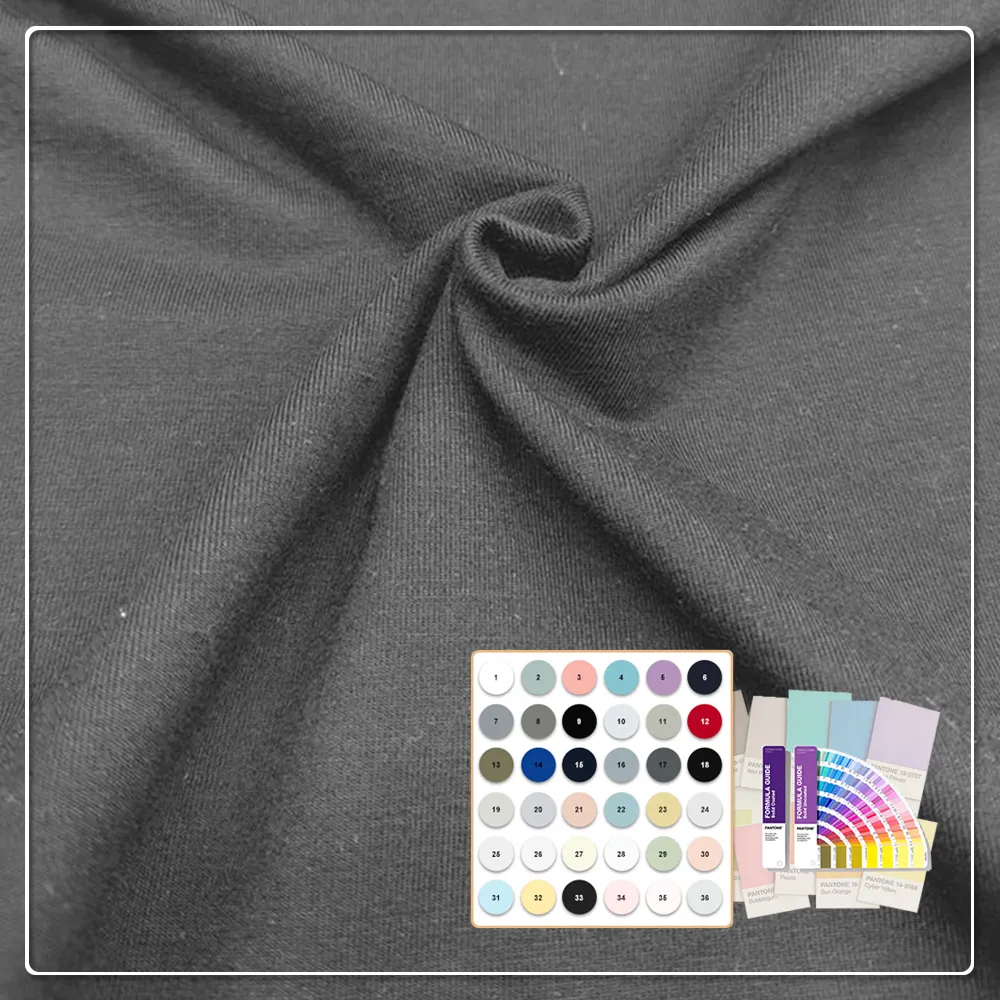
Sustainable Fabric Materials for Eco-Friendly Sourcing

Get a Free Quote

Our representative will contact you soon.
Email
Name
Mobile/WhatsApp
Company Name
Message
0/1000

Sustainable fabric materials

Sustainable fabric materials are increasingly important in the textile industry, especially for businesses looking to reduce their environmental impact. These materials, which include options like bamboo, organic cotton, and recycled polyester, offer eco-friendly fabrics alternatives to traditional fabrics. For purchasing managers, distributors, and product managers, understanding the specifications, costs, and applications of these sustainable textiles is crucial. This article will guide you through key considerations when sourcing Ohyeah sustainable fabric materials, helping you make informed purchasing decisions. 

Our Products

Specifications You Need for Sustainable Fabric Purchasing Decisions

When purchasing sustainable fabric materials, several specifications are critical to ensure that the product meets your needs: 

Material Composition: Understand the fabric's makeup, whether it’s bamboo, organic cotton, or recycled polyester. Each material has unique properties affecting texture, durability, and application suitability. 

Color Fastness: This specification indicates how well the fabric retains its color when washed or exposed to light. Fabrics with a color fastness rating of 4-5 are typically suitable for various applications, ensuring longevity and maintaining aesthetic appeal. 

Shrinkage: Look for fabrics with low shrinkage rates, ideally below 5%. This ensures that the Ohyeah sustainable bamboo fabric maintains its size and form after washing, which is crucial for product consistency. 

Weight and Thickness: Depending on the intended application, the weight (measured in grams per square meter) and thickness of the fabric can significantly impact its performance. 

Production Capacity and MOQ: Ensure that the supplier can meet your volume requirements. Understanding the minimum order quantity (MOQ) is vital for planning your inventory and production schedules. 

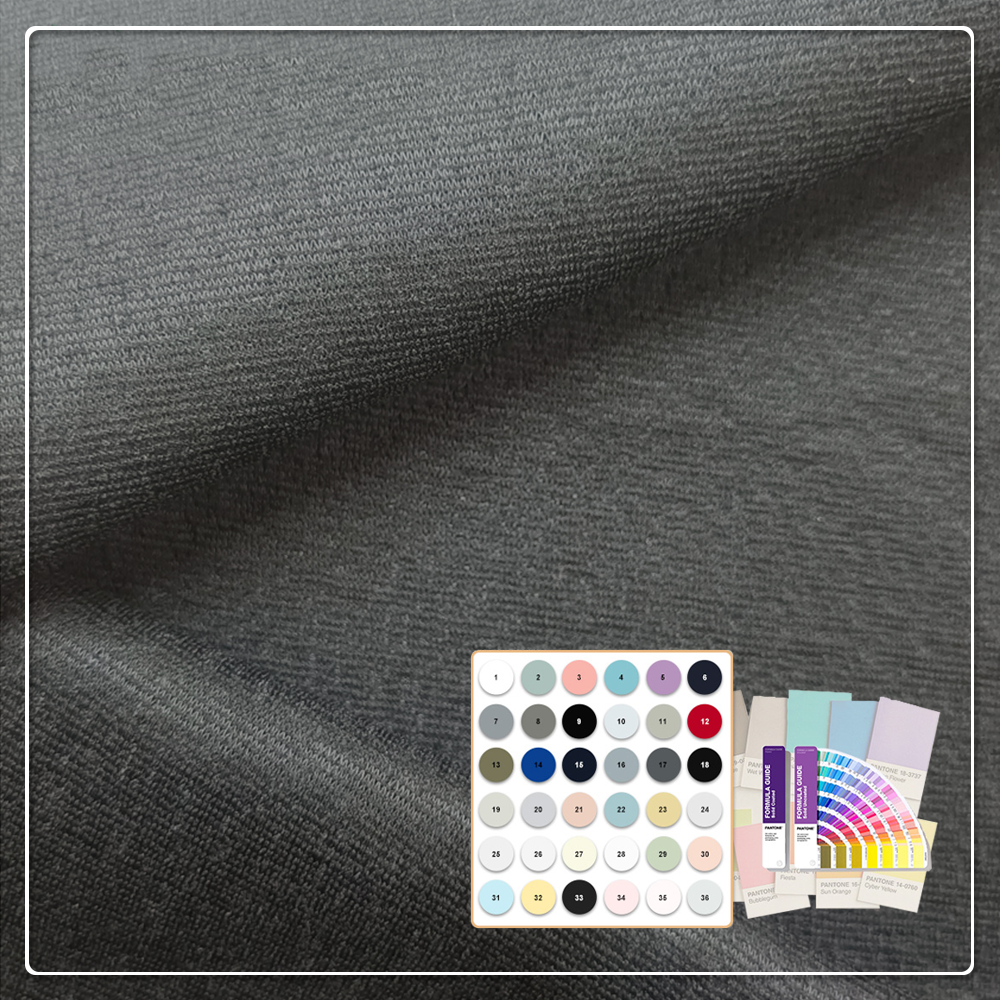
Customization Options: Evaluate whether the supplier can offer customizations such as specific colors, prints, or blends that meet your brand's requirements. 

By confirming these specifications, you can ensure that the fabric aligns with your project goals and quality standards. 

Comparing Cost Factors of Eco-Friendly Fabrics for Bulk Orders

Cost factors for sustainable fabric materials can vary significantly based on several elements. While eco-friendly fabrics may have a higher base price than conventional materials, the total cost of ownership should also consider durability, maintenance, and lifecycle costs. 

Material Source: Fabrics sourced from certified organic farms or recycled materials may have higher raw material costs, impacting the overall price. However, these costs can be offset by the longevity and reduced environmental impact of using sustainable materials. 

Production Methods: Evaluate the manufacturing processes employed by suppliers. Advanced techniques that minimize waste or energy consumption may lead to higher upfront costs but provide savings over time through efficiency. 

Shipping and Lead Times: Consider shipping costs and delivery timelines when comparing suppliers. Sustainable fabrics may be sourced globally, impacting transportation costs and lead times. Suppliers with local production capabilities, like Shaoxing City Ohyeah Textile Co., Ltd., can often reduce shipping costs and improve delivery times. 

Bulk Discounts: Some suppliers offer discounts on bulk orders, which can significantly lower the cost per unit. Be sure to inquire about pricing tiers based on order quantities. 

Quality Assurance: Investing in higher-quality sustainable fabrics can reduce waste due to defects and returns, ultimately saving costs in the long run. 

Understanding these cost factors will help you budget effectively and make informed purchasing decisions. 

Installation Guidance for Projects Using Sustainable Fabric Materials

When integrating sustainable fabric materials into your projects, proper installation is crucial for achieving desired results. Here are key considerations: 

Preparation: Ensure that all surfaces where the fabric will be applied are clean, dry, and free from contaminants. This preparation helps maintain the integrity of the fabric and adhesive (if used). 

Cutting and Handling: Use sharp tools to cut the fabric to avoid fraying. Handle the fabric carefully to prevent stretching or distortion, which can affect the final appearance. 

Adhesive Selection: If the project requires bonding, select adhesives that are compatible with the fabric type.  Eco-friendly adhesives are available and often provide comparable performance to traditional options. 

Testing: Before full installation, conduct a test on a small area to evaluate adhesion and appearance. This step can help identify any issues that may arise during the installation process. 

Maintenance: Following installation, establish a maintenance routine to ensure the longevity and appearance of the fabric. Eco-friendly fabrics often have specific care requirements that should be communicated to end-users. 

By following these guidelines, you can ensure a successful installation that maximizes the benefits of sustainable fabric materials. 

Benefits of Using Bamboo, Organic Cotton, and Recycled Polyester Fabrics

Using sustainable fabric materials like bamboo, organic cotton, and recycled polyester presents numerous advantages: 

Environmental Impact: These materials are sourced from renewable resources or recycled content, reducing reliance on non-renewable resources and minimizing environmental degradation. 

Health Benefits: Bamboo and organic cotton are often free from harmful chemicals and pesticides, making them safer for consumers and workers. This can be a significant selling point for brands aiming to promote health-conscious products. 

Performance Characteristics: Fabrics made from bamboo and organic cotton typically offer breathability, moisture-wicking properties, and softness, enhancing user comfort. Recycled polyester fabrics can provide durability and resistance to wear, making it suitable for various applications. 

Brand Differentiation: Incorporating sustainable fabrics into your product line can enhance your brand's image and appeal to environmentally conscious consumers. This differentiation can lead to increased market share and customer loyalty. 

Compliance and Certifications: Many sustainable fabrics come with certifications that can aid in compliance with industry standards and regulations, making it easier for businesses to meet operational goals using Ohyeah sustainable fabrics textiles. 

Incorporating these sustainable materials into your offerings can not only enhance product quality but also align your business with growing consumer demand for eco-friendly fabrics solutions. 

By understanding the specifications, cost factors, installation guidance, and benefits of sustainable fabric materials, you can make informed decisions that align with your business objectives and sustainability goals. 

Where to Find Reliable Suppliers of Sustainable Textile Materials

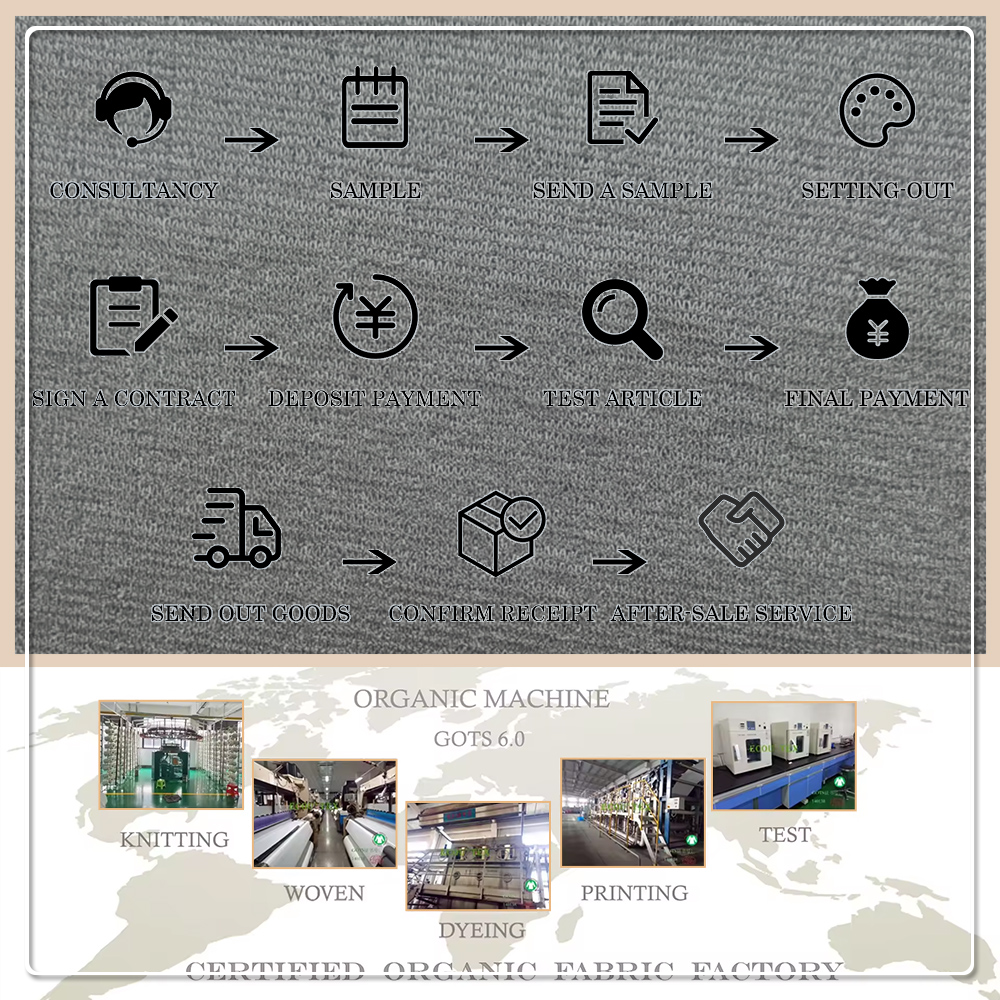
Finding reliable suppliers of sustainable fabric materials requires thorough research and evaluation. Start by identifying manufacturers with recognized certifications such as OEKO-TEX, GOTS, OCS, and GRS. These certifications indicate compliance with environmental and social standards, ensuring the fabrics are both eco-friendly and ethically produced. 

Look for suppliers with a strong reputation in the industry. Networking at trade shows, engaging in industry forums, and utilizing platforms like LinkedIn can connect you with reputable manufacturers. Shaoxing City Ohyeah Textile Co., Ltd., for example, specializes in eco-friendly knitted fabrics and offers a robust catalog of sustainable options. Their certified processes and quality control measures reinforce their reliability as a supplier. 

Additionally, consider suppliers with a proven track record of innovation and responsiveness to market needs. A manufacturer with a flexible production capability and a variety of bamboo organic cotton options can better meet your specific requirements. 

Our Blog Posts

The Science of Bamboo Fabric: Manufacturing, History, and Eco-Impact

14

Jan

The Science of Bamboo Fabric: Manufacturing, History, and Eco-Impact

Eco-Science Briefing Often hailed as the "Queen of Fibers," bamboo fabric merges 1,700 years of Chinese heritage with modern Closed-loop Systems. Known for its "Bamboo Kun" antibacterial agent and a micro-porous structure that absorbs 1.5x more mois...
View More
How long does bamboo fabric last

04

Feb

How long does bamboo fabric last

One thing I know is the news about bamboo fabric is that in the sustainable clothing industry, it is renowned as a calming fabric due to its fluffy feel, breathability, and greenery. One of the most realistic questions that are frequently posed by de...
View More
What Makes Tencel Modal Ideal for High-Quality Loungewear Fabrics

29

May

What Makes Tencel Modal Ideal for High-Quality Loungewear Fabrics

Loungewear, originally designed as casual clothing for the home, has become a key item in the modern wardrobe. Consumers now demand that their loungewear be ultra-soft, extremely comfortable and durable enough to wear day in and day out. They also re...
View More
Why Tencel Lyocell Fabric Supports High-End Apparel Production

29

May

Why Tencel Lyocell Fabric Supports High-End Apparel Production

High-end garments require a special quality that goes beyond price. They offer exquisite hand-feel,flawless drape,consistent quality,and a story that appeals to sophisticated consumers. When a manufacturer or brand intends to succeed in the high-end ...
View More

Get a Free Quote

Our representative will contact you soon.
Email
Name
Mobile/WhatsApp
Company Name
Message
0/1000

Get a Free Quote

Our representative will contact you soon.
Email
Name
Mobile/WhatsApp
Company Name
Message
0/1000