EN
Sustainable fabrics for clothing are increasingly making their way into the spotlight, driven by a growing demand for eco-friendly options among consumers and businesses alike. B2B buyers, including purchasing managers and product developers, are often concerned with sourcing materials that not only meet quality standards but also align with sustainability goals. This article will explore how to effectively choose sustainable fabrics for wholesale clothing orders, key specifications of eco-friendly knitted sustainable fabric, and the advantages of materials like bamboo, organic cotton, and recycled polyester.
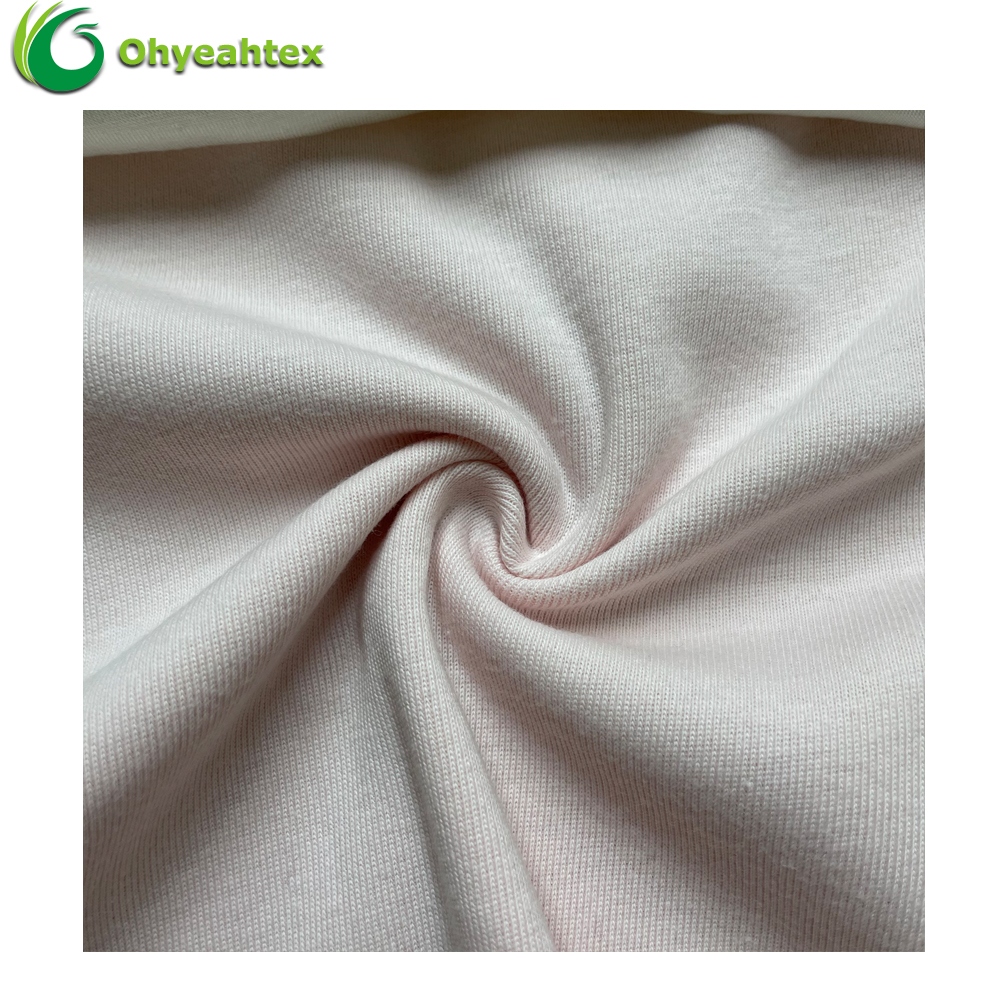
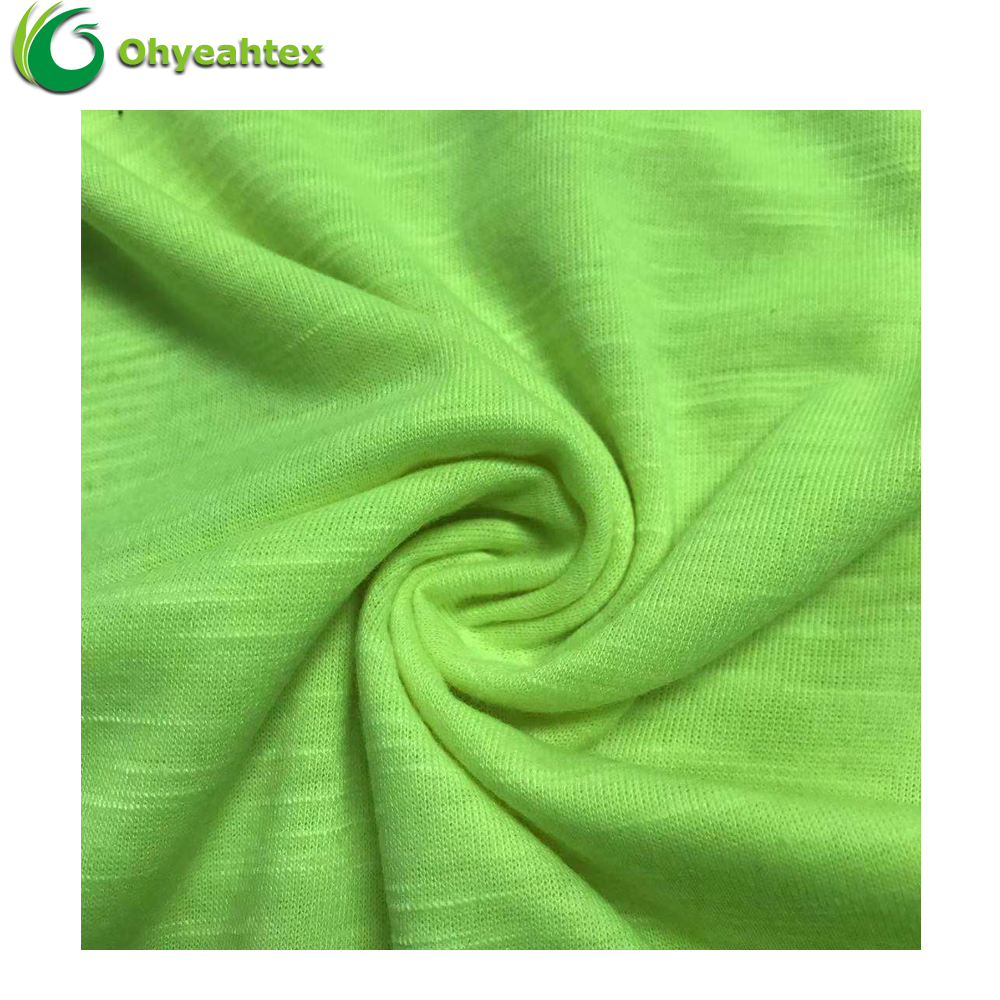
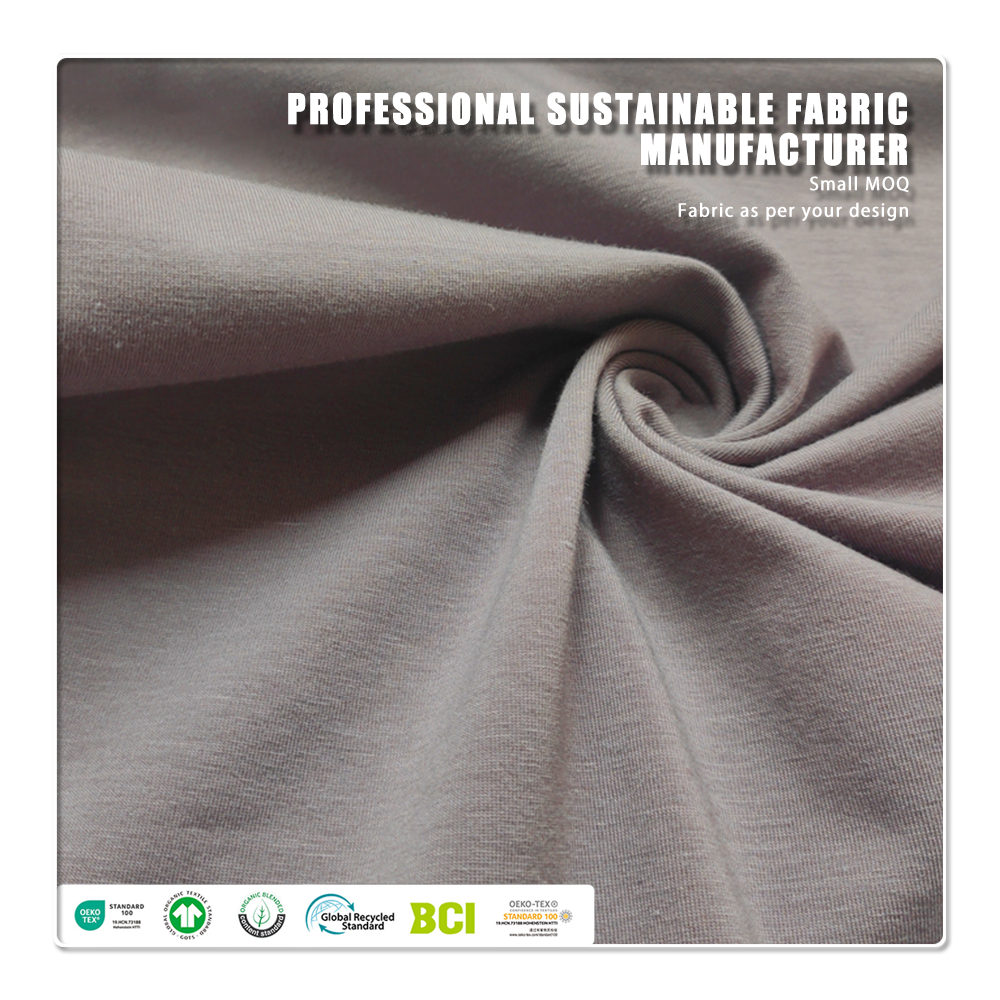
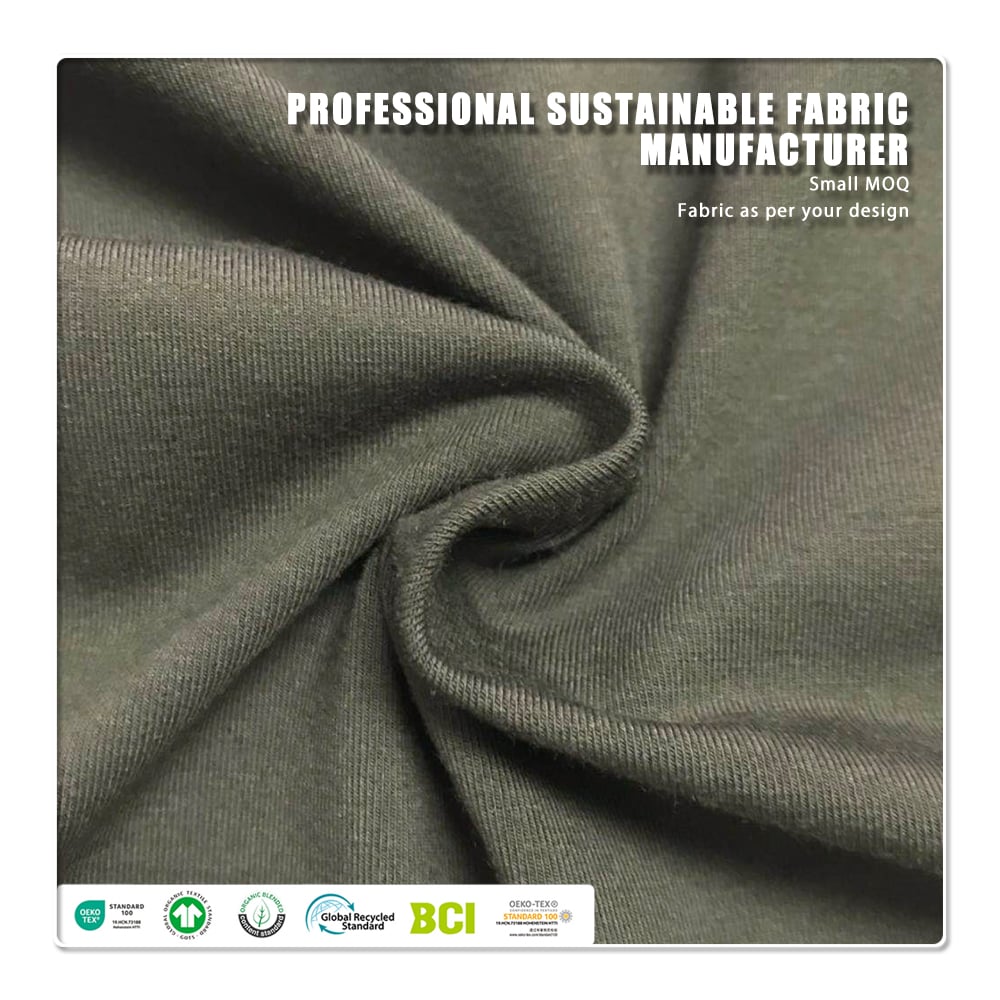
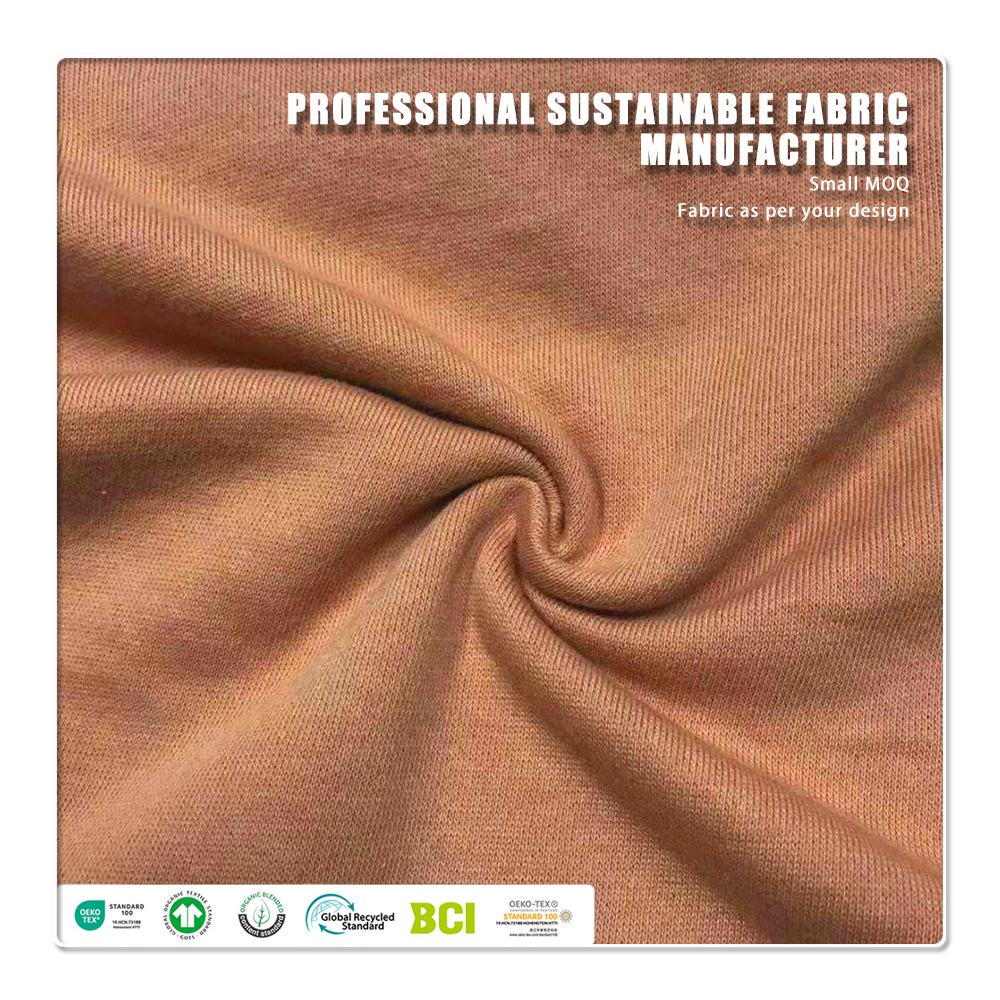
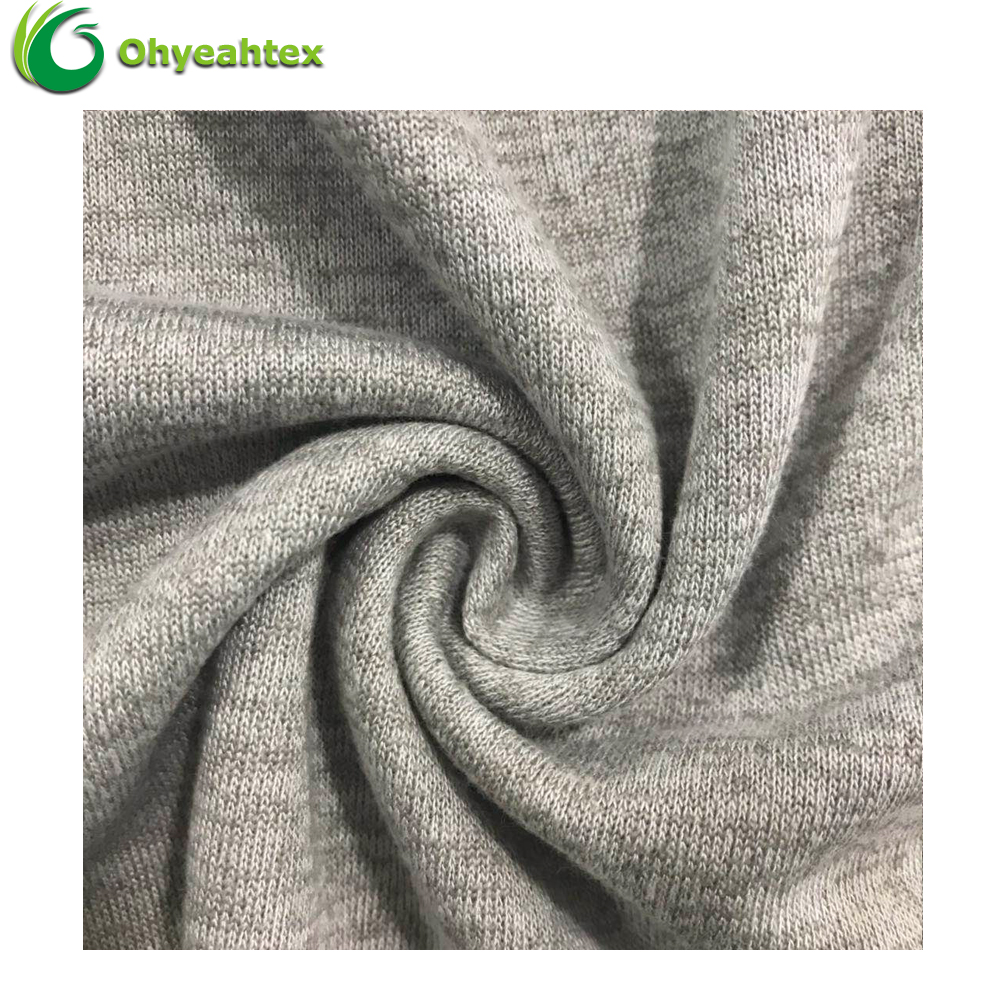
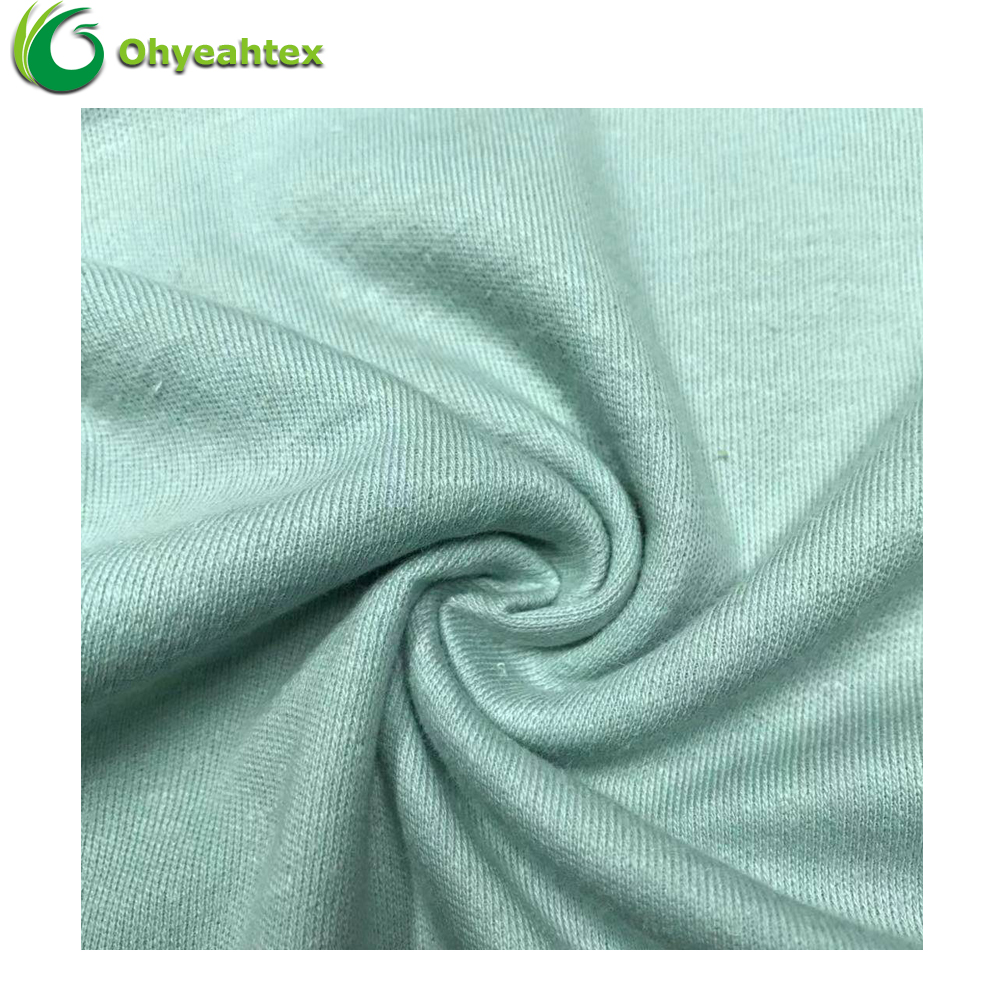
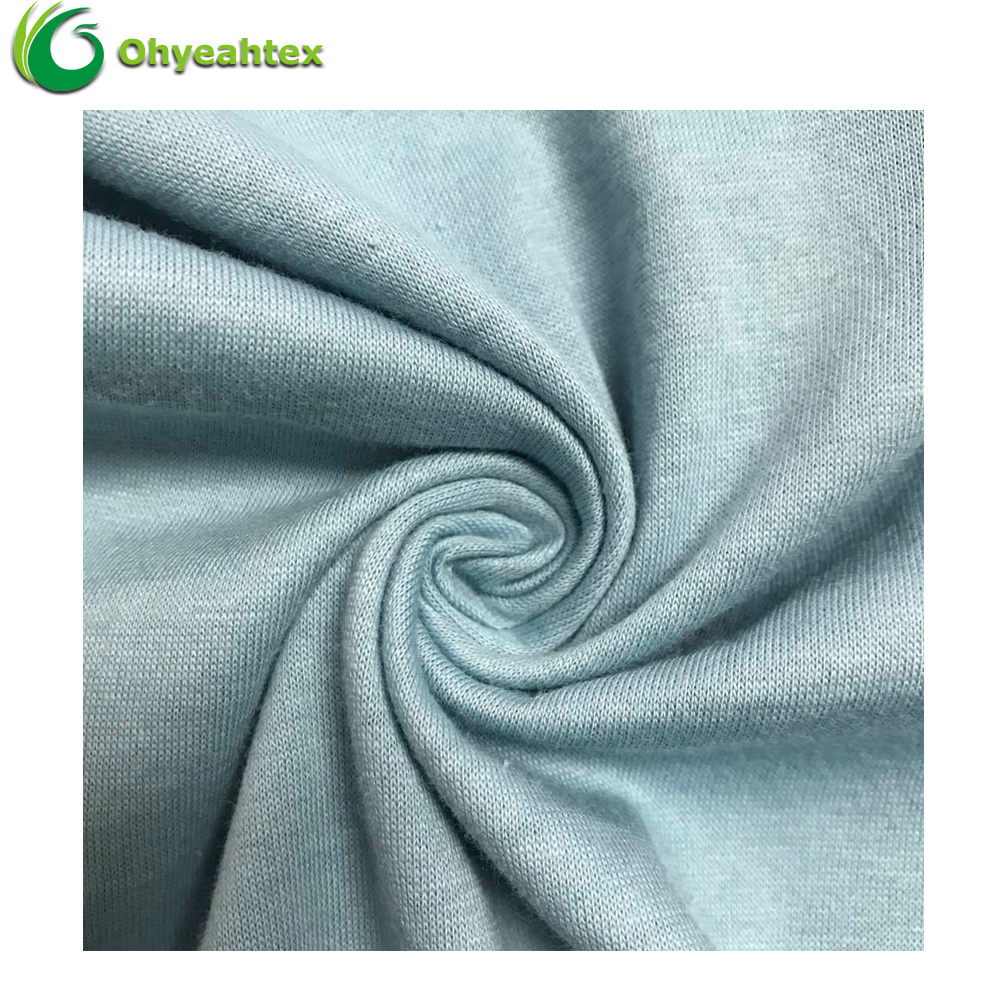
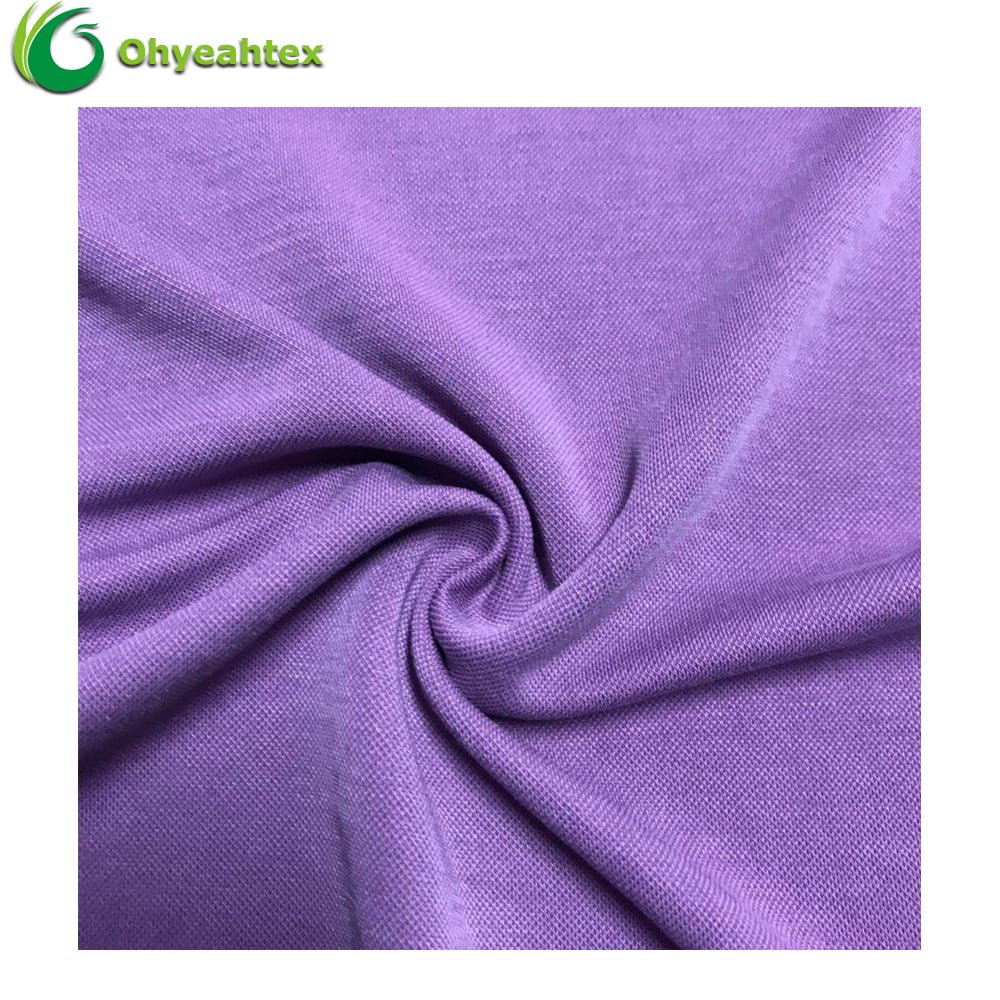
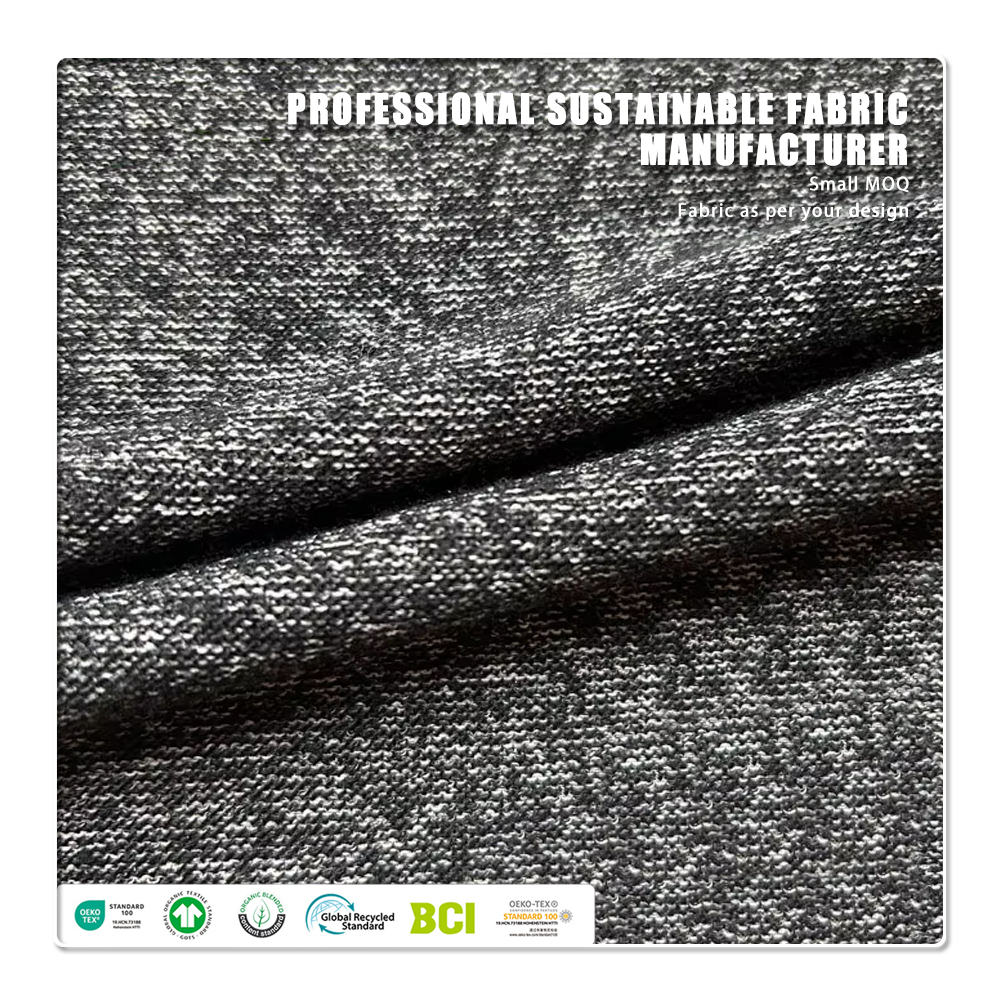
Key Specifications of Our Eco-Friendly Knitted Fabrics
When assessing eco-friendly knitted fabrics, several key specifications should be taken into account:
Material Composition: Look for fabrics made from sustainable sources, such as bamboo, organic cotton, or recycled polyester. Each material has unique properties that may affect the final product's performance.
Color Fastness: A color fastness rating of level 4-5 is ideal, as it indicates good resistance to fading from washing or exposure to light. This is crucial for maintaining the aesthetic appeal of clothing over time.
Shrinkage Rate: Fabrics with a shrinkage rate below 5% are preferable. This means less risk of distortion or changes in fit after laundering, which is vital for maintaining customer satisfaction.
Breathability and Comfort: Depending on the end-use of the garment, sustainable fabrics textiles should offer the right level of breathability and comfort. For example, bamboo fabrics are known for their natural moisture-wicking properties, making them suitable for activewear.
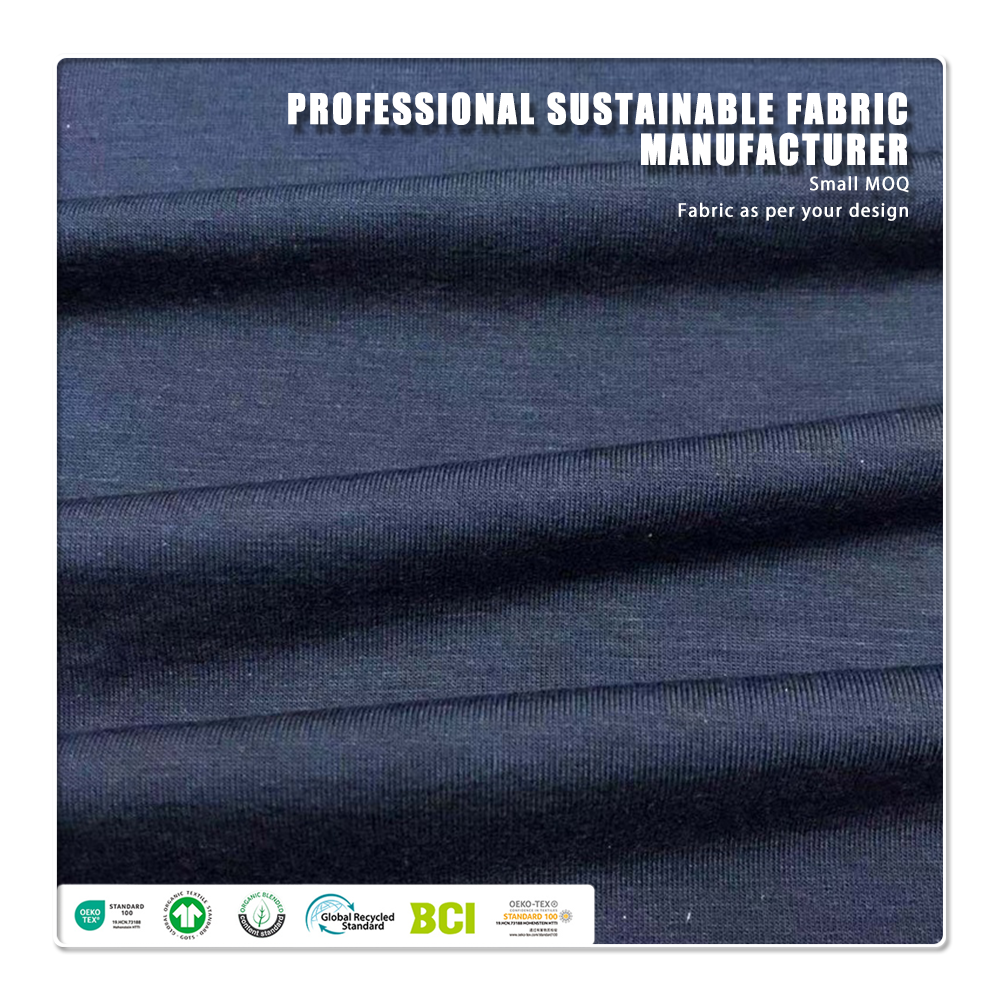
Eco-Certifications: Certifications such as GOTS and OEKO-TEX provide assurance that the fabrics meet environmental and social criteria, which can be a significant selling point for consumers.