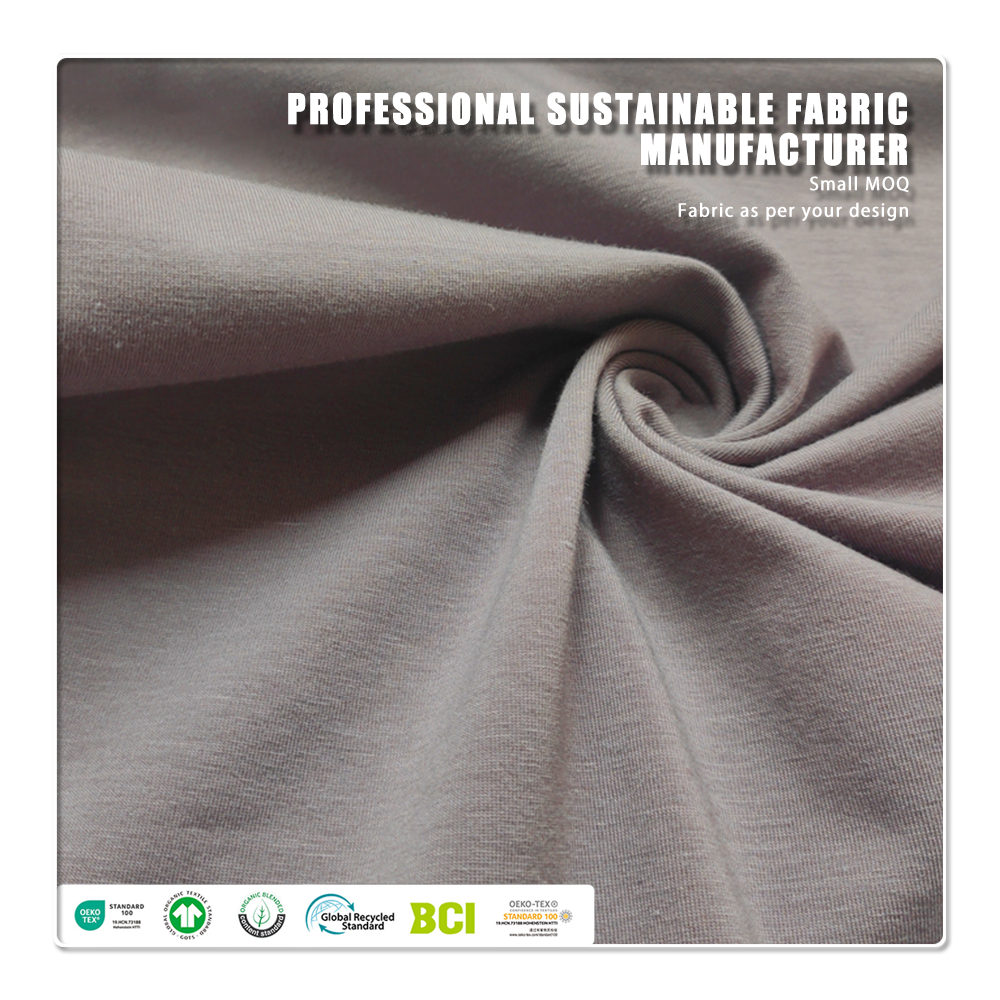
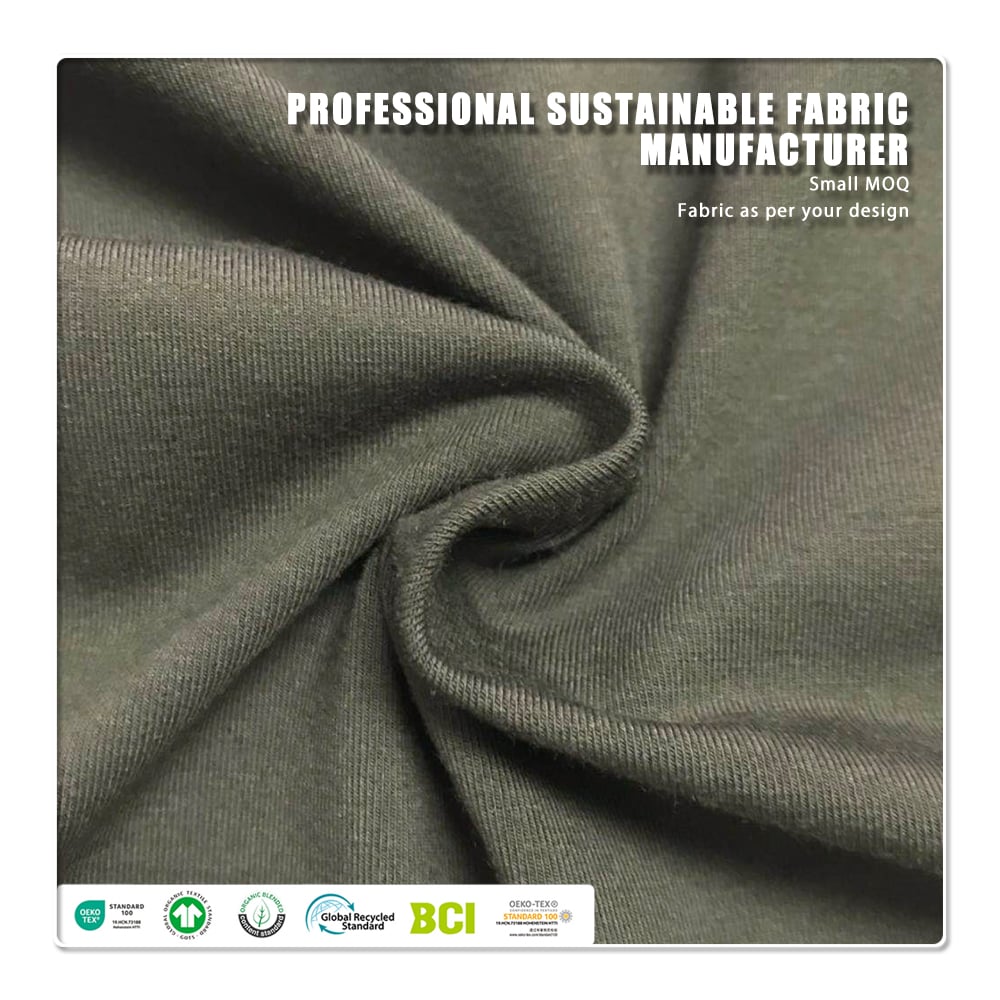
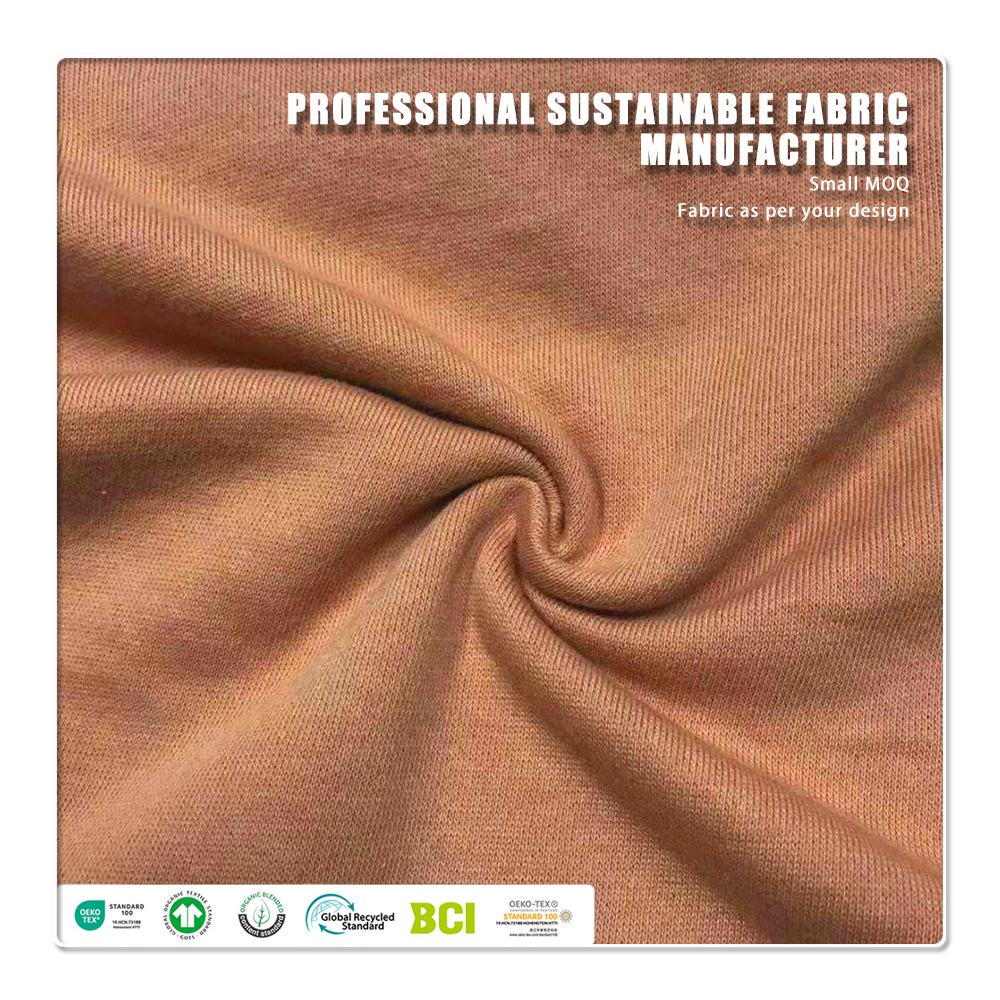
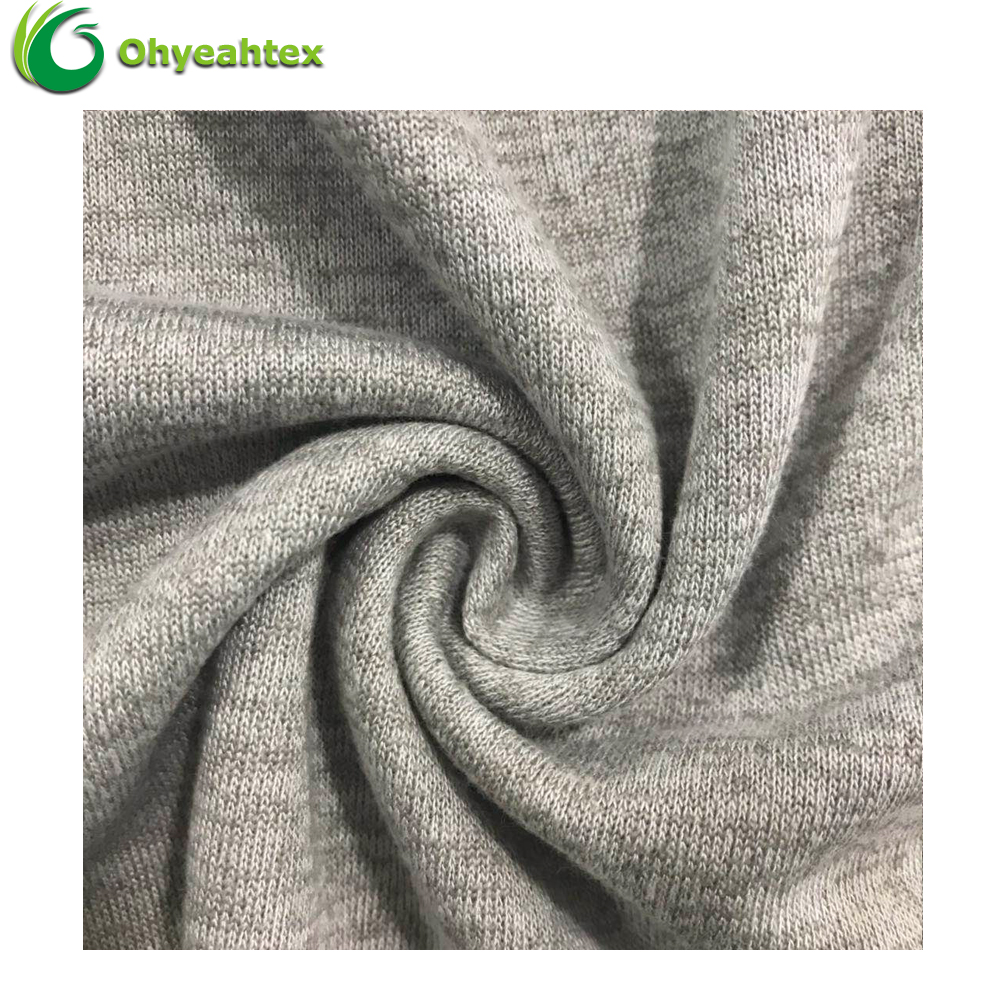
Sourcing High-Quality Sustainable Fashion Materials

Get a Free Quote

Our representative will contact you soon.
Email
Name
Mobile/WhatsApp
Company Name
Message
0/1000

Sustainable fashion materials

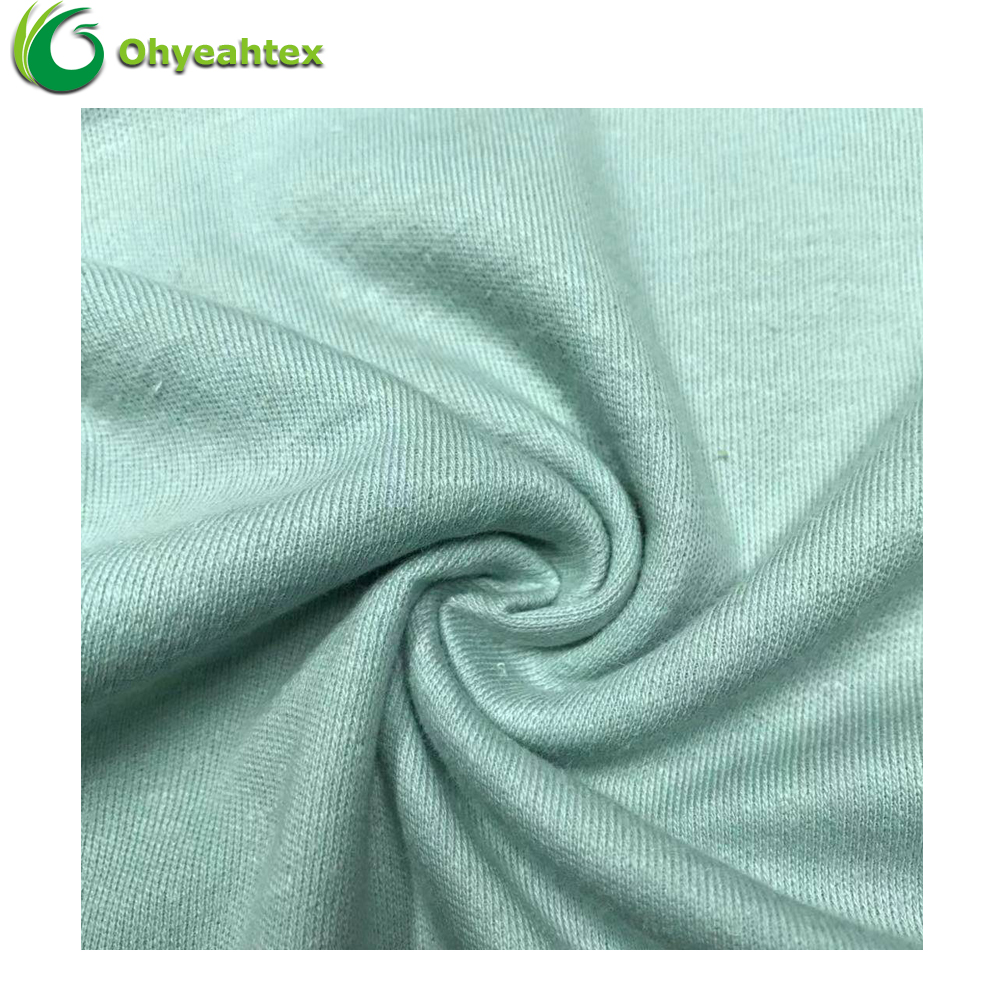
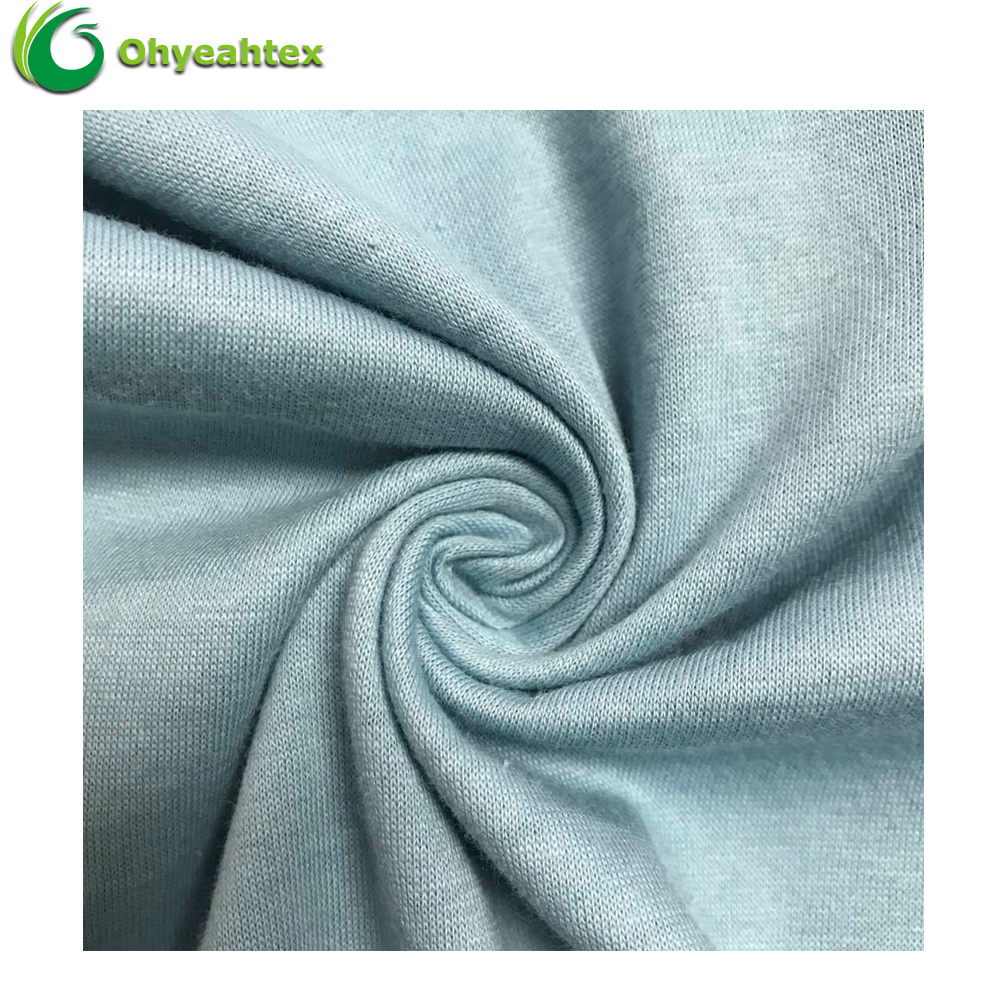
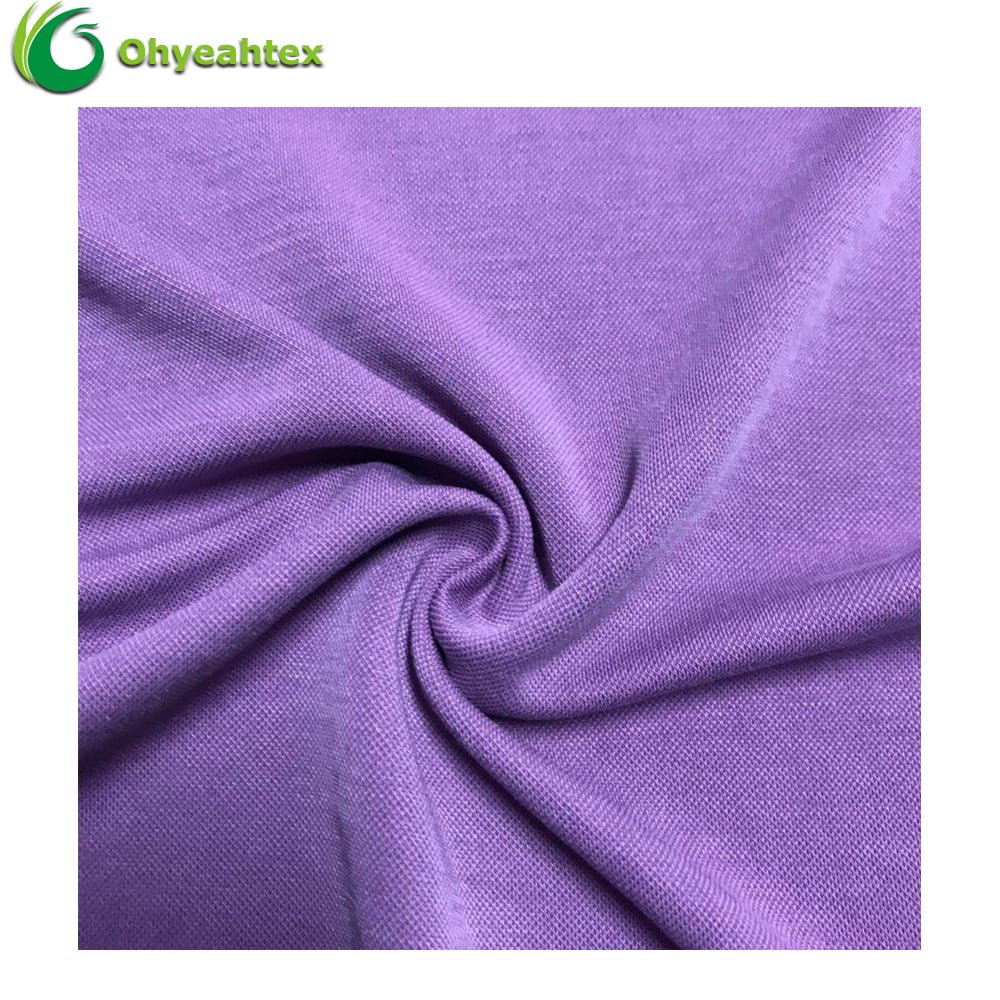
Sourcing sustainable fashion materials is a crucial consideration for businesses looking to align with eco-friendly practices and meet consumer demand for environmentally responsible products. This article will explore various aspects of sustainable bamboo fabric, particularly focusing on eco-friendly knitted eco-friendly fabrics such as bamboo, organic cotton, and recycled polyester. Key buyer concerns include material quality, application suitability, and production capabilities. Readers will gain insights into how to evaluate, select, and utilize these sustainable fashion materials effectively in their projects.
Our Products

How to Evaluate the Quality of Eco-Friendly Fabrics

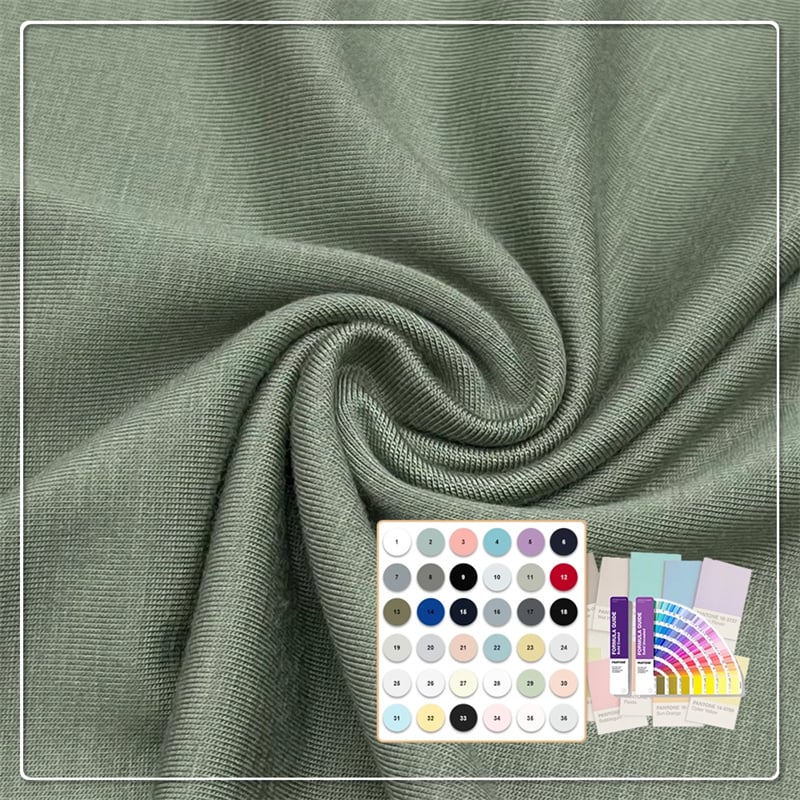
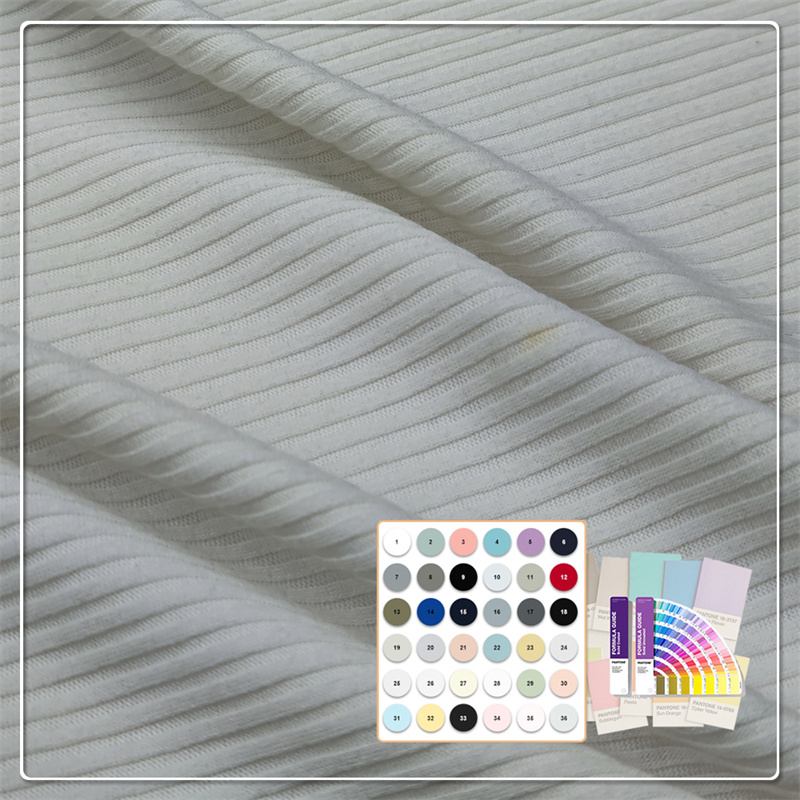
To ensure the quality of eco-friendly Ohyeah fabrics, several specifications should be evaluated. Firstly, buyers should look at the fabric’s color fastness, which indicates how well the color will hold up over time. A color fastness rating of level 4-5 is ideal, as it signifies that the fabric can withstand washing and exposure to sunlight without significant fading. 

Another important factor is shrinkage. Fabrics with a shrinkage rate below 5% are preferable, as they maintain their dimensions during washing and use. Buyers should also consider the fabric's tactile qualities; soft, luxurious eco-friendly fabrics often enhance the final product's appeal. 

Moreover, conducting physical inspections of fabric samples is essential. This allows buyers to assess the fabric's texture, weight, and overall appearance, which are critical for ensuring the final product meets design expectations. Collaborating with a manufacturer that has a robust quality control process can help in ensuring that the sustainable fashion materials consistently meet these quality standards.
Comparing Specifications of Bamboo, Cotton, and Recycled Polyester

When comparing Ohyeah sustainable fabrics like bamboo, organic cotton, and recycled polyester, it's essential to understand their unique specifications and benefits. 

Bamboo: Known for its softness and natural antibacterial properties, bamboo fabric is highly breathable and moisture-wicking, making it suitable for activewear and loungewear. Its production process is generally less resource-intensive compared to conventional cotton, making it a sustainable choice. 

Organic Cotton: Grown without synthetic pesticides or fertilizers, organic cotton is a safer choice for the environment and farmers. It offers excellent comfort and breathability but may require more water than bamboo. Organic cotton is ideal for a variety of applications, including casual wear and home textiles. 

Recycled Polyester: Made from post-consumer plastic bottles, recycled polyester helps reduce waste and conserve natural resources. It is durable, moisture-wicking, and quick-drying, making it ideal for activewear and outdoor clothing. However, it may not offer the same level of breathability as natural fibers. 

Understanding these specifications will help buyers choose the right fabric based on their project requirements, performance needs, and sustainability goals.

Choosing the Right Sustainable Fabric for Your Next Project

Selecting the right sustainable fabric involves evaluating the specific needs of your project alongside the characteristics of available materials. Start by defining the intended application: Is it for clothing, accessories, or home textiles? Each category may have different performance requirements. 

Next, consider the target audience and their preferences. For instance, if the target demographic values softness and comfort, bamboo or organic cotton may be preferable. Conversely, if durability and moisture management are paramount, recycled polyester might be the best option. 

Additionally, consider customization capabilities. Many manufacturers, like Shaoxing City Ohyeah Textile Co., Ltd., offer custom color options and fabric blends to cater to specific project needs. Discussing these options with suppliers can lead to innovative solutions that enhance your product's market appeal. 

Lastly, always request samples before making a bulk order. This allows you to assess the fabric's performance under actual conditions and ensure it meets your quality standards.

Installation Guidance for Eco-Friendly Textile Products

When it comes to installing eco-friendly textile products, following specific guidelines can ensure optimal performance and longevity. First, understand the recommended care instructions for your chosen fabric. For example, some eco-friendly fabrics may require gentle washing or air drying to maintain their integrity and appearance. 

If your project involves sewing or crafting with the fabric, ensure that the sewing equipment is compatible with the chosen material. Some eco-friendly fabrics, like bamboo, may require specialized needles or settings to avoid damage during the sewing process. 

Additionally, consider the environmental conditions where the finished product will be used. Factors such as humidity, exposure to sunlight, and mechanical stress can affect the fabric's performance. For instance, using recycled polyester in outdoor applications is advantageous due to its resistance to moisture and UV light. 

Finally, establish a clear maintenance plan for the end-users to ensure the longevity of the textile product. Providing care labels with instructions can significantly enhance customer satisfaction and product durability. 

By taking these factors into account, businesses can successfully incorporate modal fabric sustainable materials into their offerings while meeting the demands of quality and performance.

What to Consider When Sourcing Sustainable Fashion Materials

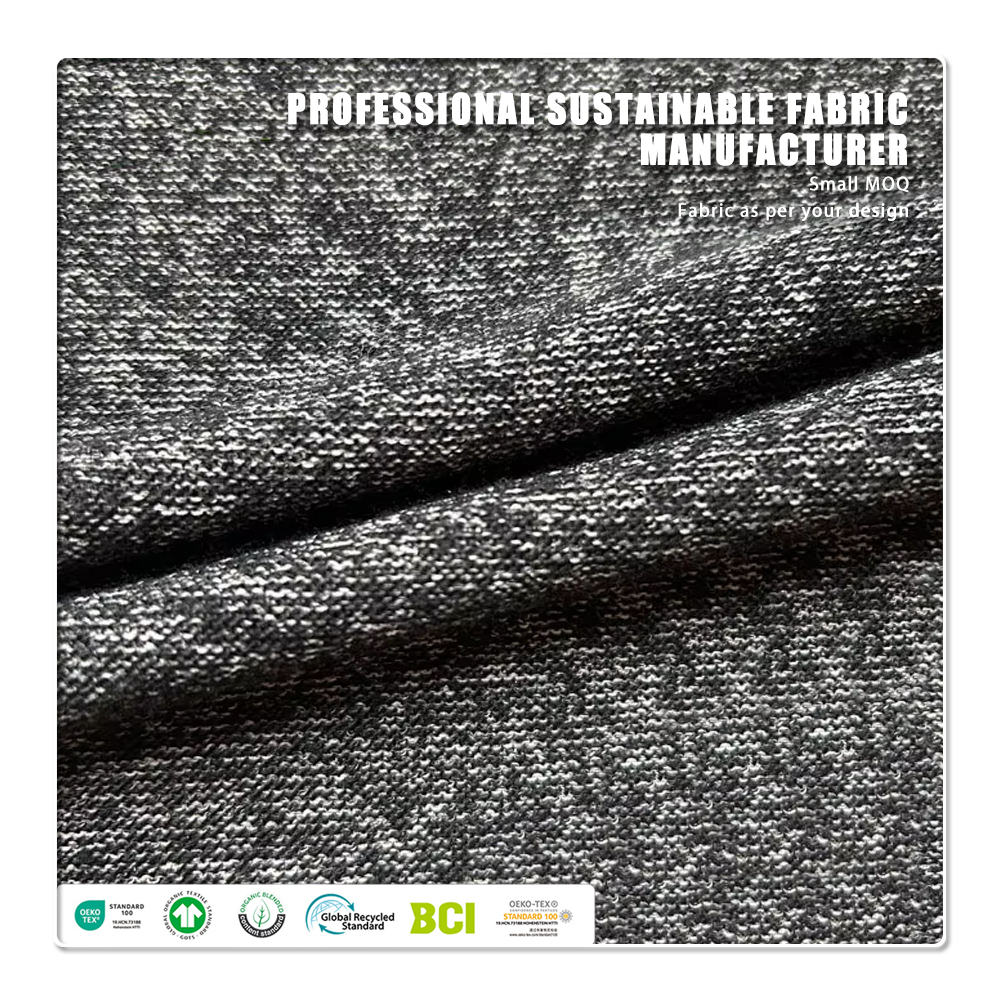
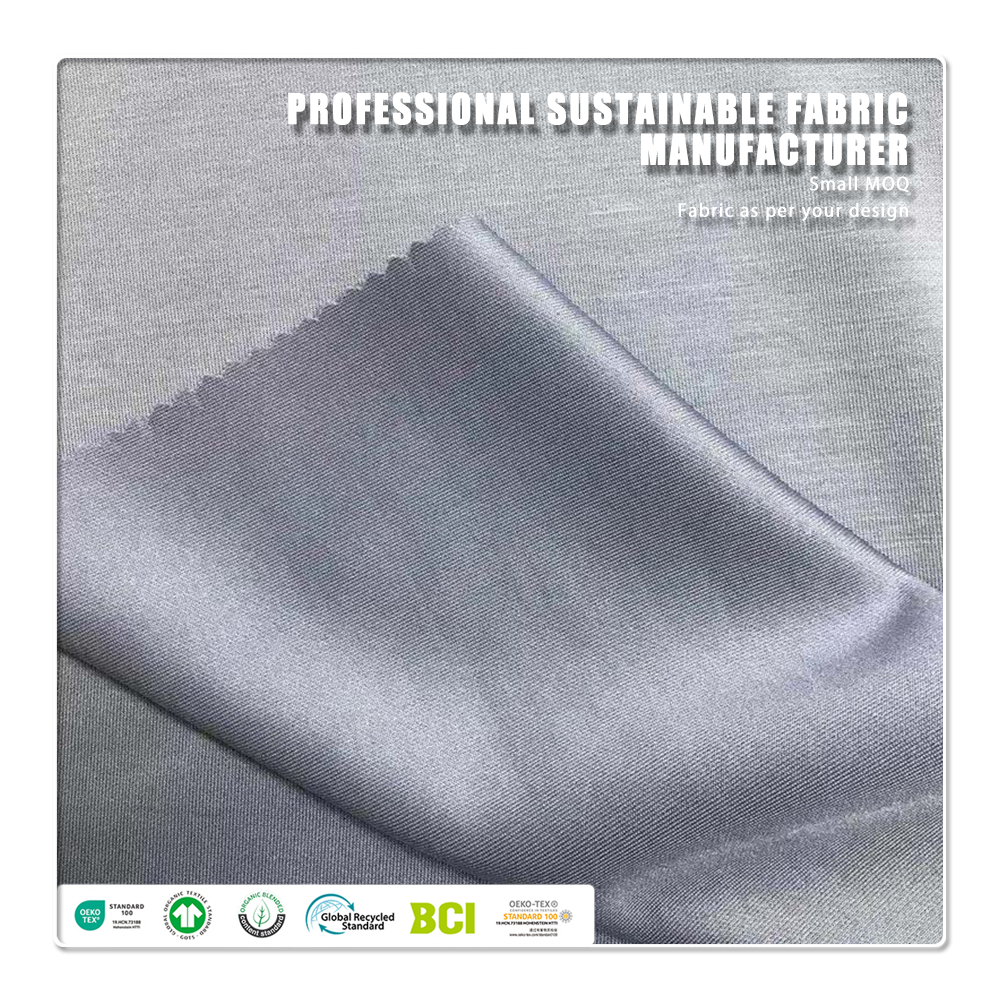
When sourcing sustainable fashion materials, buyers should consider several key factors. First, it's essential to evaluate the certifications of the fabrics, as these validate the eco-friendly claims. Certifications such as OEKO-TEX, GOTS, OCS, and GRS indicate that the sustainable fashion materials meet specific environmental and social criteria. 

Next, consider the production methods of the eco-friendly fabrics. Sustainable materials are often produced using processes that minimize waste and reduce carbon footprints. For instance, bamboo is known for its rapid growth and minimal water requirements, making it an excellent choice for environmentally conscious buyers. Additionally, understanding the source of the raw materials is crucial; sourcing from responsible suppliers ensures that the entire supply chain is sustainable fabric. 

Finally, buyers should assess the end-use of the fabric. Different applications may require specific performance characteristics such as durability, breathability, and color retention. For example, eco-friendly fabrics intended for activewear should possess high stretchability and moisture-wicking properties.

Our Blog Posts

Sourcing Bamboo Fabric: From Ancient Groves to Modern Comfort

14

Jul

Sourcing Bamboo Fabric: From Ancient Groves to Modern Comfort

Bamboo. A simple word. Yet, it carries millennia of human ingenuity and a silent revolution in modern textiles. It's not just the stuff of panda diets or serene Asian paintings. Bamboo is a story of survival, adaptability, and enduring utility. From ...
View More
The Supply Chain Dynamics of Bamboo Fabric from Manufacturer to Export

14

Oct

The Supply Chain Dynamics of Bamboo Fabric from Manufacturer to Export

Ecofriendly and Organic Bamboo Fabric Source for Wholesale BuyersFor wholesale buyers looking for eco-friendly fabric options, buying bamboo fabric from Ohyeah Textile Co., Ltd. means that support for the environment and ethics are built into the ent...
View More
The Science of Bamboo Fabric: Manufacturing, History, and Eco-Impact

14

Jan

The Science of Bamboo Fabric: Manufacturing, History, and Eco-Impact

Eco-Science Briefing Often hailed as the "Queen of Fibers," bamboo fabric merges 1,700 years of Chinese heritage with modern Closed-loop Systems. Known for its "Bamboo Kun" antibacterial agent and a micro-porous structure that absorbs 1.5x more mois...
View More
The Role of Tencel Lyocell in Creating Lightweight Knit Fabrics

29

May

The Role of Tencel Lyocell in Creating Lightweight Knit Fabrics

Lightweight knits are becoming an essential part of any modern wardrobe,and for good reason:not only are they comfortable and breathable,but they also allow for effortless layering. However,to create a light,airy knit without sacrificing integrity,a ...
View More

Get a Free Quote

Our representative will contact you soon.
Email
Name
Mobile/WhatsApp
Company Name
Message
0/1000

Get a Free Quote

Our representative will contact you soon.
Email
Name
Mobile/WhatsApp
Company Name
Message
0/1000