Sourcing Tencel Modal: Key Considerations for Buyers

Get a Free Quote

Our representative will contact you soon.
Email
Name
Mobile/WhatsApp
Company Name
Message
0/1000

tencel modal

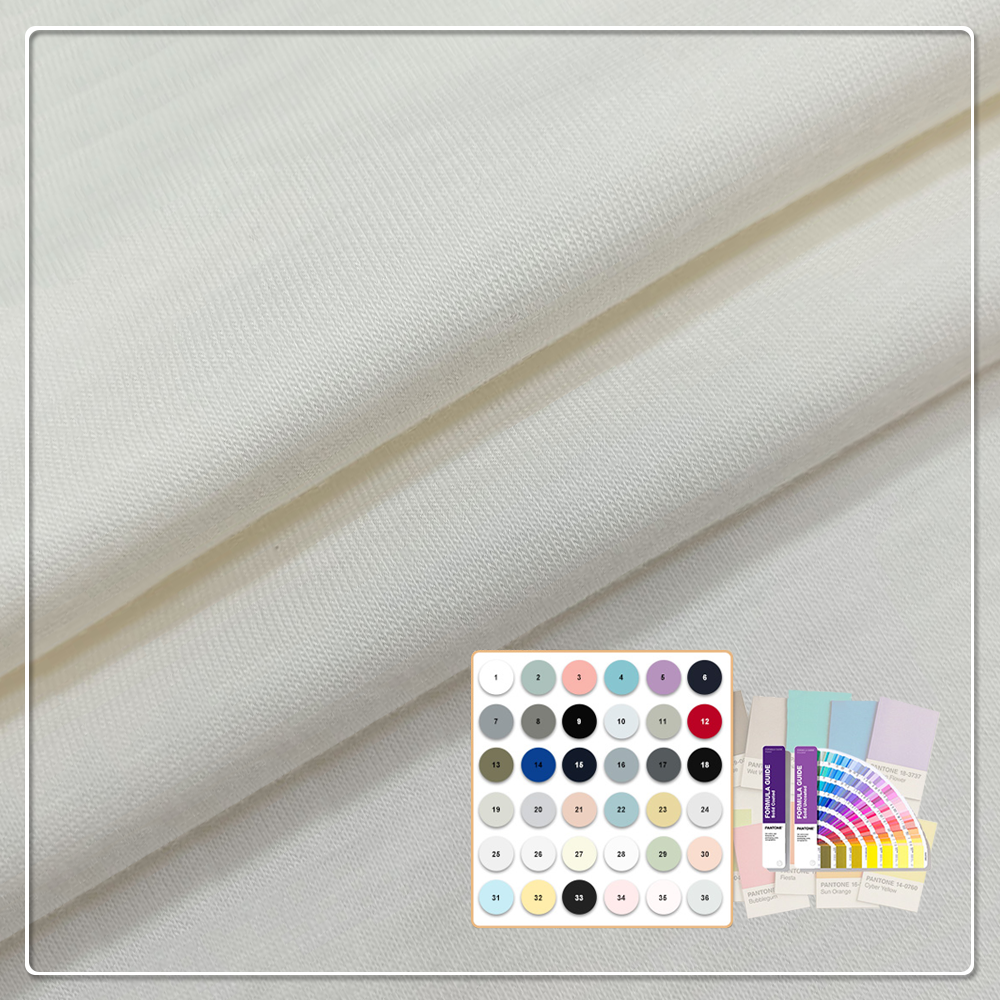
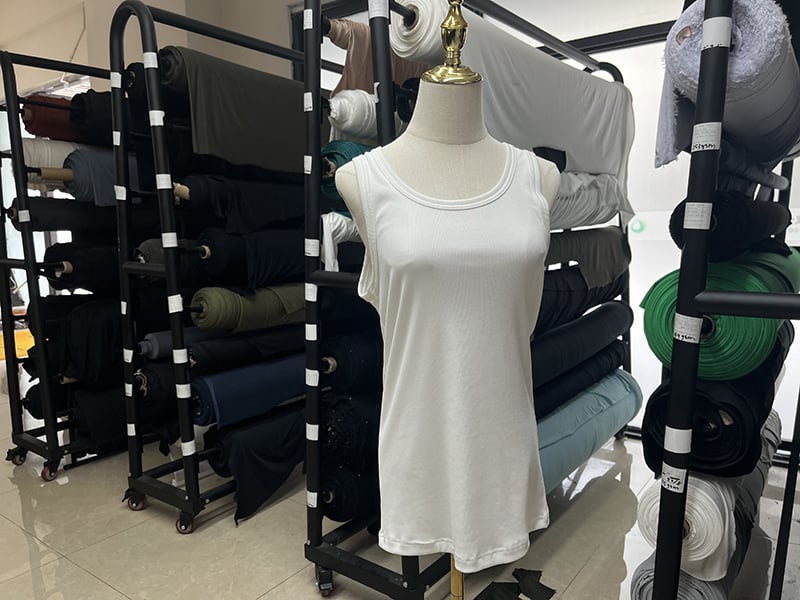
Tencel modal is an innovative, eco-friendly fabric derived from sustainably sourced beech trees, known for its softness, breathability, and biodegradability. As B2B buyers in the textile industry, understanding the nuances of sourcing Tencel modal is crucial for making informed purchasing decisions. This article addresses key concerns such as quality, specifications, and application suitability, providing valuable insights for purchasing managers, distributors, and product managers looking to integrate Tencel modal into their offerings.

Key Specifications of Tencel Modal for Industrial Applications

Tencel modal boasts specific performance characteristics that make it suitable for a wide range of industrial applications. Key specifications to consider include:

Weight and Thickness: Tencel modal fabrics are available in various weights, typically ranging from lightweight (150-200 g/m²) to heavier options (300 g/m² and above). The weight impacts the fabric's drape, durability, and application suitability. For instance, heavier weights are often preferred for upholstery, while lighter weights are ideal for garments.

Color Fastness: Tencel modal fabrics generally exhibit high color fastness (levels 4-5), ensuring that colors remain vibrant even after multiple washes. This quality is particularly important for products that undergo frequent use, such as uniforms and activewear.

Shrinkage: With a shrinkage rate below 5%, Tencel modal maintains its shape and size after washing, which is a critical consideration for buyers concerned about product longevity and customer satisfaction.

Moisture Management: Tencel modal is known for its excellent moisture-wicking properties, making it suitable for sportswear and active apparel. This feature helps regulate body temperature and enhances comfort, appealing to consumers seeking high-performance textiles.

Understanding these specifications will enable buyers to select the right Tencel modal options for their specific applications, ensuring optimal product performance.
How to Compare Tencel Modal with Other Eco-Friendly Fabrics

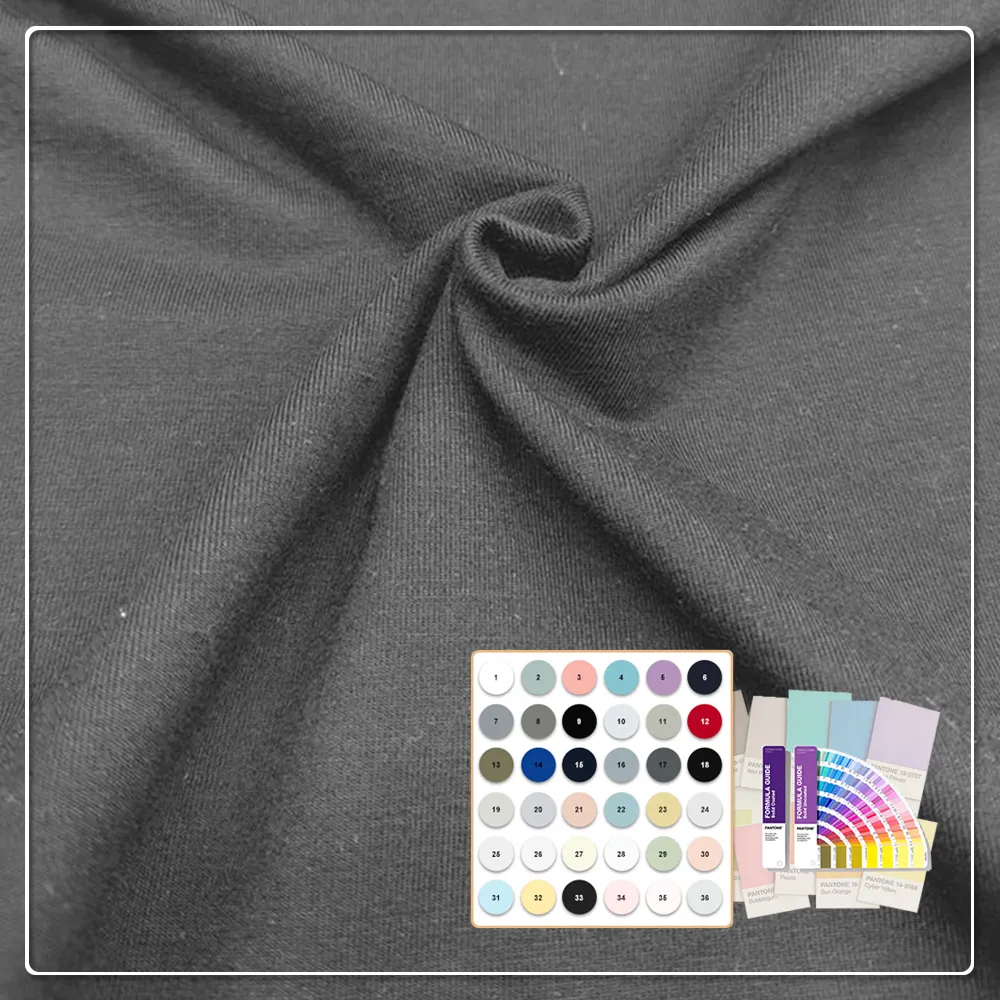
When comparing Tencel modal to other eco-friendly fabrics, such as organic cotton, bamboo, or recycled polyester, several factors should be taken into account:

Sustainability: Tencel modal is produced from sustainably sourced beech trees, while organic cotton requires significant water and land resources. Bamboo is often touted for its rapid growth, but the processing methods can sometimes involve harmful chemicals. Buyers should evaluate the entire lifecycle of each fabric to determine its true environmental impact.

Performance Characteristics: Tencel modal typically outperforms many eco-friendly alternatives in terms of softness, drape, and color retention. While organic cotton is soft, it may not match the luxurious feel of modal. Similarly, bamboo can feel smooth but may lack the durability offered by Tencel modal.

Cost: Pricing can vary significantly between these materials. Tencel modal tends to be priced higher than organic cotton but may offer better longevity and performance, making it a more cost-effective choice in the long run. Buyers should consider their target market and pricing strategy when evaluating fabric options.

End Use: Assess the intended application of the fabric. Tencel modal is well-suited for high-end apparel, home textiles, and activewear, while materials like recycled polyester may be preferred for outerwear or industrial applications due to their durability and resistance to wear.

By weighing these factors, buyers can make informed decisions that align with their brand values and customer expectations.

Quality Control Measures for Tencel Modal Fabrics in Manufacturing

Quality control is paramount when manufacturing Tencel modal fabrics to ensure consistency and performance. Effective measures include:

Pre-Production Sampling: Before mass production, it is crucial to approve a finished sample. This allows buyers to verify that the fabric meets the desired specifications in terms of appearance, texture, and performance. It's important to assess the sample under actual operating conditions to mimic real-world use.

In-Process Inspections: Conducting inspections during production can help identify potential issues early. This may include checking for consistent dyeing, ensuring the absence of defects, and confirming that equipment settings are optimized for Tencel modal processing.

Final Quality Checks: After production, fabrics should undergo comprehensive quality assessments. Key aspects to evaluate include color fastness, shrinkage rates, and overall fabric integrity. Establishing clear quality criteria and tolerances will help maintain high standards.

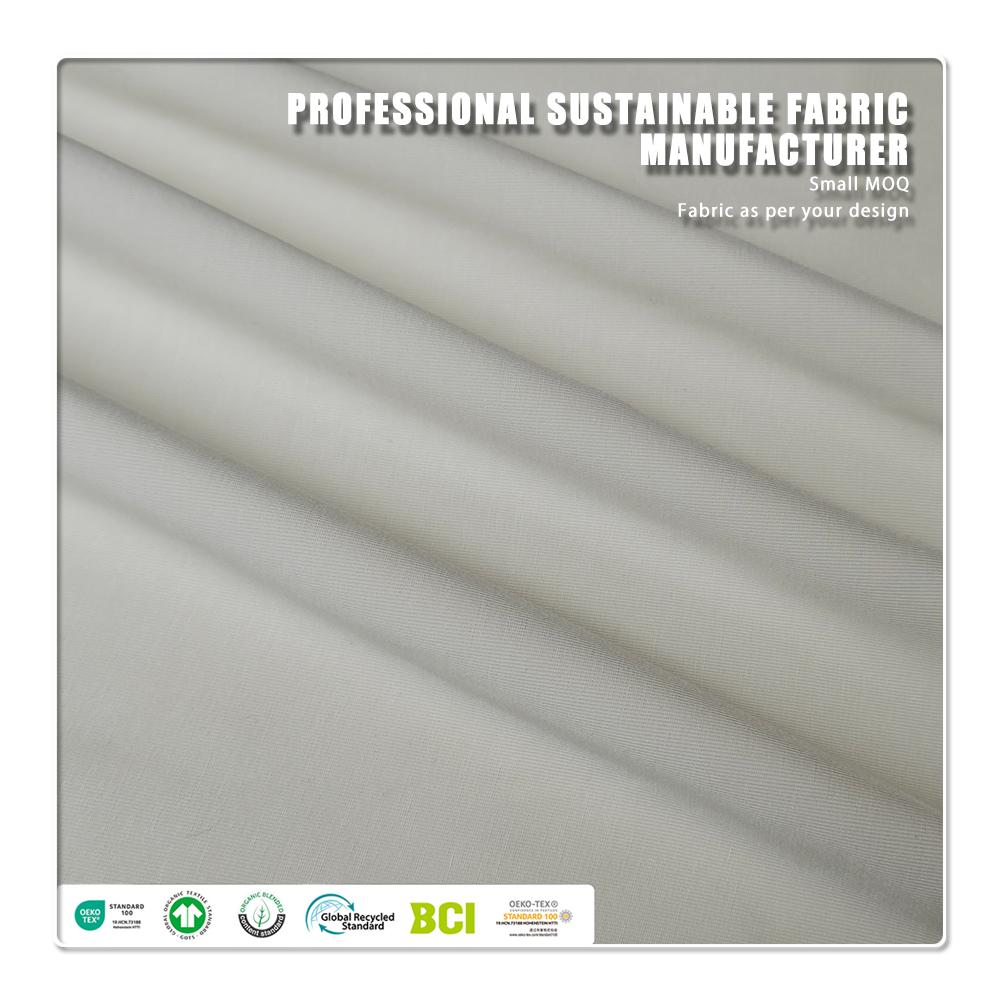
Certification Compliance: Ensure that the manufacturing process complies with relevant certifications such as OEKO-TEX and GOTS. Regular audits and third-party inspections can help maintain compliance and build trust with customers.

Implementing these quality control measures can significantly reduce the risk of product returns and enhance customer satisfaction.

Installation Guidance for Tencel Modal in Various Projects

Installing Tencel modal fabrics across different projects requires specific considerations to maximize performance and aesthetics:

Preparation: Before installation, it's advisable to pre-wash Tencel modal fabrics to remove any residual chemicals and to account for minor shrinkage. This step can help prevent issues during installation and ensure the final product meets customer expectations.

Cutting and Handling: Use sharp tools for cutting Tencel modal to avoid fraying. The fabric's smooth texture can make it slippery, so securing it properly during cutting and sewing is essential. Employing fabric weights or clamps can help maintain position.

Sewing Techniques: Utilize the appropriate needle and thread for Tencel modal. A fine needle (e.g., 70/10 or 80/12) is recommended, along with a polyester or cotton thread. This combination will help prevent fabric damage and ensure secure seams.

Care Instructions: Provide customers with clear care instructions for maintaining Tencel modal products. Generally, machine washing on a gentle cycle with cold water and line drying is recommended to preserve fabric quality.

By following these installation guidelines, manufacturers and buyers can ensure that Tencel modal fabrics perform optimally in their end applications, enhancing customer satisfaction and product longevity.

What to Consider When Sourcing Tencel Modal for Wholesale Orders

When sourcing Tencel modal for wholesale orders, several critical factors must be evaluated to ensure that the fabric meets specific application needs. First, consider the fiber content and its sustainability credentials. Tencel modal is produced via a closed-loop process that recycles water and solvents, making it an eco-friendly choice. Verify the supplier's certifications, such as OEKO-TEX, GOTS, or FSC, which attest to the sustainability of the manufacturing practices.

Next, assess the minimum order quantities (MOQs) and lead times. Suppliers may have varying MOQs based on their production capacity and inventory levels. It can be beneficial to establish a relationship with a manufacturer that offers flexibility in order sizes, especially for new product lines or seasonal collections. Additionally, understanding the lead times will help in planning your inventory and meeting market demands effectively.

Finally, request samples before committing to a larger order. Evaluating the fabric's performance in terms of color fastness, shrinkage, and overall feel will help ensure it aligns with your quality expectations and customer requirements. This is particularly relevant when comparing organic cotton fabrics or other alternatives.

Our Blog Posts

How long does bamboo fabric last

04

Feb

How long does bamboo fabric last

One thing I know is the news about bamboo fabric is that in the sustainable clothing industry, it is renowned as a calming fabric due to its fluffy feel, breathability, and greenery. One of the most realistic questions that are frequently posed by de...
View More
Bio-Based Fabric: The Complete Buyer's Guide

13

Oct

Bio-Based Fabric: The Complete Buyer's Guide

A practical sourcing manual for brands, importers, and product developers Reference manufacturer example: Shaoxing City Ohyeah Textile Co., Ltd., eco-friendly fabric specialist (bamboo, organic cotton, rayon, Lenzing™ Modal, TENCEL™ Lyoc...
View More
How Tencel Lyocell Material Helps Brands Meet Sustainability Goals

13

Oct

How Tencel Lyocell Material Helps Brands Meet Sustainability Goals

Today, for any fashion brands, sustainability can no longer be seen as a “nice to have”- it is becoming an expectation. It is expected that fashion businesses are transparent with their production processes, they are to produce their garm...
View More
The Aesthetic Power of Tencel Lyocell’s Natural Draping and Sheen

13

Oct

The Aesthetic Power of Tencel Lyocell’s Natural Draping and Sheen

Everything is aesthetics in the realm of high end fashion. The way a work is flowing, how it catches light and how it follows the figure can cause a simple figure to shine as an embodiment of high-end style. It has also taken us over 20 years to mast...
View More

Get a Free Quote

Our representative will contact you soon.
Email
Name
Mobile/WhatsApp
Company Name
Message
0/1000

Related product categories

Get a Free Quote

Our representative will contact you soon.
Email
Name
Mobile/WhatsApp
Company Name
Message
0/1000