Choosing Tencel Modal Fabric for Wholesale Orders

Get a Free Quote

Our representative will contact you soon.
Email
Name
Mobile/WhatsApp
Company Name
Message
0/1000

tencel modal fabric

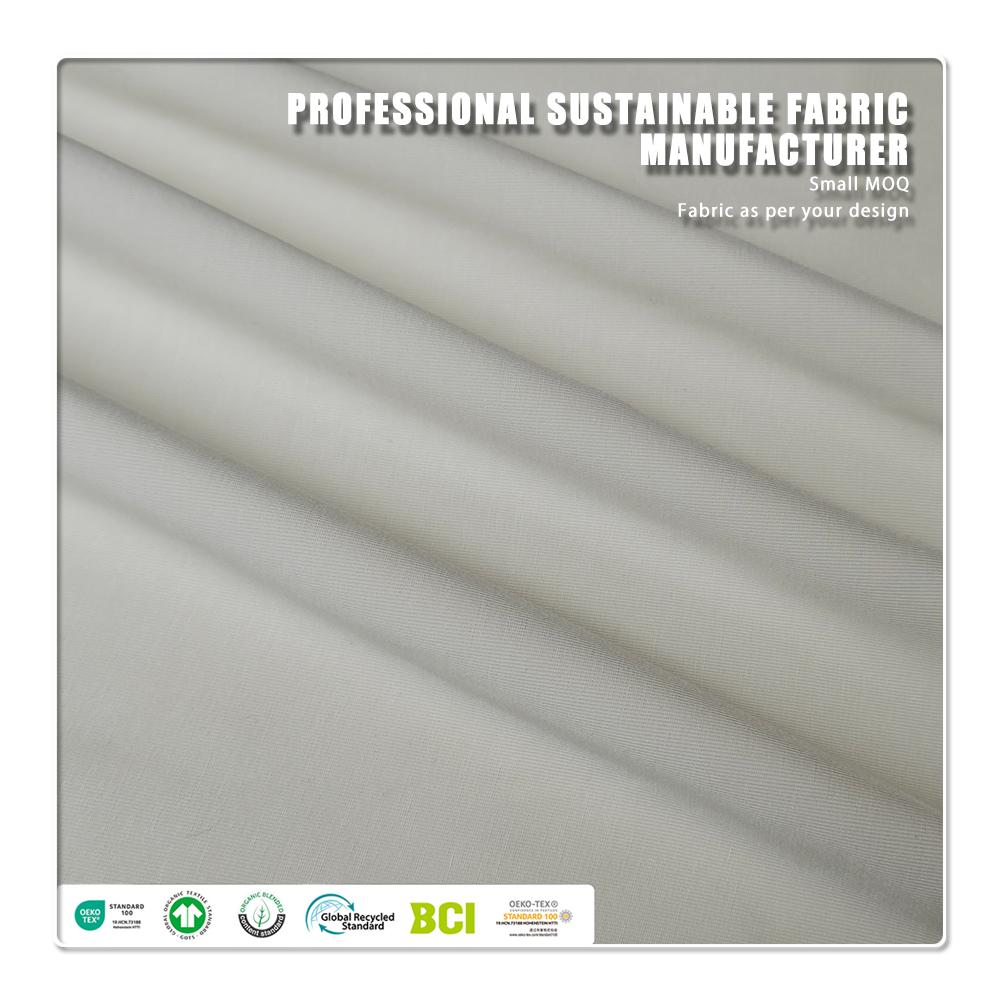
Tencel modal fabric is a biodegradable textile derived from sustainably sourced wood pulp, typically from beech trees. Its eco-friendly properties are becoming increasingly appealing to manufacturers and buyers in the textile industry. As more companies prioritize sustainable materials, understanding the intricacies of Tencel modal fabric becomes crucial for purchasing managers, distributors, and product developers. This article will provide insights into choosing Tencel modal fabric for wholesale orders, its benefits in enhancing product quality, key specifications to consider, common challenges, and a comparison with other eco-friendly fabrics.

How Tencel Modal Fabric Enhances Product Quality in Textile Manufacturing

Tencel modal fabric is renowned for its exceptional quality, which can significantly impact the overall product. One of the standout features is its high color fastness, rated between 4-5, ensuring that colors remain vibrant even after multiple washes. This characteristic is particularly advantageous for garments that require long-lasting color integrity.

Moreover, Tencel modal's moisture-wicking and breathable properties enhance comfort, making it an ideal choice for activewear and undergarments. The fabric's natural softness contributes to a luxurious feel, which can elevate the perception of quality among consumers. By incorporating Tencel modal into their products, manufacturers can improve customer satisfaction and potentially reduce return rates due to dissatisfaction with fabric performance.

Key Specifications of Tencel Modal Fabric for Bulk Purchasing

When purchasing Tencel modal fabric in bulk, specific specifications should be confirmed to ensure the material meets your production needs. Key specifications include:

Weight and Thickness: Tencel modal fabric can vary in weight, typically ranging from lightweight to medium thickness. Confirming the weight is essential for applications such as summer clothing or heavier winter fabrics. Shrinkage Rate: It is critical to verify the fabric's shrinkage rate, which should ideally be below 5%. This ensures that finished products maintain their shape and fit after washing. Texture and Finish: Tencel modal can be produced in various textures and finishes, from smooth to textured variations. The texture can impact the final product's aesthetic and feel. Width: Standard widths for Tencel modal fabric often vary, so confirming the width is essential for production planning.

By understanding these specifications, buyers can make more informed decisions that align with their manufacturing processes and product requirements.

Common Problems Faced with Tencel Modal Fabric and Their Solutions

Despite its many advantages, Tencel modal fabric can present challenges during production and usage. One common issue is improper handling during washing, leading to potential damage. To mitigate this, manufacturers should provide clear care instructions to consumers, recommending gentle washing and avoiding harsh detergents.

Another issue can arise from the fabric's sensitivity to high heat during the drying process, which may cause shrinkage or distortion. To address this, it is advisable to dry Tencel modal fabrics at low temperatures or air dry them.

Additionally, buyers may encounter inconsistencies in color or texture, particularly with large orders. Conducting pre-production sample tests can help identify any discrepancies before mass production begins, ensuring quality control is maintained.

Comparing Tencel Modal Fabric with Other Eco-Friendly Fabrics

When evaluating Tencel modal fabric against other eco-friendly options, such as bamboo and organic cotton, several factors come into play. Tencel modal fabric offers a superior drape and softness compared to many organic cotton varieties, which can sometimes feel coarser. This makes Tencel modal fabric an attractive option for high-end apparel.

In contrast, bamboo fabric has gained popularity for its antimicrobial properties, but it may not match Tencel modal's color retention and durability. Additionally, Tencel modal is produced through a closed-loop process that recycles water and solvents, reducing environmental impact compared to some other materials.

From a purchasing perspective, Tencel modal tends to have a higher price point than basic cotton, but this investment can yield greater consumer satisfaction and lower return rates due to its quality attributes. Ultimately, the choice between these fabrics should consider the specific application, desired performance, and brand positioning.

Understanding Tencel modal fabric's properties, specifications, and challenges allows purchasing managers and product developers to make informed decisions that enhance product quality and sustainability in textile manufacturing. With Shaoxing City Ohyeah Textile Co., Ltd.'s expertise and commitment to quality, sourcing Tencel modal fabric can be a strategic choice for businesses aiming to meet the growing demand for eco-friendly textiles.

What to Consider When Choosing Tencel Modal Fabric for Wholesale Orders

When selecting Tencel modal fabric for wholesale orders, several factors must be evaluated to ensure the right choice for your application. Firstly, consider the fabric's intended use—whether for clothing, home textiles, or other applications. The fabric's softness, breathability, and drape are essential characteristics that can impact the final product's performance and appeal.

Buyers should also analyze the fabric's certifications, such as OEKO-TEX, GOTS, and OCS, which guarantee its eco-friendly and sustainable production processes. Additionally, understanding lead times and minimum order quantities (MOQ) is critical. With a monthly output of 200 tons, Shaoxing City Ohyeah Textile Co., Ltd. can accommodate various order sizes, but discussing specific needs with the manufacturer is advisable to avoid delays. For example, when looking for sustainable options, consider Organic Cotton Fabric as an alternative.

Lastly, ensure that you communicate your customization requirements clearly. This may include specific colors, patterns, or finishes that align with your brand identity.

Our Blog Posts

How is Bamboo Made Into Fabric

14

Oct

How is Bamboo Made Into Fabric

Making the Ultra Soft Fabric from BambooBamboo fabric is a widely used material in the textile and fashion industry because of its natural softness, texture and warmth. At Ohyeah Textile Co., Ltd, we specialize in making use of the magic of bamboo fi...
View More
The Durability Performance of Tencel Modal in Knit Fabric Production

29

May

The Durability Performance of Tencel Modal in Knit Fabric Production

Durability is fundamental in quality knitwear. A fabric that is beautiful but falls apart after a few washes cannot satisfy today's consumers. Fiber selections with confirmed durability performance are important for knit fabric manufac...
View More
The Aesthetic Power of Tencel Lyocell’s Natural Draping and Sheen

13

Oct

The Aesthetic Power of Tencel Lyocell’s Natural Draping and Sheen

Everything is aesthetics in the realm of high end fashion. The way a work is flowing, how it catches light and how it follows the figure can cause a simple figure to shine as an embodiment of high-end style. It has also taken us over 20 years to mast...
View More

Get a Free Quote

Our representative will contact you soon.
Email
Name
Mobile/WhatsApp
Company Name
Message
0/1000

Related product categories

Get a Free Quote

Our representative will contact you soon.
Email
Name
Mobile/WhatsApp
Company Name
Message
0/1000