 EN
Viscose fabric made from bamboo is becoming increasingly popular in the textile industry due to its eco-friendly properties and luxurious feel. Buyers in sectors such as fashion, home textiles, and industrial applications often seek information about the quality, specifications, and cost factors associated with this material. This article will provide insights into what makes high-quality bamboo viscose fabric, how to evaluate it for your projects, and its various applications in industrial settings.
Specifications and Features of High-Quality Bamboo Viscose Fabric
Understanding the specifications of bamboo viscose fabric can significantly impact your purchasing decisions. Key specifications to consider include:
Weight: The weight of the fabric, measured in grams per square meter (GSM), affects its drape and suitability for different applications. Lighter fabrics (around 100-150 GSM) are ideal for summer wear, while heavier options (200 GSM and above) may be suitable for winter garments or home textiles.
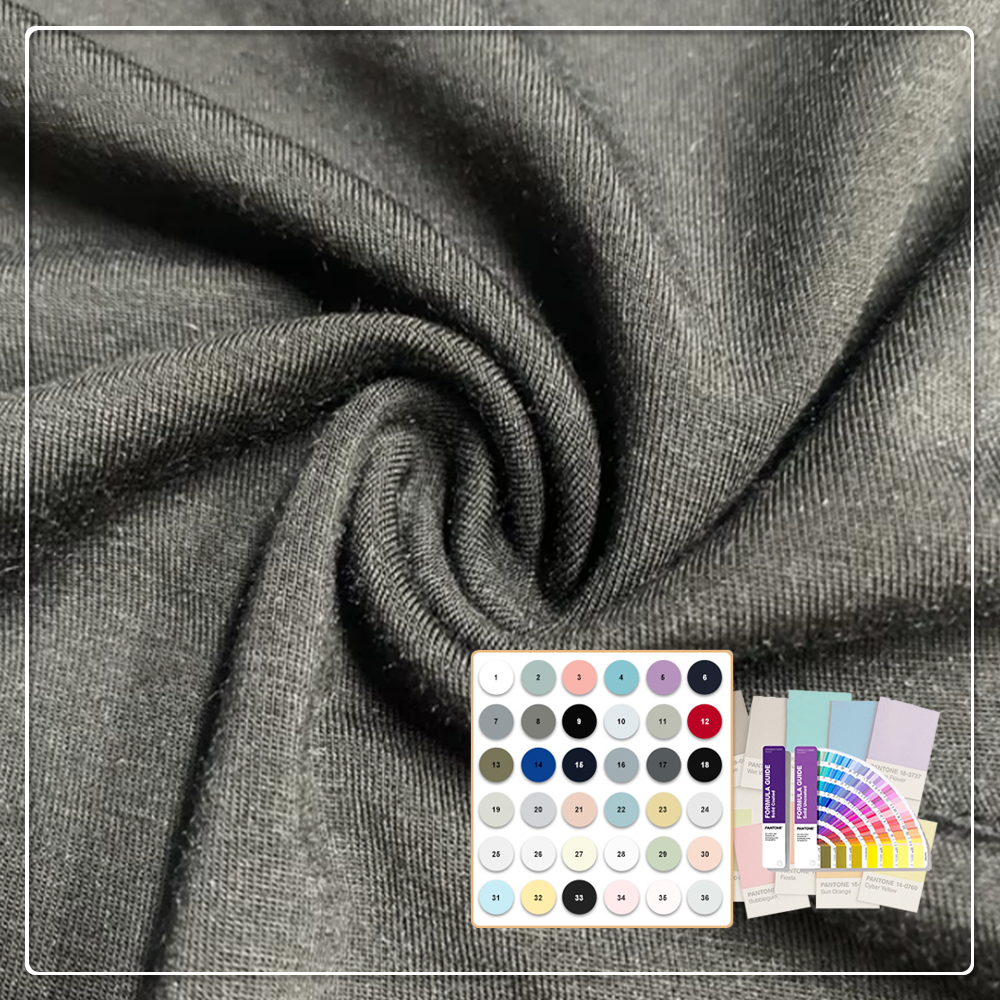
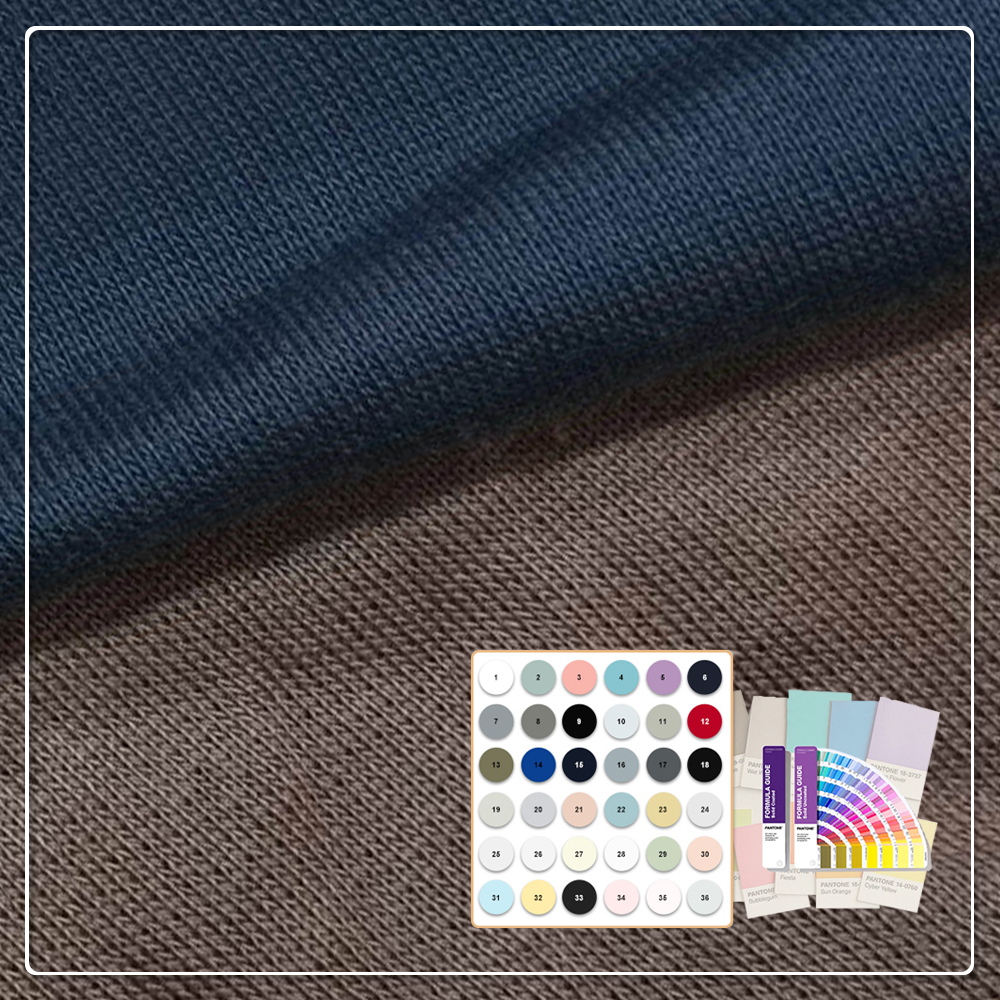
Texture: Bamboo viscose typically has a soft, silky texture. This is a result of the fiber's smooth surface, which contributes to its luxurious feel. Conducting a tactile inspection can help determine the fabric's suitability for your intended application.
Breathability and Moisture Management: Bamboo fibers possess inherent moisture-wicking properties, making them ideal for activewear and garments for hot climates. Fabrics that allow for air circulation can enhance comfort and performance.
Durability: While bamboo viscose is known for its softness, it must also be durable enough for the intended use. Check for strength specifications, especially if the fabric will be used in high-wear applications like upholstery or workwear.