 EN
Modal fabric is a type of rayon made from beech tree pulp, known for its softness, breathability, and eco-friendliness. For B2B buyers looking to source 100 modal fabric, understanding the nuances of this material is crucial for making informed purchasing decisions. Key concerns often include quality specifications, cost factors, and potential issues associated with modal fabric. This article will guide you through the essential aspects of selecting, sourcing, and evaluating modal fabric for your wholesale needs.
Key Specifications to Evaluate When Sourcing Modal Fabric
When evaluating 100 modal fabric for wholesale, several specifications are critical:
Composition: Ensure that the fabric is 100% modal or a blend that meets your requirements. Pure modal typically offers superior softness and breathability.
Weight: The weight of the fabric will influence its drape and use. Common weights range from lightweight (100-150 gsm) for summer garments to heavier options (200-300 gsm) for winter clothing.
Color Fastness: A high color fastness rating (4-5 on the ISO scale) is essential to ensure that the colors remain vibrant after multiple washes. This is particularly important for garments that will be frequently laundered.
Shrinkage: Confirm that the fabric has a shrinkage rate below 5% to maintain the integrity of the finished product after washing.
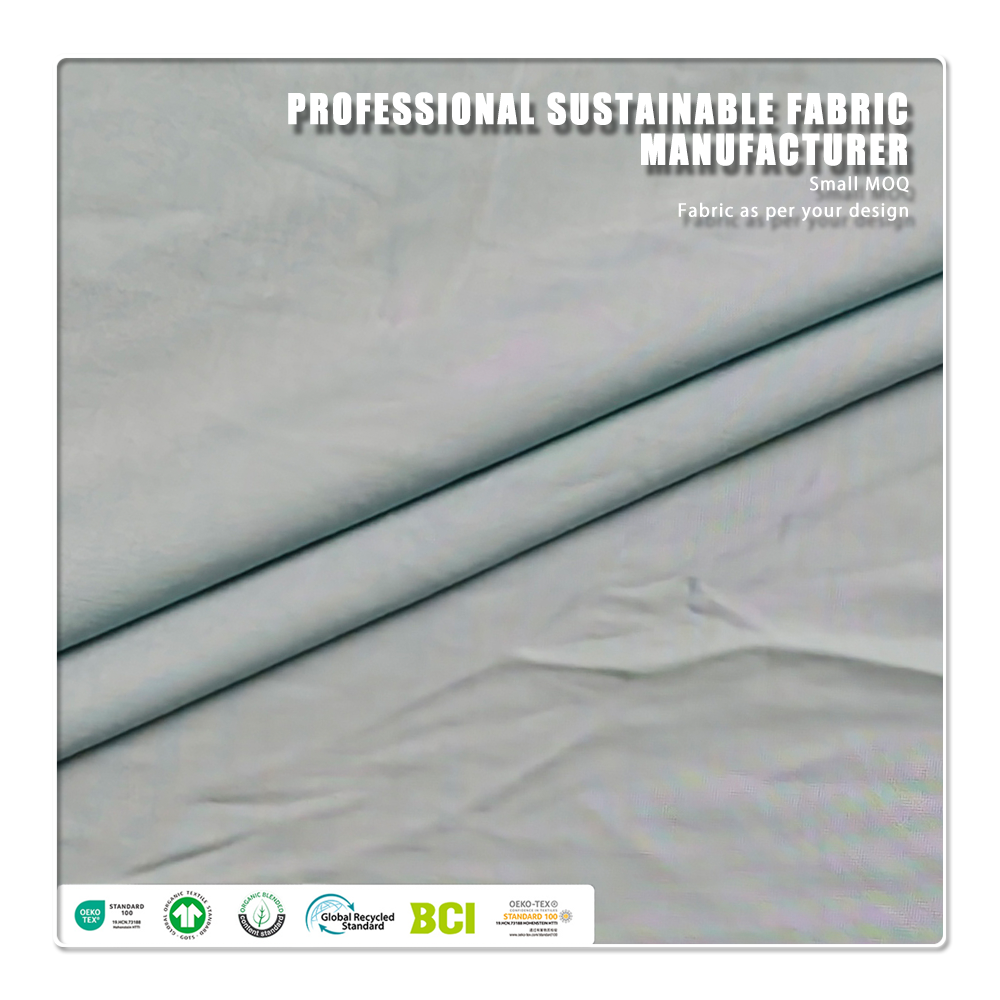
Certification: Look for certifications such as OEKO-TEX and GRS that indicate the fabric is free from harmful substances and is produced sustainably.
By focusing on these specifications, buyers can ensure that they are sourcing high-quality modal fabric that meets their specific needs.