Choosing Eco-Friendly Knitted Fabrics for Wholesale

Get a Free Quote

Our representative will contact you soon.
Email
Name
Mobile/WhatsApp
Company Name
Message
0/1000

95 modal

In the realm of textile manufacturing, eco-friendly knitted fabrics like those produced by Shaoxing City Ohyeah Textile Co., Ltd. are gaining traction due to their sustainable attributes and versatility. With a focus on materials such as bamboo, organic cotton, and recycled polyester, buyers are increasingly interested in how to select and source these organic fabric effectively. This article will guide B2B buyers, including purchasing managers and product managers, through critical considerations when selecting eco-friendly fabrics, evaluating suppliers, and understanding the applications of these materials. 

How to Source Reliable Suppliers for Quality Knitted Fabrics

Sourcing reliable suppliers for eco-friendly knitted fabrics involves a thorough evaluation process. Start by researching certified fabric manufacturers who specialize in sustainable textiles, such as Shaoxing City Ohyeah Textile Co., Ltd., which has a strong commitment to quality control and environmental responsibility. It's vital to assess their production capabilities, such as the number of circular knitting machines and monthly output, which can indicate their ability to meet your order volumes.  

Request samples from potential suppliers to evaluate fabric quality firsthand. A sample should be assessed not only for appearance and texture but also for performance under real-world conditions. Ensure that the natural organic fabric supplier can provide detailed specifications, including material composition, certifications, and maintenance requirements.  

Communication is another critical factor; reliable suppliers should be responsive and transparent about their manufacturing processes, lead times, and any potential challenges. Establishing a good relationship with a supplier can lead to better collaboration and customization options, which are essential for meeting specific project needs.  
Key Installation Guidelines for Efficient Use of Knitted Fabrics

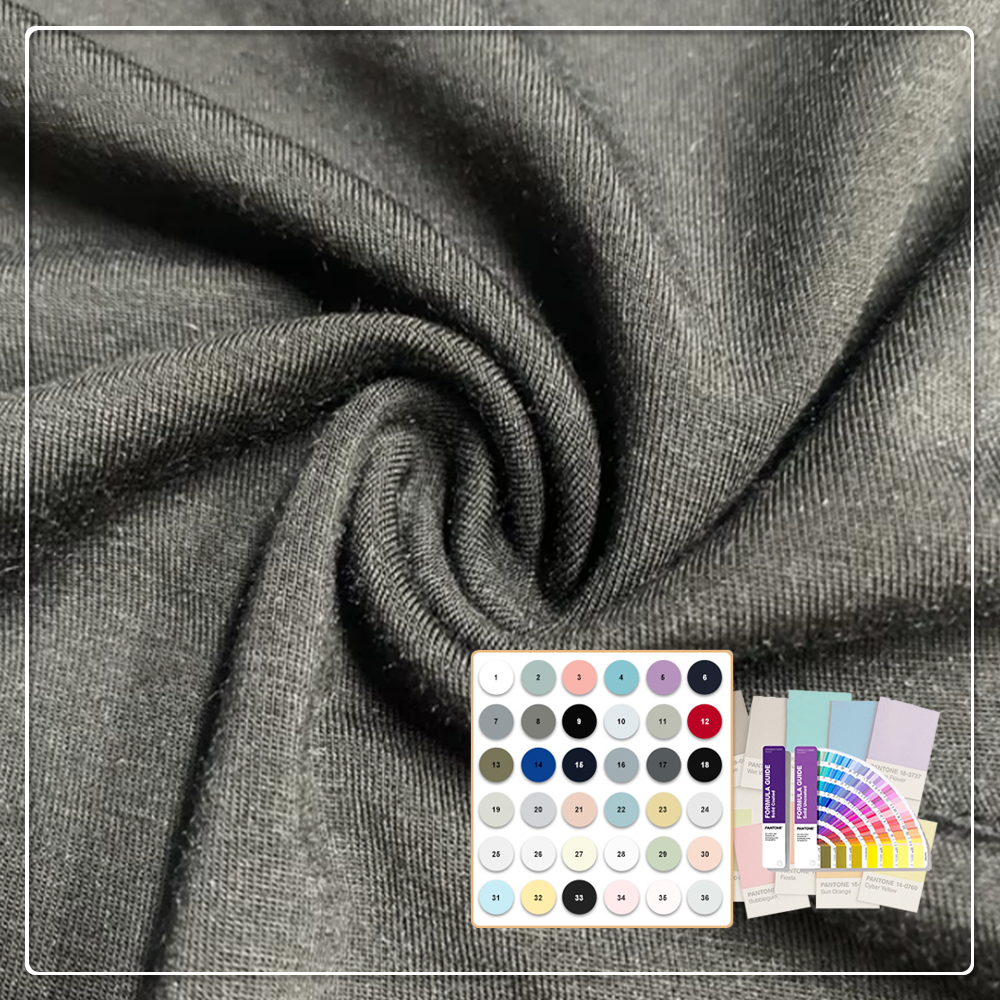
Proper installation of knitted fabrics is vital for maximizing their performance and longevity. First, ensure that the fabric is compatible with the intended application, whether it’s for clothing, upholstery, or industrial use. Different fabrics like organic bamboo fabric may require specific sewing techniques or equipment, so confirm compatibility with your existing machinery. 

Before installation, pre-wash the fabric to preshrink it, especially if it has a shrinkage rate above 5%. This step helps in mitigating any size alterations that could occur during the first wash after installation. Additionally, consider the environmental conditions where the fabric will be used. For instance, if the fabric is exposed to moisture or varying temperatures, select a material that can withstand these conditions without degrading. 

Regular maintenance is also essential. Fabrics should be cleaned according to specific guidelines to maintain their look and functionality. For instance, washing in cold water and avoiding bleach can help preserve color fastness and prevent fabric damage. 

What to Expect from Certified Fabric Manufacturers

Working with certified fabric manufacturers like Shaoxing City Ohyeah Textile Co., Ltd. offers several advantages. Certified manufacturers adhere to strict environmental and quality control standards, ensuring that the products meet industry benchmarks. Certifications such as GOTS and OEKO-TEX not only validate the sustainability of their fabrics but also signify that the manufacturing process is free from harmful chemicals. 

Expect certified manufacturers to provide comprehensive documentation regarding their products, including material specifications, testing results, and compliance with international standards. This transparency is essential for buyers looking to ensure that their purchases align with their sustainability policies and quality requirements. 

Furthermore, certified manufacturers typically have established quality control processes in place. This means that buyers can anticipate consistent product quality, timely delivery, and responsive customer service. Establishing a partnership with a certified manufacturer can lead to long-term benefits, including access to innovative fabric solutions and customization capabilities tailored to specific project requirements. 

Applications of Eco-Friendly Fabrics in Various Industries and Projects

Eco-friendly fabrics are versatile and suitable for a wide range of applications across various industries. In the fashion industry, for instance, sustainable knitted fabrics made from organic cotton or bamboo are increasingly used in activewear, loungewear, and children's clothing due to their soft texture and breathable properties. The demand for eco-conscious apparel is driving brands to source materials that align with consumer preferences for sustainability. 

In the home textile sector, eco-friendly fabrics are utilized in upholstery, curtains, and bedding. Their durability and ease of maintenance make them ideal for these applications. Additionally, the hospitality industry is adopting sustainable fabrics for bedding and furnishings, enhancing their brand image while meeting customer demand for eco-friendly options. 

Moreover, eco-friendly fabrics can be integrated into industrial applications, such as in the production of sustainable packaging solutions or insulation materials. As industries increasingly prioritize sustainability, the demand for reliable suppliers of high-quality eco-friendly fabrics continues to grow, making it essential for B2B buyers to stay informed about the latest developments and options available in the market. 

Selecting and sourcing eco-friendly knitted fabrics requires careful consideration of material properties, certifications, and supplier reliability. By understanding these aspects, B2B buyers can make informed decisions that align with their sustainability goals and quality requirements, ultimately leading to successful procurement outcomes. 

What to Look for When Choosing Eco-Friendly Fabrics for Wholesale

When selecting eco-friendly fabrics for wholesale, buyers should focus on several key factors to ensure they meet both quality and sustainability standards. First, consider the type of materials used. Fabrics made from bamboo organic cotton, and recycled polyester offer varying benefits, such as moisture-wicking properties, softness, and durability. Each material's environmental impact should also be assessed; for example, organic cotton is grown without harmful pesticides, while recycled polyester reduces plastic waste. 

Additionally, certifications play a crucial role in verifying the sustainability claims of fabrics. Look for certifications like OEKO-TEX, GOTS, OCS, and GRS, which indicate adherence to eco-friendly practices and safe production processes. Another critical specification to evaluate is color fastness and shrinkage rates. Fabrics with a color fastness rating of level 4-5 and shrinkage below 5%, as provided by Shaoxing City Ohyeah Textile Co., Ltd., are excellent indicators of quality and reliability. 

Lastly, consider the fabric's intended application. Different industries may require specific performance characteristics, such as breathability for activewear or softness for baby products. Understanding the end use will help in selecting the right fabric that not only meets sustainability goals but also performs well in its application. 

Our Blog Posts

Can you print on bamboo fabric

04

Feb

Can you print on bamboo fabric

I am aware that with the ongoing increase in popularity of sustainable fashion, and environmentally-friendly materials, bamboo fabric has become one of the newest favorites due to its unrivaled softness, breathability, and environmental friendly natu...
View More
How Tencel Lyocell Fabric Enhances Premium Knitwear Comfort

29

May

How Tencel Lyocell Fabric Enhances Premium Knitwear Comfort

Comfort is never a luxury when it comes to premium knitwear. It is an absolute must. The conscious consumer today demands soft comfort lasts,breathability that performs,and a clear conscience behind the fabric. Tencel Lyocell has been revolution...
View More
The Durability Performance of Tencel Modal in Knit Fabric Production

29

May

The Durability Performance of Tencel Modal in Knit Fabric Production

Durability is fundamental in quality knitwear. A fabric that is beautiful but falls apart after a few washes cannot satisfy today's consumers. Fiber selections with confirmed durability performance are important for knit fabric manufac...
View More

Get a Free Quote

Our representative will contact you soon.
Email
Name
Mobile/WhatsApp
Company Name
Message
0/1000

Related product categories

Get a Free Quote

Our representative will contact you soon.
Email
Name
Mobile/WhatsApp
Company Name
Message
0/1000