EN
Modal fabric clothing, known for its luxurious feel and eco-friendly properties, is becoming increasingly popular among manufacturers and retailers. As a B2B buyer, understanding the specifications, benefits, and potential issues related to modal fabric is crucial for making informed purchasing decisions. This article aims to guide purchasing managers, distributors, and product managers through the essential aspects of modal fabric clothing, focusing on its eco-friendly nature and practical applications in various industries.
How to Choose Eco-Friendly Modal Fabric Clothing for Your Projects
Choosing eco-friendly modal fabric clothing requires careful consideration of several factors to ensure that the final product aligns with your sustainability goals.
Source of Raw Materials: Opt for manufacturers that use sustainably sourced beech wood and have transparent supply chains. Certifications like GOTS can provide assurance that the materials are organic and produced under environmentally responsible conditions.
Production Processes: Investigate the manufacturing processes employed by potential suppliers. Look for companies that implement water-saving and energy-efficient practices, such as those that utilize recycled water in their production processes.
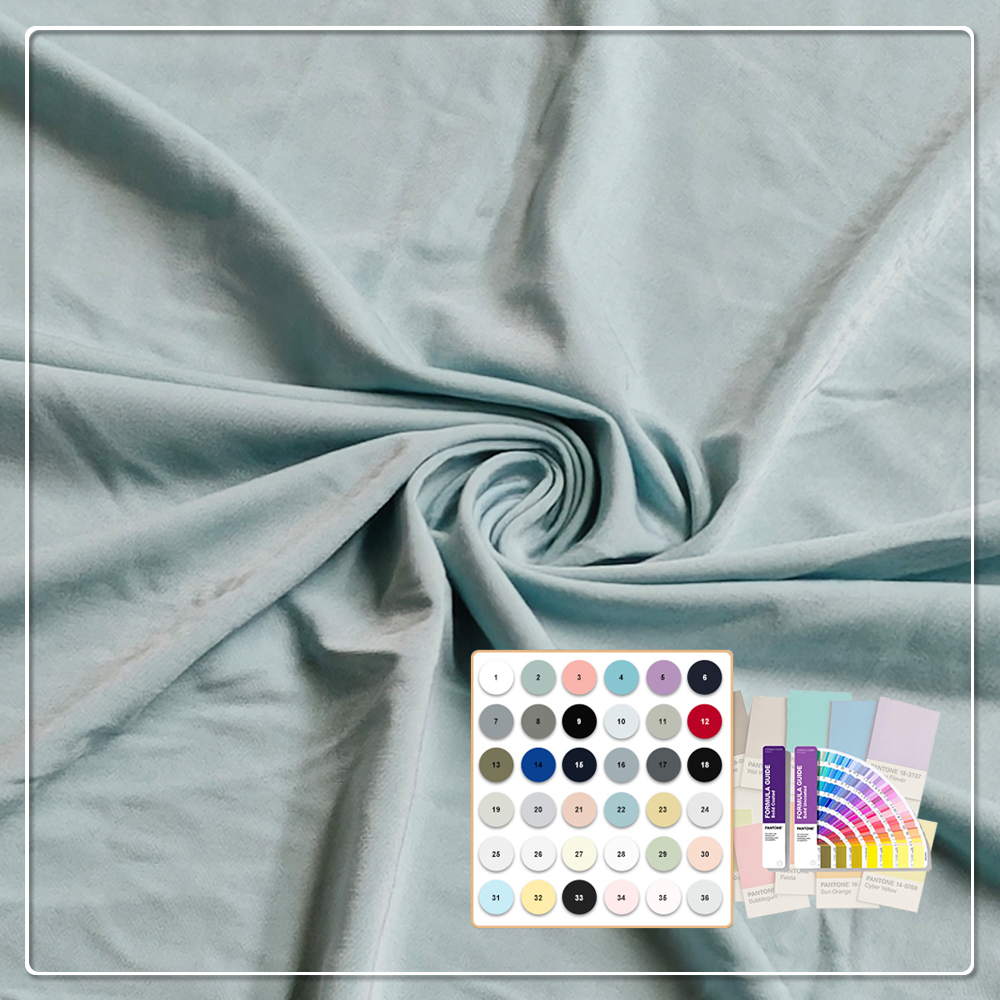
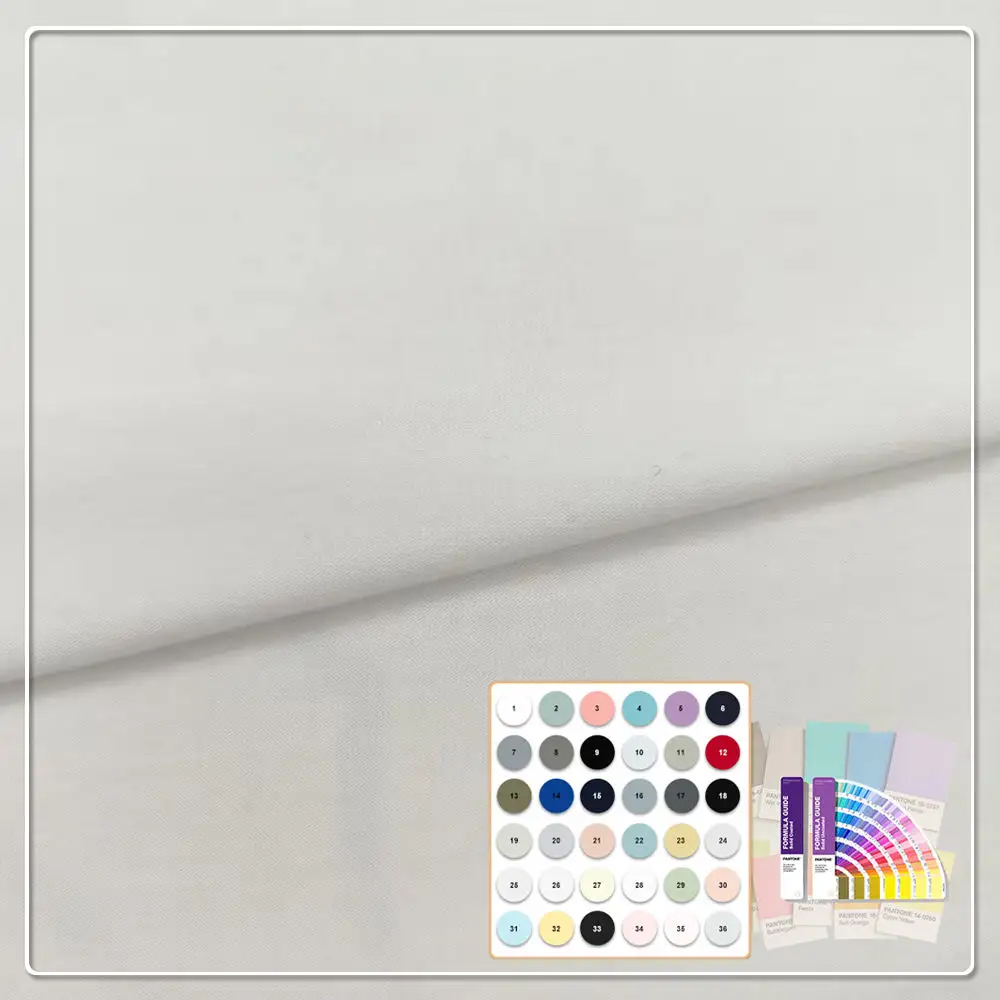
Customization Options: Discuss customization capabilities with suppliers. This may include specific dyeing processes that use less water or eco-friendly dyes, as well as the ability to create unique fabric blends that meet your specific performance requirements. For instance, using fabrics such as OEM&ODM Eco-friendly 100% Bamboo Fiber Jersey Fabric Anti-Bacteria Moisture-Absorbent Breathable Features for Garment Apparel can enhance the customization process.
End-of-Life Considerations: Consider how the clothing will be disposed of at the end of its life cycle. Modal fabric's biodegradability is a significant advantage, but it's important to also communicate proper care instructions to consumers to ensure the longevity of the garments.