Choosing Eco-Friendly Modal Cloth for Bulk Orders

Get a Free Quote

Our representative will contact you soon.
Email
Name
Mobile/WhatsApp
Company Name
Message
0/1000

modal cloth

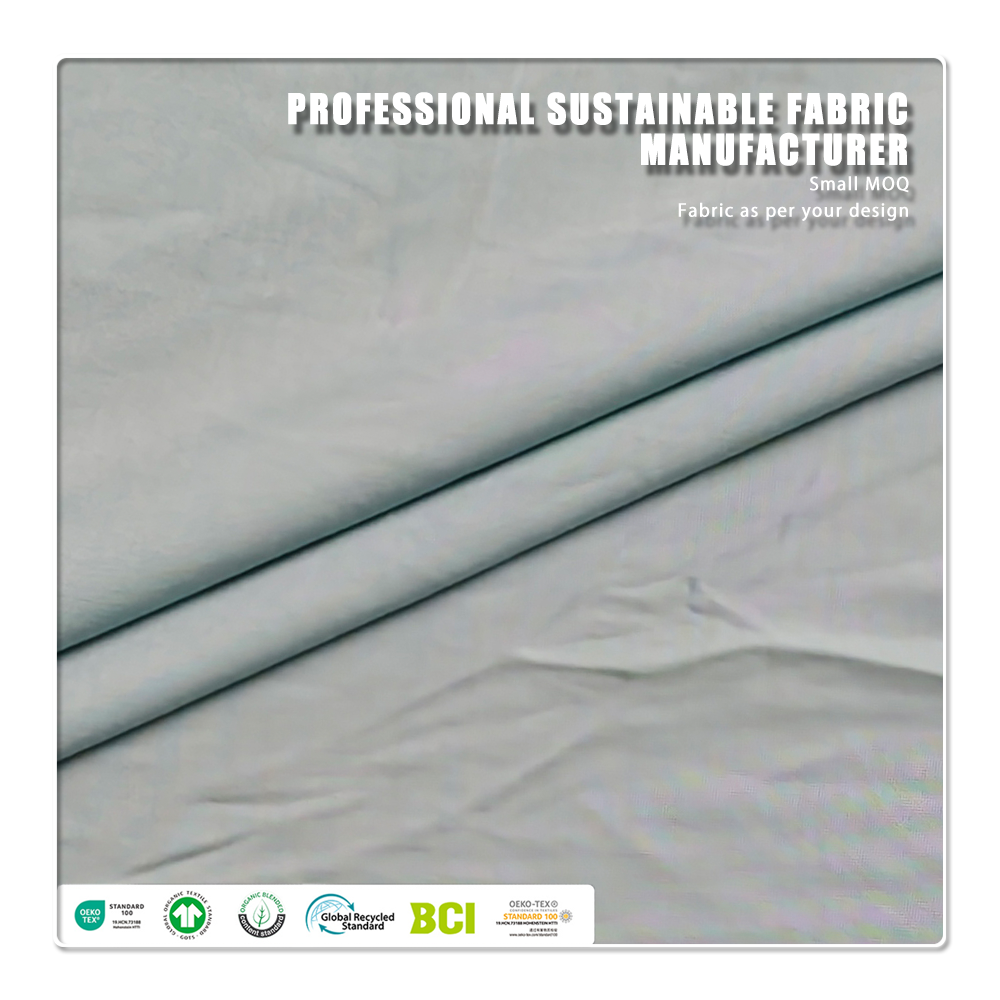
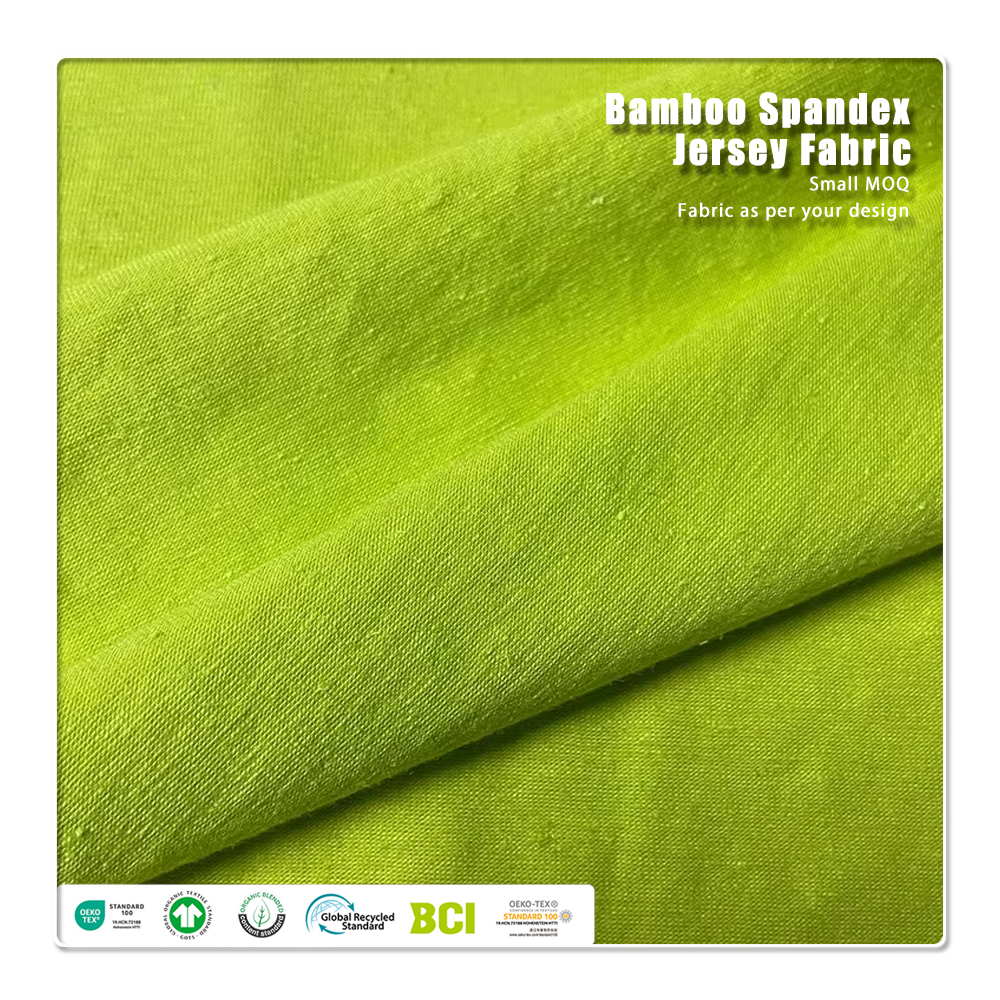
Modal cloth is a type of textile made from beech tree pulp, known for its softness, breathability, and eco-friendliness. As a B2B buyer, you may have specific concerns about sourcing high-quality modal cloth that meets your production requirements, including sustainability, performance, and compliance with industry standards. This article will guide you through essential considerations when choosing modal cloth for bulk orders, sourcing reliable suppliers, and understanding its advantages and applications across various industries.

Where to Source Reliable Suppliers for Modal Cloth

Finding a reliable supplier for modal cloth involves thorough research and vetting. Start by exploring manufacturers known for their specialization in eco-friendly textiles. Look for companies with established certifications that validate their commitment to sustainable practices and quality control.

Networking within industry events, trade shows, and online platforms can also yield valuable contacts. Attending these events allows you to meet potential suppliers, view samples, and establish relationships that can facilitate smoother transactions.

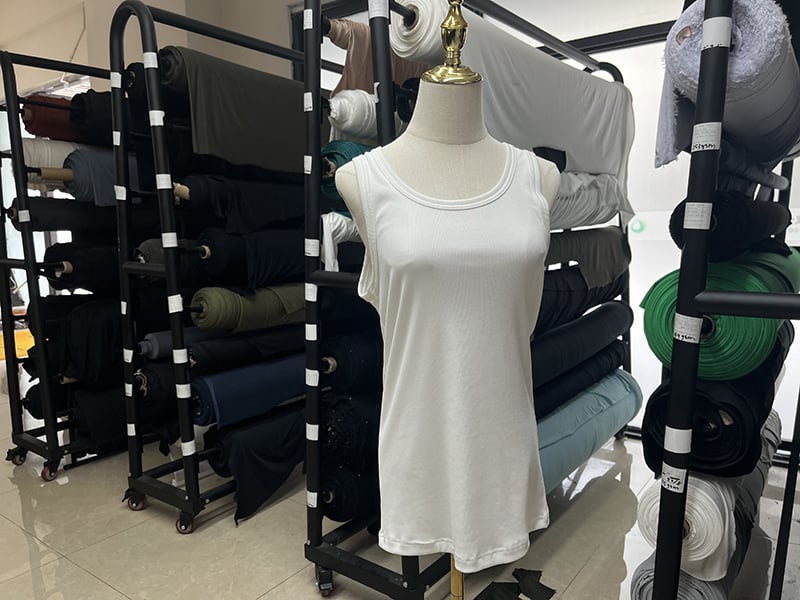
Additionally, consider manufacturers that provide transparency in their production processes. Request detailed information about their supply chain, including sourcing of raw materials and production capacity. For instance, Shaoxing City Ohyeah Textile Co., Ltd. is a reputable manufacturer with over 100 circular knitting machines, ensuring consistent quality and output of eco-friendly fabrics.
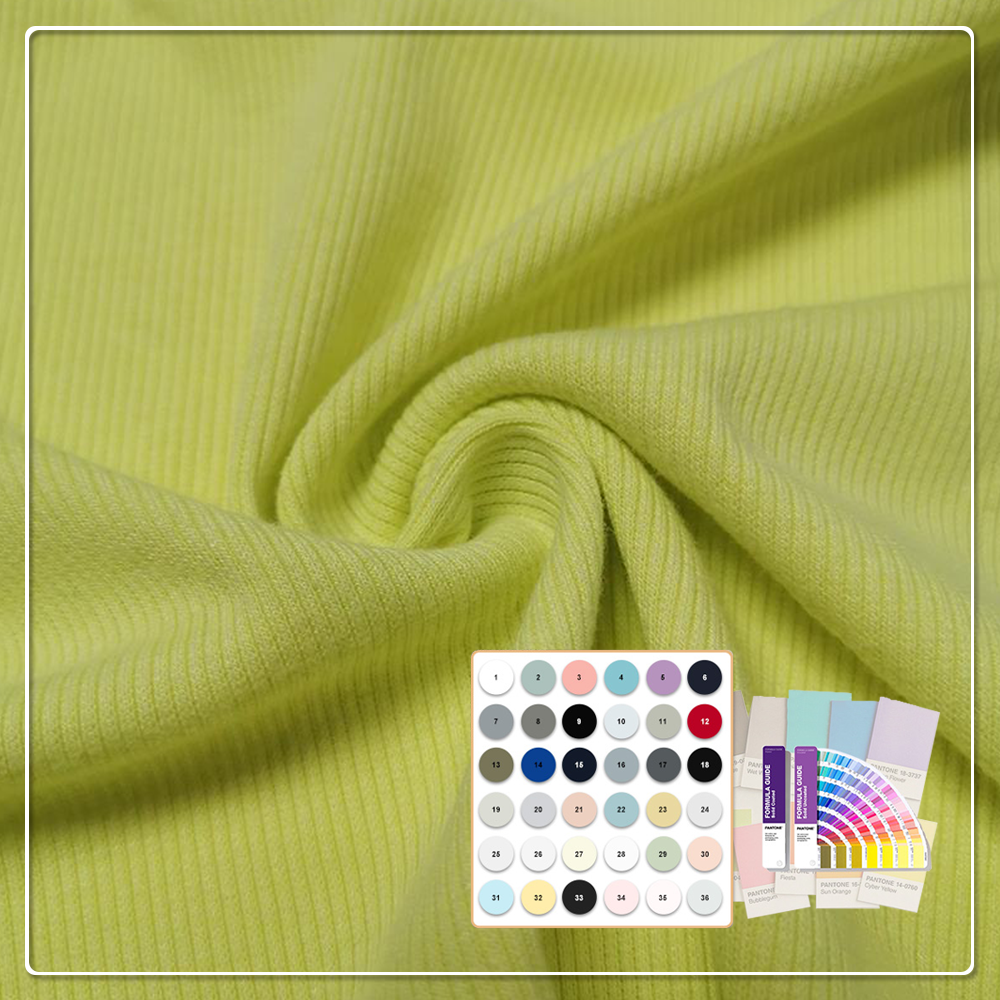
Advantages of Eco-Friendly Modal Cloth in Manufacturing

Eco-friendly modal cloth offers significant advantages in manufacturing, particularly in meeting the rising consumer demand for sustainable products. As a biodegradable fabric derived from renewable resources, modal contributes to reducing environmental impact compared to conventional textiles.

One of the primary benefits is its exceptional softness and comfort, which appeal to end consumers. This tactile quality makes modal ideal for garments intended for direct skin contact, such as underwear and loungewear. Moreover, the fabric's excellent drape and breathability enhance its versatility, making it suitable for various styles and applications.

From a manufacturing perspective, modal’s durability means products can withstand repeated wash cycles without significant wear, thereby extending their lifespan. This durability can translate to lower replacement rates and reduced waste, aligning with sustainability goals. Additionally, modal's compatibility with various dyeing techniques allows for vibrant color retention, which is critical for brands aiming to produce eye-catching textiles.

Applications of Modal Cloth in Various Industries and Markets

Modal cloth finds applications across multiple industries due to its desirable properties. In the fashion industry, it is commonly used for producing high-end clothing items such as dresses, blouses, and activewear. The fabric's luxurious feel and ability to drape beautifully make it a favorite among designers.

In the home textiles sector, modal is utilized for bed linens, towels, and upholstery fabrics. Its moisture-wicking properties contribute to comfort in bedding, while its color fastness ensures that colors remain vibrant even after multiple washes.

Moreover, the healthcare industry has begun to adopt modal for hospital gowns and patient apparel, where comfort and breathability are paramount. The eco-friendly aspect is also appealing, as healthcare facilities increasingly prioritize sustainable practices. Organic Cotton Fabric is also a great alternative for those looking for sustainable options.

In each of these applications, the manufacturer's ability to produce consistent quality and respond to customization requests—such as specific dimensions or finishes—can significantly influence purchasing decisions.

Guidance for Wholesale Buyers on Modal Cloth Purchases

When preparing for a wholesale purchase of modal cloth, buyers should compile detailed specifications to facilitate accurate quotations. Key information includes the desired fabric weight, width, color, and any special finishes. Providing a clear picture of the intended application will also help suppliers recommend the most suitable fabric options.

Before placing a bulk order, it is prudent to request samples. This allows you to evaluate the fabric's quality firsthand, ensuring it meets your expectations for touch, drape, and durability. Pay attention to how the fabric reacts to washing, as this can reveal its long-term performance.

In negotiating terms, consider factors such as minimum order quantities (MOQs) and lead times. A supplier's production capacity and ability to fulfill your order within your timeline can be critical, especially if your business relies on timely product launches.

Lastly, establishing a quality control process for incoming fabrics can prevent potential issues. Outline specific inspection criteria that align with your quality standards, such as checking for defects and verifying color consistency. This proactive approach will help safeguard your production quality and ultimately enhance customer satisfaction.

By following these guidelines, B2B buyers can make informed decisions when sourcing modal cloth, ensuring that they select the best materials for their manufacturing needs.

What to Consider When Choosing Modal Cloth for Bulk Orders

When selecting modal cloth for bulk orders, several key factors need to be evaluated to ensure that the fabric aligns with your production goals. First, consider the material's composition and properties. Tencel Modal is recognized for its excellent moisture-wicking capability and durability, making it suitable for various applications, from apparel to home textiles.

Next, examine the specifications, including weight, thickness, and texture. Modal fabric typically has a smooth, silky feel, which enhances comfort in clothing. Buyers should also assess the fabric's color fastness—aiming for a level of 4-5—along with shrinkage rates, which should ideally be below 5% to maintain the integrity of the final product.

Additionally, understanding the manufacturing process is crucial. Ensure that the supplier employs eco-friendly practices and has relevant certifications, such as OEKO-TEX, GOTS, or GRS, which guarantee that the fabric meets environmental and safety standards. This not only enhances the product's credibility but also aligns with growing consumer demands for sustainable textiles.

Our Blog Posts

The Ultimate Guide to Bamboo Fabric: Sustainability, Types, and Uses

14

Jul

The Ultimate Guide to Bamboo Fabric: Sustainability, Types, and Uses

The Ultimate Guide to Bamboo Fabric: Sustainability, Types, and Uses Table of Contents What Is Bamboo Fabric? Why Choose Bamboo Fabric? Types of Bamboo Fabric How Bamboo Fabric Is Made Applications of Bamboo Fabric Care Instructions for B...
View More
How to print on bamboo fabric

04

Feb

How to print on bamboo fabric

I am aware that the bamboo fabric is fast gaining popularity in the fashion as well as the home textile business and it has earned an incredible softness, natural sheen and excellent environmental attributes. Shaoxing City Ohyeah Textile Co., Ltd. ha...
View More
What Buyers Look for in High Quality Tencel Lyocell Fabric

13

Oct

What Buyers Look for in High Quality Tencel Lyocell Fabric

With the vast number of fabrics available, both sustainable and not, it can be difficult to decide which one you'd like to use to make a garment. The eco-friendly space continues to evolve and create brand new amazing fabrics, which can enable design...
View More
Why Tencel Lyocell Material Is Trusted by Premium Clothing Manufacturers

13

Oct

Why Tencel Lyocell Material Is Trusted by Premium Clothing Manufacturers

When there's a lot of losing to do in the quality department, it's about the brand's made of. The best quality makers understand they should be creating garments with top quality fabrics. They must have high standards of reliability, performance and ...
View More

Get a Free Quote

Our representative will contact you soon.
Email
Name
Mobile/WhatsApp
Company Name
Message
0/1000

Related product categories

Get a Free Quote

Our representative will contact you soon.
Email
Name
Mobile/WhatsApp
Company Name
Message
0/1000