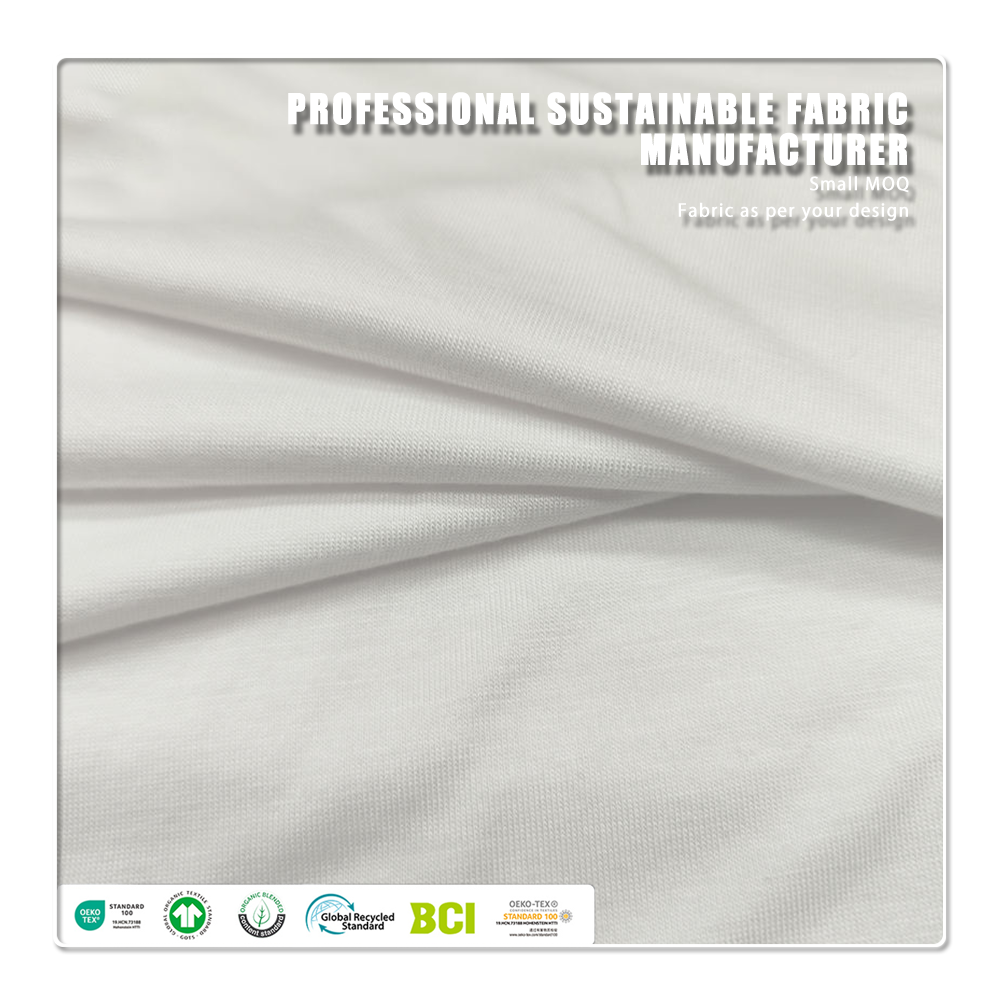
Key Specifications for Modal Cloth Material

Get a Free Quote

Our representative will contact you soon.
Email
Name
Mobile/WhatsApp
Company Name
Message
0/1000

modal cloth material

Modal cloth material is a popular textile choice known for its softness, durability, and eco-friendliness. This article will address the key specifications of modal cloth, guide you on finding reliable suppliers, highlight the benefits for distributors and contractors, and outline important cost factors to consider when sourcing this material. Understanding these elements is crucial for purchasing managers, product managers, and other professionals involved in the textile industry, as they navigate quality, pricing, and supplier evaluation.

Where to Find Reliable Suppliers for Modal Cloth Material

Finding trustworthy suppliers for modal cloth material involves several steps:

Industry Research: Start by researching manufacturers known for producing eco-friendly textiles. Look for companies with a strong reputation and positive customer reviews.

Certifications and Compliance: Verify that potential suppliers have the necessary certifications such as OEKO-TEX, GOTS, and OCS. These certifications ensure that the modal cloth is produced sustainably and meets safety standards.

Production Capacity: Assess the supplier's manufacturing capabilities. For instance, Shaoxing City Ohyeah Textile Co., Ltd. has over 100 circular knitting machines and a monthly output of 200 tons, indicating a robust production capacity.

Quality Control Processes: Inquire about the quality control measures implemented by the supplier. A dedicated quality control team ensures that the modal fabric meets the necessary specifications consistently.

Samples: Always request samples before making a bulk order. This allows you to evaluate the fabric's quality, feel, and performance firsthand.

Networking: Attend industry trade shows and exhibitions to meet potential suppliers and see their products in person. This also provides an opportunity to learn about the latest trends and innovations in modal fabrics, such as those found in Eco-Friendly Stretch Waterproof Fabrics.

By following these steps, buyers can establish a solid list of reliable suppliers for modal cloth material and ensure they are selecting partners who align with their quality and sustainability goals.

Benefits for Distributors and Contractors

For distributors and contractors, sourcing modal cloth material offers several advantages:

Eco-Friendly Appeal: Modal fabric is made from sustainable resources, appealing to environmentally conscious consumers. This can enhance your product offerings and attract a broader customer base.

Diverse Applications: Modal cloth can be used in various applications, including clothing, bedding, and upholstery. This versatility allows distributors to cater to multiple market segments.

High Demand: With the increasing consumer preference for sustainable and high-quality textiles, modal cloth is experiencing a surge in demand. This trend can lead to increased sales opportunities for distributors and contractors.

Quality Assurance: Partnering with certified manufacturers, like Shaoxing City Ohyeah Textile Co., Ltd., ensures that the modal fabric meets high-quality standards. This reliability boosts confidence when presenting products to clients.

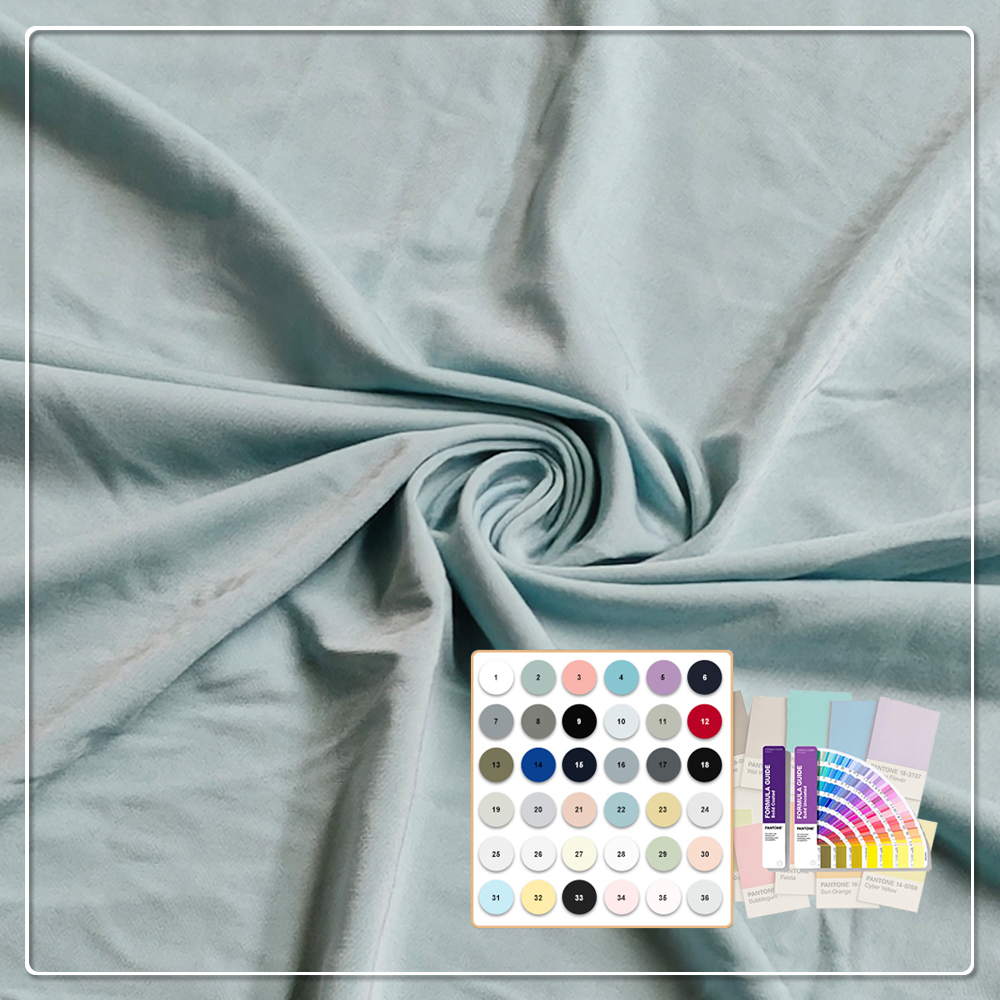
Customization Options: Many suppliers offer customization in terms of color, weight, and finish, allowing contractors to meet specific client needs and differentiate their offerings in the market.

By leveraging these benefits, distributors and contractors can enhance their competitive edge and build strong relationships with their customers.

Cost Factors to Consider When Sourcing Modal Cloth Material

When sourcing modal cloth material, several cost factors should be evaluated to ensure effective budgeting:

Material Costs: The price of modal fabric can vary based on quality, weight, and supplier. Buyers should compare prices among suppliers while considering the fabric's specifications and certifications.

Minimum Order Quantities (MOQ): Many suppliers have MOQs that can influence total costs. Understanding these requirements helps buyers plan their orders and manage inventory effectively.

Shipping and Handling: Freight costs can significantly affect the overall price. Consider the distance from the supplier to your location, shipping methods, and any associated duties or tariffs.

Customization Costs: If customization options are requested, such as specific colors or finishes, additional charges may apply. It’s essential to clarify these costs upfront to avoid budget overruns.

Quality Inspection Fees: Depending on the supplier, there may be costs associated with quality inspections or testing. This is a crucial step to ensure that the received materials meet the necessary standards.

Long-Term Relationships: Establishing long-term relationships with suppliers may lead to better pricing and terms over time. Consider the potential for negotiated rates based on volume purchases.

By taking these factors into account, buyers can make more informed decisions and develop realistic budgets when sourcing modal cloth material.

A Guide

In summary, sourcing modal cloth material requires a comprehensive understanding of its specifications, supplier options, benefits for distributors, and cost factors. Buyers should prioritize quality and sustainability by seeking certified suppliers with robust manufacturing capabilities. Proper research, sample approvals, and a keen awareness of cost considerations will contribute to successful purchasing decisions. By focusing on these elements, purchasing managers and product managers can confidently navigate the modal cloth market, ensuring they select the best materials for their applications.

What Are the Key Specifications for Modal Cloth Material?

When evaluating modal cloth material, several key specifications should be considered:

Composition: Modal is a type of rayon made from beech tree pulp. It is known for its silky feel and high moisture absorption, making it suitable for various applications, from clothing to home textiles.

Weight and Thickness: Modal fabrics typically range in weight from 140 to 250 grams per square meter (gsm), depending on the end use. Lighter weights are ideal for summer clothing, while heavier weights are suitable for winter wear or upholstery.

Color Fastness: This specification measures how well the fabric retains its color when exposed to washing, sunlight, and abrasion. Modal cloth generally has a color fastness rating of level 4-5, indicating it resists fading, which is essential for consumer satisfaction.

Shrinkage: A critical specification for buyers, modal materials usually exhibit shrinkage below 5%. This characteristic is vital for maintaining the intended fit and appearance of garments after washing.

Certifications: Look for certifications such as OEKO-TEX and GOTS, which indicate that the modal fabric meets environmental and safety standards. These certifications can enhance the product’s appeal in eco-conscious markets, similar to our Oeko-Tex Certified 69% Bamboo 31% Sorona Single Jersey Fabric.

Understanding these specifications will help buyers assess whether modal cloth meets the required performance and application needs, ensuring they make informed purchasing decisions.

Our Blog Posts

Global Top 10 Bamboo Fabric Suppliers: Ecocert Organic Certified Leaders | Ohyeahtex

05

Dec

Global Top 10 Bamboo Fabric Suppliers: Ecocert Organic Certified Leaders | Ohyeahtex

This comprehensive report, based on a meticulous analysis of industry sources, authoritative certifications, production capacity, and global market presence, identifies the world's Top 10 most influential bamboo fiber fabric manufacturers. These ra...
View More
How Tencel Modal Elevates the Comfort Standards of Modern Knitwear

13

Oct

How Tencel Modal Elevates the Comfort Standards of Modern Knitwear

The pursuit of comfort in the evolving reality of the fabric has been revolutionized into something not just about soft touch experience to a comprehensive performance, sustainability, and longevity criterion. The change has been witnessed in Shaoxin...
View More
What Makes Modal Tencel Material Suitable for Modern Textile Production

13

Oct

What Makes Modal Tencel Material Suitable for Modern Textile Production

In the current competitive modern textile manufacturing world, we want something more than beauty in the end product of our textile. The fabric should be uniform, easy to cut, easy to sew, predictable in use and be environmentally friendly as custome...
View More

Get a Free Quote

Our representative will contact you soon.
Email
Name
Mobile/WhatsApp
Company Name
Message
0/1000

Related product categories

Get a Free Quote

Our representative will contact you soon.
Email
Name
Mobile/WhatsApp
Company Name
Message
0/1000