Key Specifications of Modal Materials for Buyers

Get a Free Quote

Our representative will contact you soon.
Email
Name
Mobile/WhatsApp
Company Name
Message
0/1000

modal materials

Modal materials are an innovative type of fabric known for their softness, durability, and eco-friendliness. As a B2B buyer, understanding modal materials is crucial for sourcing high-quality textiles that meet your company's standards. This article will address key specifications, supplier selection, quality factors, cost evaluations, and essential information for contractors, equipping purchasing managers, distributors, and product managers with the knowledge needed to make informed decisions.

How to Choose the Best Suppliers for Modal Materials in Bulk Orders

Selecting the right supplier for modal materials involves several steps:

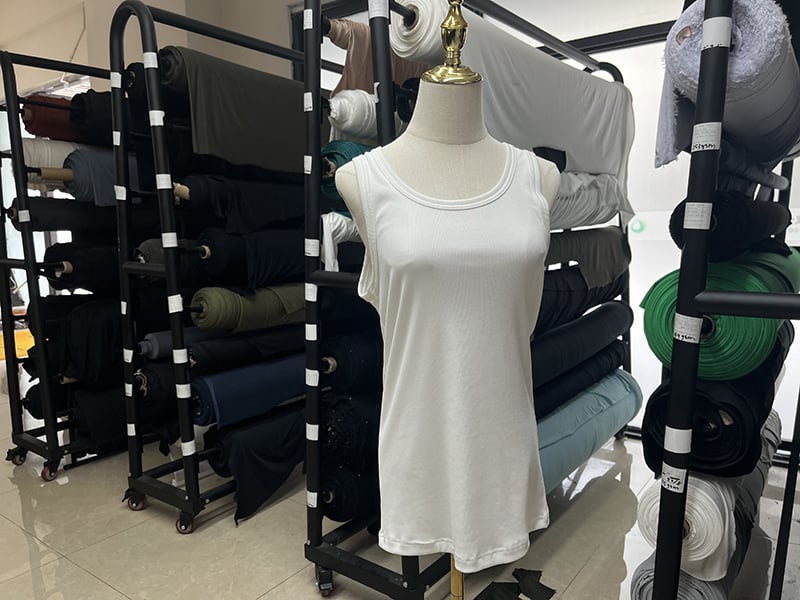
Assess Manufacturing Capabilities: Inquire about the supplier's production capacity, equipment, and technology. For instance, Shaoxing City Ohyeah Textile Co., Ltd. operates over 100 circular knitting machines, enabling efficient production of high-quality fabrics. This capability can ensure timely delivery for bulk orders.

Quality Control Processes: Understand the supplier's quality assurance mechanisms. A professional team dedicated to quality control can help mitigate common production issues, such as inconsistent fabric quality or defects. Request information about their inspection processes and any certifications that support their quality claims.

Customization Options: If your project requires specific fabric characteristics, such as custom colors or blends, confirm the supplier's ability to accommodate these requests. A supplier experienced in custom solutions can provide valuable guidance in achieving your desired product specifications.

Evaluate Past Performance: Research the supplier's reputation and track record. Reviews from other B2B buyers can provide insight into their reliability, quality, and customer service. Ask for references or case studies to better understand their capacity to meet your needs.

Communication and Responsiveness: Effective communication is essential in any business relationship. Choose a supplier that is responsive to inquiries and can provide clear and timely updates throughout the production process.

Quality Factors Every Buyer Should Know

To ensure you are sourcing high-quality modal materials, consider the following quality factors:

Fabric Finish: Modal fabrics can undergo various finishing processes, including dyeing and treatment for softness or moisture-wicking properties. Be sure to inquire about the finishing techniques used, as they can significantly impact the fabric's performance and appearance.

Durability: While modal is known for its softness, it can be less durable than other materials like polyester. Understand the expected lifecycle of the fabric in your intended application, and confirm if the supplier has conducted wear tests to validate its performance.

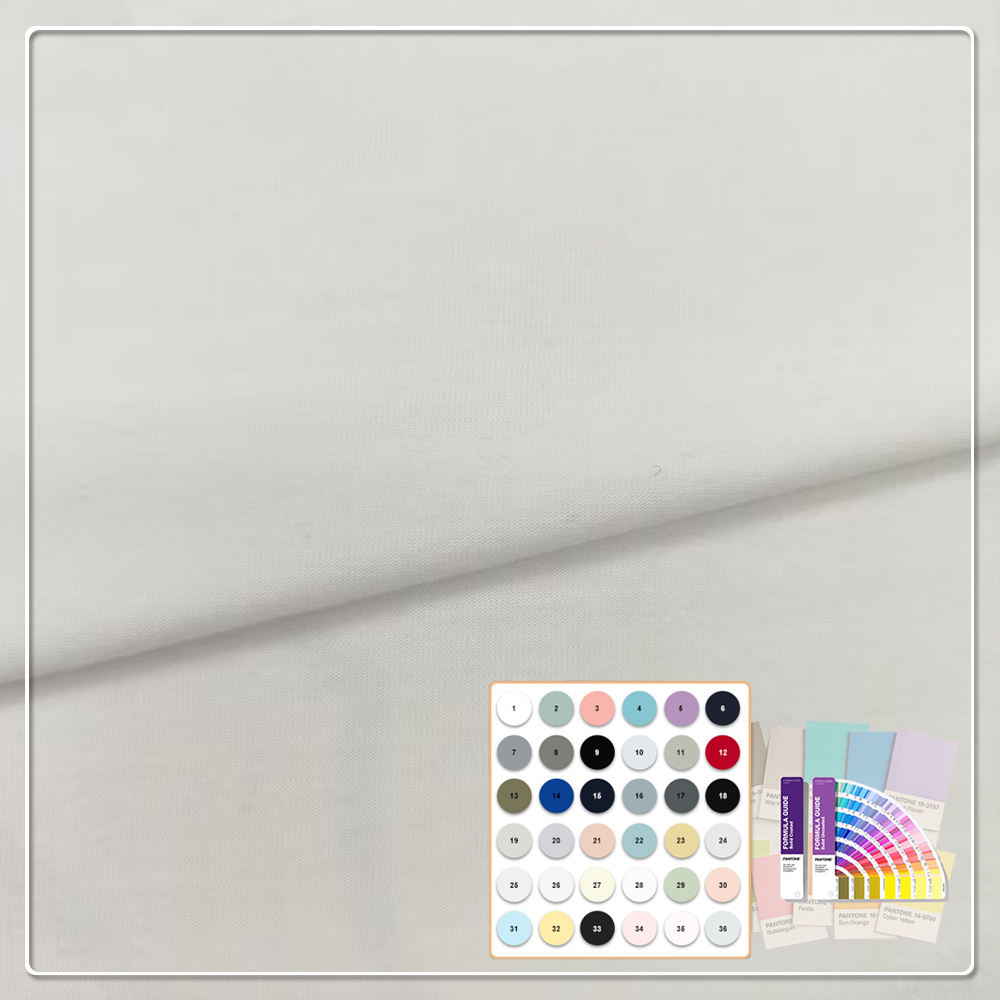
Sampling: Before placing a bulk order, request samples to examine the fabric's quality and suitability for your specific application. A well-prepared sample can reveal a lot about color, texture, and overall performance.

Sustainability Practices: As more companies prioritize sustainable sourcing, it's essential to verify that your modal supplier adheres to environmentally friendly practices. This not only enhances your brand's image but also aligns with consumer expectations.

Regulatory Compliance: Ensure that the modal materials comply with relevant regulations for your industry, whether it’s textile safety standards or environmental regulations. This can prevent potential issues during import or distribution.

Evaluating the Cost Factors of Modal Materials for Distributors

When assessing the cost of modal materials, distributors should consider several factors:

Material Cost: Modal fabric can be more expensive than conventional cotton or polyester due to its production process. Buyers should evaluate the cost per meter against the expected quality and performance benefits.

Volume Discounts: Bulk orders often come with pricing advantages. Discuss with suppliers about possible volume discounts or pricing tiers based on order size, which can help optimize your purchasing strategy.

Shipping and Handling: Factor in shipping costs and potential tariffs when calculating the total cost of acquiring modal materials. Understanding the logistics involved can help in budgeting accurately.

Lead Times: Longer lead times can impact your ability to meet customer demands. Ensure that the supplier can provide a clear timeline for production and delivery, considering any potential delays.

Total Cost of Ownership: Evaluate the total cost of ownership, which includes not only the upfront price but also maintenance, longevity, and replacement costs. Choosing higher-quality modal fabrics may result in lower total costs over time due to reduced replacement needs.

What Contractors Need to Know

For contractors working with modal materials, understanding the following points is crucial:

Installation Considerations: Modal fabrics are generally easy to work with, but contractors should be aware of specific handling requirements, such as washing instructions and care before installation. Improper handling can lead to damage or changes in fabric properties.

Compatibility with Other Materials: If combining modal with other fabrics, evaluate how they will interact. For instance, modal blends well with cotton but may require specific treatment when mixed with synthetic fibers to ensure compatibility in performance and appearance.

Maintenance Requirements: Modal fabrics are typically easy to care for, but educating end users about proper maintenance can prolong the lifespan of the product. Provide clear guidelines on washing and drying to prevent shrinkage and maintain appearance.

Technical Support: Work with suppliers who offer technical support and assistance during the installation process. This can help resolve any issues that may arise and ensure that the fabric is applied correctly.

Sustainability in Construction: As sustainability becomes increasingly important in construction, using eco-friendly modal fabrics can enhance the environmental profile of your projects. Be prepared to communicate the benefits of modal to clients who prioritize sustainable options.

By understanding these aspects of modal materials, B2B buyers can make informed decisions that align with their business needs, ensuring successful procurement and application of high-quality textiles.

What Are the Key Specifications of Modal Materials for Wholesale Buyers?

When evaluating modal materials, buyers should focus on several key specifications:

Composition: Modal is a type of rayon derived from beech tree pulp. Its composition affects the fabric's softness, breathability, and moisture-wicking properties. Buyers should confirm the percentage of modal in the blend, especially when mixed with other fibers like cotton or polyester.

Weight and Thickness: The weight of modal fabrics usually ranges from 120 to 250 grams per square meter (GSM). Thicker fabrics may be suitable for more robust applications, while lighter options are ideal for delicate garments. Understanding the intended use will help buyers select the appropriate thickness.

Shrinkage and Color Fastness: High-quality modal materials typically exhibit low shrinkage (below 5%) and good color fastness (level 4-5). These factors are vital for maintaining the integrity of the fabric after washing and using. Buyers should request testing results to ensure these specifications meet their requirements.

Certifications: Look for certifications such as OEKO-TEX, GOTS, or OCS, which indicate that the materials are produced sustainably and without harmful chemicals. These certifications are increasingly important for brands focusing on eco-friendly practices.

Application Suitability: Modal is versatile and can be used in various applications, from apparel to home textiles. Buyers should consider the specific end-use when selecting modal materials, as the required properties may vary accordingly.

Our Blog Posts

How Tencel Modal Fabric Enhances Softness in Everyday Apparel

29

May

How Tencel Modal Fabric Enhances Softness in Everyday Apparel

Everyday clothing is defined by the comfort it provides during daily wear. A soft feeling against the skin is not just desired but necessity,from dawn to dusk. Say goodbye to scratchy,uncomfortable clothes in your e...
View More
The Durability Performance of Tencel Modal in Knit Fabric Production

29

May

The Durability Performance of Tencel Modal in Knit Fabric Production

Durability is fundamental in quality knitwear. A fabric that is beautiful but falls apart after a few washes cannot satisfy today's consumers. Fiber selections with confirmed durability performance are important for knit fabric manufac...
View More
The Smooth Texture Benefits of Tencel Modal in Apparel Manufacturing

29

May

The Smooth Texture Benefits of Tencel Modal in Apparel Manufacturing

A smooth texture in clothing is a desirable fabric feature today. This add value to a fabric: it is an aesthetically pleasing, comfortable, and a mark of good quality. To produce a consistently smooth fabric texture, one must invest in fibe...
View More
How Modal Tencel Material Creates Better Everyday Textile Collections

13

Oct

How Modal Tencel Material Creates Better Everyday Textile Collections

For casual wear, you don't want to go cheap. Today's consumers want clothing that is incredibly soft, wears as they wear and is always in style and looks great. A good combination of the ‘feel good, works well, looks good’ in a complete r...
View More

Get a Free Quote

Our representative will contact you soon.
Email
Name
Mobile/WhatsApp
Company Name
Message
0/1000

Related product categories

Get a Free Quote

Our representative will contact you soon.
Email
Name
Mobile/WhatsApp
Company Name
Message
0/1000