 EN
Modal Tencel fabric has become a popular choice among manufacturers and buyers seeking sustainable, high-quality textiles. This innovative fabric, derived from natural wood sources, offers a blend of softness, durability, and eco-friendliness that appeals to various industries. As a B2B buyer, your primary concerns may include understanding its specifications, evaluating suppliers, and ensuring that the fabric meets your production needs. This article aims to provide you with detailed insights into modal Tencel fabric, helping you make informed purchasing decisions.
How to Choose the Right Supplier for Modal Tencel Fabric?
Selecting the right supplier for modal Tencel fabric involves several critical considerations:
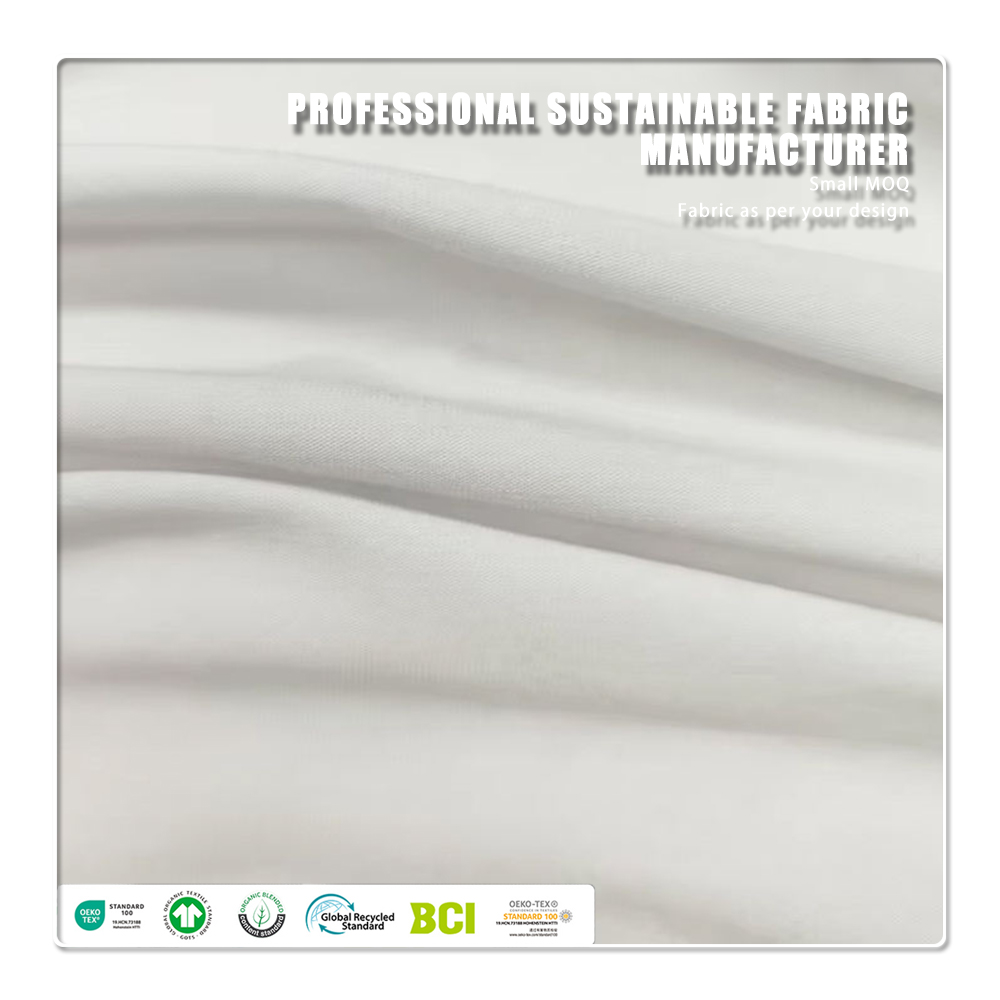
Certifications: Look for suppliers with certifications such as OEKO-TEX, GOTS, OCS, and GRS. These certifications indicate adherence to environmental and quality standards, ensuring that the fabric is safe and sustainably produced. For example, Oeko-Tex Certified 69% Bamboo 31% Sorona Fabric meets these high standards.
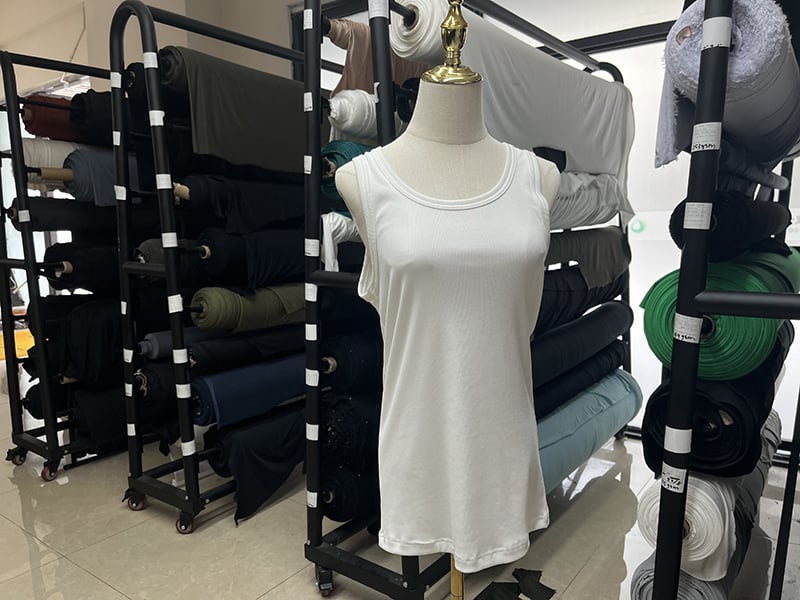
Manufacturing Capabilities: Assess the supplier’s production capacity and equipment. A supplier with advanced circular knitting machines can provide consistent quality and meet large orders efficiently. Shaoxing City Ohyeah Textile Co., Ltd., for example, operates over 100 circular knitting machines, enabling high output and quality control.
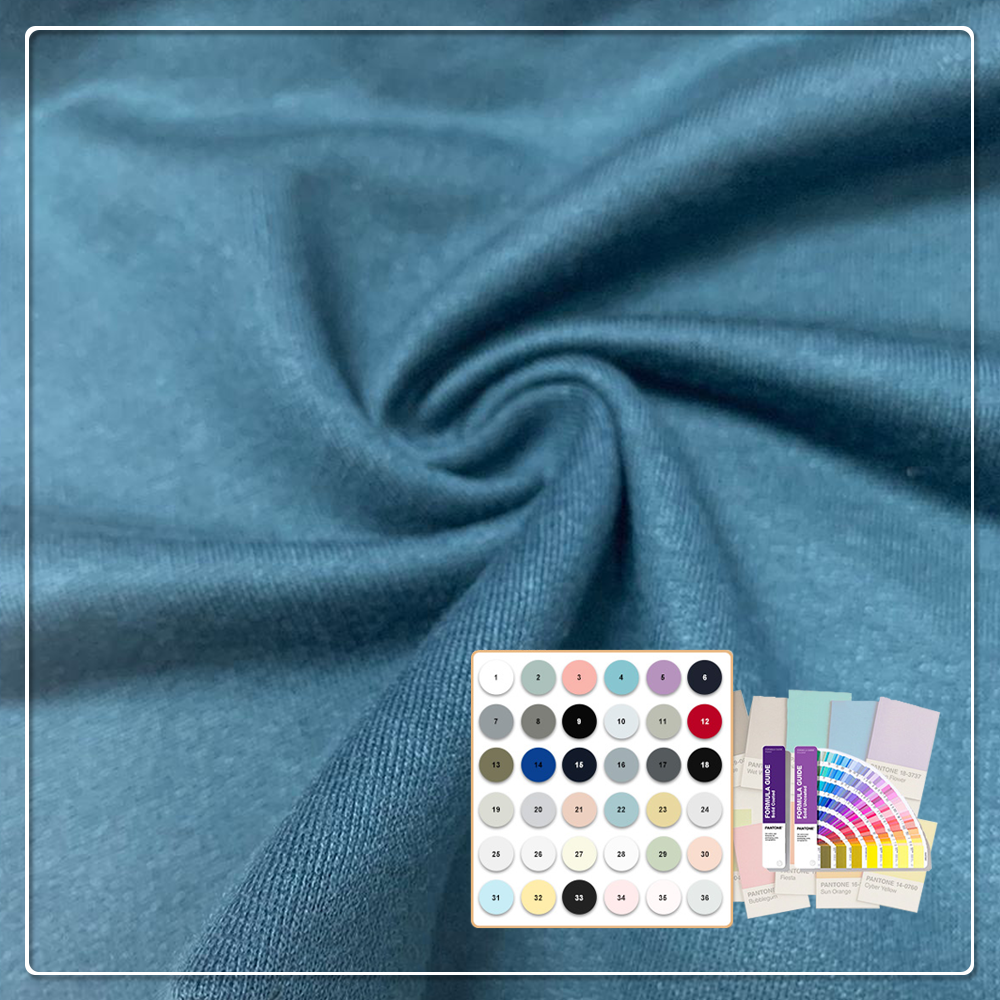
Customization Options: Determine if the supplier can accommodate custom orders, including specific weights, colors, or blends. This flexibility can be crucial for product differentiation in your market.
Sample Availability: Before committing to a larger order, request samples to evaluate the fabric's feel, appearance, and performance. This step is essential to ensure the fabric meets your specific requirements.
Lead Time and MOQ: Understand the supplier's lead times and minimum order quantities (MOQ). This information helps you plan your inventory and production schedules effectively.