Quality Standards for Wholesale Modal Fabric Dress

Get a Free Quote

Our representative will contact you soon.
Email
Name
Mobile/WhatsApp
Company Name
Message
0/1000

modal fabric dress

Modal fabric dresses have gained popularity in the fashion industry due to their soft texture, breathability, and eco-friendly properties. For businesses looking to source modal fabric dresses, understanding the quality, specifications, and supplier evaluation process is essential. This article will address key concerns such as quality standards, supplier comparisons, installation guidance, and current trends, ultimately aiding purchasing managers and distributors in making informed decisions.

How to Compare Modal Fabric Suppliers for Your Wholesale Needs

Selecting the right modal fabric supplier involves careful evaluation of several factors. Start by considering the supplier's manufacturing capabilities, certifications, and product range. For example, Shaoxing City Ohyeah Textile Co., Ltd. operates over 100 circular knitting machines with a monthly output of 200 tons, ensuring consistent supply to meet large orders.

When comparing suppliers, focus on:

Quality Control Processes: Inquire about the supplier's quality assurance measures, including testing for material strength, color consistency, and compliance with industry standards.Customization Options: Determine if the supplier can accommodate custom designs or specific fabric treatments that align with your brand's requirements.Lead Times: Assess the supplier’s ability to meet your delivery schedules, particularly for time-sensitive projects.Minimum Order Quantities (MOQ): Understand the MOQ to ensure it aligns with your purchasing strategy and inventory management.

Engaging in direct communication with potential suppliers can also provide insights into their reliability and customer service.

Installation Guidance for Modal Fabric in Dress Production

Proper installation of modal fabric in dress production is vital for achieving the desired quality and fit. This involves several key steps:

Fabric Preparation: Before cutting, pre-wash the modal fabric to eliminate any residual chemicals and to check for shrinkage. This step helps in ensuring that the final product maintains its intended dimensions.

Cutting Techniques: Utilize sharp cutting tools to prevent fraying. Modal fabric’s tendency to shift can make cutting tricky, so employing weights can help keep the fabric in place during this process.

Sewing Methods: Use a combination of straight and zigzag stitches when sewing modal fabric to allow for stretch while maintaining seam integrity. A walking foot attachment can be beneficial for even feeding of the fabric through the machine.

Finishing Touches: Employ appropriate finishing techniques, such as overlocking, to prevent edge fraying and to enhance the garment's durability.

Following these practices can lead to higher quality production and reduced material waste.

Trends and Insights

The modal fabric dress market is experiencing significant growth, driven by a rising demand for sustainable and comfortable clothing. Eco-conscious consumers are increasingly favoring brands that prioritize environmentally friendly materials. Modal, being biodegradable and produced from renewable resources, fits perfectly into this trend.

Additionally, the versatility of modal fabric allows for a range of dress styles, from casual wear to high-fashion pieces. Brands are experimenting with blends that incorporate organic cotton and recycled polyester to enhance fabric performance while maintaining sustainability. Keeping an eye on these trends can help businesses stay competitive.

Tips for Importers and Distributors

For importers and distributors, navigating the modal fabric market requires understanding both logistical and product-specific considerations:

Shipping Considerations: Modal fabric can be sensitive to moisture and should be packaged accordingly to prevent damage during transport. Ensure your supplier uses appropriate packaging methods to maintain fabric integrity.Documentation: Verify that all necessary shipping documentation, including certificates of origin and compliance, is in order to facilitate smooth customs clearance.Sample Requests: Before committing to a bulk purchase, request samples to assess fabric quality, color accuracy, and texture. This step can prevent costly errors in large orders.Local Regulations: Be aware of any regulations regarding eco-friendly textiles in your target market, as compliance can affect marketability and sales.

By addressing these factors, importers and distributors can streamline their operations and enhance customer satisfaction.

In summary, understanding the intricacies of sourcing modal fabric dresses can significantly impact purchasing decisions. By focusing on quality standards, supplier evaluation, installation techniques, and market trends, businesses can ensure they make informed and strategic choices.

Quality Standards for Wholesale Modal Fabric Dress Purchases

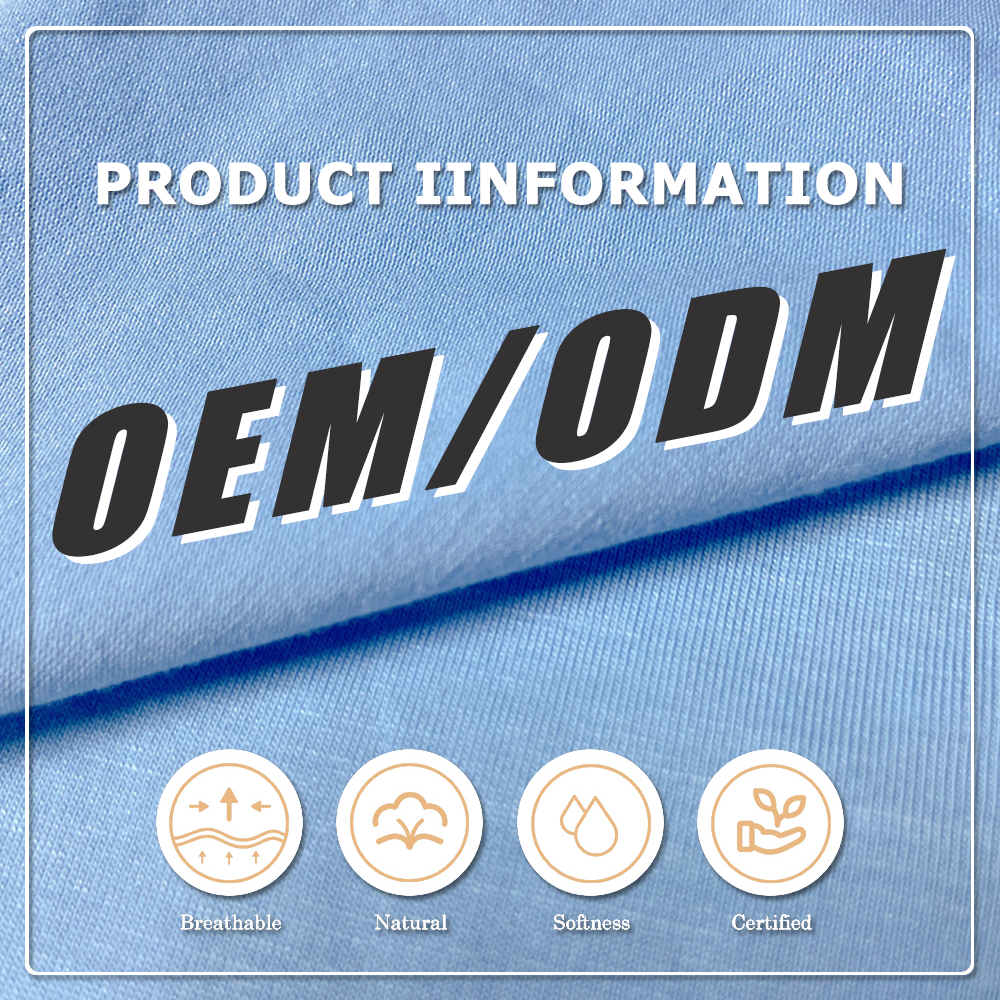
When sourcing modal fabric dresses, quality is paramount. Buyers should ensure that their suppliers adhere to strict quality standards, which are often verified through certifications. At Shaoxing City Ohyeah Textile Co., Ltd., we hold certifications such as OEKO-TEX, GOTS, OCS, and GRS, ensuring that our eco-friendly fabrics, including our Tencel Modal, meet international safety and environmental standards.

Key quality parameters to consider include:

Color Fastness: Aim for fabrics that offer a color fastness rating of level 4-5. This ensures that the colors remain vibrant even after multiple washes, which is crucial for maintaining product appeal.Shrinkage: Fabrics with a shrinkage rate below 5% are preferred to avoid altering the fit and appearance of the dresses after washing.Material Composition: Modal fabric, made from beech tree pulp, is known for its softness, durability, and moisture-wicking properties, making it an excellent choice for comfortable clothing. Additionally, exploring Organic Cotton Fabric can provide further options for eco-friendly materials.

Understanding these standards helps buyers minimize returns and enhance customer satisfaction.

Our Blog Posts

Can you print on bamboo fabric

04

Feb

Can you print on bamboo fabric

I am aware that with the ongoing increase in popularity of sustainable fashion, and environmentally-friendly materials, bamboo fabric has become one of the newest favorites due to its unrivaled softness, breathability, and environmental friendly natu...
View More
How Tencel Lyocell Fabric Enhances Premium Knitwear Comfort

29

May

How Tencel Lyocell Fabric Enhances Premium Knitwear Comfort

Comfort is never a luxury when it comes to premium knitwear. It is an absolute must. The conscious consumer today demands soft comfort lasts,breathability that performs,and a clear conscience behind the fabric. Tencel Lyocell has been revolution...
View More
Why Tencel Modal Helps Maintain Fabric Shape After Repeated Washing

29

May

Why Tencel Modal Helps Maintain Fabric Shape After Repeated Washing

If you've ever owned clothing you loved and then noticed that it just doesn't fit right anymore,necklines stretching,cuffs looking limp,or pants becoming baggy,you know how frustrating this can be. To brands,it translates to returns,poor reviews...
View More

Get a Free Quote

Our representative will contact you soon.
Email
Name
Mobile/WhatsApp
Company Name
Message
0/1000

Related product categories

Get a Free Quote

Our representative will contact you soon.
Email
Name
Mobile/WhatsApp
Company Name
Message
0/1000