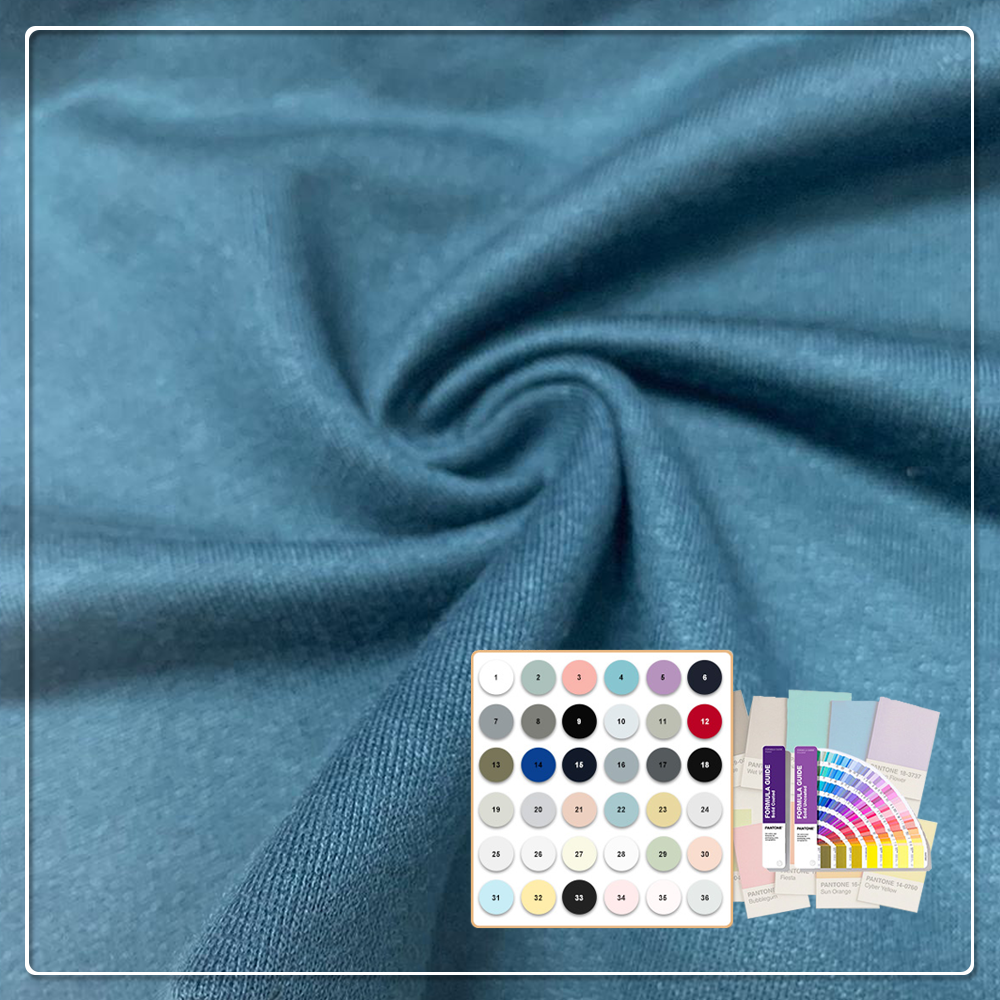
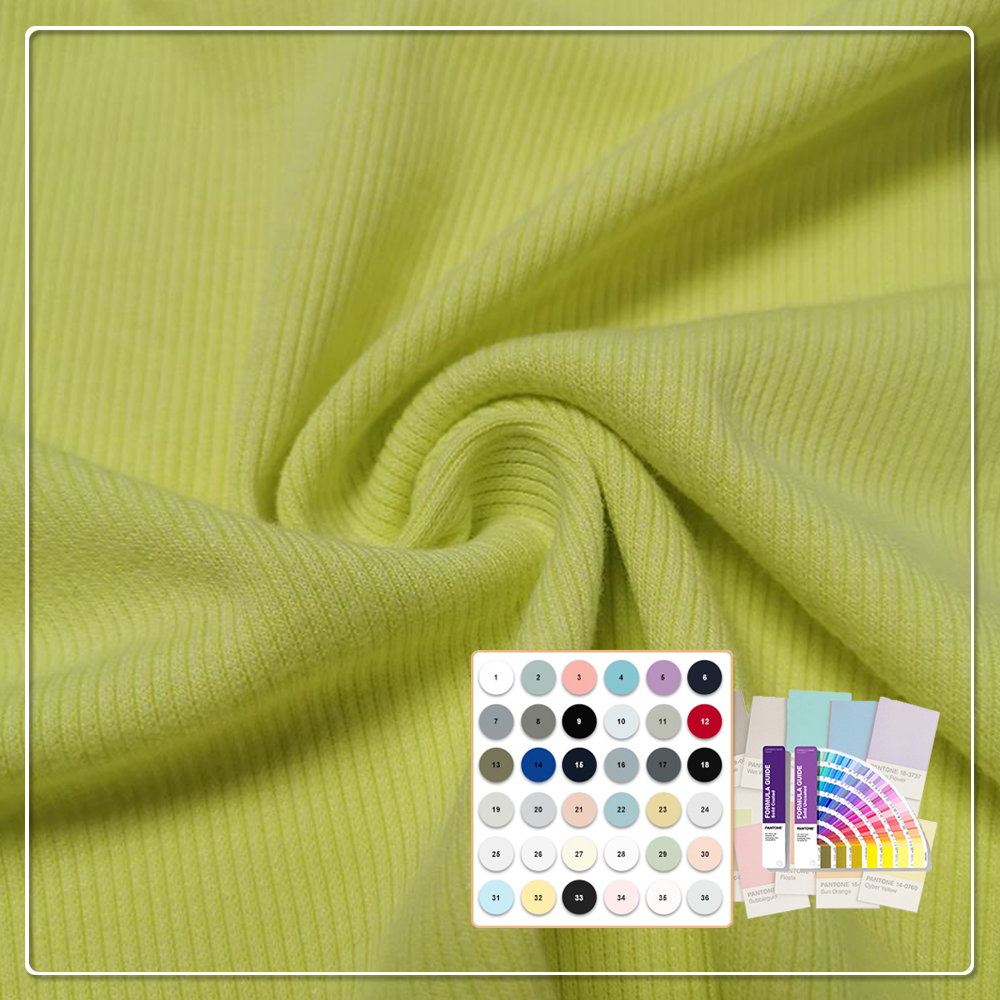
Choosing the Right Fabric for Nightwear

Get a Free Quote

Our representative will contact you soon.
Email
Name
Mobile/WhatsApp
Company Name
Message
0/1000

fabric for nightwear

As the demand for sustainable and comfortable nightwear increases, understanding the right fabric for nightwear becomes crucial for manufacturers and purchasing managers. The primary keyword, fabric for nightwear, encompasses various materials and their specific properties, influencing factors such as comfort, durability, and eco-friendliness. This article aims to guide B2B buyers through essential considerations when selecting nightwear fabrics, highlighting the importance of quality, supplier reliability, and common issues to avoid.

Where to Find Reliable Suppliers for Nightwear Fabrics

Finding reliable suppliers for nightwear fabrics is essential for ensuring quality and timely delivery. Here are some strategies to identify trustworthy sources:

Industry Trade Shows and Expos: Attending textile industry events allows buyers to meet suppliers face-to-face, assess fabric samples, and discuss customization options. This personal interaction helps build relationships and trust.

Online Marketplaces and Directories: Platforms like Alibaba, Global Sources, and textile-specific directories can provide a wide range of suppliers. Look for suppliers with strong reviews and verified credentials.

Networking and Referrals: Leverage industry connections to gain insights into reputable suppliers. Recommendations from peers can lead to discovering manufacturers with a proven track record.

Quality Certifications: Prioritize suppliers who hold relevant certifications. Suppliers like Shaoxing City Ohyeah Textile Co., Ltd. offer eco-friendly knitted fabrics with recognized certifications, ensuring quality and sustainability.

Sample Orders: Request samples before committing to larger orders. This allows for firsthand evaluation of fabric quality, feel, and performance.
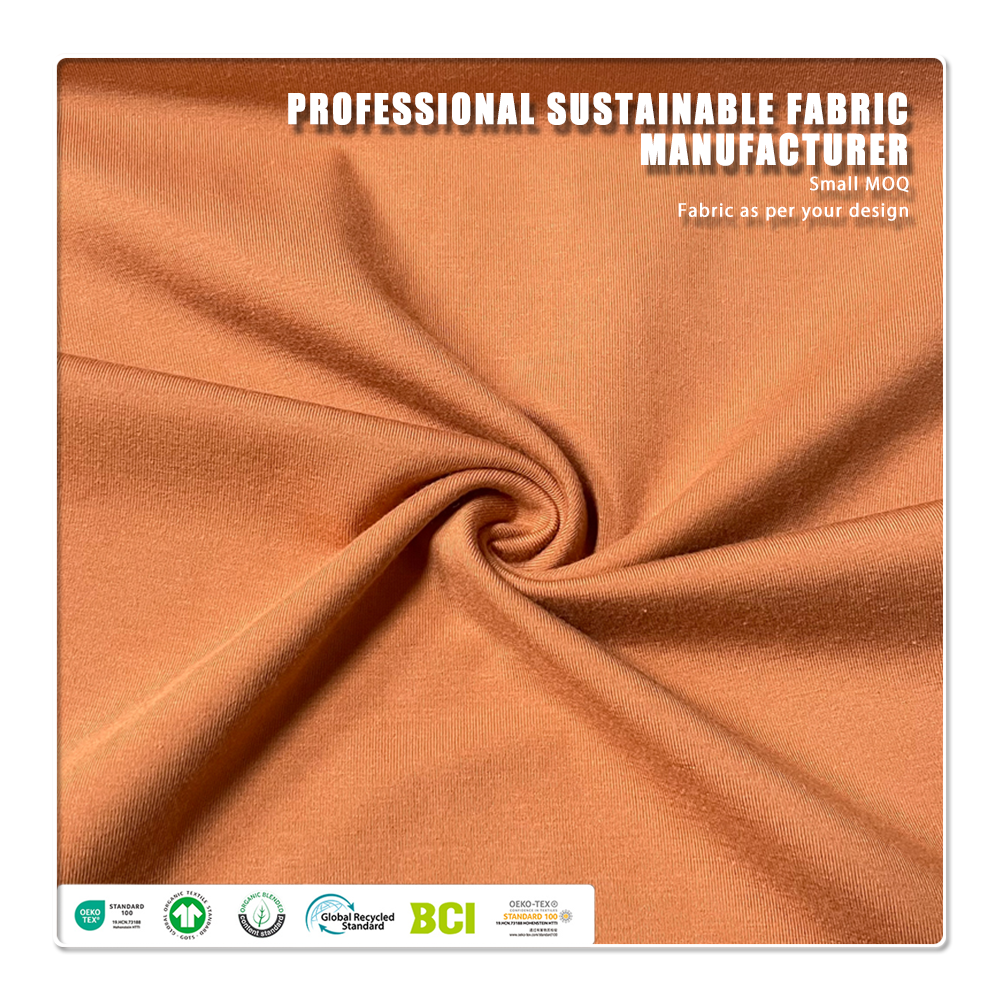
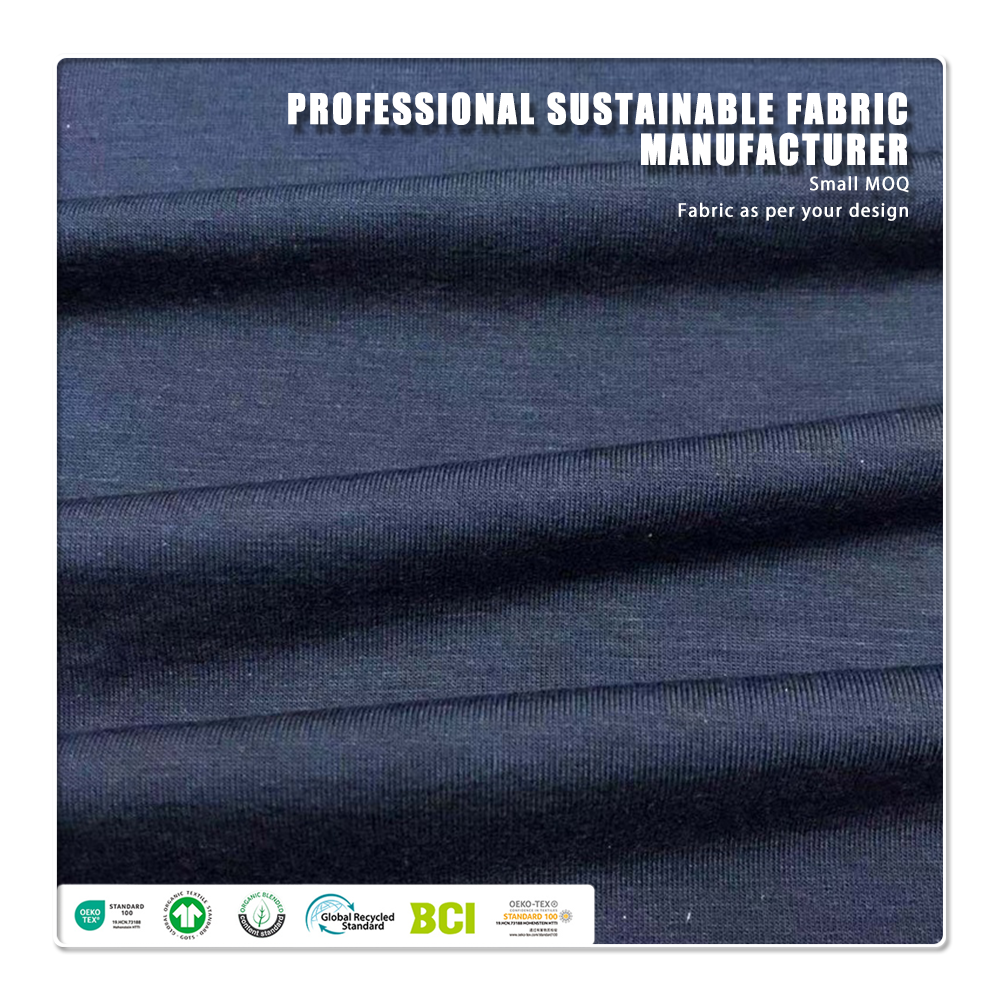
Cost-Effective Solutions for Nightwear Textiles

Cost management is a crucial consideration in sourcing fabric for nightwear. Here are strategies to find cost-effective solutions without sacrificing quality:

Bulk Ordering: Many manufacturers offer discounts for bulk purchases. If your production volume supports it, ordering larger quantities can significantly reduce the per-unit cost.

Material Alternatives: While premium fabrics like organic cotton may be desirable, consider blends or alternative materials that offer similar properties at a lower cost. For instance, a blend of recycled polyester and organic cotton can provide the softness and breathability needed for nightwear while being more cost-effective.

Supplier Negotiations: Build relationships with suppliers to negotiate better terms. Discuss options for reduced pricing in exchange for long-term contracts or consistent order volumes.

Production Efficiency: Work with suppliers who have advanced manufacturing capabilities, such as circular knitting machines, which can optimize production processes and lower costs.

Evaluate Total Cost of Ownership: Consider factors beyond the initial purchase price, such as shipping costs, potential waste during production, and the fabric's longevity. A higher upfront cost may be justified if it results in fewer replacements and lower maintenance costs.

How to Compare Different Fabrics for Nightwear Applications

To compare fabrics effectively, focus on specific characteristics that influence their suitability for nightwear applications:

Breathability: Fabrics that allow air circulation help regulate body temperature. Materials like bamboo and organic cotton excel in this area, making them comfortable choices for nightwear.

Moisture Management: Evaluate how well fabrics wick moisture away from the skin. This property is especially important for sleepers who tend to sweat. Fabrics with moisture-wicking capabilities can enhance comfort and promote better sleep quality.

Stretch and Recovery: Fabrics with good stretch and recovery properties are beneficial for nightwear, as they allow for freedom of movement. Knitted fabrics, in particular, provide excellent stretch without losing shape.

Environmental Impact: Assess the environmental footprint of the fabric. Eco-friendly options are becoming more popular, and buyers should consider the sustainability of materials like recycled polyester and organic cotton.

End-Use Considerations: Tailor your fabric choice to the specific type of nightwear being produced. For example, lightweight fabrics may be ideal for summer pajamas, while heavier materials might be more suitable for winter sleepwear.

Common Problems with Nightwear Fabrics and Their Solutions

When sourcing fabric for nightwear, buyers may encounter several common issues. Here are solutions to mitigate potential problems:

Shrinkage: Fabrics that shrink significantly after washing can lead to products that do not fit correctly. To address this, choose fabrics with a shrinkage rate below 5% and conduct pre-production wash tests.

Color Fading: Fabrics may lose color intensity after repeated washes. Ensure that the selected fabric has a color fastness rating of level 4-5, and request samples to test wash performance.

Pilling: Pilling can detract from the appearance of nightwear. Select fabrics that are less prone to pilling, such as high-quality blends. Discuss this aspect with suppliers to understand their fabric's durability.

Quality Control Failures: Establish strict quality control processes to catch defects before mass production. Implementing sample approvals that assess aesthetic and functional properties can help prevent issues during final production.

Supplier Reliability: Inconsistent supply can disrupt production schedules. Building strong relationships with suppliers and having contingency plans in place can ensure a steady flow of materials.

By considering these factors and implementing effective strategies, B2B buyers can make informed decisions when sourcing fabric for nightwear, ultimately leading to a successful product line that meets consumer demands for comfort, quality, and sustainability.

Key Factors to Consider

When selecting fabric for nightwear, several key factors should be evaluated to ensure the material meets the intended use and market expectations:

Material Composition: Fabrics like bamboo, organic cotton, and recycled polyester are popular for nightwear due to their softness and breathability. Bamboo fabric, for instance, offers moisture-wicking properties, making it ideal for warm climates or individuals who sweat during sleep. Organic cotton is favored for its hypoallergenic qualities and reduced environmental impact.

Certifications: Look for fabrics that carry certifications such as OEKO-TEX, GOTS, OCS, and GRS. These certifications ensure that the materials are produced sustainably and free from harmful substances, which is increasingly important to eco-conscious consumers.

Durability and Care: Consider the fabric's durability, which affects its longevity and maintenance requirements. Fabrics with a color fastness of level 4-5 and shrinkage below 5% are optimal, as they maintain their appearance and fit after washing.

Comfort and Feel: The tactile qualities of the fabric are crucial. Nightwear should feel soft against the skin, allowing for comfortable movement during sleep. Fabrics that are too rough or scratchy can lead to discomfort and dissatisfaction. Fabrics made from Tencel Modal can also be a great option for their smooth texture and breathability.

Cost and Availability: Balance quality with cost. While premium materials can enhance the product's appeal, they should align with target market pricing and availability.

Our Blog Posts

How Tencel Modal Improves Fabric Flexibility for Activewear

29

May

How Tencel Modal Improves Fabric Flexibility for Activewear

There's something special that activewear needs. It has to stretch and return to shape. It has to be comfortable against the skin during strenuous activity. And now it must come from sustainable sources. It's precisely this amazing flexibil...
View More
What Makes Tencel Lyocell a Preferred Choice for Sustainable Apparel

29

May

What Makes Tencel Lyocell a Preferred Choice for Sustainable Apparel

Sustainability has now moved out of the niche and into an expectation among ethical consumers and forward-thinking brands. Among the many eco-friendly fibers currently available, Tencel Lyocell has emerged as a clear front-runner. Here at S...
View More
The Low-Shrinkage Advantage of Tencel Modal in Mass Production

13

Oct

The Low-Shrinkage Advantage of Tencel Modal in Mass Production

The number of challenges that are as expensive and disruptive as the fabric shrinkage are scarce to manufacturers and brands with a large scale. In case of shrinking clothes after manufacturing, and worse still when they reach the consumers, the cons...
View More
What Tencel Lyocell’s Moisture Absorption Means for High-End Sportswear

13

Oct

What Tencel Lyocell’s Moisture Absorption Means for High-End Sportswear

In the competitive market of high-end sportswear, the performance is dictated by how a fabric responds to the simplest action of the body to exercise, perspiration. This is because moisture control has been a competitive factor of premium brands and ...
View More

Get a Free Quote

Our representative will contact you soon.
Email
Name
Mobile/WhatsApp
Company Name
Message
0/1000

Related product categories

Get a Free Quote

Our representative will contact you soon.
Email
Name
Mobile/WhatsApp
Company Name
Message
0/1000