Choosing Modal Fabric for Underwear Manufacturing

Get a Free Quote

Our representative will contact you soon.
Email
Name
Mobile/WhatsApp
Company Name
Message
0/1000

modal fabric for underwear

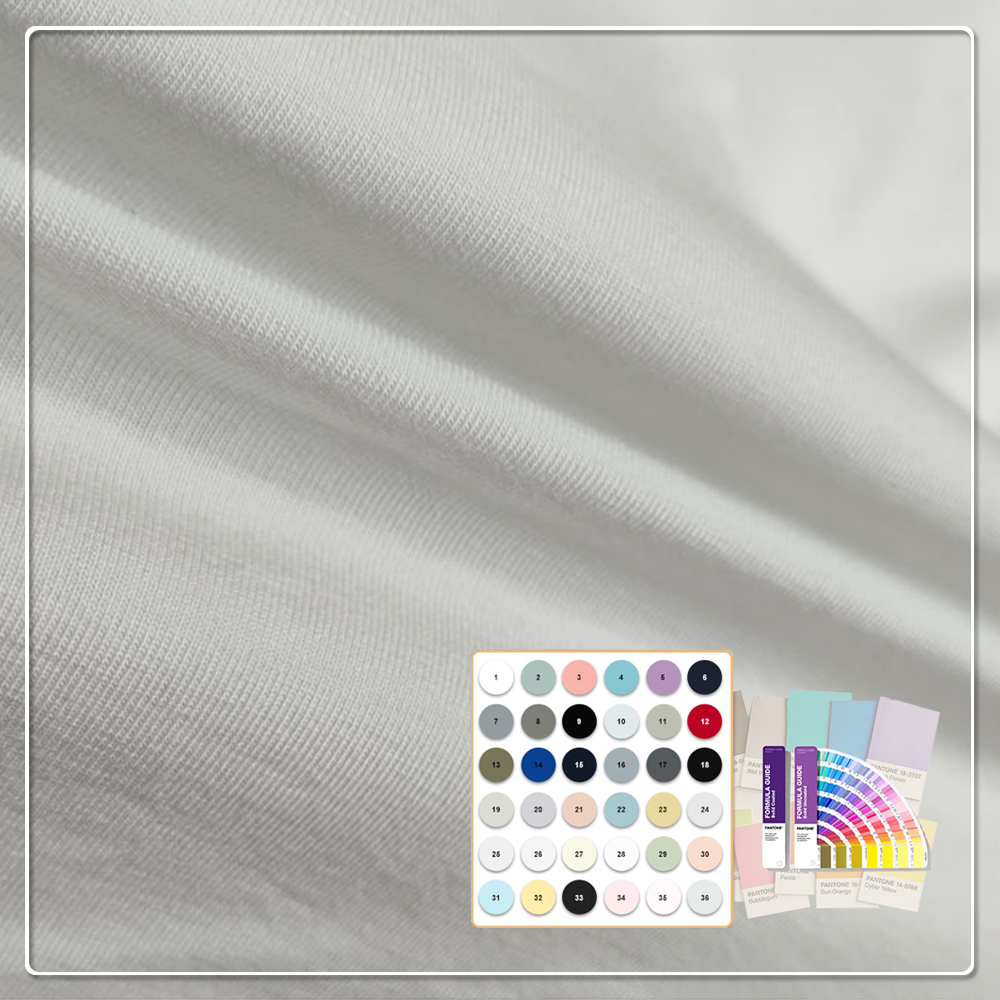
Modal fabric is a popular choice for underwear manufacturing due to its softness, breathability, and luxurious feel. As a B2B buyer, selecting the right modal fabric for your production needs involves understanding various factors that impact quality, performance, and suitability for your product line. This article will guide you through essential considerations when choosing modal fabric for underwear, ensuring you are well-informed to make the best purchasing decisions.

How to Evaluate the Quality of Modal Fabric for Bulk Orders

Evaluating the quality of modal fabric for bulk orders involves several steps:

Sample Testing: Before placing a large order, request fabric samples to assess softness, stretch, and overall feel. Testing the fabric under actual usage conditions will provide insight into its performance.

Color Fastness: Ensure that the fabric has good color fastness to prevent fading during washing. The ideal level for underwear should be between 4-5 on the color fastness scale.

Shrinkage Rates: Check the shrinkage rates of the fabric, which should ideally be below 5%. Excessive shrinkage can lead to fit issues after washing.

Manufacturing Capabilities: Work with manufacturers that have robust quality control processes in place. Shaoxing City Ohyeah Textile Co., Ltd., for example, has a dedicated team for quality assurance, ensuring that the fabric meets the specified standards.

Supplier Reputation: Research the supplier's history and customer reviews. A reputable manufacturer will have a track record of delivering high-quality products consistently.

Taking these steps will help you ensure that you are sourcing high-quality modal fabric suitable for your underwear products.
Specifications You Need for Wholesale Modal Fabric Purchases

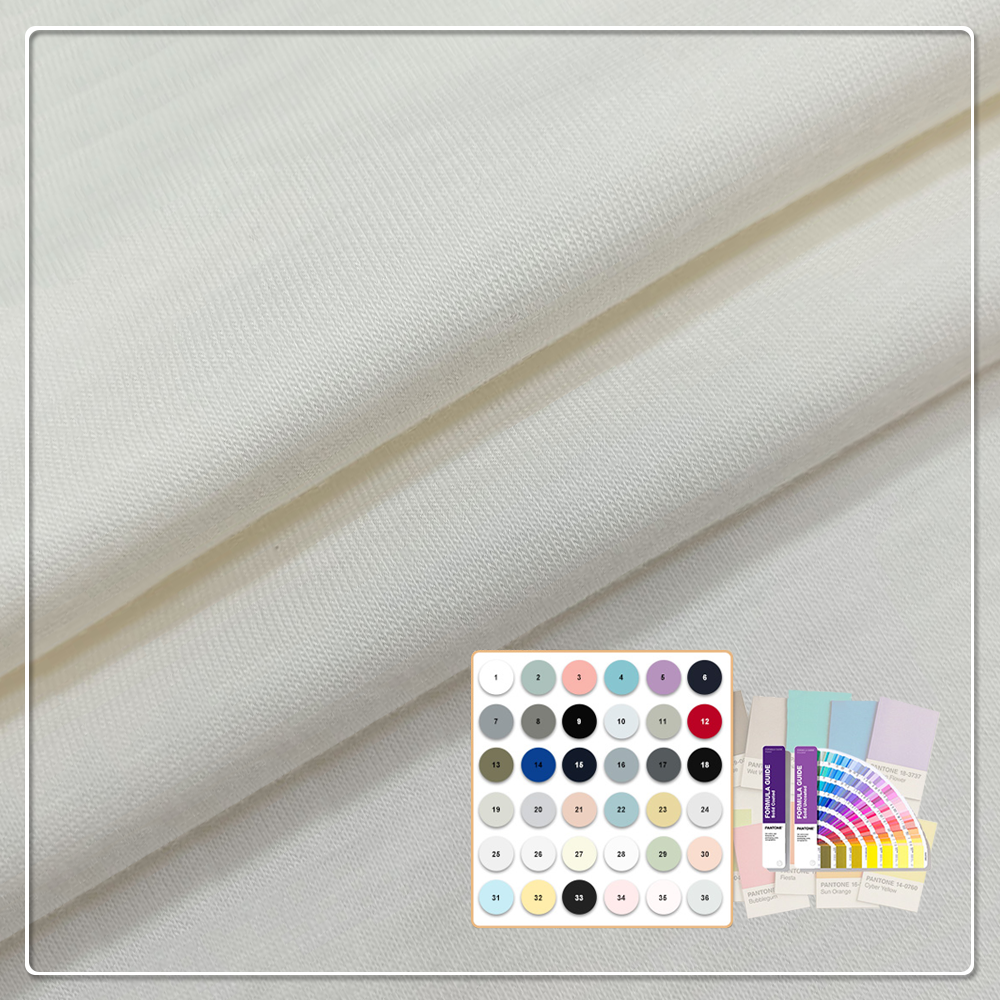
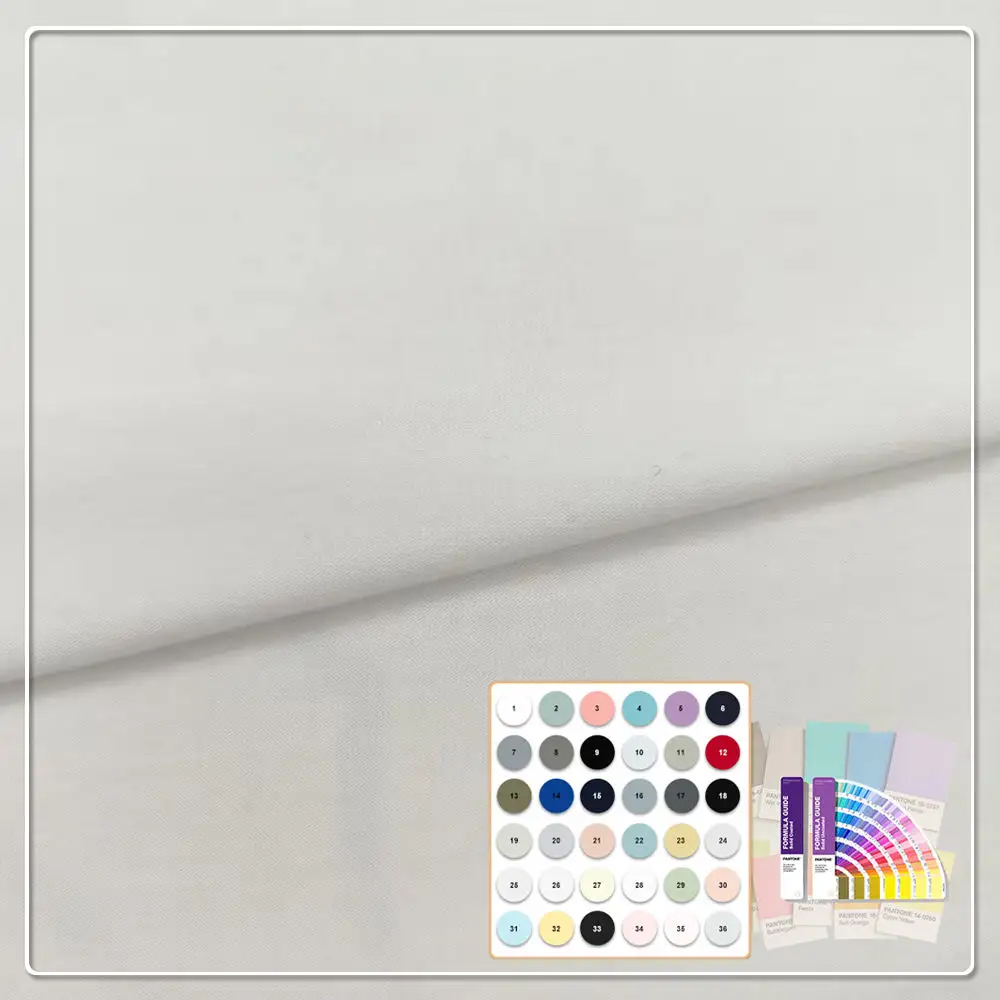
When preparing for wholesale modal fabric purchases, consider the following specifications:

Fabric Width and Length: Specify the required width and length of the fabric rolls. Standard widths for modal fabrics typically range from 150 to 180 cm.

Weight per Square Meter (GSM): The grams per square meter (GSM) indicates the weight of the fabric, which affects its thickness and feel. For underwear, a GSM of 140-180 is often ideal.

Stretch Ratio: Define the stretch requirements based on the intended use of the underwear. Fabrics with a stretch ratio of 4-way stretch are preferred for better fit and comfort.

Finishing Treatments: Consider any finishing treatments you may require, such as anti-wrinkle or anti-bacterial properties. These can enhance the fabric's performance and longevity.

Minimum Order Quantity (MOQ): Be aware of the supplier's MOQ, which can vary significantly. Ensure that it aligns with your production needs and budget.

By clarifying these specifications upfront, you can streamline the procurement process and ensure that the fabric meets your production requirements.

Applications of Modal Fabric in Underwear Manufacturing

Modal fabric is versatile and well-suited for various types of underwear, including:

Daily Wear Underwear: The soft texture and breathability of modal make it an excellent choice for everyday underwear, ensuring comfort throughout the day.

Activewear Underwear: Modal’s moisture-wicking properties make it suitable for activewear underwear, providing the necessary support and comfort during physical activities.

Loungewear and Sleepwear: The luxurious feel of modal fabric makes it ideal for loungewear and sleepwear, where comfort is paramount.

Fashion Underwear: Modal can be blended with other fabrics to create stylish, fashionable underwear options without compromising on comfort. Blends with recycled polyester fabric can also be explored for added sustainability.

Understanding these applications will help you tailor your product offerings and meet diverse consumer demands.

Common Problems with Modal Fabric and Effective Solutions

While modal fabric offers numerous benefits, it is not without its challenges. Here are some common issues and solutions:

Pilling: Modal can be prone to pilling, especially when blended with certain fibers. To mitigate this, ensure proper washing instructions are provided and consider using a fabric blend with smoother fibers.

Color Fading: Over time, modal fabric may fade, particularly if not properly cared for. Educate your customers on care instructions that include washing in cold water and avoiding harsh detergents.

Moisture Retention: In humid conditions, modal can retain moisture. While it is moisture-wicking, ensuring proper ventilation in the design phase can help alleviate this issue.

Cost Variability: The price of modal fabric can vary significantly based on supplier and quality. To avoid budget overruns, establish a clear budget and communicate any cost constraints with your supplier upfront.

By anticipating these common problems and implementing effective solutions, you can enhance your product's quality and customer satisfaction.

Understanding modal fabric's properties, quality evaluation methods, and potential challenges can significantly enhance your purchasing decisions for underwear manufacturing. With the right knowledge, you can ensure that your products not only meet but exceed consumer expectations.

What to Consider When Choosing Modal Fabric for Underwear

When selecting modal fabric for underwear, several key factors should be taken into account:

Material Composition: Modal is derived from beech tree pulp, making it a semi-synthetic fiber. Ensure that the modal fabric you choose aligns with your eco-friendly initiatives, especially since many suppliers, like Shaoxing City Ohyeah Textile Co., Ltd., offer eco-friendly alternatives including organic cotton fabric and bamboo blends.

Fabric Weight and Thickness: The weight of the fabric impacts the overall comfort and fit of the underwear. A lighter weight is often preferred for everyday wear, while slightly heavier fabrics may provide better coverage and durability.

Stretch and Recovery: Modal fabric should have a suitable amount of stretch to ensure comfort and fit. Look for modal blends that include elastane or spandex to enhance flexibility and shape retention.

Moisture-Wicking Properties: Underwear should effectively manage moisture. Modal is known for its moisture-wicking capabilities, which help keep the wearer dry and comfortable.

Environmental Certifications: Verify that the modal fabric is certified by organizations such as OEKO-TEX, GOTS, or GRS, which ensure that the fabric meets environmental and social criteria. Using sustainable options like Tencel Modal can also align with eco-friendly practices.

By considering these factors, you can select modal fabric that not only meets your quality standards but also aligns with your brand values.

Our Blog Posts

How Tencel Lyocell Material Helps Brands Meet Sustainability Goals

13

Oct

How Tencel Lyocell Material Helps Brands Meet Sustainability Goals

Today, for any fashion brands, sustainability can no longer be seen as a “nice to have”- it is becoming an expectation. It is expected that fashion businesses are transparent with their production processes, they are to produce their garm...
View More
Modal Tencel Material Opens New Opportunities for Textile Brands

13

Oct

Modal Tencel Material Opens New Opportunities for Textile Brands

The textile market is changing rapidly, and innovative, open minded brands are emerging. In recent years, the eco-friendly fiber trend has gained momentum. The combination of Modal and Tencel has given birth to so called modal tencel material, this n...
View More
Tencel Lyocell Material Adds More Value to Sustainable Fashion Lines

13

Oct

Tencel Lyocell Material Adds More Value to Sustainable Fashion Lines

While the fashion world is in the midst of a dramatic revolution for sustainable materials, brands are realizing that eco-friendly fabric is more than just environmentally responsible; it’s a means of adding product value, amplifying brand stat...
View More
Why Tencel Modal is the Secret Ingredient for Long-Lasting Softness

13

Oct

Why Tencel Modal is the Secret Ingredient for Long-Lasting Softness

The first feature that is mostly noticed by the consumers in the textile industry is softness although the quality of the textile is defined by the quality of the softness in the long run. A shirt that feels smooth one day and pilled or rough the nex...
View More

Get a Free Quote

Our representative will contact you soon.
Email
Name
Mobile/WhatsApp
Company Name
Message
0/1000

Related product categories

Get a Free Quote

Our representative will contact you soon.
Email
Name
Mobile/WhatsApp
Company Name
Message
0/1000