Cotton Modal Blend Fabric for Your Projects

Get a Free Quote

Our representative will contact you soon.
Email
Name
Mobile/WhatsApp
Company Name
Message
0/1000

cotton modal blend fabric

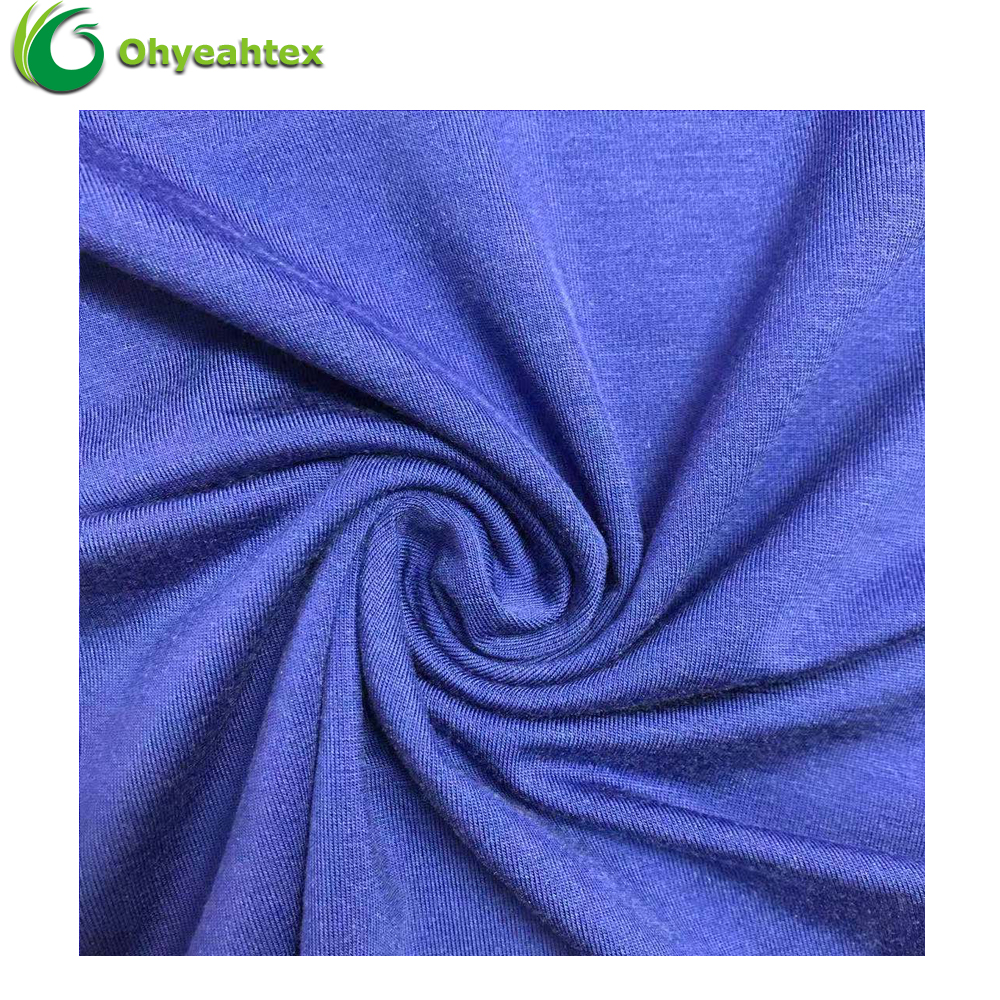
Cotton modal blend fabric is a versatile textile that combines the softness of cotton with the luxurious feel of modal, making it a popular choice in various manufacturing applications. As a buyer, you may have concerns about its quality, specifications, and suitability for your projects. This article will provide a comprehensive overview of cotton modal blend fabric, helping you make informed decisions regarding your purchasing needs.

Key Specifications to Evaluate Cotton Modal Blend Fabric Quality

Quality specifications are critical when assessing cotton modal blend fabric. Key factors include:

Fiber Content: Confirm the percentage of cotton and modal in the blend. This affects not only the feel but also the fabric's performance.Weight: Measured in grams per square meter (GSM), this specification influences the fabric's drape and intended use. Lighter fabrics may be suitable for t-shirts, while heavier fabrics work well for sweatshirts or dresses.Shrinkage: A quality cotton modal blend should have a shrinkage rate of less than 5%. This is vital to maintain the fit of finished products.Color Fastness: This specification indicates how well the fabric retains color after washing and exposure to light. A color fastness rating of 4-5 suggests high durability.

Buyers should request samples to evaluate these specifications firsthand before committing to larger orders, ensuring they meet the necessary quality standards for their products.

Understanding the Cost Factors of Cotton Modal Blend Fabric

The cost of cotton modal blend fabric can vary significantly based on several factors. Key considerations include:

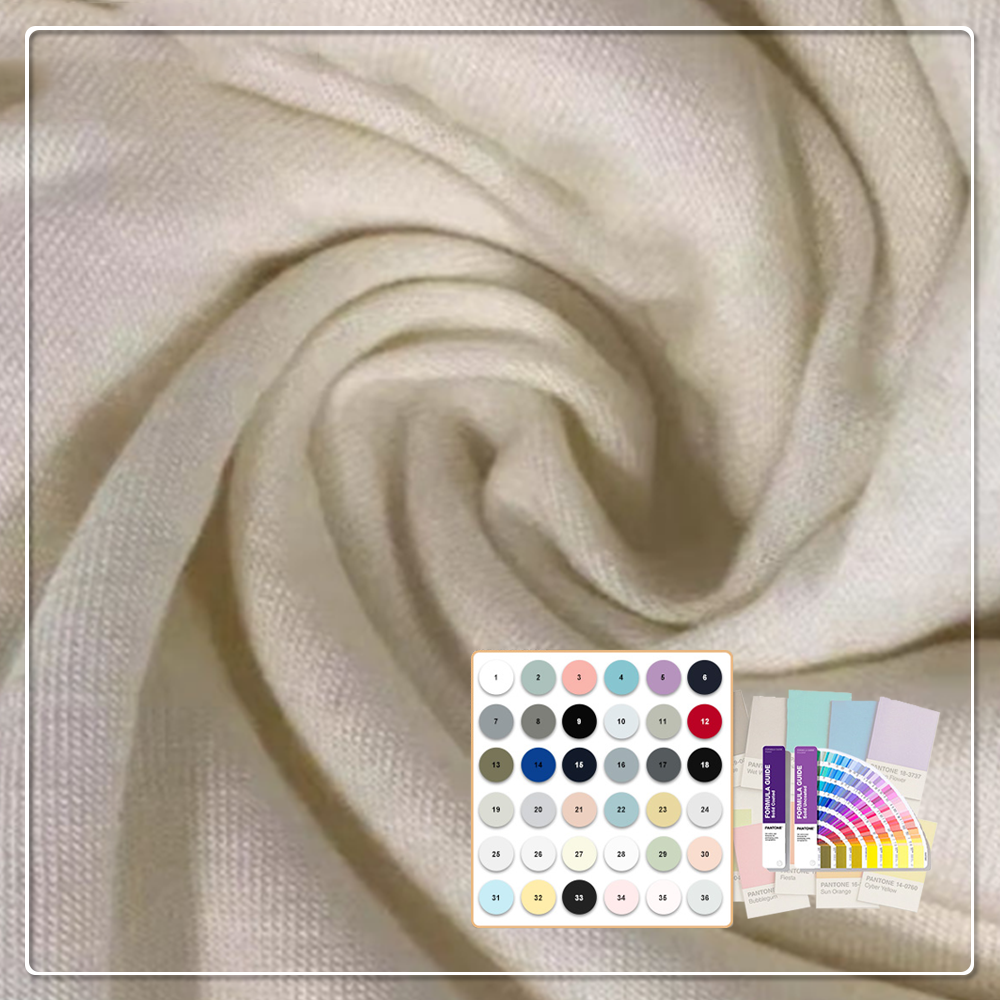
Raw Material Prices: Fluctuations in the prices of cotton and modal fibers can directly impact the cost of the fabric. For instance, if cotton prices rise due to supply chain issues, the overall cost of the blend may increase. Consider the potential benefits of using Organic Cotton Fabric as an alternative.Production Volume: Larger orders may benefit from economies of scale, reducing the per-unit cost. However, smaller quantities may incur higher pricing due to fixed production costs.Customization: Custom colors, patterns, or finishes can add to the cost. Buyers should clearly communicate their requirements when seeking quotes to avoid unexpected expenses.Supplier Location: Shipping costs and tariffs associated with importing fabrics can also influence final pricing. Consider sourcing from local manufacturers to mitigate these costs.

It’s advisable to obtain detailed quotations from suppliers to understand the total cost implications based on your specific needs.

Application Scenarios for Cotton Modal Blend Fabric in Manufacturing

Cotton modal blend fabric is highly versatile, making it suitable for various applications in the textile industry:

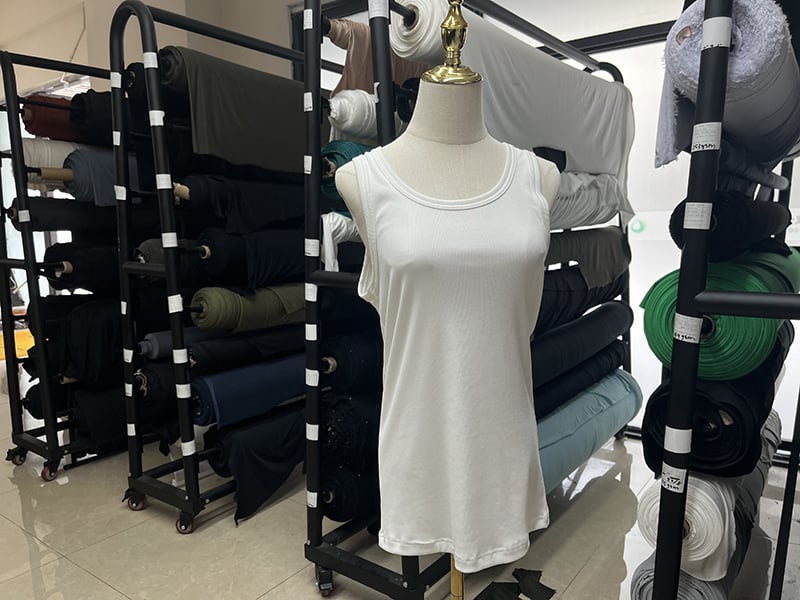
Apparel: The soft touch and breathability of cotton modal blends make them ideal for casual wear, including t-shirts, dresses, and activewear. The fabric's moisture-wicking properties enhance comfort during physical activities.Home Textiles: This blend is also popular in home textiles, such as bed linens and curtains, where softness and aesthetic appeal are priorities.Fashion Accessories: Scarves and wraps made from cotton modal blends benefit from the fabric's luxurious drape and feel, appealing to consumers looking for comfort and style.Eco-friendly Products: With increasing demand for sustainable materials, cotton modal blends can be an attractive option when produced from organic cotton or sustainable modal fibers.

Understanding the specific application can guide buyers in selecting the right blend and weight for their manufacturing projects.

How to Compare Cotton Modal Blend Fabric Options for Wholesale Orders

When comparing cotton modal blend fabric options for wholesale orders, buyers should take a systematic approach:

Vendor Reputation: Assess suppliers based on their certifications (such as OEKO-TEX, GOTS, OCS, and GRS) that ensure sustainable and ethical production practices. This can provide peace of mind about the fabric's safety and environmental impact.Sample Testing: Request samples from multiple suppliers to evaluate fabric quality, including texture, durability, and color fastness. Conduct wash tests to assess shrinkage and fading.Minimum Order Quantity (MOQ): Different suppliers may have varying MOQs. Ensure that the quantities align with your production needs without incurring unnecessary costs.Lead Times: Understand the production and shipping timelines to avoid disruptions in your supply chain. Suppliers with a robust production capacity, such as having over 100 circular knitting machines, can often fulfill larger orders more efficiently.

By evaluating these factors, buyers can make informed decisions that align with their project requirements and budget.

In summary, cotton modal blend fabric is a versatile, high-quality material that can meet diverse manufacturing needs. By focusing on key specifications, cost factors, and application scenarios, buyers can effectively navigate their purchasing decisions, ensuring they select the right fabric for their projects.

Choosing the Right Cotton Modal Blend Fabric for Your Projects

When selecting cotton modal blend fabric, consider the intended application and performance requirements. Cotton modal blends typically range from 50% cotton to 70% modal, impacting both the texture and durability of the fabric. For instance, a higher modal content often results in a softer, more luxurious feel, while a greater cotton percentage can enhance breathability and durability. Additionally, consider exploring Modal fabrics for comparison.

Additionally, evaluate the fabric's weight and thickness, as these attributes can affect its suitability for specific applications. Lightweight blends are ideal for summer garments, while heavier options may be better suited for winter clothing. Ensure that the fabric meets your design and functionality criteria, such as stretchability, drape, and color fastness, which for quality cotton modal blends typically ranges from levels 4-5.

Our Blog Posts

What Makes Tencel Modal Suitable for Comfortable Knitwear Production

29

May

What Makes Tencel Modal Suitable for Comfortable Knitwear Production

Comfortable knitwear does not happen by accident. The right fiber, the right manufacturing processes, and an awareness of how fabrics feel against the skin must all come together. For knitwear manufacturers who are serious about c...
View More
How Tencel Modal Fabric Improves Garment Comfort Without Extra Weight

13

Oct

How Tencel Modal Fabric Improves Garment Comfort Without Extra Weight

With clothes that make you feel good, it was always a compromise, luxuriously soft clothes were bulky and substantial, and light weight clothes had a more “normal” feel about them. Something we have been unable to reconcile for a long tim...
View More
The Business Value of Choosing Tencel Lyocell Fabric for Bulk Orders

13

Oct

The Business Value of Choosing Tencel Lyocell Fabric for Bulk Orders

Selecting the best eco-friendly fabric for large-scale production can be an important business consideration for any brand that aims to grow its sustainable products range. Here at Ohyeah Textile, we have over 20 years experience and over this time, ...
View More

Get a Free Quote

Our representative will contact you soon.
Email
Name
Mobile/WhatsApp
Company Name
Message
0/1000

Related product categories

Get a Free Quote

Our representative will contact you soon.
Email
Name
Mobile/WhatsApp
Company Name
Message
0/1000