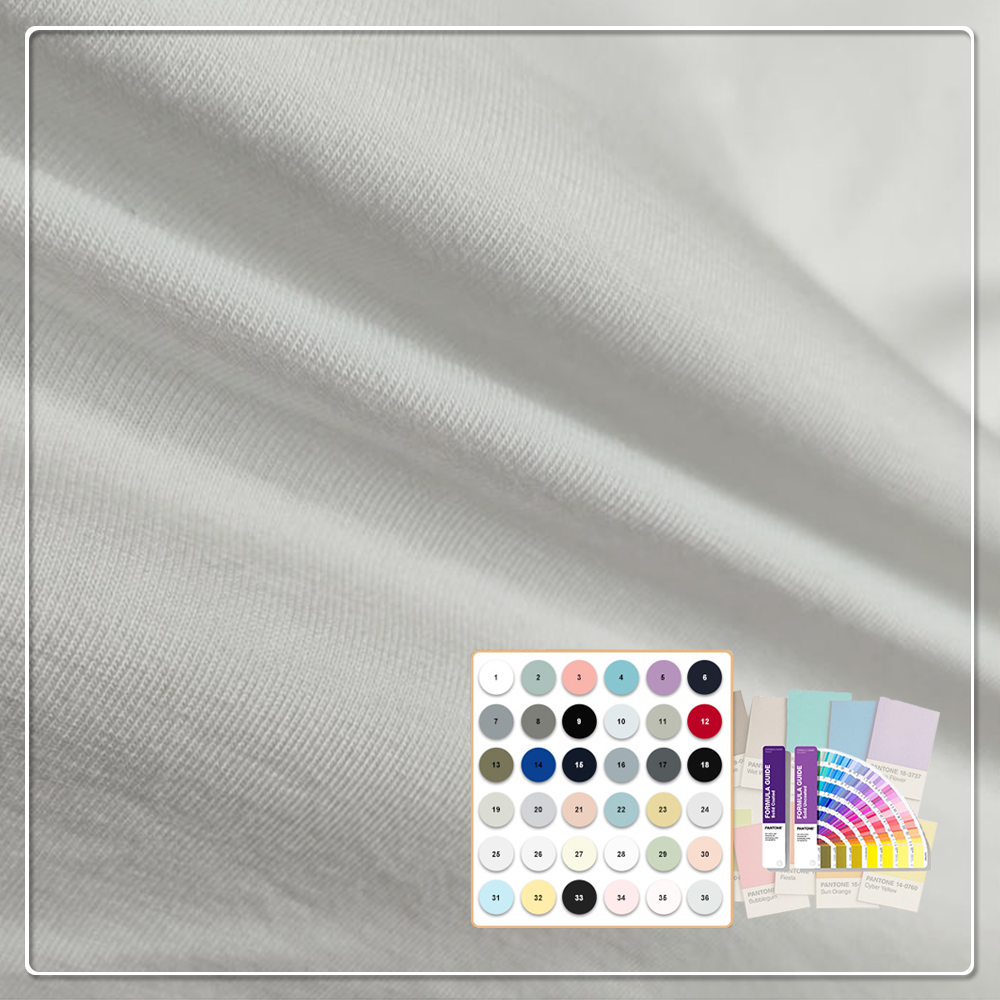
Key Features of 93 Modal 7 Spandex Fabrics

Get a Free Quote

Our representative will contact you soon.
Email
Name
Mobile/WhatsApp
Company Name
Message
0/1000

93 modal 7 spandex

93 Modal 7 Spandex fabrics are a versatile choice for a wide range of applications in the textile industry, combining the softness of modal with the stretch of spandex. For B2B buyers, such as purchasing managers and product developers, understanding the specifications, sourcing options, and application suitability of these fabrics is crucial for making informed purchasing decisions. This article will explore the key specifications, identify reliable suppliers, address common installation problems, outline cost factors, and discuss the applications of 93 Modal 7 Spandex in the textile industry.

Where to Find Reliable Suppliers of 93 Modal 7 Spandex Fabrics

Finding trustworthy suppliers for 93 Modal 7 Spandex fabrics requires thorough research and evaluation. Here are some effective strategies:

Industry Trade Shows: Attending textile and apparel trade shows allows buyers to meet manufacturers, view samples, and gauge the quality of their offerings firsthand.

Online Directories: Websites like Alibaba, Global Sources, and ThomasNet can provide listings of manufacturers. Look for suppliers with verified certifications, such as OEKO-TEX, GOTS, and GRS, which ensure compliance with sustainable practices.

Manufacturer Websites: Researching manufacturers like Shaoxing City Ohyeah Textile Co., Ltd. who specialize in eco-friendly fabrics can provide insights into their production capabilities, certifications, and product range.

Networking: Engaging with industry contacts or joining textile associations can lead to recommendations for reliable suppliers who have a proven track record in delivering quality fabrics.

Requesting Samples: Before finalizing a supplier, request samples of 93 Modal 7 Spandex to assess their quality, feel, and performance characteristics. This step is crucial to ensure that the fabric meets your specifications.
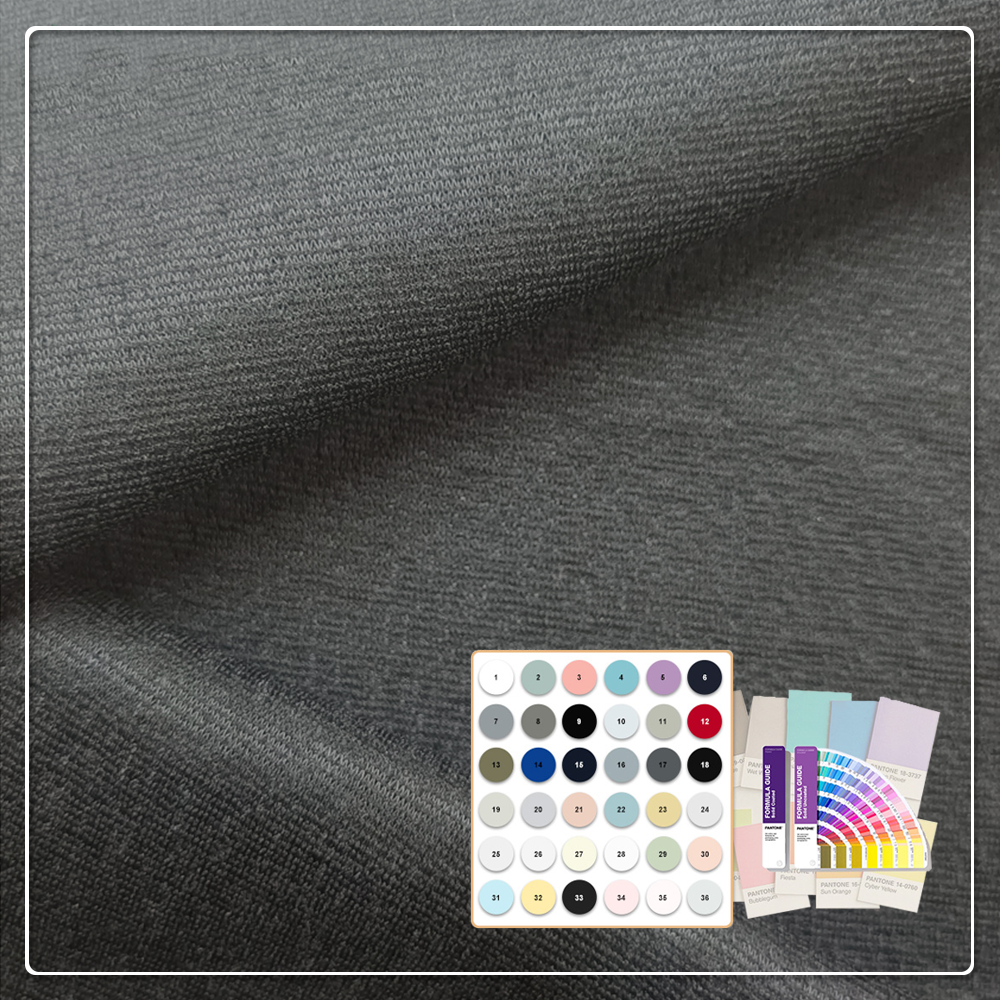
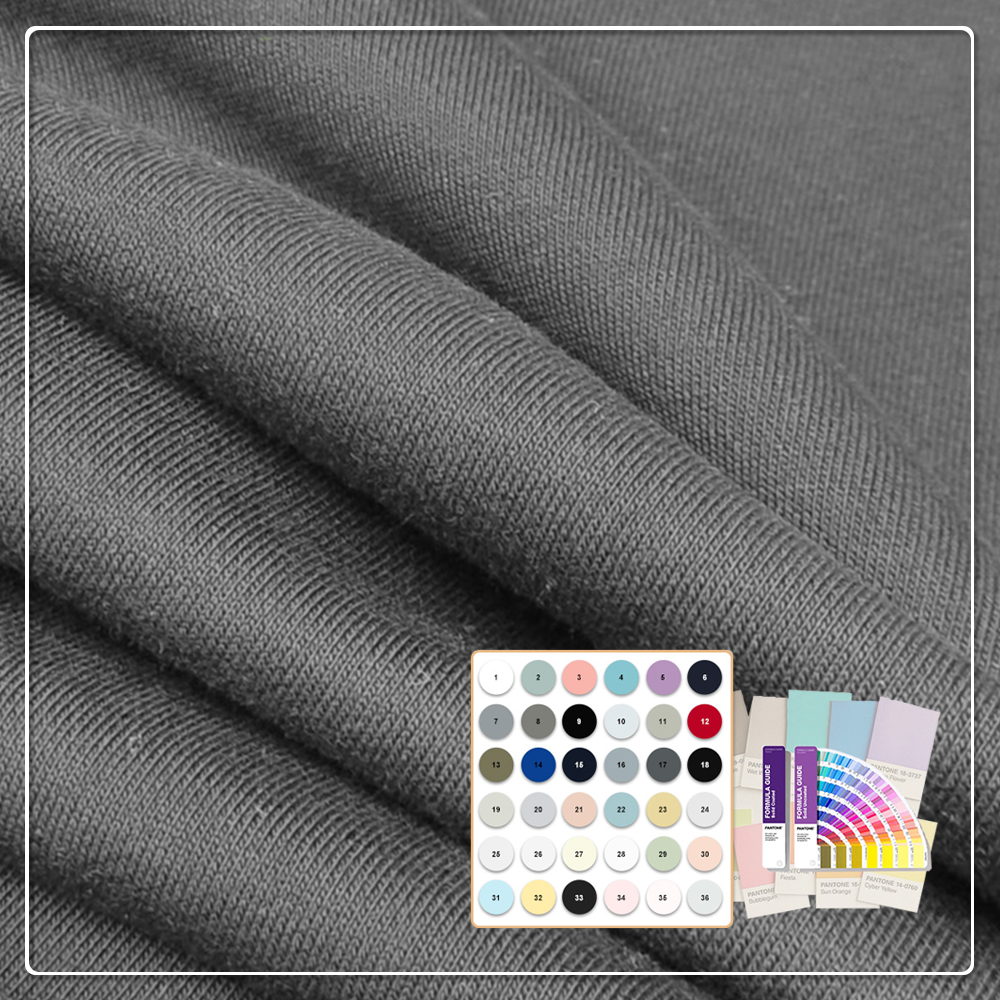
Common Installation Problems with 93 Modal 7 Spandex Solutions

While 93 Modal 7 Spandex fabrics are known for their versatility, buyers may encounter specific installation challenges. Here are common problems and their solutions:

Slippage During Cutting: Due to the stretch and softness of the fabric, slippage can occur during cutting, leading to inaccuracies. To mitigate this, use specialized cutting tables with high-friction surfaces or weights to secure the fabric.

Seam Puckering: Stretchable fabrics can result in puckered seams if not sewn correctly. Employing a walking foot or dual-feed sewing machine will help maintain even tension during stitching, reducing the risk of puckering.

Needle Choice: Using the wrong type of needle can lead to skipped stitches or damage to the fabric. A ballpoint needle is recommended for knit fabrics like 93 Modal 7 Spandex, as it can penetrate without snags.

Washing Instructions: Improper care can lead to fabric degradation. Ensure that end-users are informed about washing in cold water and avoiding bleach to maintain the fabric's integrity and color.

By addressing these common installation problems, manufacturers and garment producers can enhance the quality and longevity of their products.

Cost Factors to Consider When Sourcing 93 Modal 7 Spandex

Understanding the cost factors associated with sourcing 93 Modal 7 Spandex fabrics is vital for budget planning. Here are the primary considerations:

Raw Material Prices: The cost of modal and spandex fluctuates based on market demand and availability. Buyers should stay informed about market trends to anticipate price changes.

Manufacturing Location: Sourcing from manufacturers with efficient production processes or advanced technology may yield better pricing. Consider suppliers such as Shaoxing City Ohyeah Textile Co., Ltd., which maintains high production capacity and quality control.

Order Quantity: Minimum order quantities (MOQs) can significantly affect pricing. Larger orders usually attract lower per-unit costs, so buyers should evaluate their needs against MOQ requirements.

Customization Needs: Custom colors, patterns, or finishes can increase costs. Ensure that design specifications are clear from the outset to avoid unexpected price increases later in the process.

Shipping and Import Duties: Depending on the sourcing location, shipping fees and import duties can add to the total cost. Buyers should factor these into their budget and consider logistics when choosing suppliers.

By understanding these cost factors, buyers can make informed decisions that align with their budget constraints while ensuring the quality and performance of the fabrics.

Applications of 93 Modal 7 Spandex in the Textile Industry

93 Modal 7 Spandex fabrics find applications across various sectors in the textile industry due to their unique properties. Some notable applications include:

Activewear: The breathability, moisture-wicking capabilities, and stretch of 93 Modal 7 Spandex make it an excellent choice for athletic clothing, such as leggings, workout tops, and swimwear. Additionally, fabrics like Oeko-Tex Certified 69% Bamboo 31% Sorona Single Jersey Fabric-Anti-Bacteria Lightweight for Women's Kids' Clothing can enhance performance in this category.

Loungewear and Sleepwear: The soft, luxurious feel of modal provides comfort for loungewear and sleepwear, appealing to consumers seeking both style and relaxation.

Underwear: The combination of softness and elasticity makes these fabrics ideal for undergarments, where comfort and fit are paramount.

Fashion Apparel: Designers are increasingly utilizing 93 Modal 7 Spandex for contemporary clothing lines, where drape, stretch, and visual appeal are essential.

Home Textiles: Some manufacturers also explore using this fabric blend in home textiles, such as fitted sheets and pillowcases, capitalizing on its softness and durability.

By understanding these applications, buyers can better match their sourcing needs with the versatile capabilities of 93 Modal 7 Spandex fabrics.

In summary, 93 Modal 7 Spandex fabrics offer a unique combination of comfort, durability, and versatility, making them suitable for various applications in the textile industry. By focusing on the specifications, sourcing options, installation challenges, cost factors, and applications, B2B buyers can make informed decisions when considering these fabrics for their product lines.

What are the Key Specifications of 93 Modal 7 Spandex Fabrics?

93 Modal 7 Spandex fabrics consist primarily of 93% modal—a semi-synthetic fiber made from beech tree pulp—and 7% spandex, which provides elasticity. This blend results in a fabric that is not only soft and breathable but also offers excellent stretch and recovery.

Key Specifications: Composition: The modal content contributes to a luxurious feel, while the spandex enhances flexibility and shape retention.Weight: Fabrics typically range from lightweight (150-200 gsm) for activewear to heavier weights for more structured garments.Color Fastness: With a color fastness of level 4-5, these fabrics maintain vibrancy through multiple washes, making them suitable for apparel that requires durability in appearance.Shrinkage: The shrinkage rate is generally below 5%, ensuring that garments maintain their size and shape after washing.Breathability: Modal's natural properties allow for moisture-wicking and breathability, making it ideal for activewear and undergarments.Softness and Comfort: The fabric has a smooth surface, which enhances comfort, particularly in close-fitting applications.

When sourcing 93 Modal 7 Spandex, buyers should consider the end-use application to determine the optimal weight and finish of the fabric, ensuring it aligns with performance requirements. For example, using Eco-Friendly Stretch Waterproof Anti-Static Shrink-Resistant 30 Coolmax Polyester 70 Supima Cotton 170GSM Fabric for Bed could complement the qualities of 93 Modal 7 Spandex.

Our Blog Posts

Why Tencel Lyocell Fabric Supports High-End Apparel Production

29

May

Why Tencel Lyocell Fabric Supports High-End Apparel Production

High-end garments require a special quality that goes beyond price. They offer exquisite hand-feel,flawless drape,consistent quality,and a story that appeals to sophisticated consumers. When a manufacturer or brand intends to succeed in the high-end ...
View More
Why Tencel Lyocell Meets the Needs of Eco-Conscious Apparel Brands

29

May

Why Tencel Lyocell Meets the Needs of Eco-Conscious Apparel Brands

Making sustainable clothing is no small feat. Eco-friendly brands need materials that are truly sustainable while still delivering comfort, quality, and performance. Lots of 'green' materials have one or more major weaknesses that are overlooked or m...
View More
The Rising Popularity of Modal Tencel Material in Global Apparel

13

Oct

The Rising Popularity of Modal Tencel Material in Global Apparel

A remarkable transformation is underway across the global apparel and fashion industry. The rise of comfort and proven sustainability is catching on with fashion designers, buyers and consumers, all across the planet. Driving the wave of sustainable,...
View More
What Buyers Look for in High Quality Tencel Lyocell Fabric

13

Oct

What Buyers Look for in High Quality Tencel Lyocell Fabric

With the vast number of fabrics available, both sustainable and not, it can be difficult to decide which one you'd like to use to make a garment. The eco-friendly space continues to evolve and create brand new amazing fabrics, which can enable design...
View More

Get a Free Quote

Our representative will contact you soon.
Email
Name
Mobile/WhatsApp
Company Name
Message
0/1000

Related product categories

Get a Free Quote

Our representative will contact you soon.
Email
Name
Mobile/WhatsApp
Company Name
Message
0/1000