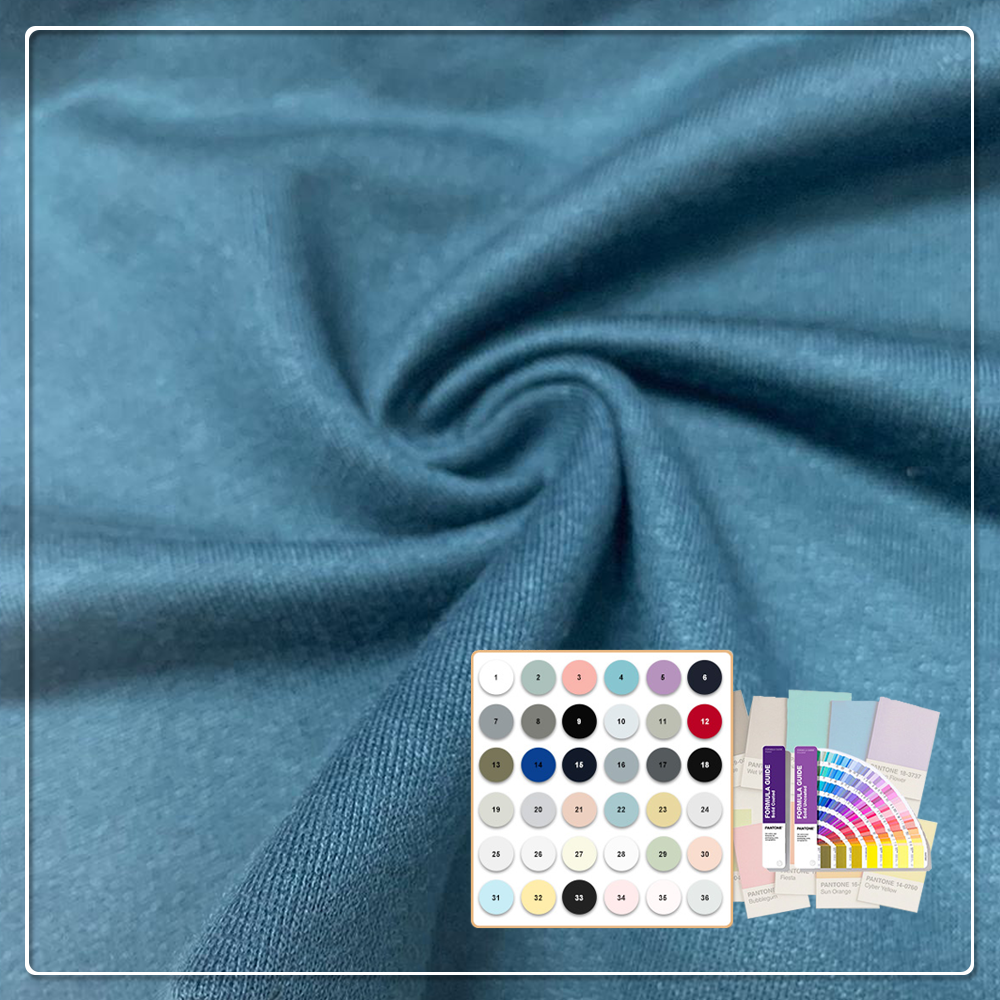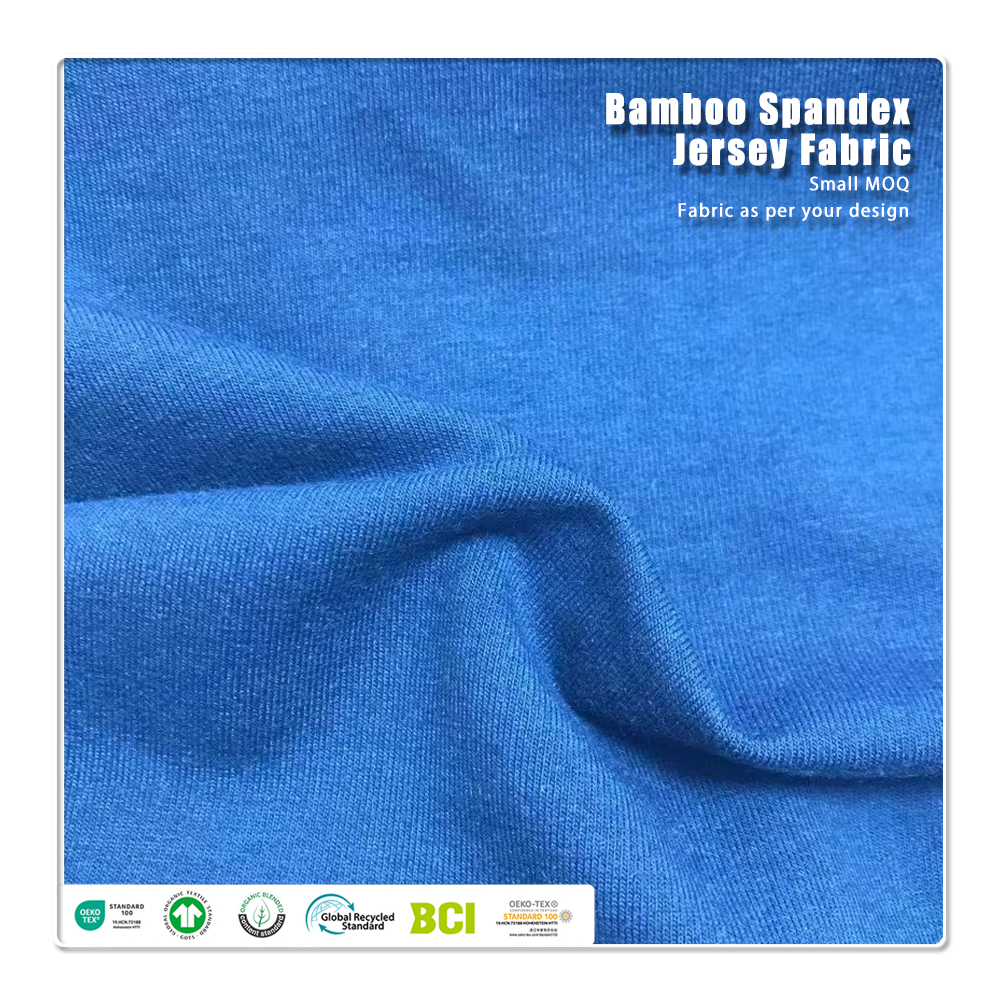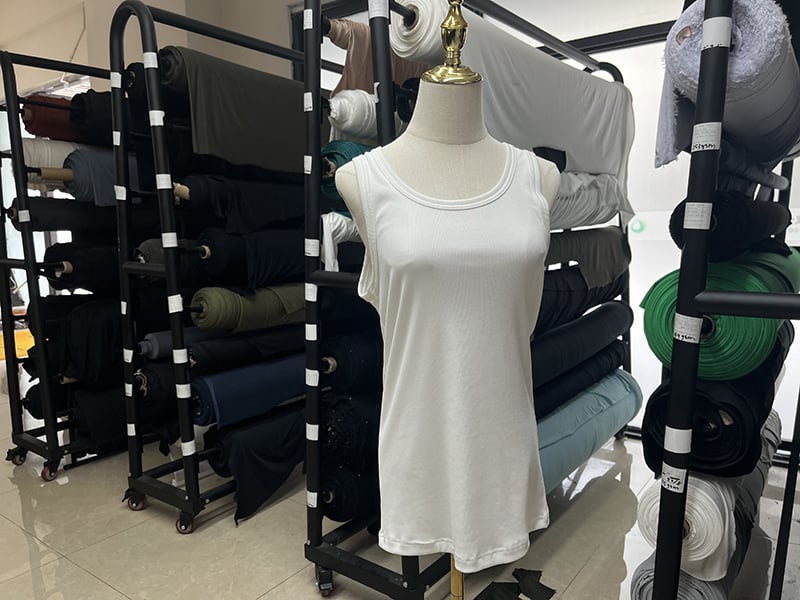
Cotton Modal Spandex Fabric Specifications & Guide

Get a Free Quote

Our representative will contact you soon.
Email
Name
Mobile/WhatsApp
Company Name
Message
0/1000

cotton modal spandex fabric

Cotton modal spandex fabric is a versatile textile blend that combines the natural softness of cotton, the luxurious feel of modal, and the stretchability of spandex. This fabric is increasingly popular among manufacturers and brands in the fashion and textile industries due to its comfort, durability, and eco-friendly properties. For purchasing managers and product developers, understanding the specifications, quality standards, and potential installation challenges associated with cotton modal spandex fabric is crucial for making informed decisions. This article aims to provide essential insights and practical guidance for those looking to source this fabric for their applications.

A Reliable Supplier Guide

Choosing the right supplier for cotton modal spandex fabric is essential for ensuring quality and reliability. Here are some factors to consider when evaluating potential suppliers:

Manufacturing Capabilities: Look for suppliers with extensive manufacturing capabilities, such as a large number of circular knitting machines. Shaoxing City Ohyeah Textile Co., Ltd., for instance, operates over 100 machines with a monthly output of 200 tons, ensuring they can meet large order demands.

Quality Control Processes: A robust quality control system is critical. Ensure the supplier conducts regular inspections and testing throughout the production process to maintain high standards.

Customization Options: If you require specific colors, patterns, or fabric blends, confirm that the supplier offers customization services. This is especially important for brands looking to differentiate their products in the market.

Export Experience: Suppliers with experience in international markets can navigate the complexities of shipping and customs. They should also be knowledgeable about compliance with international standards.

Sample Provision: Always request samples before placing bulk orders. This allows you to evaluate the fabric’s texture, weight, and color accuracy, ensuring it meets your expectations.

By focusing on these criteria, you can partner with a reliable supplier that aligns with your business needs.

Evaluating Quality Standards in Cotton Modal Spandex Fabric for Bulk Orders

Quality is paramount when sourcing cotton modal spandex fabric for bulk orders. Here are some practical steps to ensure the fabric meets your standards:

Visual Inspection: Conduct a thorough visual inspection of the fabric sample. Look for inconsistencies in color, texture, and pattern alignment. Any defects should be noted and addressed before bulk production.

Testing for Performance: It's crucial to test the fabric for durability and performance. This includes stretch and recovery tests to evaluate the spandex's effectiveness, as well as wash tests to assess color fastness and shrinkage.

Certification Verification: Ensure the fabric comes with relevant certifications. For instance, OEM&ODM Eco-friendly 100% Bamboo Fiber Jersey Fabric Anti-Bacteria Moisture-Absorbent Breathable Features for Garment Apparel guarantees that the fabric is free from harmful substances, which is increasingly important for eco-conscious brands.

Production Lot Consistency: When ordering in bulk, confirm that the supplier can maintain consistency across production lots. Variations can affect garment fit and appearance, leading to potential customer dissatisfaction.

Lead Time and Communication: Discuss lead times upfront and maintain open communication with your supplier throughout the production process. This helps in managing expectations and addressing any issues promptly.

Implementing these quality evaluation steps ensures that the cotton modal spandex fabric you receive aligns with your project specifications and quality standards.

Common Installation Challenges with Cotton Modal Spandex Fabric and Solutions

While cotton modal spandex fabric is favored for its versatility, there are common installation challenges that buyers should be aware of:

Fabric Stretch and Recovery: The stretchability of spandex can lead to challenges in maintaining shape during cutting and sewing. To mitigate this, use appropriate cutting techniques and ensure that sewing machines are equipped with stretch needles and appropriate thread types to handle elasticity.

Seam Puckering: This can occur if the fabric is not handled correctly during the sewing process. To prevent puckering, use a walking foot or a differential feed sewing machine that accommodates stretchy materials, ensuring even feeding of the fabric layers.

Color Matching: Variations in dye lots can lead to mismatched colors if not properly managed. Always verify dye lot information with your supplier and consider ordering all required fabric in one batch to ensure consistency.

Handling and Storage: Cotton modal spandex fabric should be stored in a cool, dry place to prevent moisture damage. It's also important to avoid folding the fabric in a way that will cause creases, as these can be difficult to remove.

By being aware of these challenges and implementing the suggested solutions, buyers can enhance their installation processes and ensure a smooth production workflow.

What Buyers Need to Know

When preparing to source cotton modal spandex fabric, there are several essential factors to consider:

Minimum Order Quantity (MOQ): Understand the MOQ requirements set by suppliers. This often varies and can affect your budgeting and inventory management.

Pricing Factors: Pricing can be influenced by factors such as fabric composition, weight, and customization options. Be prepared to discuss your specific needs with suppliers to receive accurate quotes.

Lead Time Considerations: Factor in lead times when planning your project. Understanding the production and shipping timelines helps in aligning your supply chain and meeting deadlines.

Technical Specifications: Provide detailed technical specifications when requesting quotes. This includes information about intended use, specific performance requirements, and any testing standards that the fabric must meet.

Sustainability Practices: As sustainability becomes a priority for many brands, inquire about the supplier's eco-friendly practices and certifications. This not only enhances your brand's reputation but also appeals to environmentally conscious consumers.

By keeping these considerations in mind, buyers can make informed decisions when sourcing cotton modal spandex fabric, ultimately leading to successful project outcomes.

Key Specifications for Buyers

When sourcing cotton modal spandex fabric, several key specifications should be considered to ensure the material meets your requirements. These include:

Composition: Typically, cotton modal spandex fabric consists of 50-60% cotton, 30-40% modal, and 5-10% spandex. This blend offers breathability, softness, and elasticity, making it suitable for various applications, from activewear to casual clothing.

Weight: Fabric weight can affect the drape and feel. Common weights range from 150 to 220 grams per square meter (gsm). Lighter weights are ideal for layering garments, while heavier weights provide more structure.

Width: Standard widths can vary, but many cotton modal spandex fabrics come in widths of 150 cm (59 inches). This dimension is important for cutting patterns and reducing fabric waste.

Color Fastness and Shrinkage: A color fastness rating of 4-5 is desirable, indicating that the fabric will maintain its color after washing. Buyers should also ensure that the shrinkage rate is below 5% to avoid fit issues post-wash.

Certifications: Look for eco-friendly certifications such as OEKO-TEX Certified 69% Bamboo 31% Sorona Single Jersey Fabric-Anti-Bacteria Lightweight for Women's Kids' Clothing, GOTS, or OCS, which indicate that the fabric meets stringent environmental and social criteria.

Understanding these specifications helps buyers select the right fabric for their specific applications while ensuring compliance with industry standards.

Our Blog Posts

The Science of Bamboo Fabric: Manufacturing, History, and Eco-Impact

14

Jan

The Science of Bamboo Fabric: Manufacturing, History, and Eco-Impact

Eco-Science Briefing Often hailed as the "Queen of Fibers," bamboo fabric merges 1,700 years of Chinese heritage with modern Closed-loop Systems. Known for its "Bamboo Kun" antibacterial agent and a micro-porous structure that absorbs 1.5x more mois...
View More
How Tencel Lyocell Improves Breathability in Modern Textile Applications

29

May

How Tencel Lyocell Improves Breathability in Modern Textile Applications

Today, breathability is not merely a perk in fabric, but a standard and expected characteristic for consumers wearing sportswear, loungewear, and general apparel. A breathable fabric allows the body to remain cool, dry, and comfortable...
View More
The Low-Shrinkage Advantage of Tencel Modal in Mass Production

13

Oct

The Low-Shrinkage Advantage of Tencel Modal in Mass Production

The number of challenges that are as expensive and disruptive as the fabric shrinkage are scarce to manufacturers and brands with a large scale. In case of shrinking clothes after manufacturing, and worse still when they reach the consumers, the cons...
View More
Why Tencel Lyocell is Perfect for Sensitive Skin Collections

13

Oct

Why Tencel Lyocell is Perfect for Sensitive Skin Collections

Delicate skin renders simple clothing a choice that is carefully chosen by millions of customers throughout the globe. Adults and children with eczema, psoriasis, contact dermatitis, or general skin sensitivity require textiles that not only provide ...
View More

Get a Free Quote

Our representative will contact you soon.
Email
Name
Mobile/WhatsApp
Company Name
Message
0/1000

Related product categories

Get a Free Quote

Our representative will contact you soon.
Email
Name
Mobile/WhatsApp
Company Name
Message
0/1000