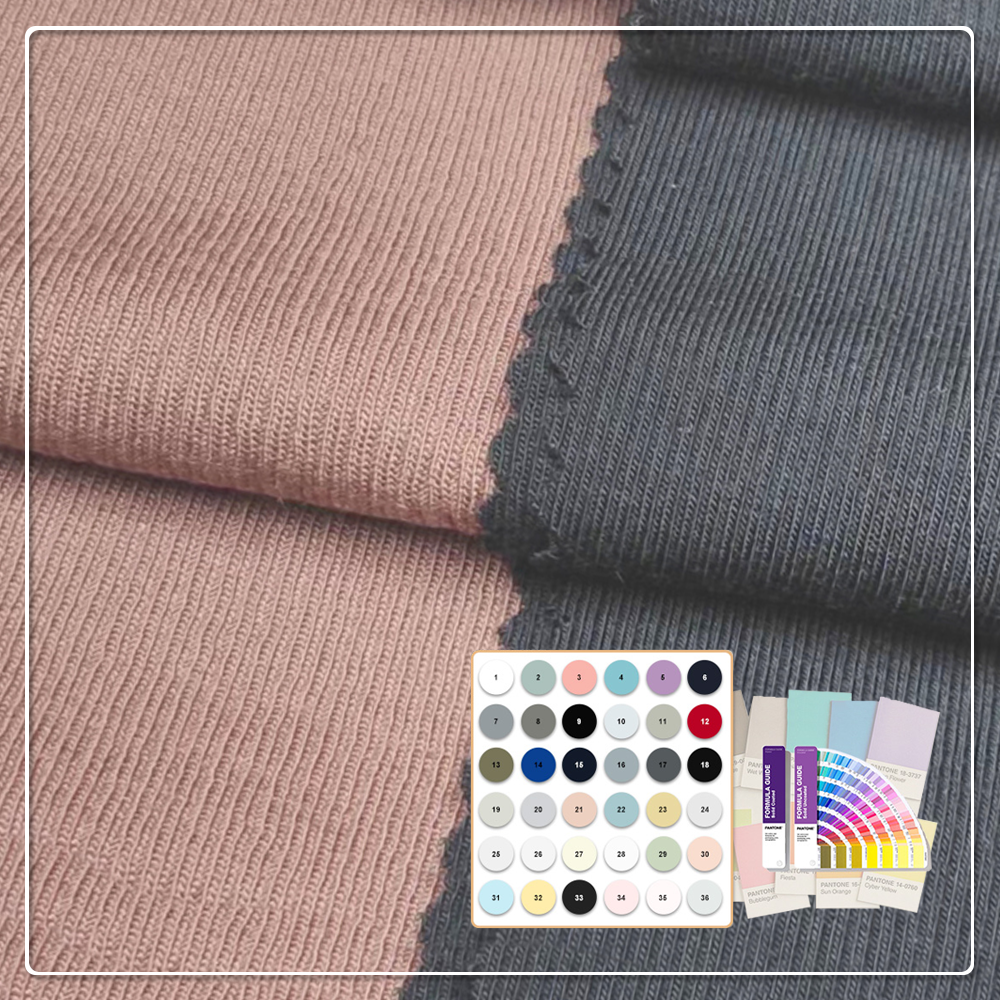
Bamboo and Hemp Fabric for Sustainable Sourcing

Get a Free Quote

Our representative will contact you soon.
Email
Name
Mobile/WhatsApp
Company Name
Message
0/1000

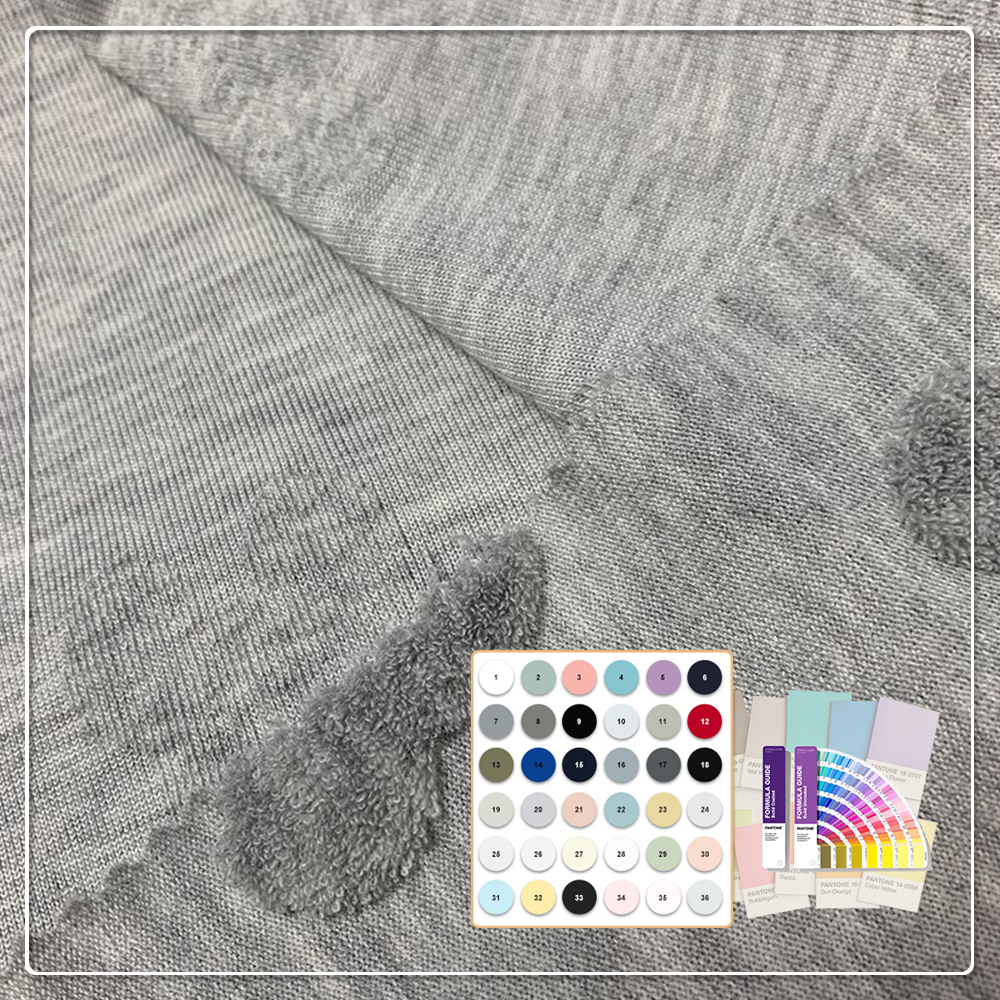
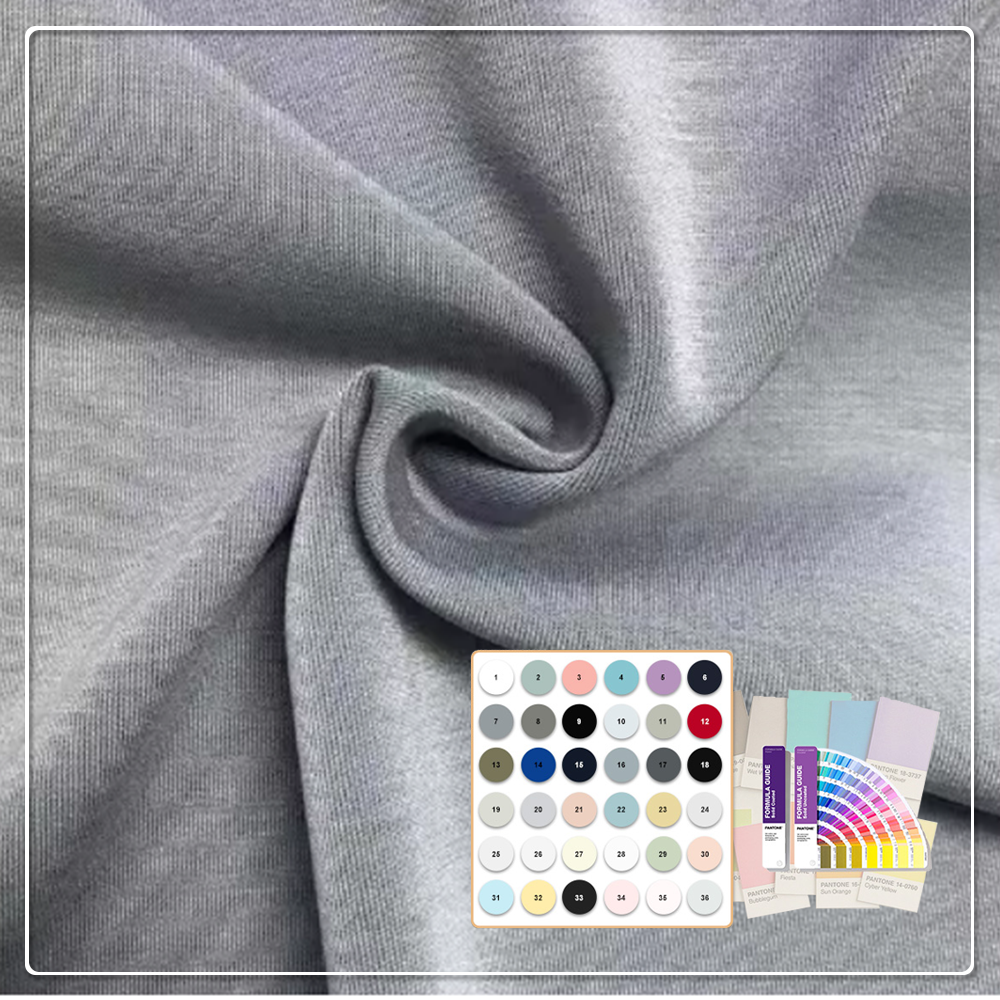
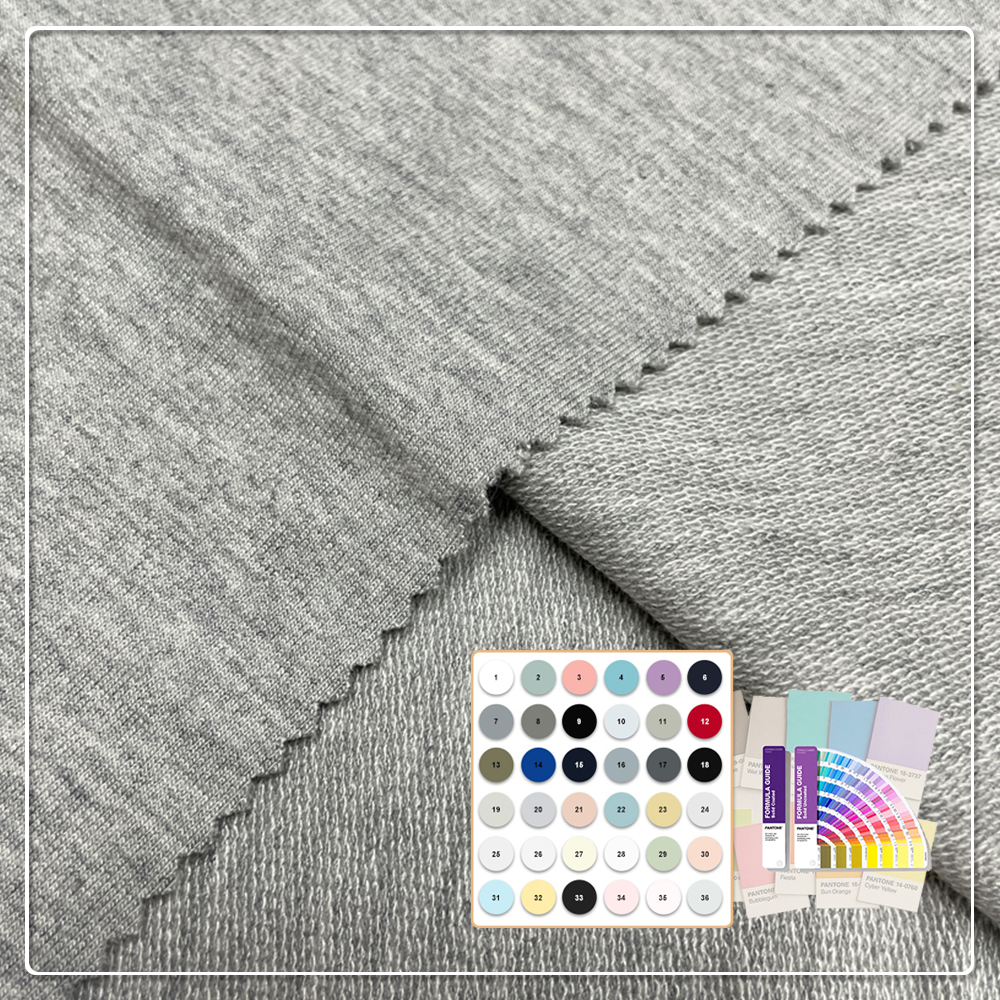
Bamboo and hemp fabric

Bamboo and hemp fabric are increasingly popular choices for manufacturers seeking sustainable and eco-friendly materials. As a B2B buyer, understanding the cost factors, sourcing strategies, and applications of these fabrics is essential for making informed purchasing decisions. This article will guide you through the nuances of sourcing bamboo and hemp fabrics, helping you identify reliable suppliers, evaluate applications, and choose the right fabric for your projects. 

As demand for environmentally responsible textiles continues to grow, bamboo and hemp fabrics have become popular alternatives to conventional materials. Both fibers can offer useful properties for clothing, home textiles, and other applications, but their environmental benefits depend on how they are grown, processed, manufactured, and transported. 



Our Products

Where to Find Reliable Suppliers for Eco-Friendly Fabrics

Finding trustworthy suppliers for bamboo and hemp fabrics requires thorough research and consideration. Start by exploring industry trade shows and exhibitions, which often feature eco-friendly fabric manufacturers and provide opportunities for face-to-face discussions. Online platforms dedicated to sustainable textiles can also be valuable resources, showcasing a range of suppliers with verified credentials. 

Certifications such as OEKO-TEX, GOTS, and OCS are indicators of a supplier’s commitment to sustainability and quality. Look for manufacturers who not only possess these certifications but also provide transparency regarding their sourcing and production practices. For example, Shaoxing City Ohyeah Textile Co., Ltd. is certified in various sustainable practices, ensuring buyers receive high-quality, eco-friendly fabrics. 

Networking within industry associations and forums can also lead to recommendations for reliable suppliers. Engaging with peers in the manufacturing sector can yield insights into supplier performance, reliability, and fabric quality. 

Applications of Bamboo and Hemp Fabrics in Various Industries

Bamboo and hemp fabrics are versatile materials used across multiple industries due to their unique properties. In the fashion industry, bamboo is celebrated for its softness and breathability, making it ideal for activewear and comfortable clothing. Hemp, known for its durability, is often used in workwear and outdoor apparel, where resilience is crucial. 

In the home textiles sector, both fabrics find applications in bedding, towels, and upholstery. The natural antibacterial properties of bamboo make it a popular choice for bedding, enhancing hygiene and comfort. Hemp's strength and longevity make it suitable for upholstery that withstands everyday wear and tear. 

Additionally, both fabrics are gaining traction in the automotive and industrial sectors, where eco-friendly materials are increasingly prioritized. Their sustainable attributes align well with the growing demand for green manufacturing practices. 

Which is Right for Your Project?

Choosing between bamboo and hemp fabric depends on your specific project requirements. Consider the intended use of the fabric, as each material offers distinct advantages. Bamboo fabric is softer and more luxurious, making it suitable for apparel where comfort is paramount. In contrast, hemp fabric is sturdier, making it better suited for products that require durability, such as bags or heavy-duty clothing. 

Additionally, consider environmental impacts and sourcing practices. While both materials are eco-friendly, the cultivation processes differ. Bamboo grows rapidly and requires less water, while hemp is known for its ability to enrich soil quality, making both excellent choices for sustainable projects. 

When evaluating options, it’s also essential to assess the fabric’s performance characteristics, such as breathability, moisture-wicking capabilities, and color fastness. Shaoxing City Ohyeah Textile Co., Ltd. offers fabrics with a color fastness of levels 4-5, ensuring vibrant colors that endure through washes and usage, which is a critical factor for buyers in the textile industry. 

Technical Benefits of Bamboo and Hemp Fabrics for Sustainable Products

Bamboo and hemp fabrics present several technical benefits that make them appealing for sustainable product development. Bamboo fabric, for instance, is naturally antibacterial and hypoallergenic, making it an excellent choice for sensitive skin. This characteristic adds value, especially in markets focused on health and wellness. 

Hemp fabric is renowned for its strength and durability. It tends to be more resistant to mold and UV light compared to many other fabrics, which is particularly beneficial for outdoor applications. Furthermore, hemp fibers become softer with each wash, enhancing comfort over time, which is a desirable trait in consumer goods. 

Both fabrics are biodegradable, supporting a circular economy approach in product design. By choosing bamboo and hemp, manufacturers can reduce their environmental footprint and appeal to eco-conscious consumers. When developing products, it’s crucial to collaborate with suppliers who understand these technical benefits, as they can guide you in selecting the right fabric specifications for your applications. 

understanding the nuances of bamboo and hemp fabrics and Bamboo Viscose/Bamboo Lyocell Fabric can significantly enhance your sourcing strategy. By focusing on cost factors, supplier reliability, application suitability, and technical benefits, you can make informed decisions that align with sustainability goals while meeting your product requirements. 

Cost Factors for Sourcing Bamboo and Hemp Fabrics in Large Quantities

When sourcing bamboo and hemp fabrics and Products, several cost factors come into play. The price per unit can fluctuate based on material availability, processing techniques, and the scale of your order. For instance, bamboo is often sourced from regions where it grows abundantly, influencing its price based on local market conditions. In contrast, hemp, while gaining popularity, may still face supply chain limitations, affecting its availability and pricing. 

Another significant factor is the manufacturing process. Fabrics made from bamboo and hemp undergo different processing stages, including harvesting, processing, and dyeing. Each stage adds to the overall cost. For large orders, it's crucial to consider minimum order quantities (MOQs) and potential discounts for bulk purchases. Additionally, quality control measures and certifications can add to costs but are essential for ensuring sustainable practices. 

Buyers should also account for shipping and logistics. The origin of the fabric impacts shipping costs, especially if sourcing internationally. To mitigate costs, consider suppliers that offer favorable shipping terms or have local distribution centers. 

Frequently Asked Questions

What is bamboo and hemp fabric made of?

Our bamboo and hemp fabric blends bamboo viscose and natural hemp fibers, producing a soft, breathable, and durable eco-friendly knit suitable for apparel and home textiles.
Yes. We hold OEKO-TEX, GOTS, OCS, and GRS certifications, ensuring sustainable sourcing and safe, low-impact processing for our bamboo and hemp fabrics.
Our fabrics feature color fastness level 4-5, shrinkage below 5%, and are produced under strict quality control for consistent handfeel and performance.
With over 100 circular knitting machines and 200 tons monthly output, we can handle bulk orders; lead times depend on order size—please contact us for a customized timeline.
Yes. We offer custom dyeing, weights, and finishes to meet specifications, backed by our professional QC team to ensure consistent results and luxury handfeel.

Our Blog Posts

Global Top 10 Bamboo Fabric Suppliers: Ecocert Organic Certified Leaders | Ohyeahtex

05

Dec

Global Top 10 Bamboo Fabric Suppliers: Ecocert Organic Certified Leaders | Ohyeahtex

This comprehensive report, based on a meticulous analysis of industry sources, authoritative certifications, production capacity, and global market presence, identifies the world's Top 10 most influential bamboo fiber fabric manufacturers. These ra...
View More
How bamboo fabric is made

04

Feb

How bamboo fabric is made

I am aware that bamboo fabric has swept the textile industry with its smooth touch, the technological breathing quality and some amazing eco-factors. In Shaoxing city Ohyeah Textile Co., Ltd. a registered producer of high quality bamboo fabrics we do...
View More
The Natural Softness Advantage of Tencel Lyocell in Knit Fabrics

29

May

The Natural Softness Advantage of Tencel Lyocell in Knit Fabrics

Consumers look for softness in knitwear above all else. Softness builds trust,encourages comfort,and leaves a positive lasting impression. When compared to all the other sustainable fibers available on the market today,none will offer the same amount...
View More
Why Tencel Modal Helps Maintain Fabric Shape After Repeated Washing

29

May

Why Tencel Modal Helps Maintain Fabric Shape After Repeated Washing

If you've ever owned clothing you loved and then noticed that it just doesn't fit right anymore,necklines stretching,cuffs looking limp,or pants becoming baggy,you know how frustrating this can be. To brands,it translates to returns,poor reviews...
View More

Get a Free Quote

Our representative will contact you soon.
Email
Name
Mobile/WhatsApp
Company Name
Message
0/1000

Get a Free Quote

Our representative will contact you soon.
Email
Name
Mobile/WhatsApp
Company Name
Message
0/1000