EN
Bamboo cloth material is gaining popularity in various industries due to its eco-friendly properties and versatile applications. As a B2B buyer or purchasing manager, understanding the benefits, specifications, and best practices associated with bamboo cloth can significantly influence your sourcing decisions. This article aims to provide you with comprehensive insights into viscose bamboo material, addressing key buyer concerns such as quality, application suitability, and supplier evaluation. This article will help you to understand the product more, so keep on reading it all.
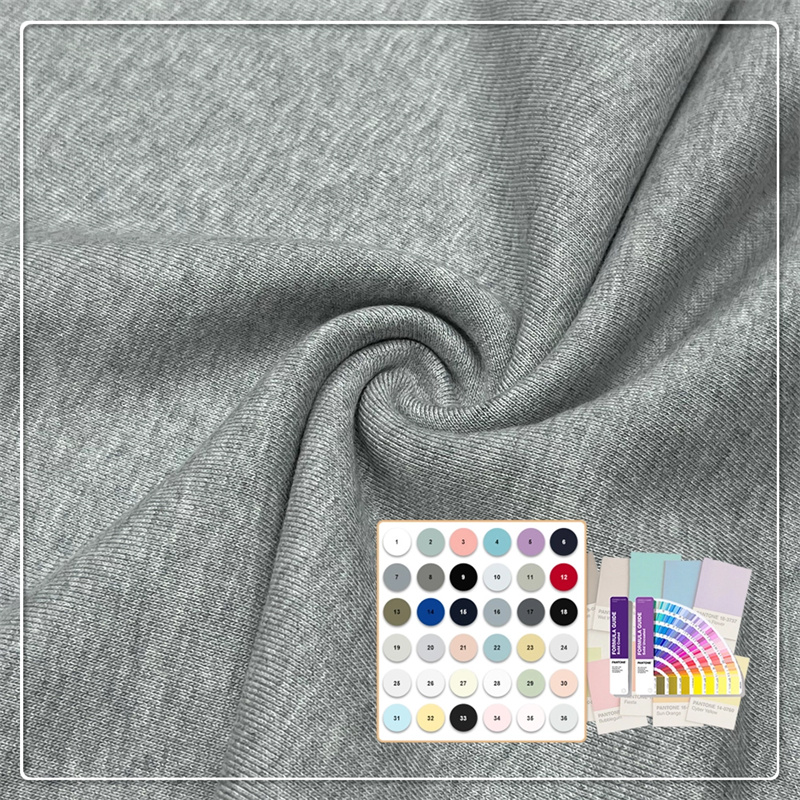
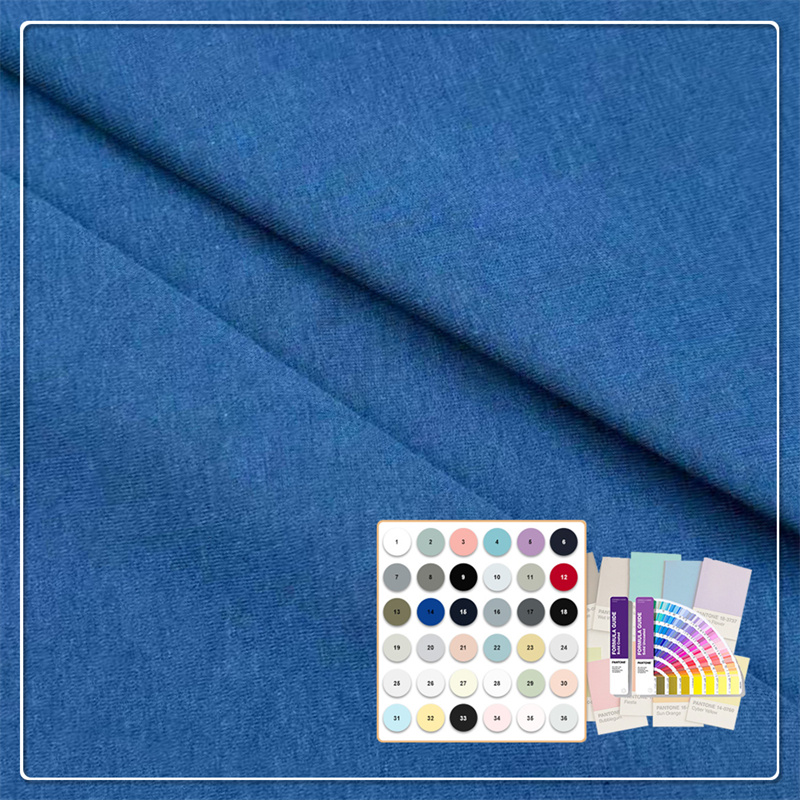
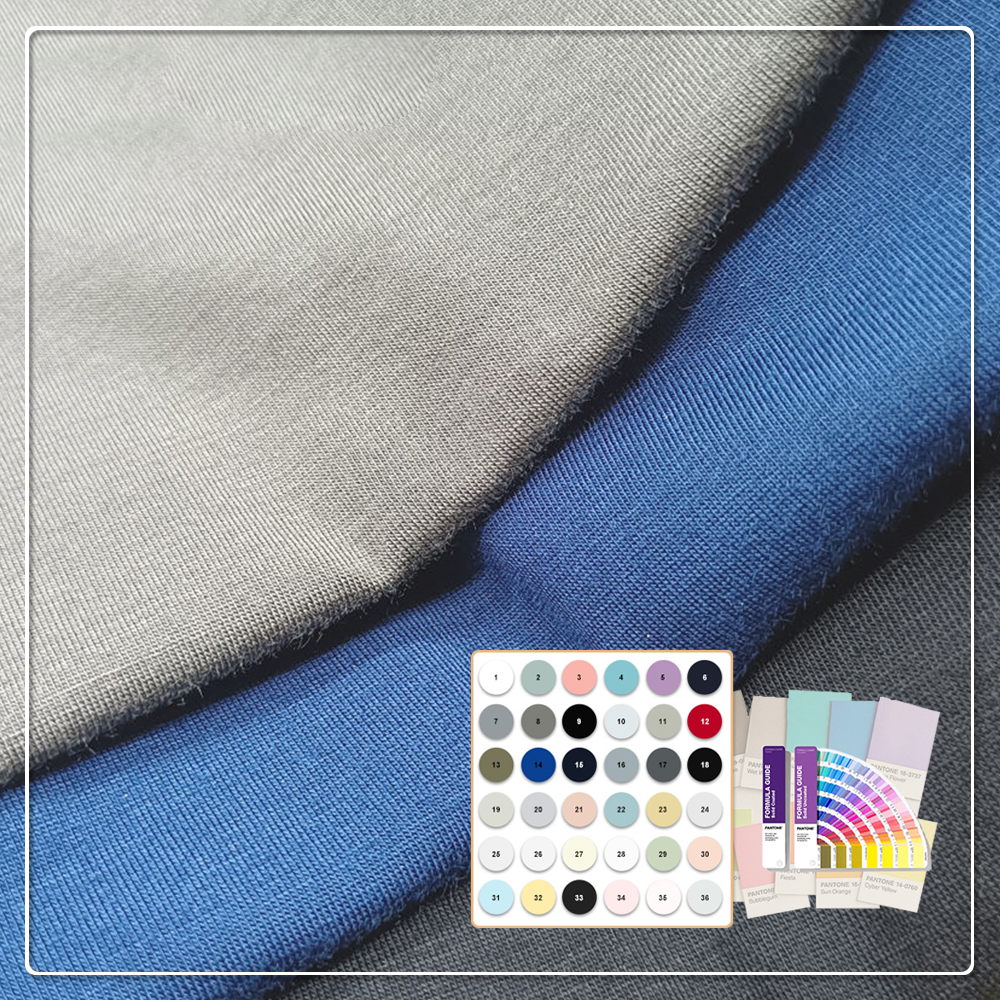
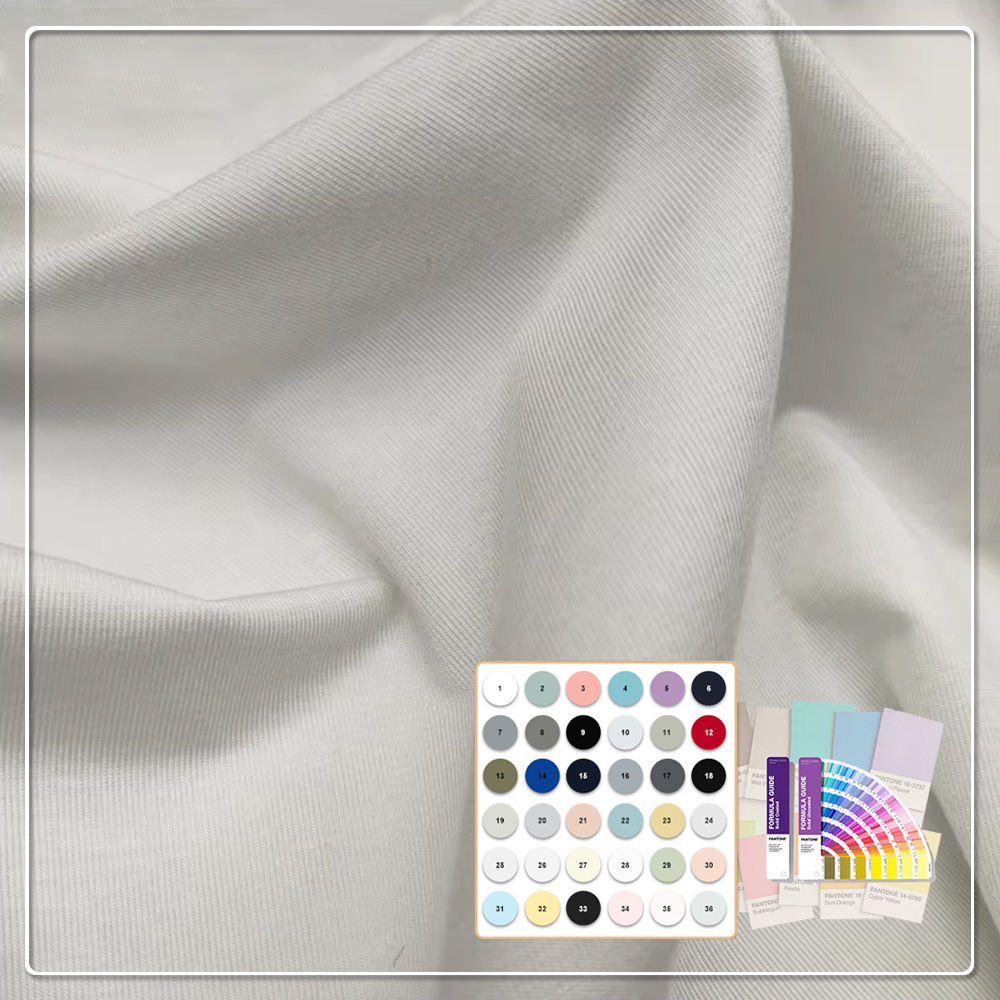



How to Evaluate the Quality of Bamboo Cloth for Your Projects
When selecting Ohyeah bamboo cloth material, it is essential to pay attention to specific specifications that affect performance and suitability for your application. Key specifications include:
Fabric Weight: Measured in grams per square meter (GSM), fabric weight can influence the durability and drape of the bamboo viscose material. Lighter weights are suitable for summer clothing, while heavier fabrics are ideal for winter garments.
Blend Ratios: Bamboo is often blended with other fibers, such as organic cotton or recycled polyester, to enhance its performance characteristics. Understanding the blend ratio is crucial for determining the bamboo fabrics softness, durability, and stretch.
Color Fastness: Look for bamboo fabrics that have a color fastness rating of 4-5, which indicates good resistance to fading and bleeding during washing. This is particularly important for items intended for retail.
Shrinkage Rates: A shrinkage rate below 5% is ideal, especially for garments that require precise fitting. Ensuring that the fabric maintains its dimensions post-wash is critical for customer satisfaction.
Certifications: Ensure that the bamboo cloth is certified by organizations such as OEKO-TEX, GOTS, and OCS, which indicate compliance with environmental and safety standards.