Guide to Bamboo Fabric Price for Wholesale Buyers

Get a Free Quote

Our representative will contact you soon.
Email
Name
Mobile/WhatsApp
Company Name
Message
0/1000

Bamboo fabric price

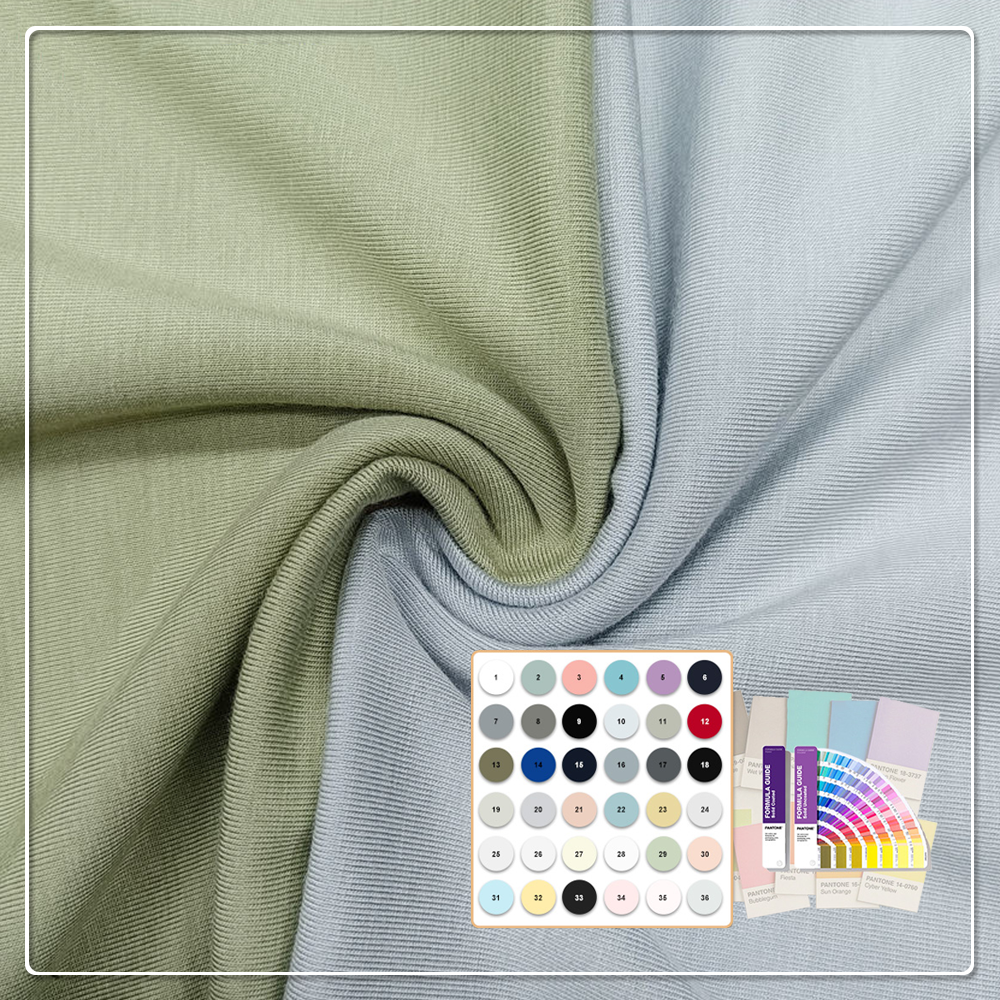
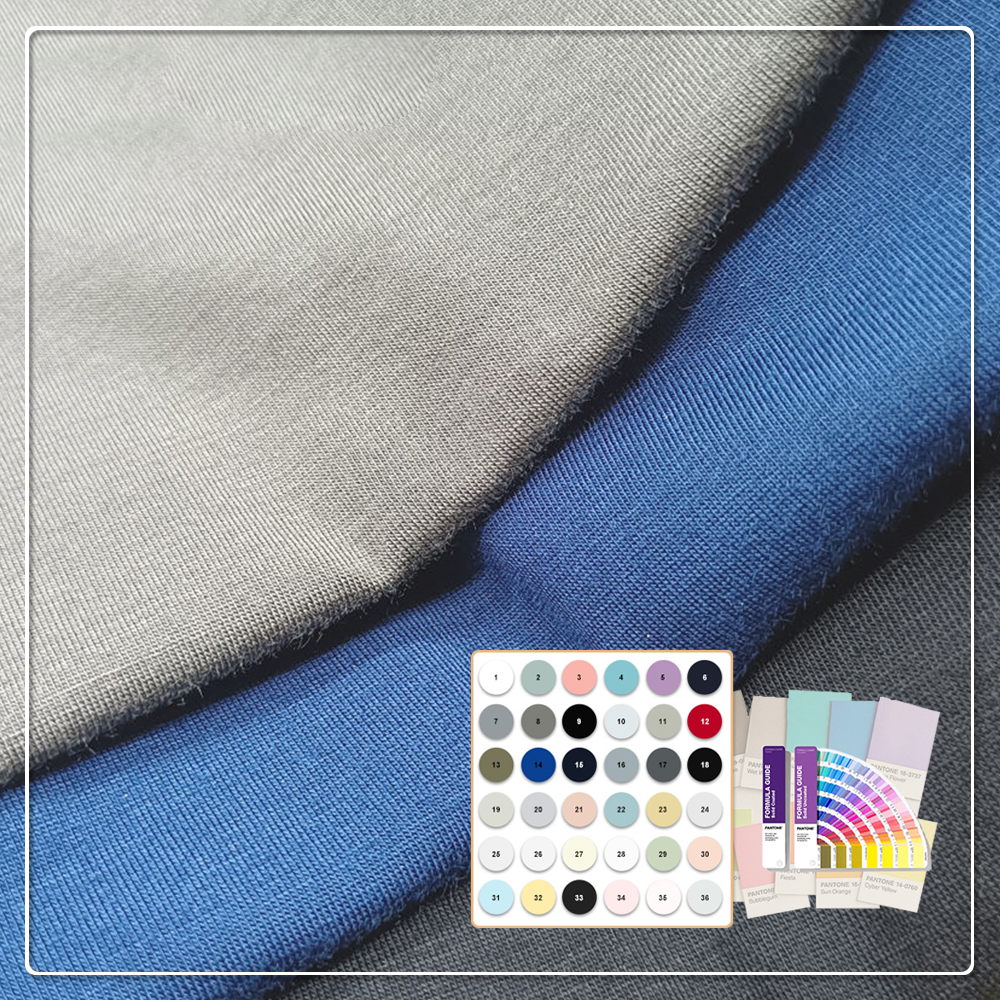
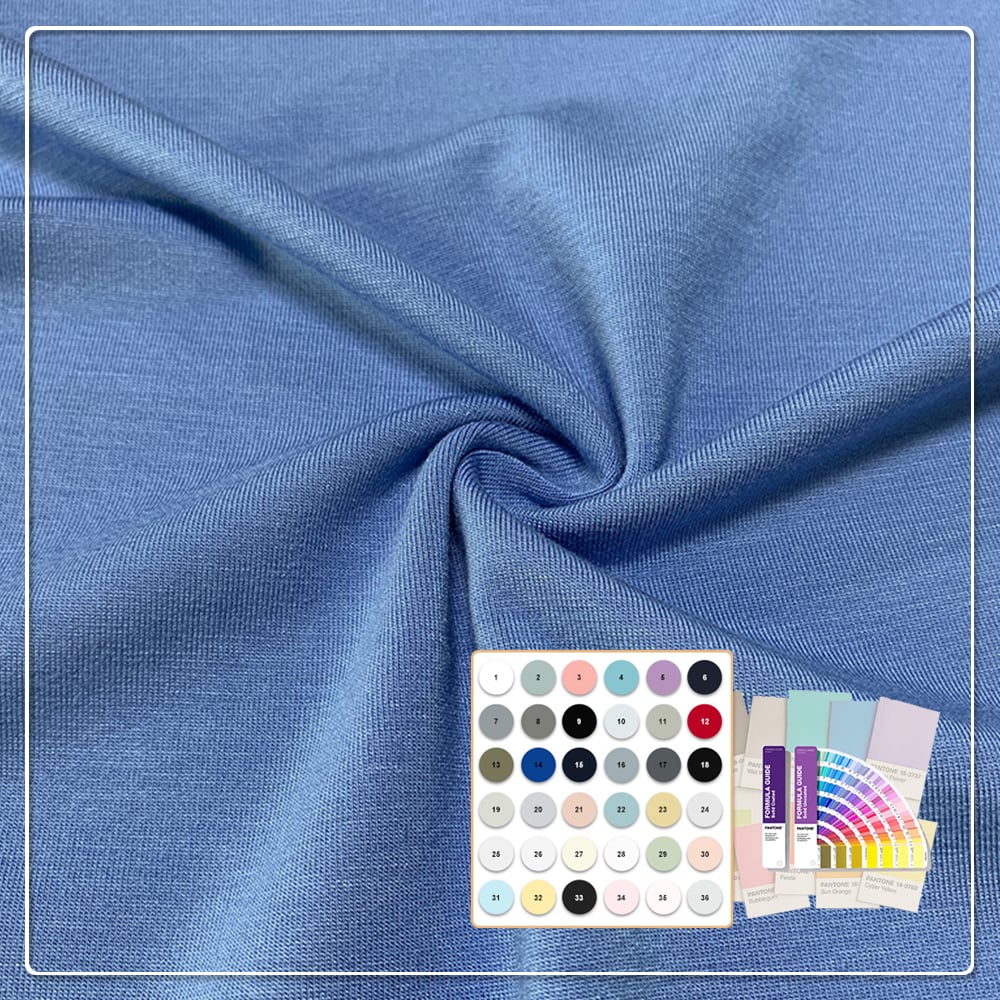
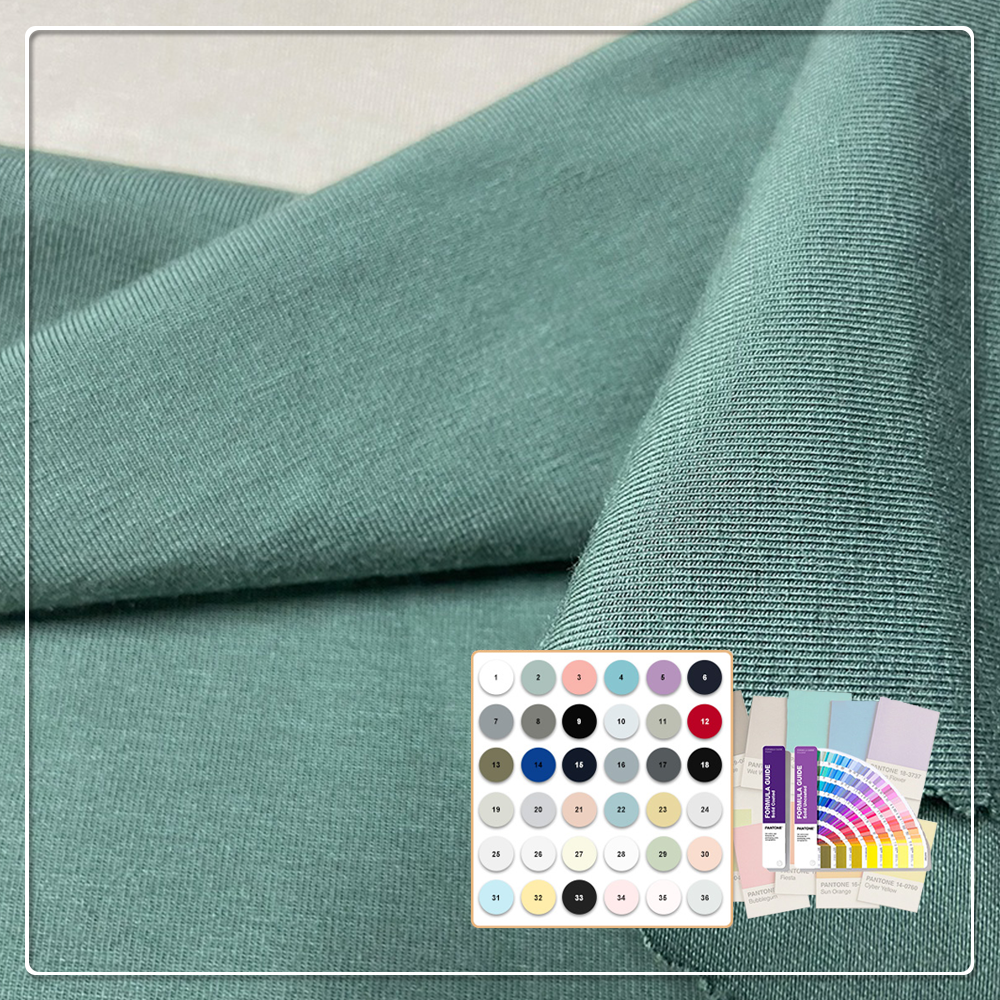
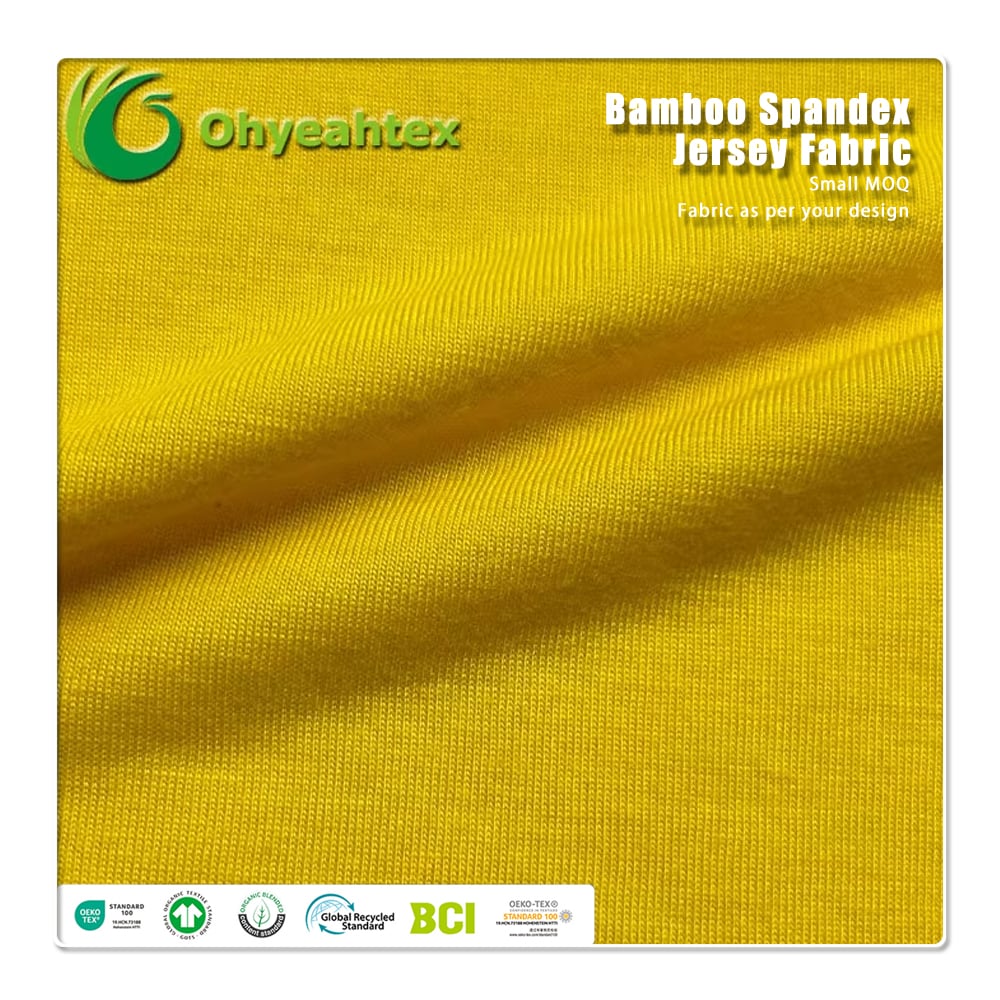
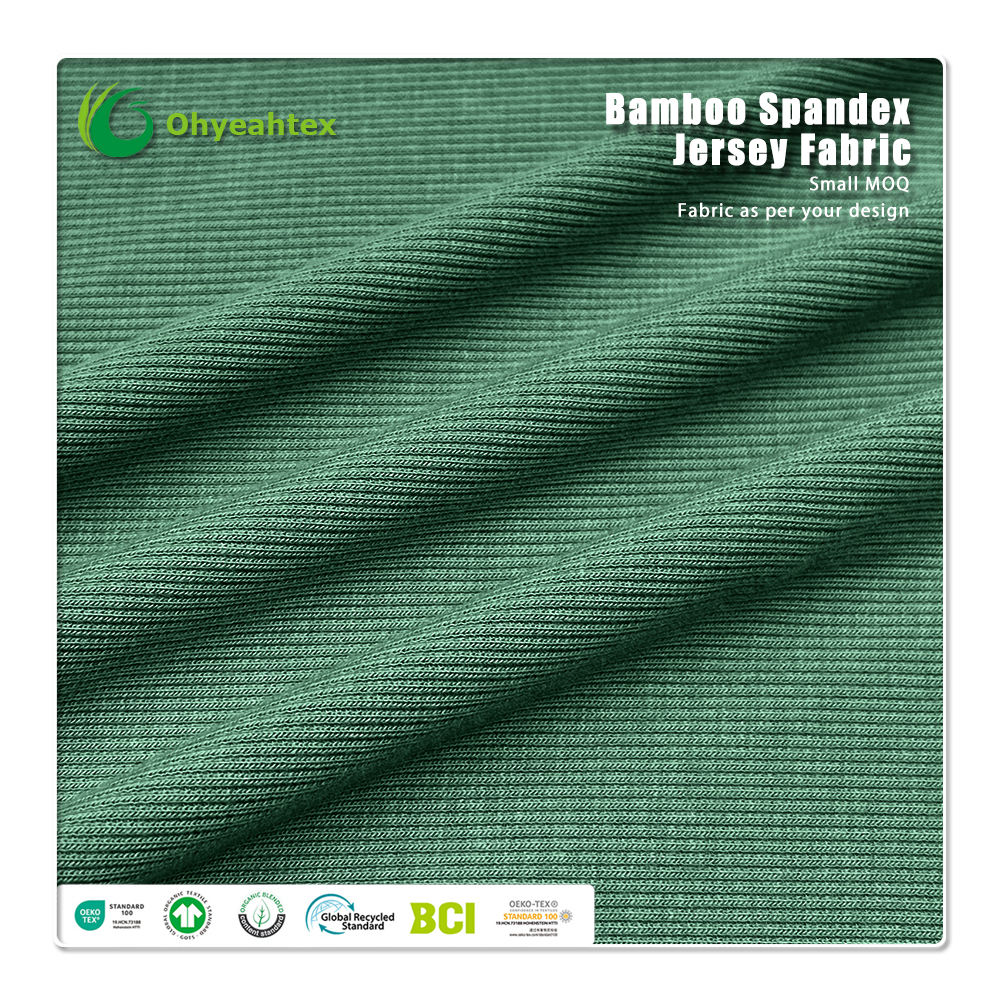
Bamboo fabric is an increasingly popular choice for manufacturers and retailers looking to meet eco-friendly consumer demands. Its unique properties, such as breath ability, moisture-wicking capabilities, and softness, make it a desirable option for various applications. However, understanding bamboo fabric price and the factors that influence it is crucial for B2B buyers, including purchasing managers and product developers.  This article will help you navigate the complexities of bamboo fabric pricing, supplier selection, and best practices for sourcing high-quality bamboo fabric materials.   
Our Products

How to Choose the Right Bamboo Fabric Supplier for Your Projects?

Selecting the right supplier for bamboo fabric involves evaluating several key criteria. First, assess the supplier's certifications and compliance with industry standards. Certifications like GOTS and OEKO-TEX ensure that the fabric meets environmental, social, and quality benchmarks. 

Next, consider the bamboo fabric supplier's production capabilities. With over 100 circular knitting machines, Shaoxing City Ohyeah Textile Co., Ltd. can handle large orders efficiently and maintain consistent quality. It’s beneficial to inquire about their production capacity and lead times to ensure they align with your project timelines. 

Quality control processes should also be a priority. A reliable supplier will have stringent quality checks in place, including color fastness tests and shrinkage assessments. For instance, fabrics produced by Ohyeah Textile maintain a color fastness of level 4-5 and shrinkage below 5%, which are critical performance indicators for high-quality bamboo fabric. 

Finally, communication is essential. Bamboo fabric supplier that is responsive and open to discussing your specific needs will facilitate a smoother partnership. Request samples to evaluate the fabric’s feel, appearance, and performance before making bulk orders. 
Where to Source High-Quality Bamboo Fabric for Bulk Orders?

Sourcing high-quality bamboo fabric requires a strategic approach. Start by identifying reputable manufacturers known for their eco-friendly practices and high-quality bamboo fabric production. Companies like Ohyeah Textile Co., Ltd. specialize in eco-friendly knitted fabrics and can offer a range of bamboo fabric options suitable for various applications. 

Trade shows and industry events are excellent venues for discovering potential bamboo fabric suppliers while allowing you to assess their products and capabilities firsthand. Online platforms can also provide a wealth of information about different manufacturers; however, be cautious and verify their credentials before proceeding. 

Leverage existing supplier networks and trade associations to gather recommendations. Engaging with industry peers can provide insights into reliable sources of eco friendly bamboo fabric and help you make informed decisions. 

When sourcing, always request product data sheets and samples to evaluate the fabric’s specifications, ensuring they meet your project's requirements. 

What Buyers Should Know?

Before making a purchase, buyers should be well-informed about bamboo fabric and its applications.  Understanding the various types of bamboo fabric, such as woven or knitted, is essential for selecting the right material for your needs. Each type offers different properties; for instance, knitted bamboo fabric tends to be stretcher and more breathable, making it suitable for active wear, while woven fabric may be better for home textiles. 

Buyers should also familiarize themselves with the environmental benefits of bamboo, such as its renew ability and biodegradability, which can be selling points for end consumers. This knowledge can help in positioning your products in the marketplace effectively. 

Additionally, understanding the potential challenges associated with bamboo fabric, such as care instructions and compatibility with other materials, is crucial. Soft bamboo fabrics often require gentle washing and may not withstand high-temperature drying, which can affect product longevity. 

Finally, keeping abreast of market trends and consumer preferences can aid in making informed purchasing decisions, ensuring your offerings remain competitive and appealing. 

Best Practices and Tips

To maximize your sourcing experience, follow these best practices when purchasing bamboo fabric. First, clearly define your project requirements, including fabric type, specifications, and quantities. This clarity will help streamline communication with bamboo fabric suppliers and ensure you receive accurate quotations. 

Always request multiple quotes from different suppliers to compare bamboo fabric prices and terms. This practice not only aids in identifying the best deal but also provides leverage during negotiations. When evaluating quotes, consider not just the price but also the quality of the fabric, lead times, and the supplier's reputation. 

Conduct a thorough quality inspection of samples before placing bulk orders. Check for consistency in color, texture, and overall appearance, as these factors can greatly influence the final product's quality. 

Lastly, establish a good relationship with your bamboo fabric supplier. Effective communication and collaboration can lead to better service, faster problem resolution, and potential cost savings in the long run. 

By following these guidelines and leveraging the expertise of established bamboo fabric suppliers like Shaoxing City Ohyeah Textile Co., Ltd., you can confidently navigate the bamboo fabric market and make informed purchasing decisions that align with your business goals. 

What to Consider When Comparing Bamboo Fabric Prices for Wholesale?

When assessing bamboo fabric prices, several factors come into play that can significantly impact the overall cost. Firstly, the quality of the fabric itself is paramount. Fabrics with higher certifications, such as OEKO-TEX or GOTS, often come with a premium price due to their sustainable sourcing and stringent quality control measures. 

Additionally, the production scale plays a role in pricing. Larger orders may benefit from lower per-unit costs, so understanding the manufacturer's minimum order quantities (MOQs) can help in negotiating better bamboo fabric prices. Also, consider the origin of the bamboo fabric; sourcing from regions with lower labor costs may yield cheaper prices, but it’s essential to ensure that quality and ethical standards are not compromised. 

Shipping and logistics are other critical factors. The cost of transporting bamboo fabric can vary based on location and volume, which can add to the final price. Buyers should also account for possible tariffs or import duties when sourcing from overseas bamboo fabric suppliers. 

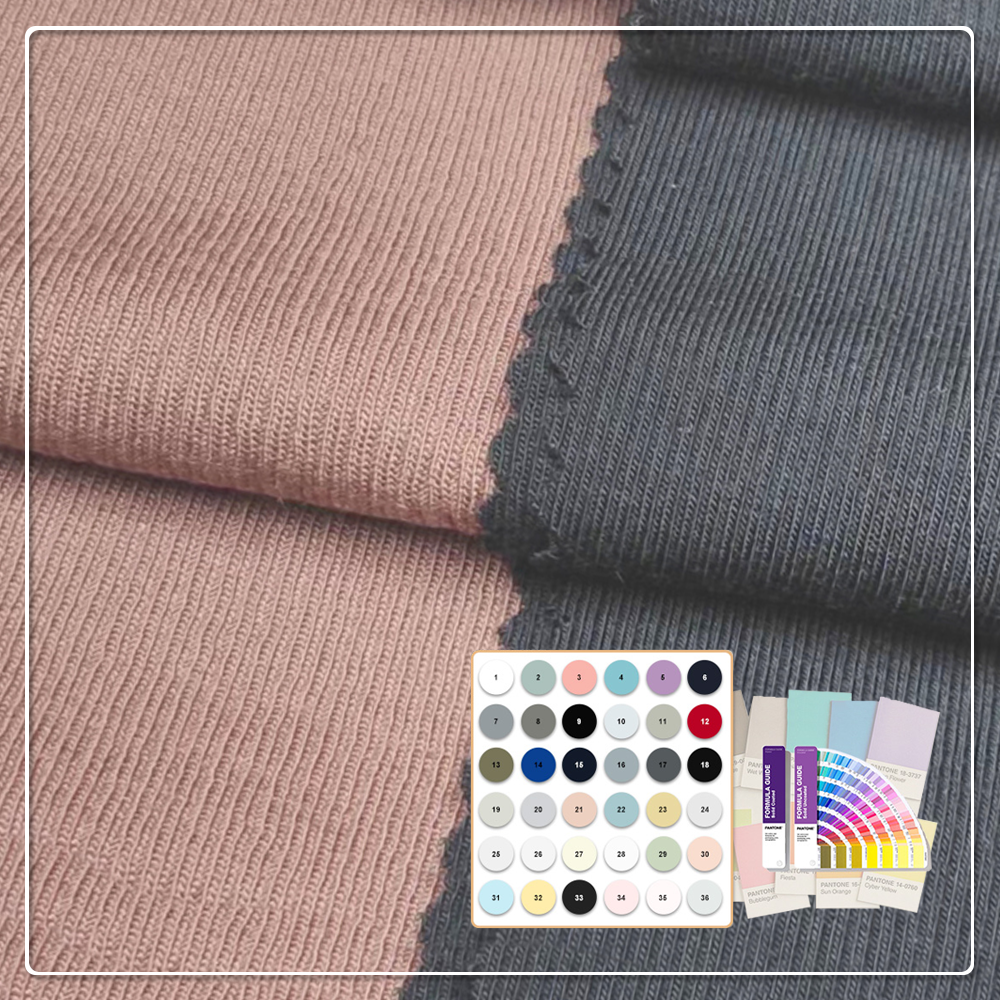
Lastly, customization options can significantly affect pricing. Fabrics that require specific treatments or designs may incur additional costs, so clarifying these requirements upfront is advisable. 

Our Blog Posts

The Science of Bamboo Fabric: Manufacturing, History, and Eco-Impact

14

Jan

The Science of Bamboo Fabric: Manufacturing, History, and Eco-Impact

Eco-Science Briefing Often hailed as the "Queen of Fibers," bamboo fabric merges 1,700 years of Chinese heritage with modern Closed-loop Systems. Known for its "Bamboo Kun" antibacterial agent and a micro-porous structure that absorbs 1.5x more mois...
View More
The Natural Softness Advantage of Tencel Lyocell in Knit Fabrics

29

May

The Natural Softness Advantage of Tencel Lyocell in Knit Fabrics

Consumers look for softness in knitwear above all else. Softness builds trust,encourages comfort,and leaves a positive lasting impression. When compared to all the other sustainable fibers available on the market today,none will offer the same amount...
View More
What Makes Tencel Lyocell a Preferred Choice for Sustainable Apparel

29

May

What Makes Tencel Lyocell a Preferred Choice for Sustainable Apparel

Sustainability has now moved out of the niche and into an expectation among ethical consumers and forward-thinking brands. Among the many eco-friendly fibers currently available, Tencel Lyocell has emerged as a clear front-runner. Here at S...
View More
What Makes Tencel Modal Suitable for Comfortable Knitwear Production

29

May

What Makes Tencel Modal Suitable for Comfortable Knitwear Production

Comfortable knitwear does not happen by accident. The right fiber, the right manufacturing processes, and an awareness of how fabrics feel against the skin must all come together. For knitwear manufacturers who are serious about c...
View More

Get a Free Quote

Our representative will contact you soon.
Email
Name
Mobile/WhatsApp
Company Name
Message
0/1000

Get a Free Quote

Our representative will contact you soon.
Email
Name
Mobile/WhatsApp
Company Name
Message
0/1000