 EN
Bamboo fibers are increasingly recognized for their eco-friendly properties and versatility, making them a valuable choice for a variety of applications in textiles and manufacturing. As a B2B buyer, understanding the specifications, quality, and potential applications of bamboo fibers is essential for making informed purchasing decisions. This article will provide insights into key specifications, quality considerations, installation guidance, common challenges, and the sustainability benefits of bamboo fiber fabric.
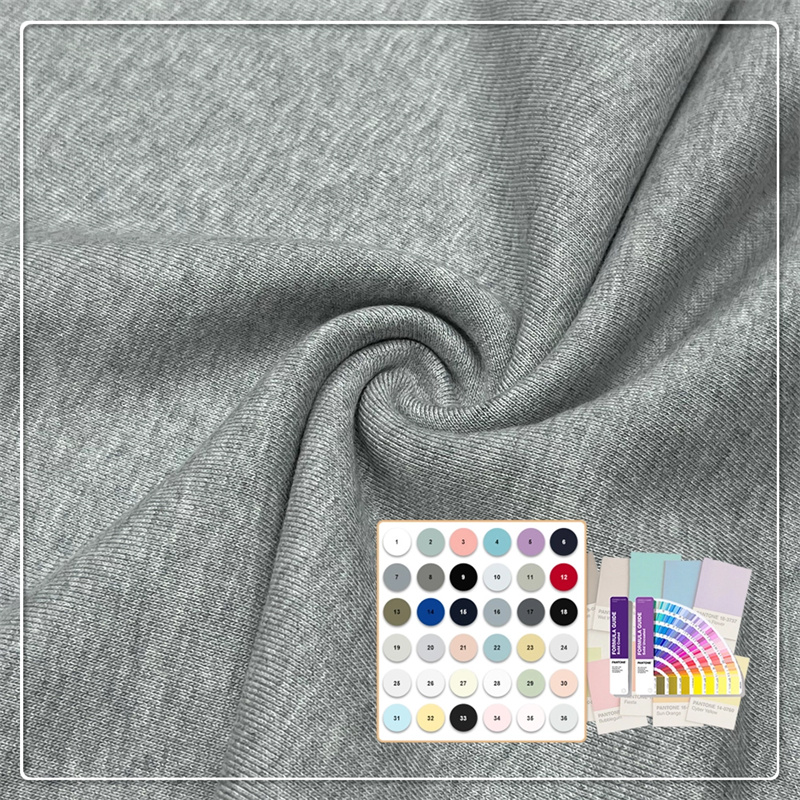
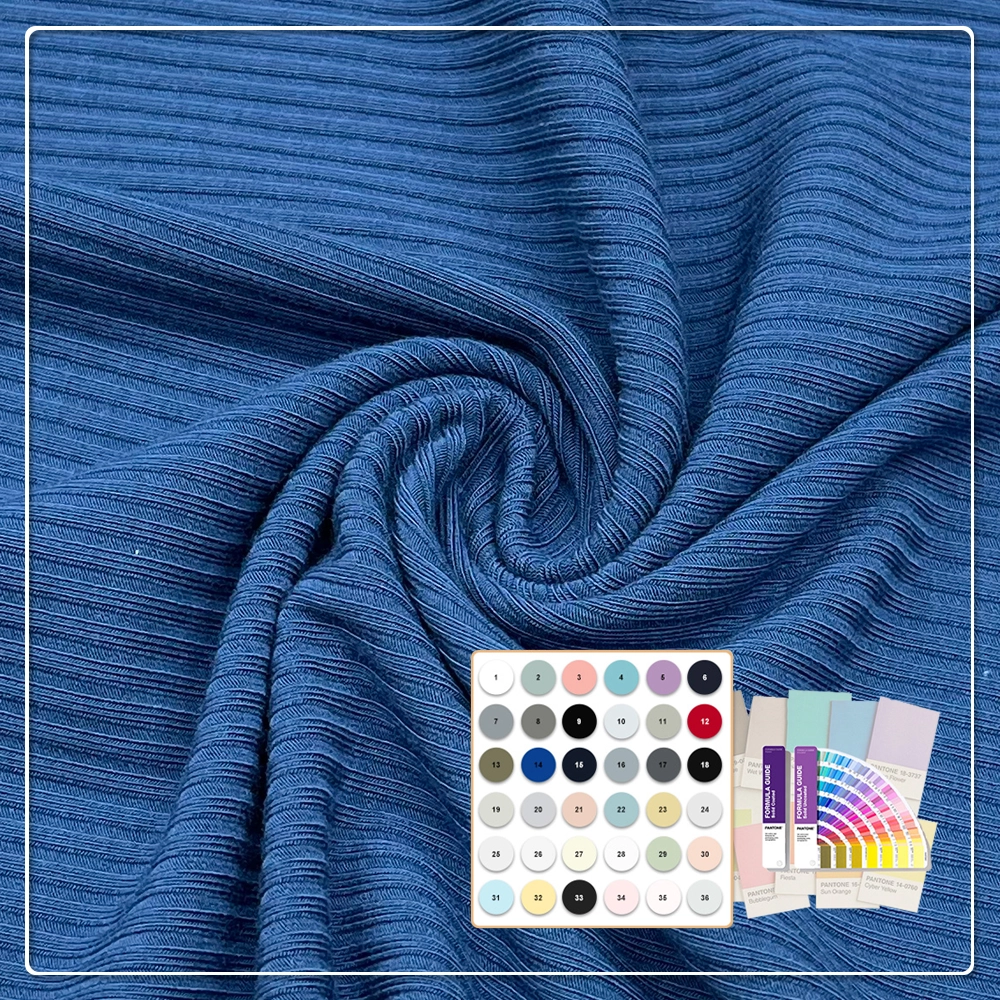
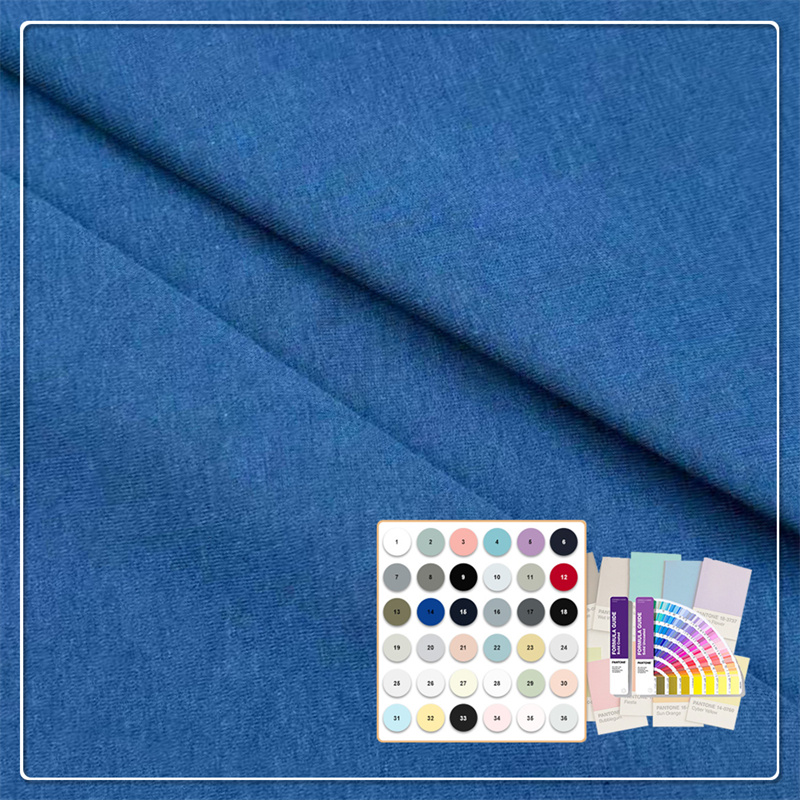
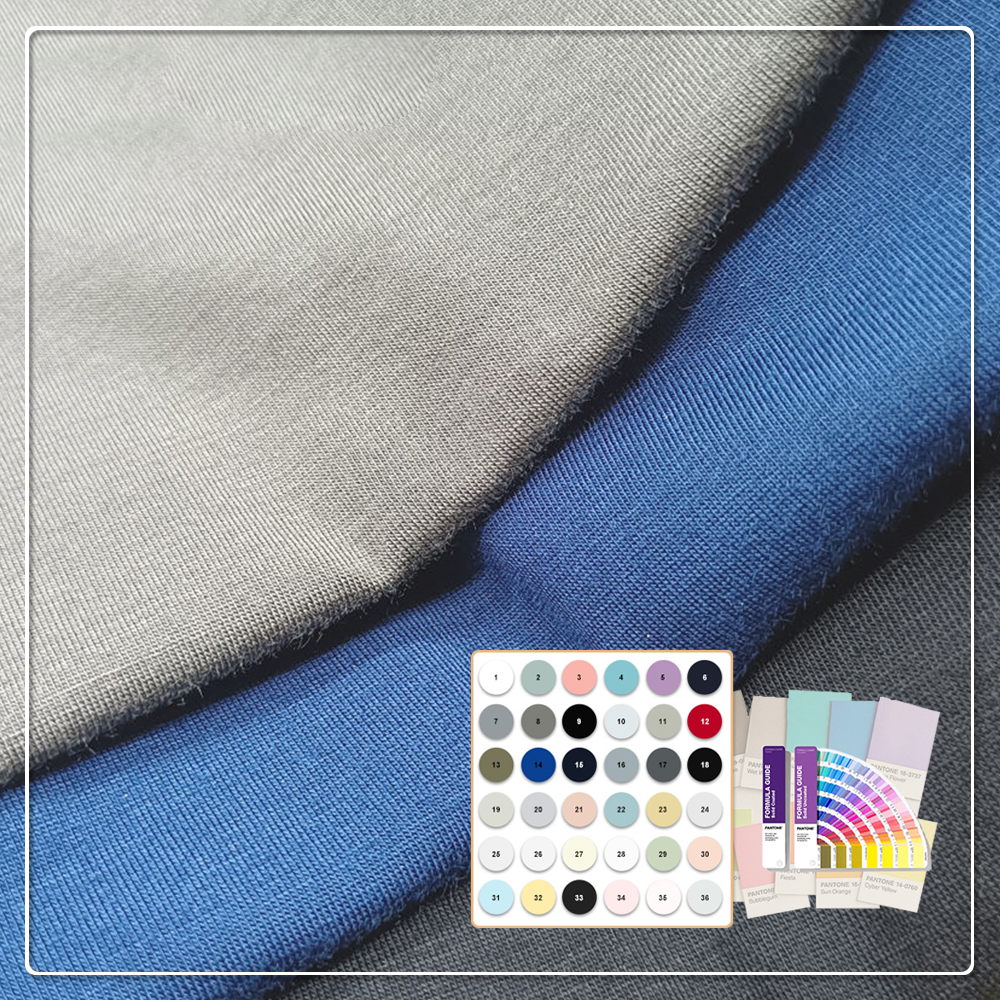
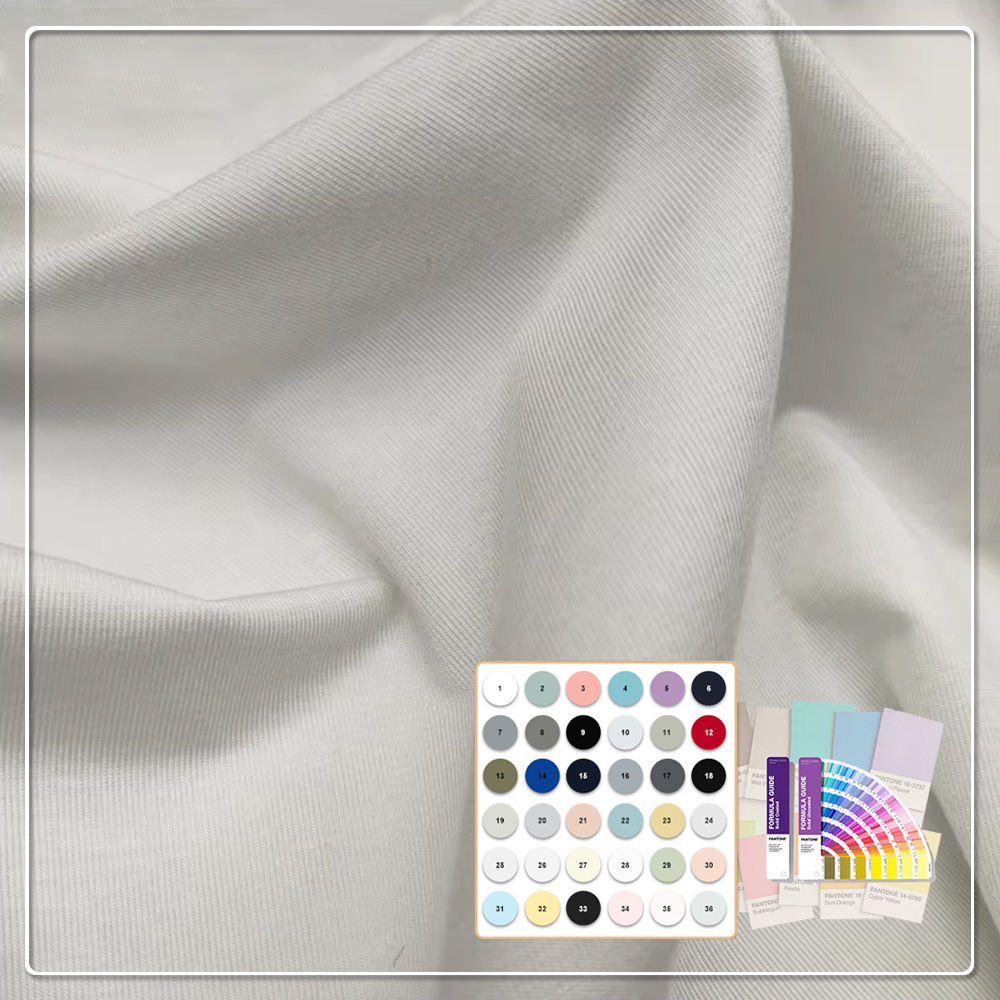
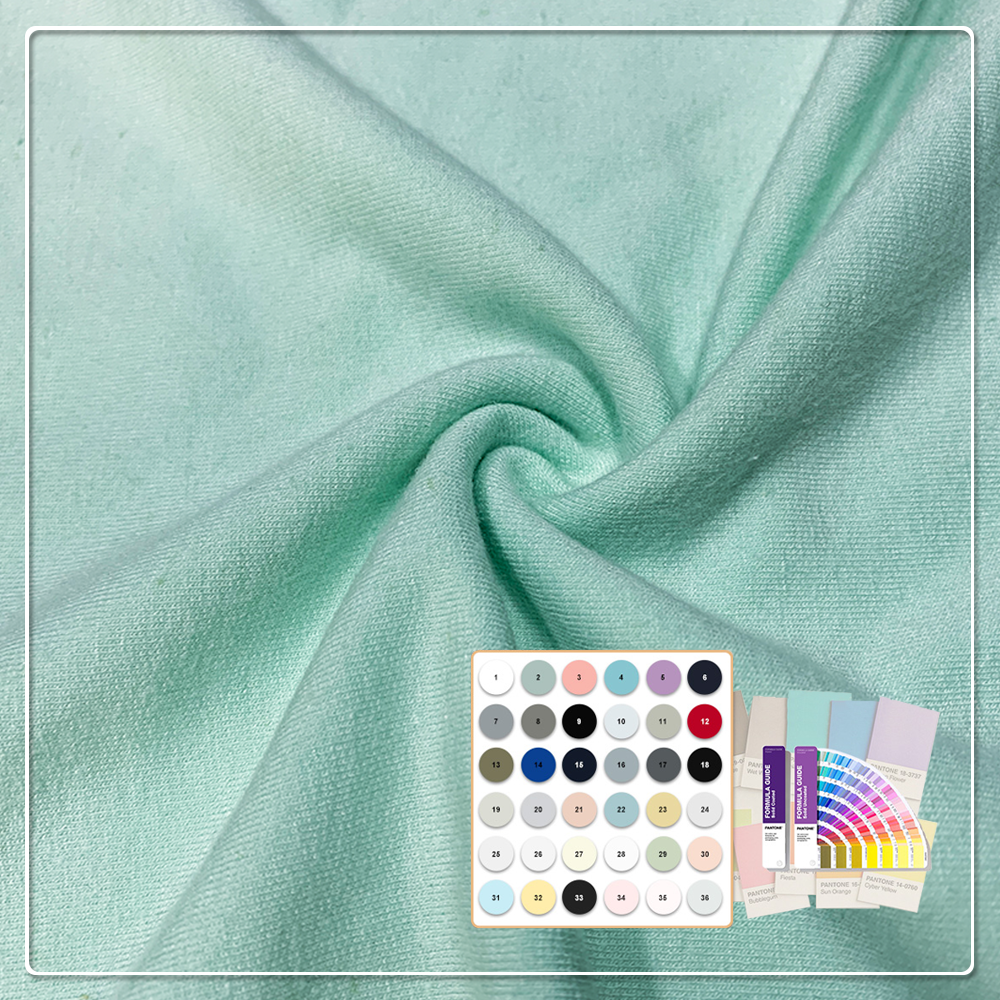
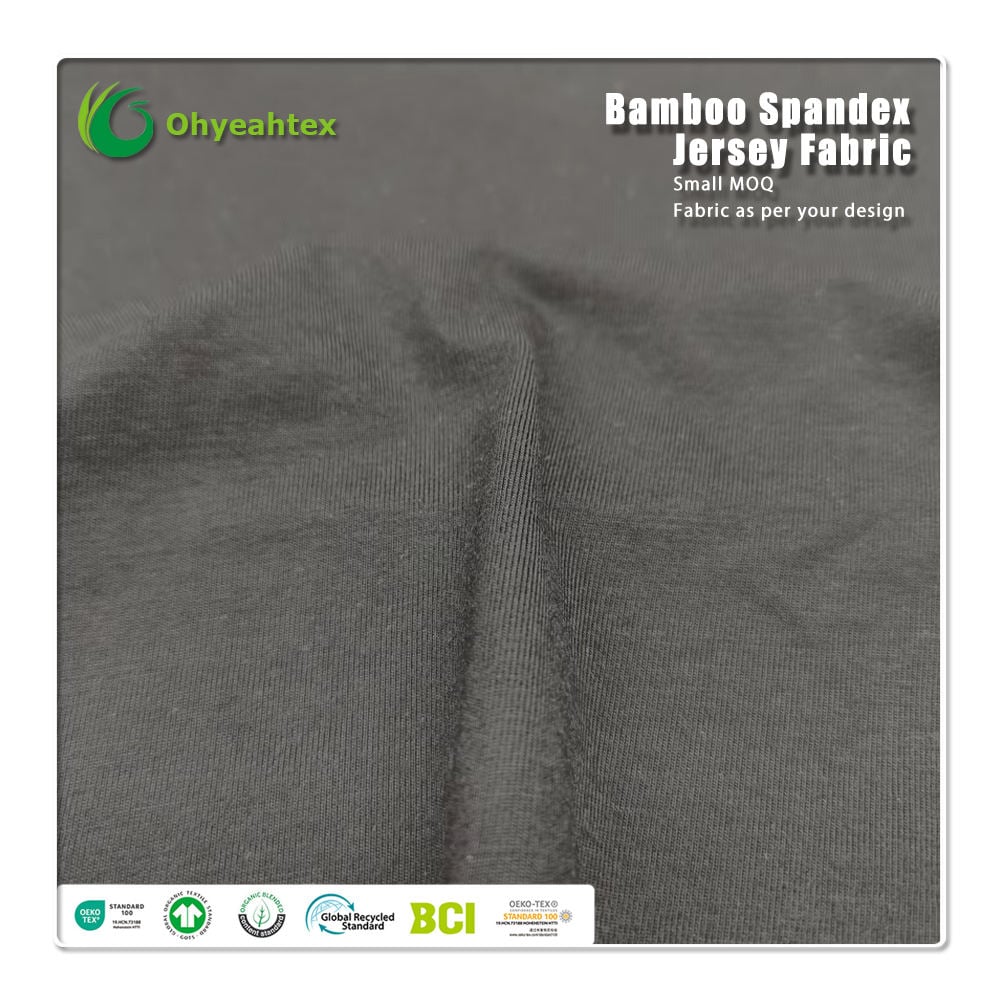
How to Choose High-Quality Bamboo Fibers for Your Projects
Selecting high-quality bamboo fibers involves several considerations that can significantly impact the final product. Here are a few key factors to evaluate:
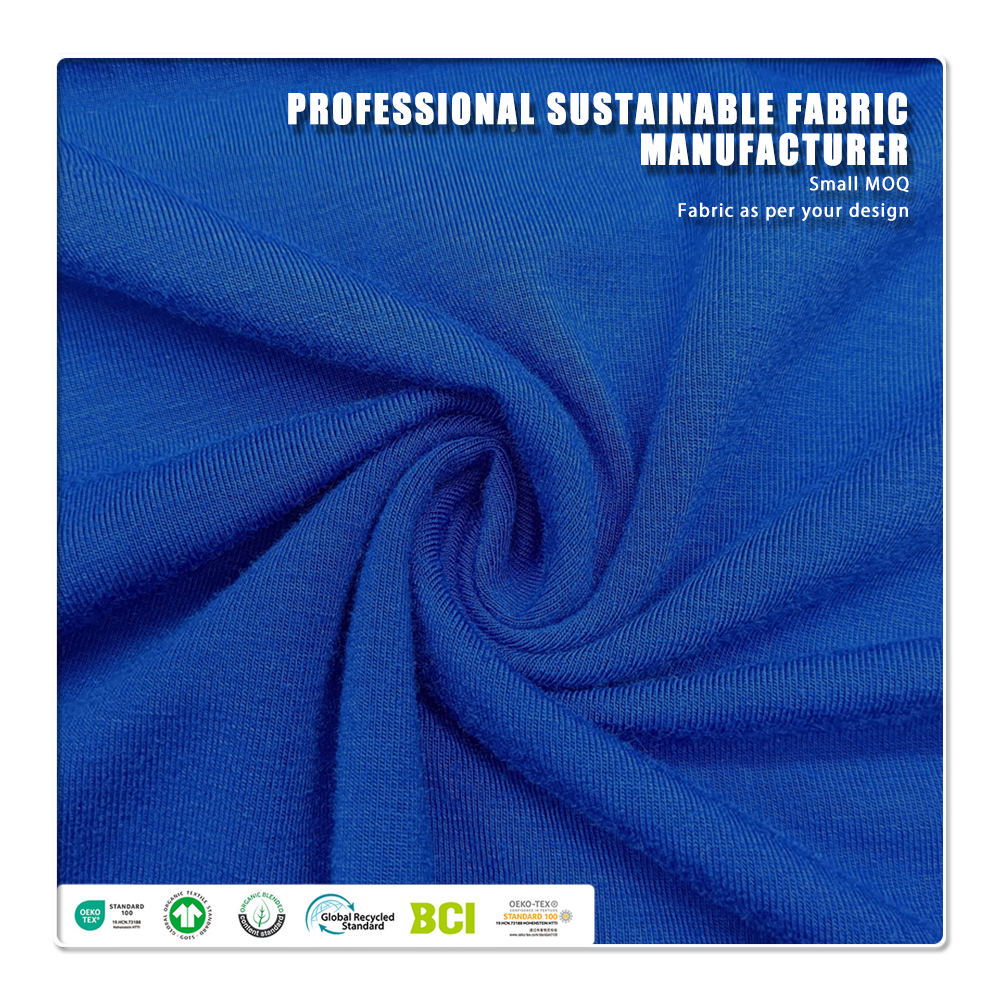
Certifications: Verify that the Ohyeah bamboo fibers are sourced from certified manufacturers. Look for certifications such as OEKO-TEX, GOTS, or OCS, which ensure environmentally friendly processing and compliance with safety standards.
Source of Bamboo: The quality of bamboo fibers can vary based on the type of bamboo used and the geographic location where it is grown. Bamboo varieties like Moso are often preferred for textile production due to their favorable fiber characteristics.
Processing Techniques: The method used to convert bamboo into fibers affects their quality. Chemical processes may yield softer fibers but can compromise eco-friendliness. Opt for suppliers that utilize eco-friendly methods, such as mechanical processing, to maximize sustainability.
Sample Testing: Before placing a large order, request samples to assess the fibers' feel, strength, and appearance. Testing under actual operating conditions can help ensure compatibility with your manufacturing processes.
By focusing on these aspects, buyers can ensure they select bamboo fiber textile that meet their quality and sustainability standards.