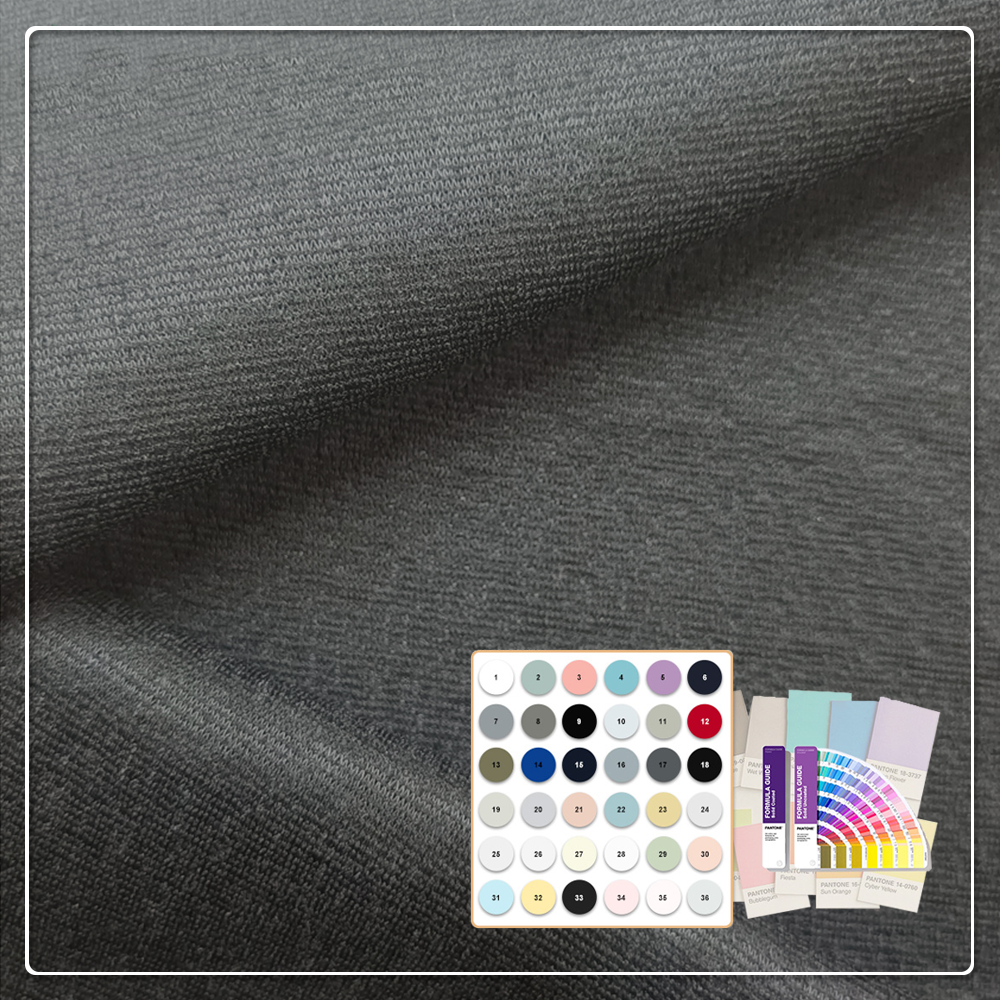
Bamboo Hemp Fabric: A Sustainable Textile Choice

Get a Free Quote

Our representative will contact you soon.
Email
Name
Mobile/WhatsApp
Company Name
Message
0/1000

Bamboo hemp fabric

Bamboo hemp fabric is a sustainable textile option made from the fibers of bamboo and hemp plants. This eco-friendly material appeals to B2B buyers in the textile industry due to its many benefits, including durability, breathability, and biodegradability. This article aims to help purchasing managers, distributors, and product managers understand the key factors when evaluating bamboo hemp fabric suppliers, the essential specifications to consider, cost implications for bulk orders, installation guidance, and its applications in sustainable manufacturing. 

Our Products

Key Specifications of Bamboo Hemp Fabric for Quality Evaluation

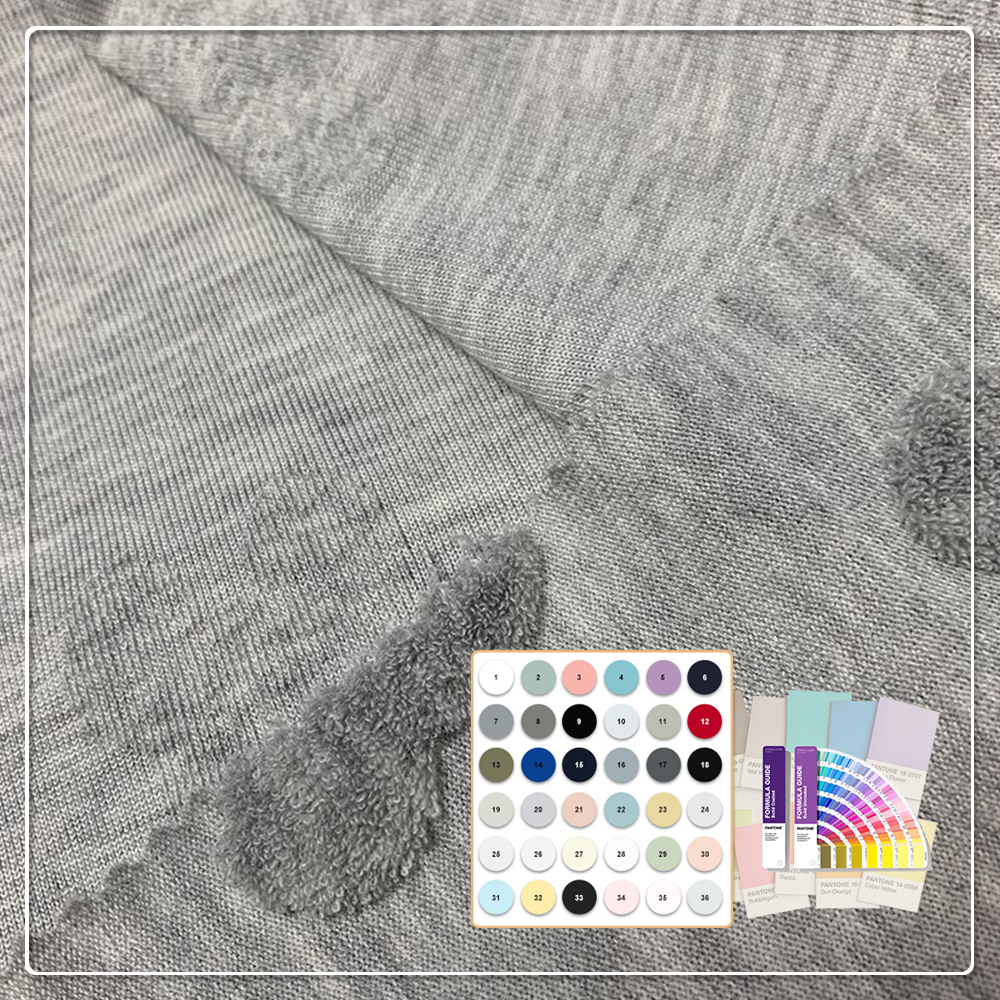
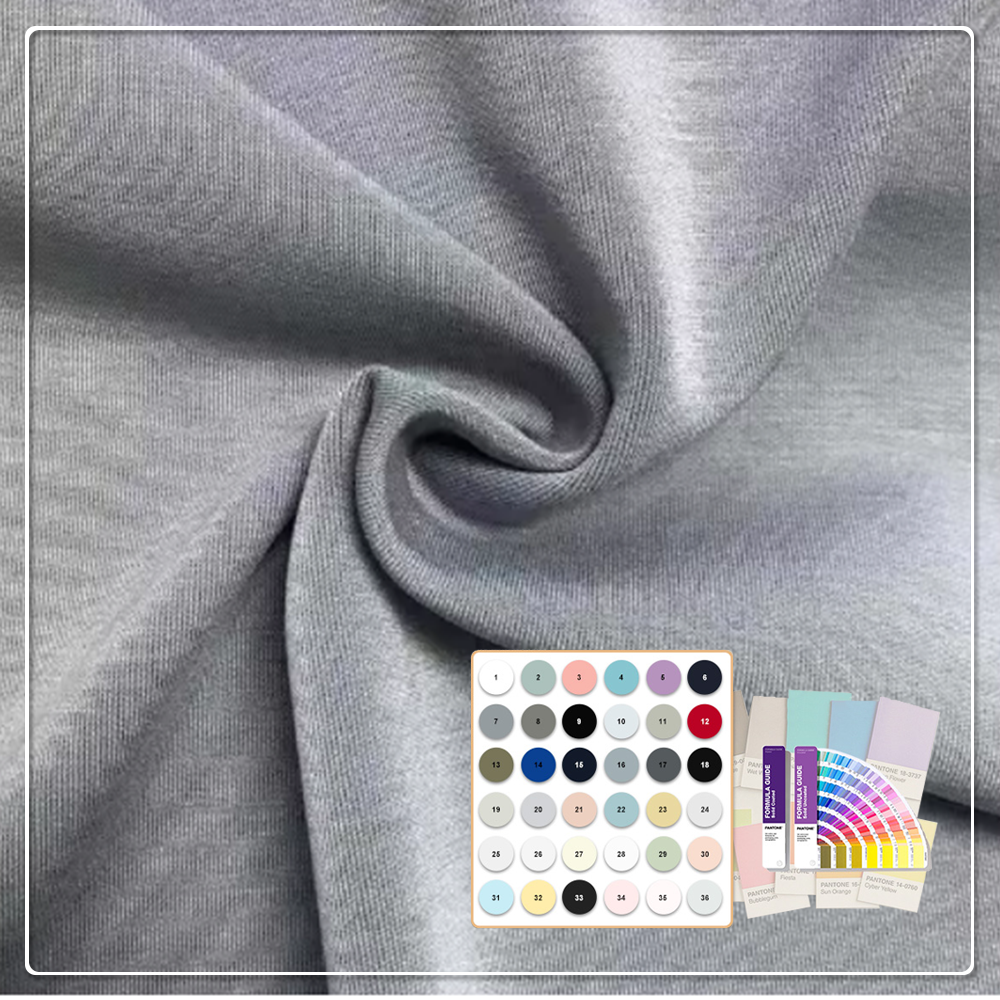
Understanding the key specifications of bamboo hemp Products fabric is vital for quality evaluation. These specifications typically include fabric weight, fiber blend ratios, color fastness, and shrinkage rates. 

Fabric Weight: Measured in grams per square meter (GSM), fabric weight affects durability and application suitability. For instance, a heavier fabric is often more durable and suitable for outdoor applications, while lighter fabrics are ideal for clothing. 

Fiber Blend Ratios: Bamboo and hemp fibers each have unique properties. Bamboo fibers are known for their softness and moisture-wicking abilities, while hemp fibers provide strength and durability. A blend ratio will influence the fabric’s feel and performance, so buyers should confirm this based on the intended use. 

Color Fastness: A color fastness rating of level 4-5 indicates that the fabric will maintain its color under washing and exposure to light, which is crucial for products that require longevity in aesthetics. 

Shrinkage Rates: A shrinkage rate below 5% ensures that the fabric maintains its size and shape after washing, reducing the risk of fitting issues in finished products. 

Evaluating these specifications helps buyers ensure they are selecting high-quality bamboo hemp fabric that meets their project requirements. 
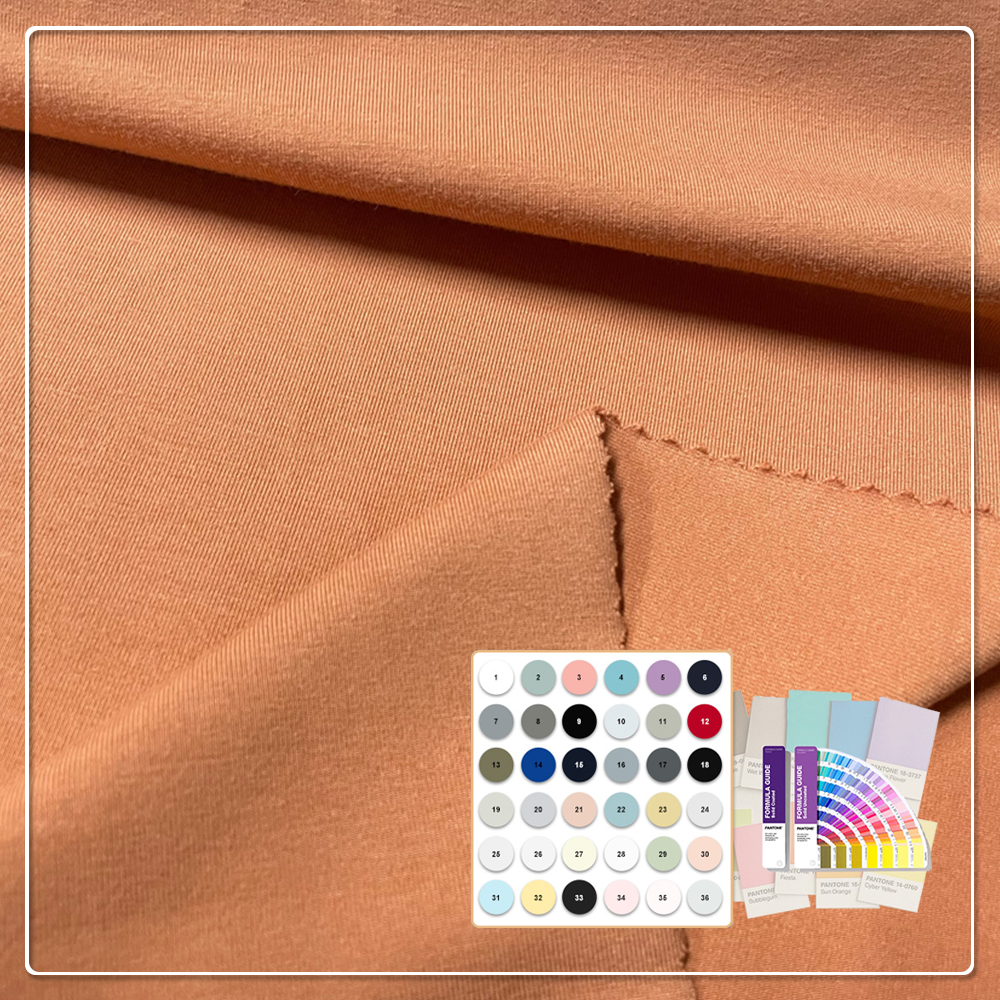
Cost Considerations for Bulk Orders

Cost is a significant factor when placing bulk orders for bamboo hemp fabric. The final price will depend on several variables, including material costs, production processes, and order volume. 

Material Costs: Bamboo and hemp are generally more expensive than conventional fibers due to their sustainable nature and the labor-intensive processes required for harvesting and processing. This cost is often offset by the long-term benefits of durability and eco-friendliness. 

Production Processes: Understanding the supplier's production capabilities can also influence pricing. Suppliers with advanced technology, such as Shaoxing City Ohyeah Textile Co., Ltd., may be able to offer competitive pricing due to their efficient operations and large-scale production. 

Order Volume: Larger orders typically attract lower per-unit costs. When negotiating with suppliers, inquire about bulk pricing tiers and potential discounts for larger commitments. 

Shipping and Logistics: Consider the logistics costs associated with importing bamboo hemp fabric, especially if sourced from overseas. Understanding these costs upfront can significantly affect the overall budget for your project. 

By carefully analyzing these cost factors, buyers can make informed decisions that maximize value while ensuring high-quality fabric procurement. 

Installation Guidance for Projects Using Bamboo Hemp Fabric

When using bamboo hemp fabric in projects, proper installation is crucial to ensure optimal performance and longevity. Here are some practical installation tips: 

Preparation: Before installation, ensure that the fabric has been pre-washed according to manufacturer instructions to minimize any residual shrinkage. This step is particularly important for garments and upholstery. 

Cutting and Handling: Use sharp, fabric-specific tools to cut bamboo hemp fabric to avoid fraying. Handle the fabric gently, especially if it has undergone any special treatments, to preserve its integrity. 

Sewing Techniques: When sewing bamboo hemp fabric, consider using a ballpoint needle and a straight stitch to accommodate the natural stretch of knitted fabrics. This technique will help prevent seam breakage and ensure a clean finish. 

Finishing Touches: After installation, perform a quality check to ensure there are no defects. Pay attention to seams, hems, and any detailing to confirm that they meet your quality standards. 

By following these installation guidelines, you can maximize the performance and aesthetic appeal of bamboo hemp fabric in your projects. 

Applications of Bamboo Hemp Fabric in Sustainable Manufacturing

Bamboo hemp fabric Modal is increasingly used in various applications within sustainable manufacturing. Its properties make it suitable for multiple industries, including: 

Apparel: Due to its softness and moisture-wicking capabilities, bamboo hemp fabric is an excellent choice for activewear and casual clothing, promoting comfort and breathability. 

Home Textiles: This fabric is ideal for eco-friendly home textiles, such as curtains, upholstery, and bedding, as it contributes to indoor air quality by reducing the need for harsh chemical finishes. 

Industrial Applications: The durability of bamboo hemp fabric makes it suitable for industrial uses, such as bags and packaging materials, especially for companies looking to reduce their environmental impact. 

Medical Textiles: With its natural antibacterial properties, bamboo hemp fabric can be utilized in medical textiles, including bandages and protective garments, providing both comfort and hygiene. 

By incorporating bamboo hemp fabric into these applications, manufacturers can align with sustainable practices while offering high-quality products to their consumers. 

Through understanding the specifications, cost considerations, installation guidance, and applications of bamboo hemp fabric, B2B buyers can make more informed purchasing decisions that align with both performance and sustainability goals. 

How to Compare Bamboo Hemp Fabric Suppliers for Your Projects

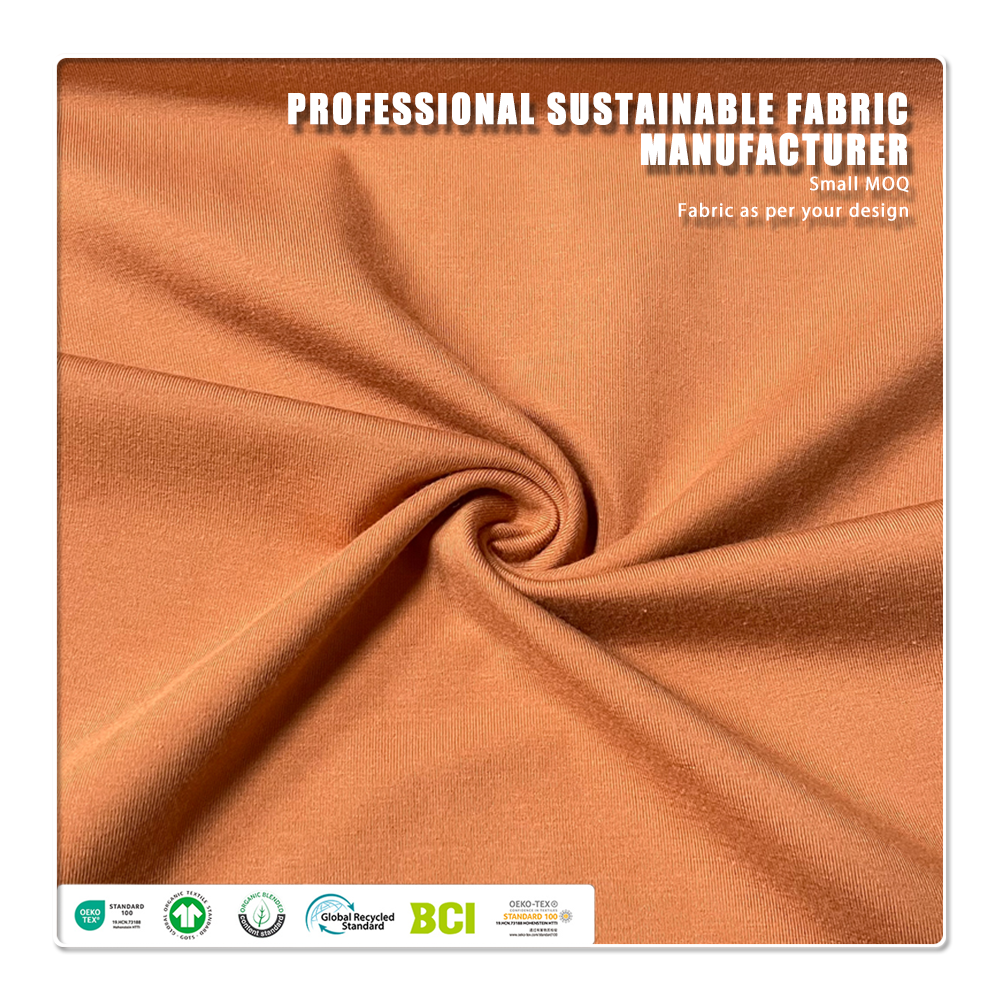
When evaluating bamboo hemp fabric suppliers, it's essential to consider several key factors. Start by assessing their certifications, such as OEKO-TEX, GOTS, OCS, and GRS, which indicate adherence to environmental and social standards. A supplier with these credentials demonstrates a commitment to eco-friendly practices, which is crucial for sustainability-focused projects.  

Next, investigate their manufacturing capabilities. A reliable supplier should have advanced circular knitting machines, allowing for consistent quality and a capacity to meet your volume requirements. For example, Shaoxing City Ohyeah Textile Co., Ltd. operates over 100 circular knitting machines with a monthly output of 200 tons, ensuring they can handle large orders efficiently. 

Lastly, inquire about customization options. Many projects may require specific dimensions, textures, or colors. Suppliers that offer tailored solutions can better meet your unique project needs, streamlining the process from design to delivery. 

Our Blog Posts

How Tencel Lyocell Improves Breathability in Modern Textile Applications

29

May

How Tencel Lyocell Improves Breathability in Modern Textile Applications

Today, breathability is not merely a perk in fabric, but a standard and expected characteristic for consumers wearing sportswear, loungewear, and general apparel. A breathable fabric allows the body to remain cool, dry, and comfortable...
View More
How Tencel Modal Improves Fabric Flexibility for Activewear

29

May

How Tencel Modal Improves Fabric Flexibility for Activewear

There's something special that activewear needs. It has to stretch and return to shape. It has to be comfortable against the skin during strenuous activity. And now it must come from sustainable sources. It's precisely this amazing flexibil...
View More
The Role of Tencel Lyocell in Creating Lightweight Knit Fabrics

29

May

The Role of Tencel Lyocell in Creating Lightweight Knit Fabrics

Lightweight knits are becoming an essential part of any modern wardrobe,and for good reason:not only are they comfortable and breathable,but they also allow for effortless layering. However,to create a light,airy knit without sacrificing integrity,a ...
View More
Why Tencel Lyocell Fabric Supports High-End Apparel Production

29

May

Why Tencel Lyocell Fabric Supports High-End Apparel Production

High-end garments require a special quality that goes beyond price. They offer exquisite hand-feel,flawless drape,consistent quality,and a story that appeals to sophisticated consumers. When a manufacturer or brand intends to succeed in the high-end ...
View More

Get a Free Quote

Our representative will contact you soon.
Email
Name
Mobile/WhatsApp
Company Name
Message
0/1000

Get a Free Quote

Our representative will contact you soon.
Email
Name
Mobile/WhatsApp
Company Name
Message
0/1000