How to Choose Bamboo Knit Fabrics for Wholesale Needs

Get a Free Quote

Our representative will contact you soon.
Email
Name
Mobile/WhatsApp
Company Name
Message
0/1000

Bamboo knit

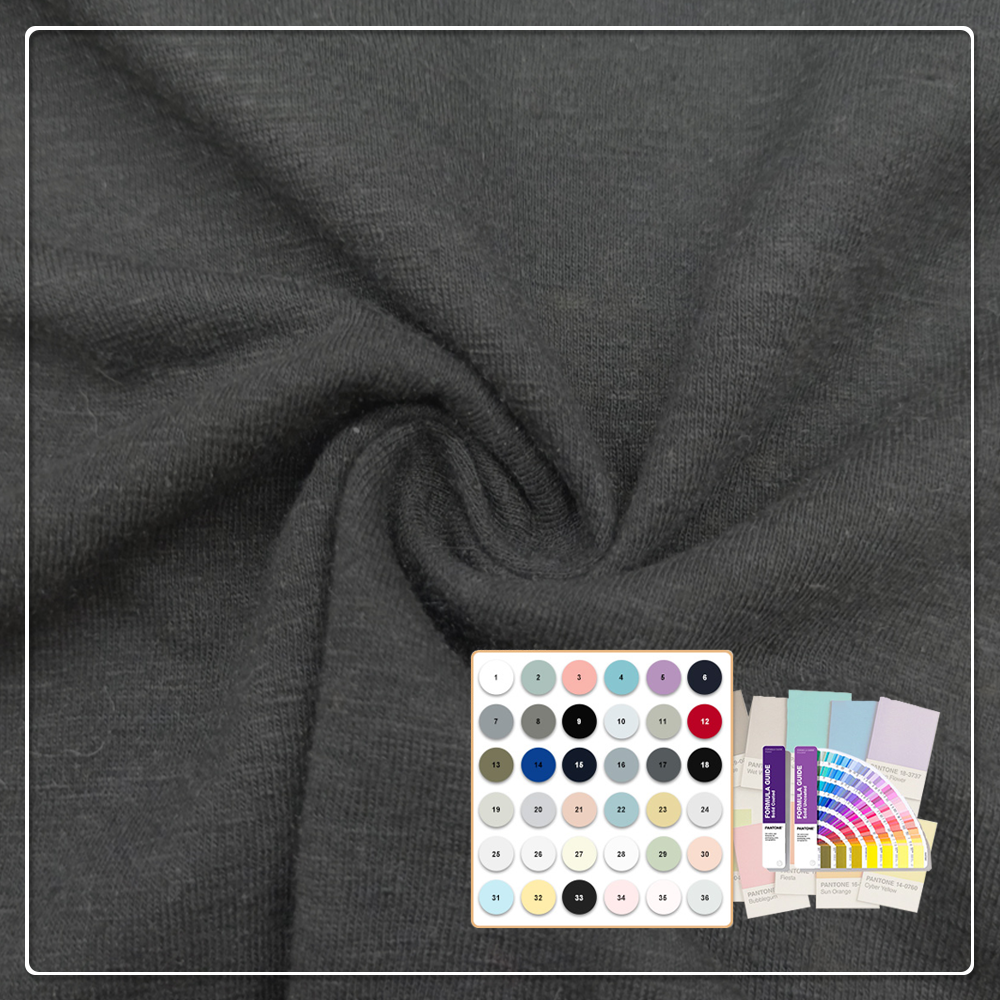
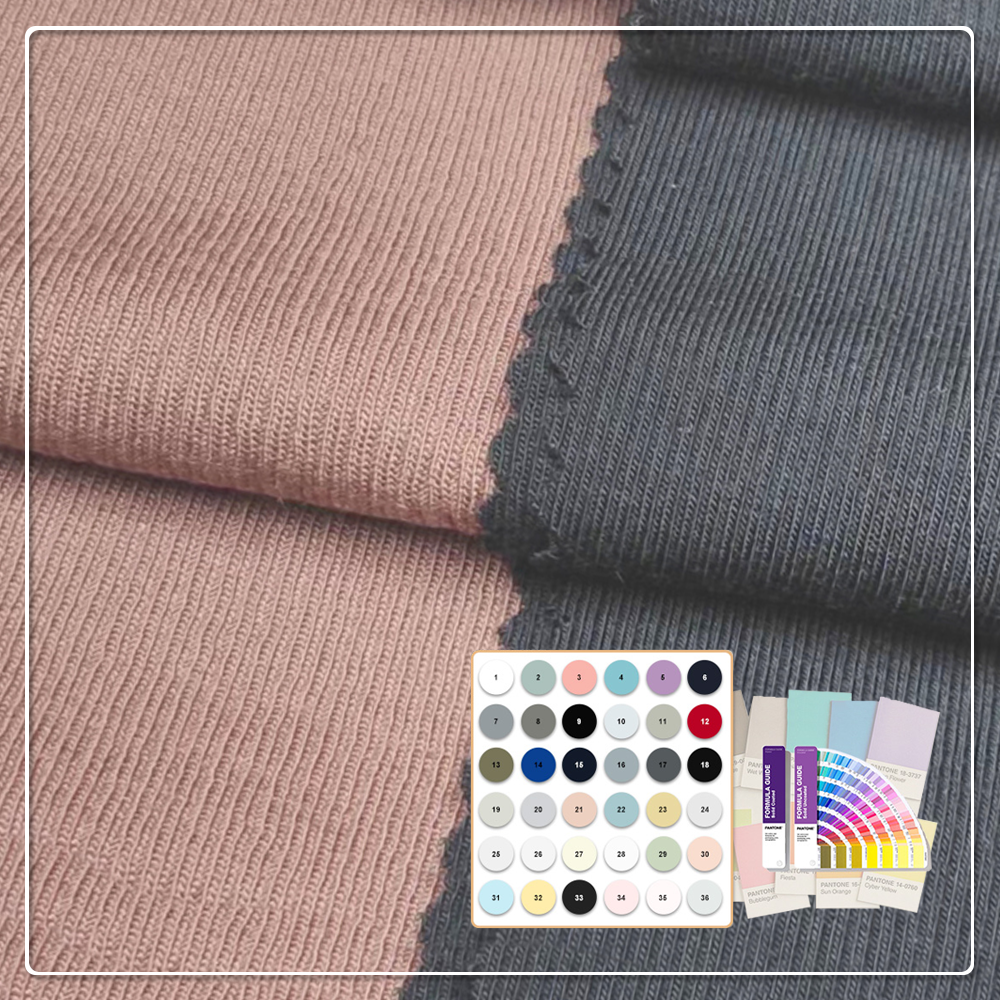
Bamboo knit materials are an emerging choice in the textile industry, acclaimed for their eco-friendliness and unique properties. As a B2B buyer or distributor, understanding the key specifications, quality assessments, and cost factors associated with bamboo knit fabric is crucial for making informed purchasing decisions. This article will guide you through the critical aspects of Ohyeah bamboo knit materials, helping you navigate the intricacies of supplier evaluation and quality assurance.
Our Products

Where to Source Reliable Bamboo Knit Suppliers for Bulk Orders

Before committing to a bulk order of bamboo knit fabrics, buyers should conduct a thorough quality assessment. Here are some steps to consider: 

Request Samples: Always start with samples to evaluate the fabric's softness, stretch, and overall feel. This hands-on inspection helps confirm the material’s suitability for your intended application. 

Check Certifications: Verify that the fabric's certifications are current and relevant. Certifications from recognized bodies indicate adherence to environmental and health standards. 

Inspect for Consistency: Examine the sample for consistency in color and texture. Any variations may indicate issues in the manufacturing process, which could lead to problems in larger orders. 

Conduct Performance Tests: If possible, test the fabric against expected wear and tear conditions. For example, check for pilling, fading, and durability through washing cycles. This practical evaluation can help prevent potential quality issues post-purchase. 

By following these assessment steps, buyers can ensure they choose high-quality bamboo knit fabrics that align with their business standards.

What Specifications to Consider When Selecting Bamboo Knit Products

The cost of bamboo knit fabrics can vary significantly based on several factors: 

Material Quality: Higher-quality bamboo fibers or blends will generally command higher prices. As a buyer, it’s essential to balance cost and quality, considering the end product’s positioning in the market. 

Order Volume: Bulk orders typically come with reduced per-unit costs. However, minimum order quantities (MOQs) can vary by supplier, affecting the overall pricing strategy. 

Customizations: Custom colors, patterns, or finishes can increase costs. Be clear about your requirements and seek quotes that detail any additional charges for customization. 

Shipping and Handling: Consider the logistics involved in shipping large quantities. Shipping costs can be significant, especially for international orders. Working with suppliers that have established export capabilities can help mitigate these costs. 

Supplier Reliability: A well-established supplier may charge slightly more but could offer better quality assurance and reliability in delivery, ultimately reducing costs related to returns and quality issues. 

Understanding these cost factors can help buyers make informed decisions that align with their budget and quality expectations.

Key Factors for Buyers and Importers

Selecting the right supplier for bamboo knit fabrics is crucial for ensuring a reliable supply chain. Here are some considerations: 

Manufacturing Capabilities: Assess the supplier’s manufacturing capacity, including the number and type of organic cotton jersey knit available. A supplier like Shaoxing City Ohyeah Textile Co., Ltd., with over 100 circular knitting machines, can handle large-scale orders efficiently. 

Quality Control Processes: Inquire about the supplier's quality control practices. Effective quality management ensures that products meet the required specifications consistently. 

Customization Options: Determine if the supplier can accommodate your specific needs, such as custom colors, sizes, or fabric weights. This flexibility can enhance your product offering. 

Communication and Responsiveness: A supplier’s willingness to communicate and respond promptly to inquiries can indicate their reliability. Good communication is essential for resolving issues that may arise during the ordering process. 

Client Testimonials and References: Seek feedback from other clients who have worked with the supplier. This can provide insights into their reliability, product quality, and service levels. 

By addressing these factors, buyers can identify suppliers that align with their operational needs and quality expectations.

Common Problems with Bamboo Knit and Effective Solutions for Buyers

While bamboo knit fabrics offer numerous advantages, they are not without challenges. Here are some common issues and how to address them: 

Pilling: Pilling occurs when fibers break loose from the fabric surface. To minimize this, choose high-quality bamboo blends that are engineered for durability, and consider fabric treatments that enhance resistance to abrasion. 

Color Fading: Over time, colors may fade, especially with improper washing. To combat this, ensure that the fabric has a high color fastness rating and provide care instructions to end-users to maintain vibrancy. 

Shrinkage: While bamboo knit fabrics generally have low shrinkage rates, improper washing can lead to issues. Buyers should confirm shrinkage specifications and recommend washing guidelines to consumers. 

Moisture Retention: Bamboo fibers are absorbent, which can lead to moisture retention in humid conditions. This can be addressed by blending with synthetic fibers that manage moisture better, enhancing comfort for the wearer. 

Supply Chain Delays: Global supply chain disruptions can impact delivery times. Establishing clear communication with suppliers about lead times and being prepared with contingency plans can mitigate this risk. 

By anticipating these common issues, buyers can develop strategies to enhance user satisfaction and product performance. 

Understanding the specifications, quality evaluation, cost factors, and common challenges associated with bamboo knit fabrics will empower B2B buyers and distributors to make informed purchasing decisions. With a careful selection of suppliers and attention to detail, you can ensure that your bamboo knit products meet both quality standards and market demands.

How to Choose Bamboo Knit Fabrics for Your Wholesale Needs

When exploring bamboo knit fabrics, several key specifications should be prioritized: 

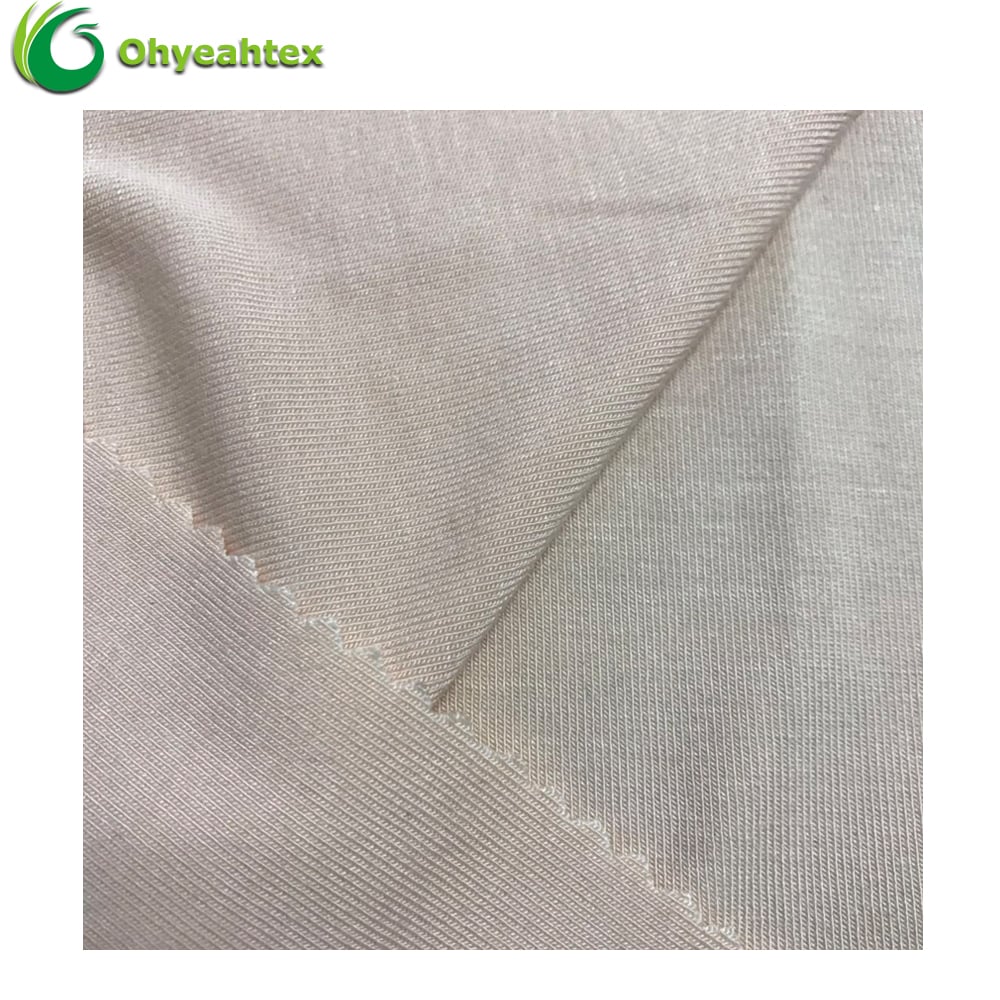
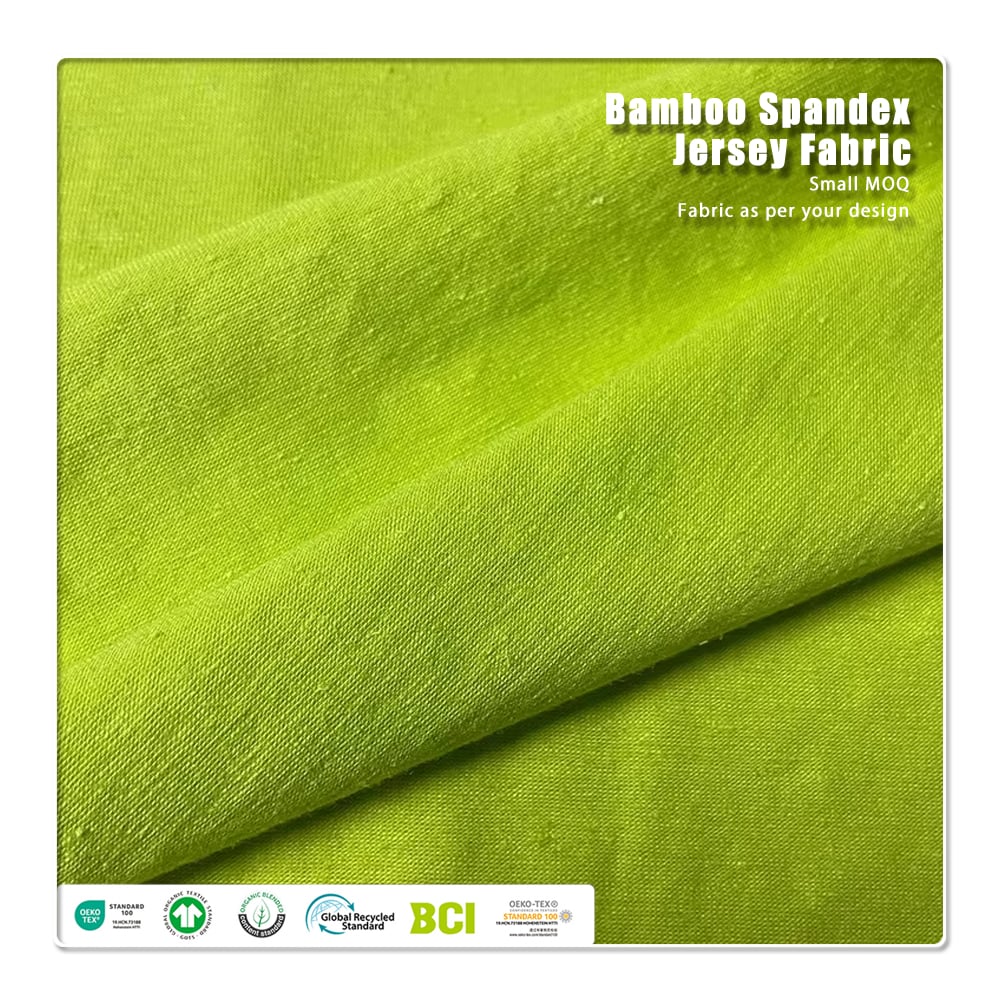
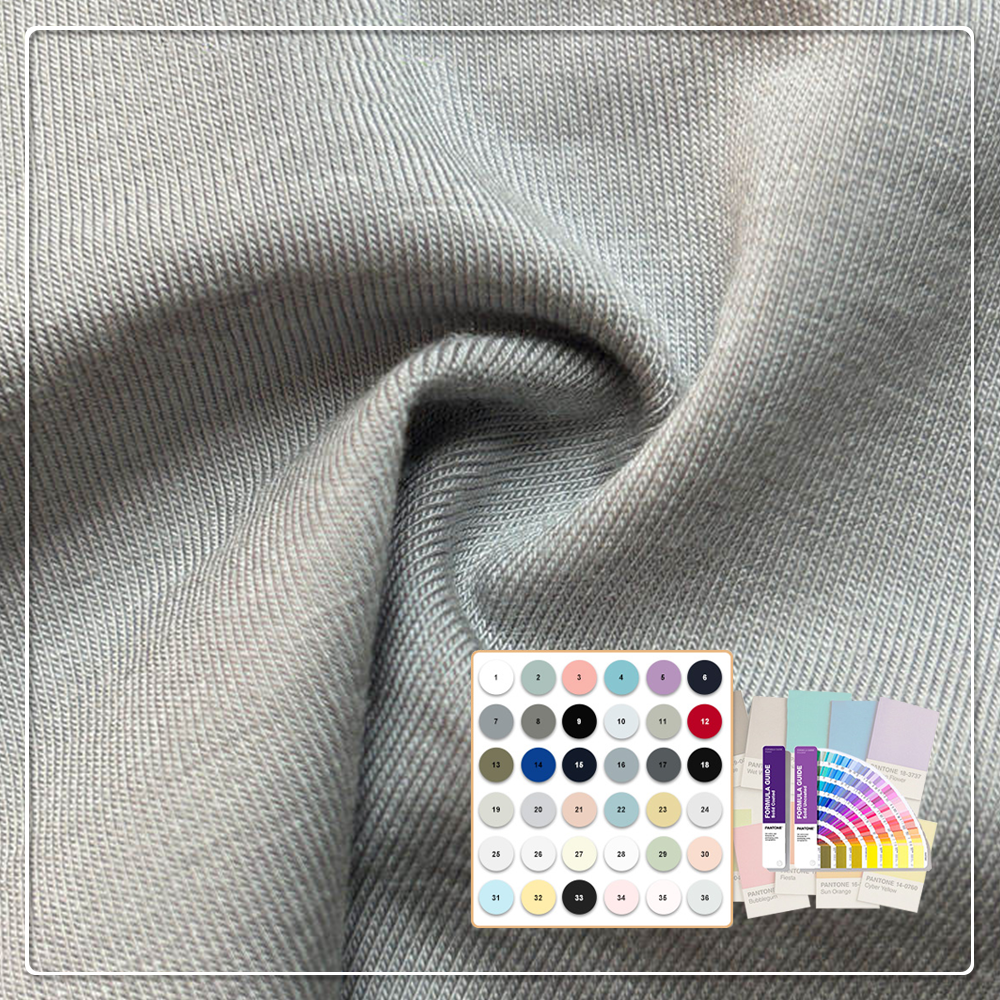
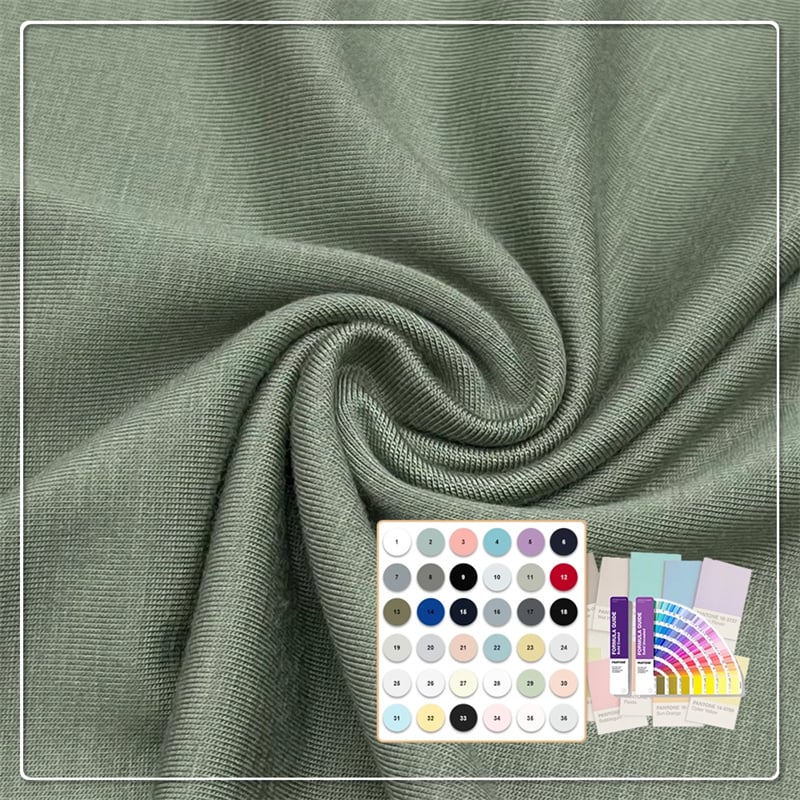
Material Composition: Bamboo knit fabrics are primarily made from bamboo fibers, which are known for their softness and breathability. However, blends with organic cotton or recycled polyester can enhance durability and functionality. 

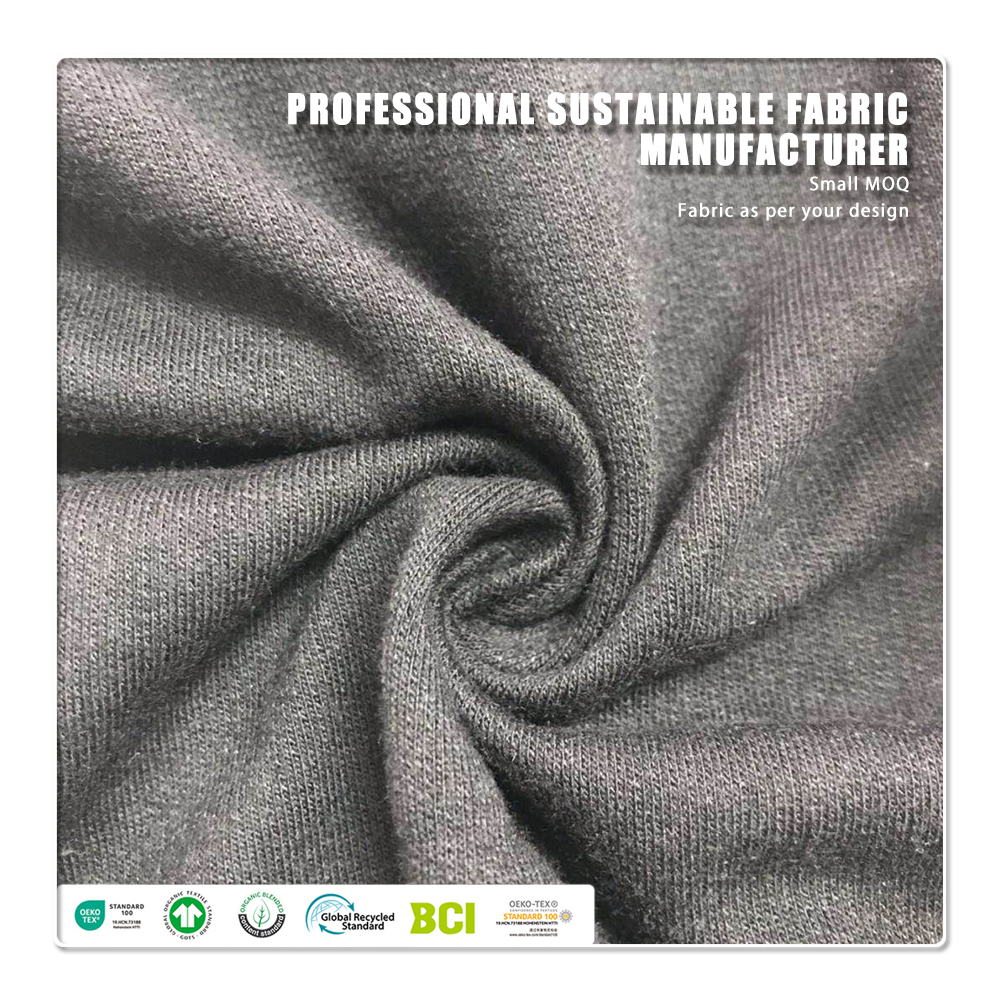
Construction: The knitting process affects the fabric's stretchability and drape. Circular knitting machines, such as those used by Shaoxing City Ohyeah Textile Co., Ltd., ensure consistent quality and texture across large volumes, with a typical output of 200 tons monthly. 

Color Fastness and Shrinkage: Quality bamboo knits should have a color fastness rating of level 4-5 and shrinkage below 5%. These specifications ensure that the fabric maintains its appearance and size after washing, which is crucial for end-user satisfaction. 

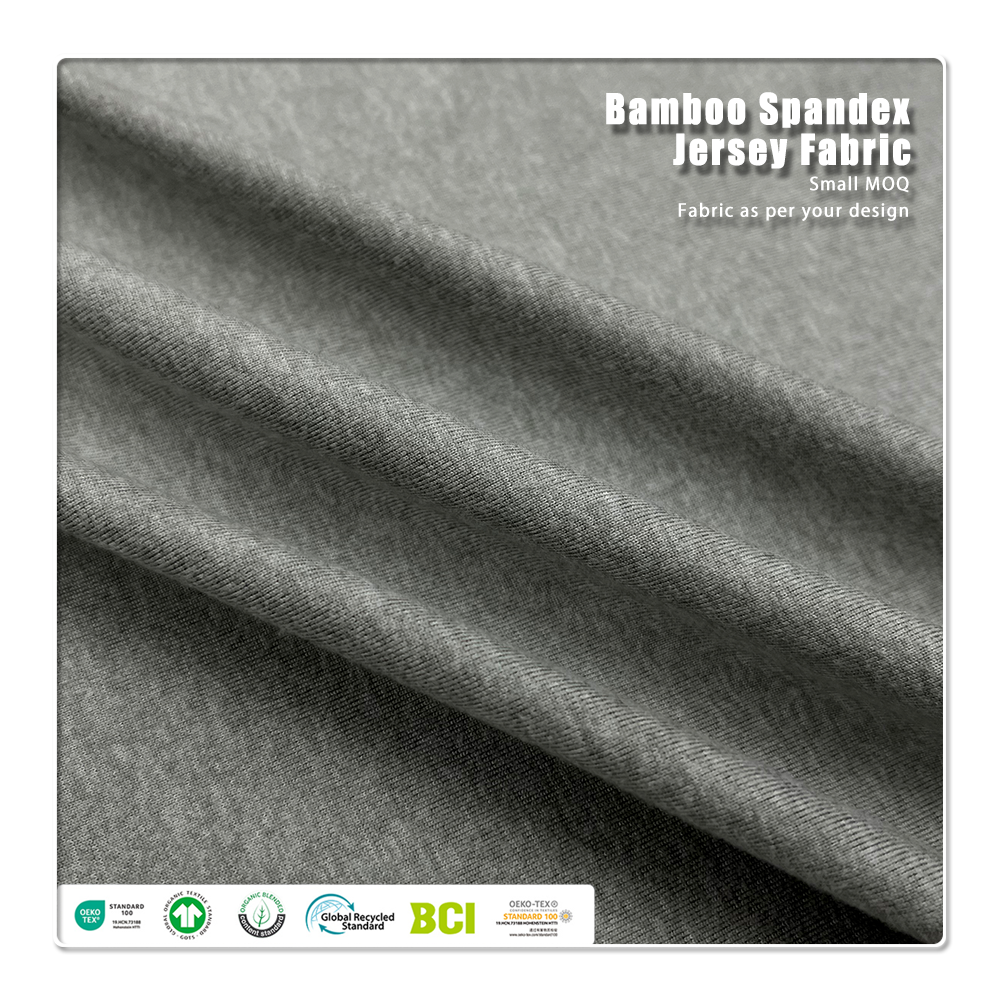
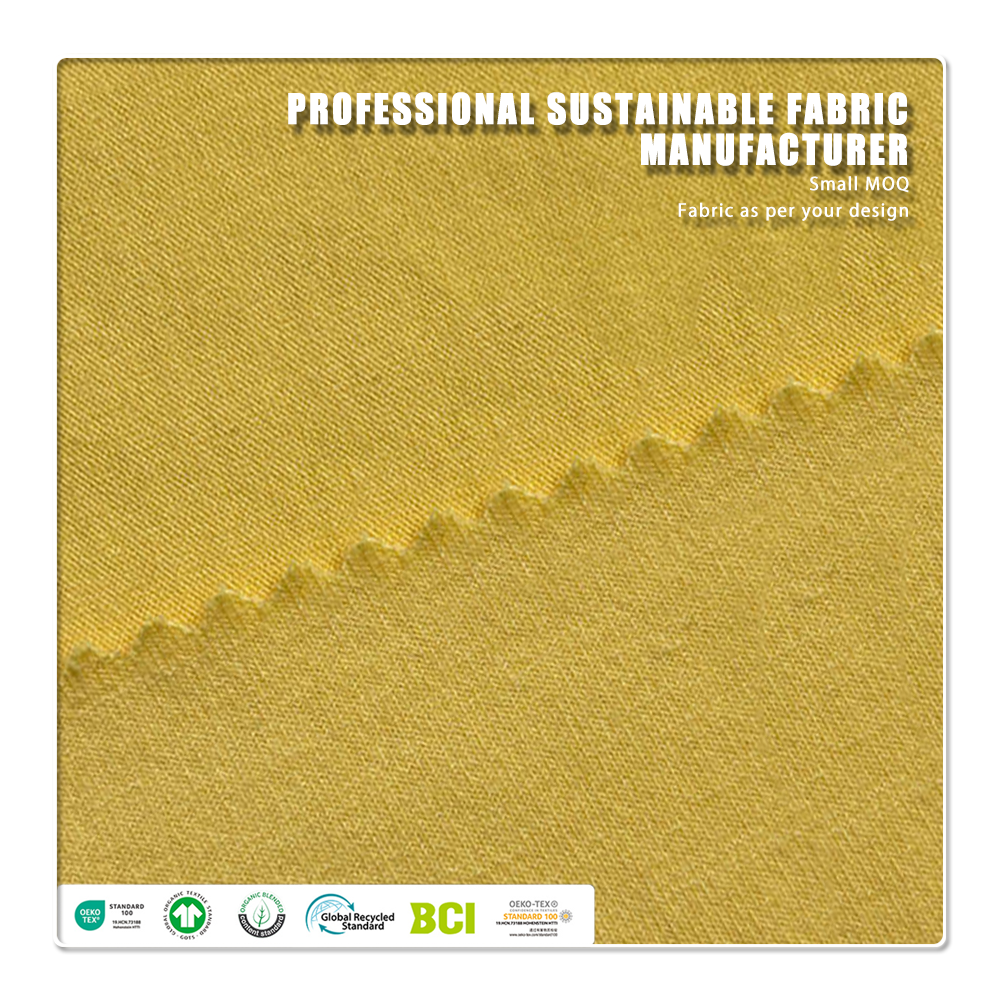
Certifications: Look for OEKO-TEX, GOTS, OCS, and GRS certifications, which indicate eco-friendly practices and compliance with safety standards. These certifications can be a deciding factor for buyers focusing on sustainability. 

Understanding these specifications enables buyers to select organic bamboo knit fabric that meet their application requirements, whether for apparel, bedding, or other textile products.

Our Blog Posts

Sourcing Bamboo Fabric: From Ancient Groves to Modern Comfort

14

Jul

Sourcing Bamboo Fabric: From Ancient Groves to Modern Comfort

Bamboo. A simple word. Yet, it carries millennia of human ingenuity and a silent revolution in modern textiles. It's not just the stuff of panda diets or serene Asian paintings. Bamboo is a story of survival, adaptability, and enduring utility. From ...
View More
How Tencel Lyocell Supports Moisture Control in Textile Applications

29

May

How Tencel Lyocell Supports Moisture Control in Textile Applications

Moisture management is the most important performance property for textiles today. Sweaty, clingy textiles will leave the wearer cold, irritated, or susceptible to skin ailments. The wearers of moisture management fabrics will remain dry and com...
View More
How Tencel Modal Fabric Enhances Softness in Everyday Apparel

29

May

How Tencel Modal Fabric Enhances Softness in Everyday Apparel

Everyday clothing is defined by the comfort it provides during daily wear. A soft feeling against the skin is not just desired but necessity,from dawn to dusk. Say goodbye to scratchy,uncomfortable clothes in your e...
View More
The Natural Softness Advantage of Tencel Lyocell in Knit Fabrics

29

May

The Natural Softness Advantage of Tencel Lyocell in Knit Fabrics

Consumers look for softness in knitwear above all else. Softness builds trust,encourages comfort,and leaves a positive lasting impression. When compared to all the other sustainable fibers available on the market today,none will offer the same amount...
View More

Get a Free Quote

Our representative will contact you soon.
Email
Name
Mobile/WhatsApp
Company Name
Message
0/1000

Get a Free Quote

Our representative will contact you soon.
Email
Name
Mobile/WhatsApp
Company Name
Message
0/1000