Bamboo Rib Knit Fabric: Sourcing and Quality Insights

Get a Free Quote

Our representative will contact you soon.
Email
Name
Mobile/WhatsApp
Company Name
Message
0/1000

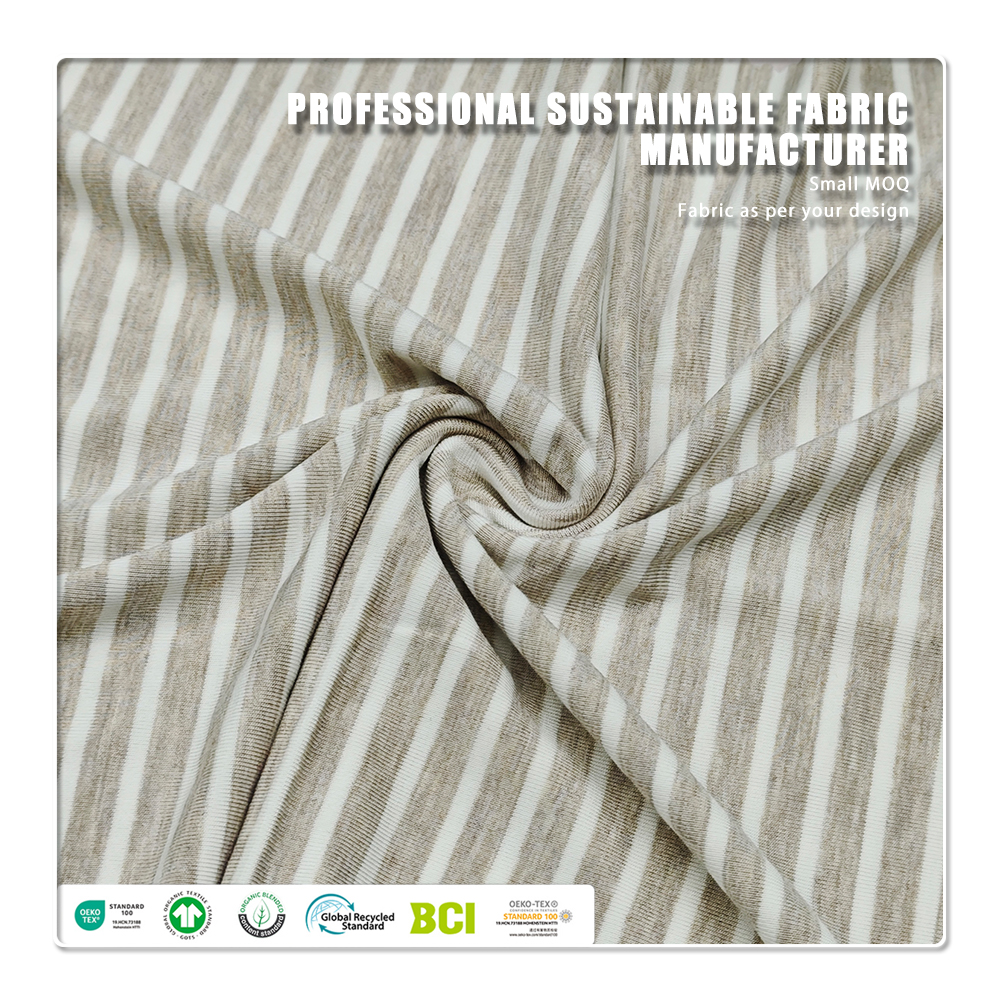
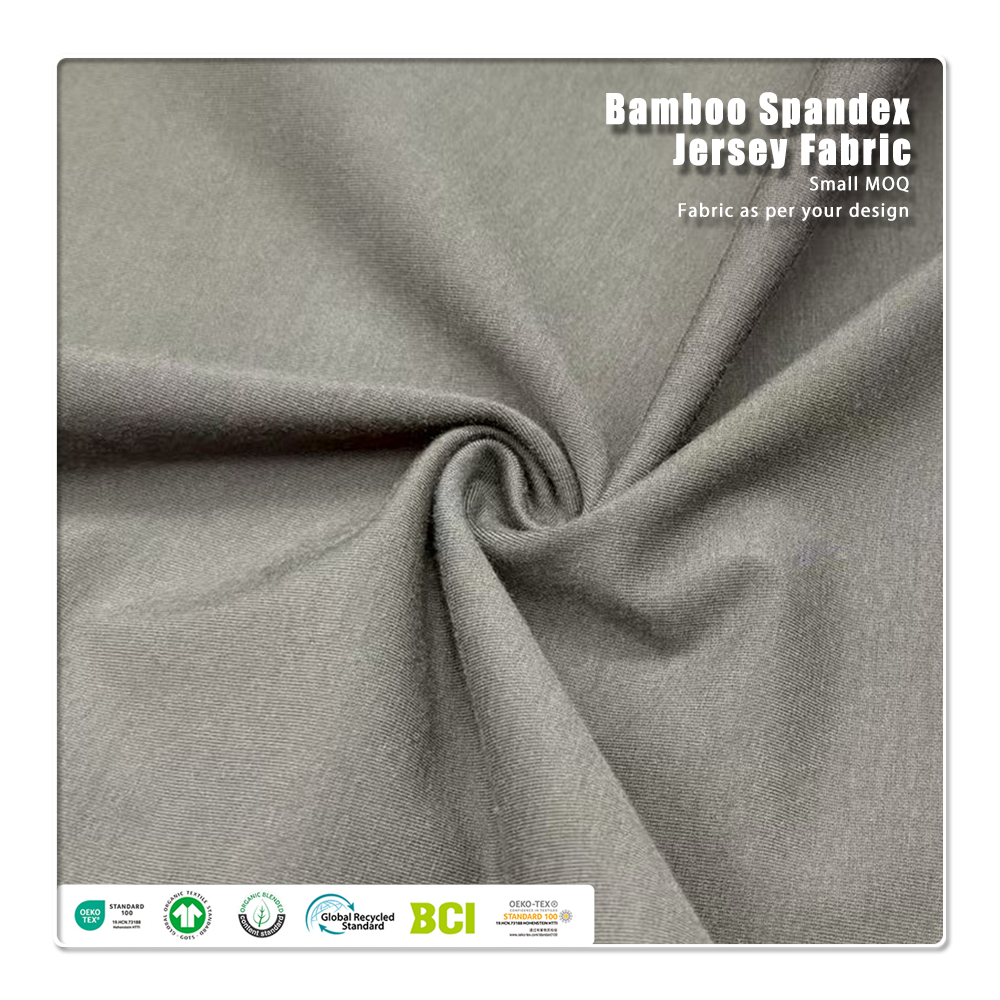
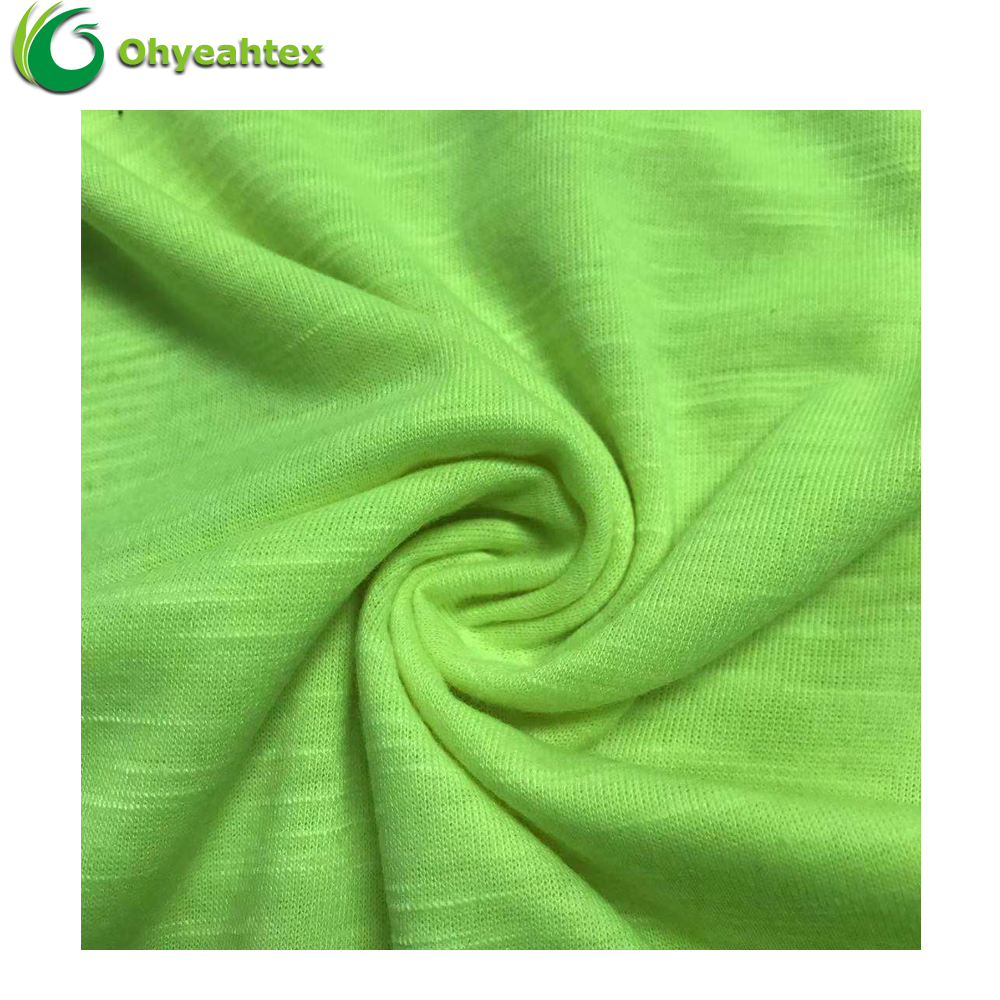
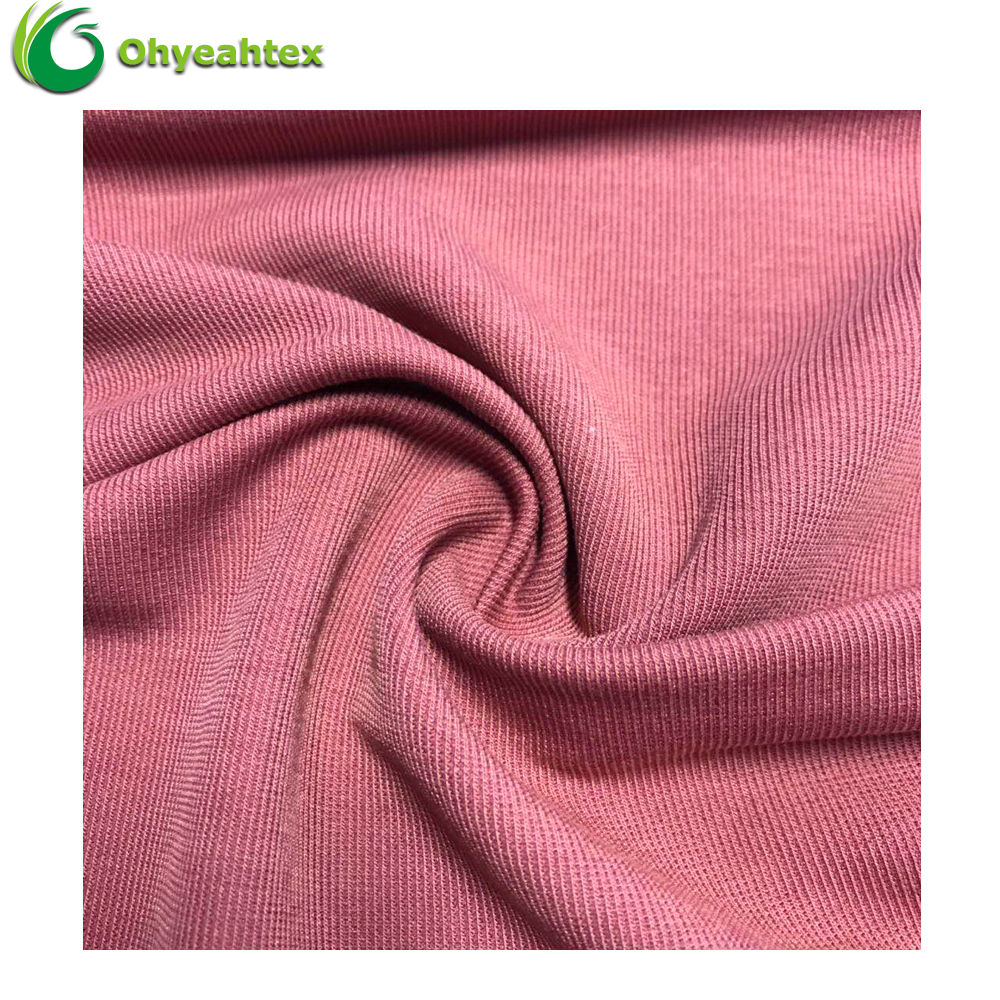
Bamboo rib knit fabric

Bamboo rib knit fabric is an innovative, eco-friendly textile that has gained traction in various industries due to its sustainability and comfort. As a purchaser or decision-maker in the textile sector, you might be weighing factors such as quality, sourcing, and application suitability when considering bamboo rib knit fabric. This article aims to provide valuable insights into sourcing, evaluating, and understanding this unique organic knit fabric to help you make informed purchasing decisions. This article will help you to understand the product more, so keep on reading it all. 
Our Products

Key Specifications of Bamboo Rib Knit Fabric for Bulk Orders

Bamboo rib knit fabric has several key specifications that are important to consider for bulk orders. These include: 

Weight: The weight of the fabric often influences its application. Heavier weights are suitable for colder climates, while lighter weights are ideal for summer wear. 

Composition: Ensure that the fabric is primarily composed of bamboo fibers, as this contributes to its eco-friendliness and softness. Bamboo's natural properties provide moisture-wicking abilities, making it a comfortable choice for garments. 

Stretch and Recovery: The rib knit structure offers inherent stretch, which is crucial for activewear or fitted garments. Evaluate the fabric's stretch percentage to ensure it meets your design requirements. 

Color Fastness: A color fastness rating of level 4-5 indicates that the fabric can withstand washing and exposure to light without significant fading, a critical factor for garment longevity. 

These specifications will help you assess whether the organic bamboo knit fabric aligns with your product vision and quality standards.
How to Evaluate the Quality of Bamboo Rib Knit Fabric

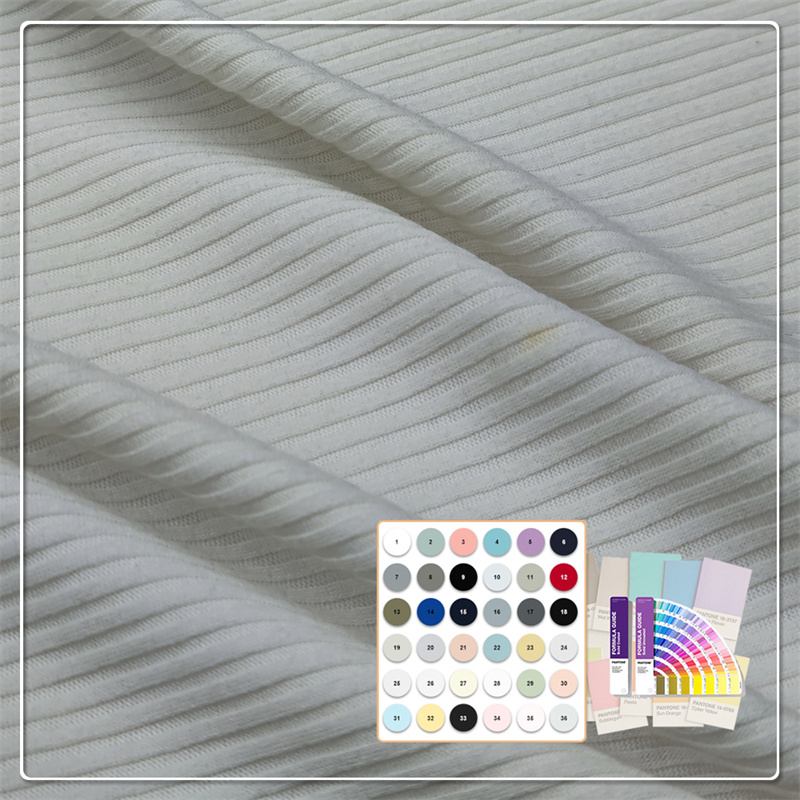
Evaluating the quality of bamboo rib knit fabric involves several steps. First, request samples before placing a bulk order. Assess the feel, texture, and overall appearance of the fabric. Pay attention to any irregularities, such as snags or uneven stitching, which may indicate poor quality. 

Next, conduct a visual inspection of the dyeing process. Fabrics should have uniform color distribution without blotches or fading. Additionally, test the fabric for shrinkage and durability. A high-quality bamboo rib knit fabric should have a shrinkage rate below 5%, ensuring that garments maintain their fit after washing. 

Finally, consider the manufacturer's quality control processes. A supplier like Shaoxing City Ohyeah Textile Co., Ltd., with a dedicated quality control team, can provide assurance that the fabric has been thoroughly checked before shipment.

Common Problems with Bamboo Rib Knit Fabric and Effective Solutions

While bamboo rib knit fabric offers many advantages, there are common issues that buyers may encounter. One prevalent issue is pilling, which occurs when fibers break and form small balls on the surface of the fabric. To combat this, recommend proper care instructions to end-users, such as washing in cold water and air drying. 

Another challenge is color fading over time, particularly in bright or dark colors. This can be mitigated by ensuring that the fabric has undergone proper dyeing processes and meets color fastness standards. 

Lastly, some buyers may experience compatibility issues with other materials when blending fabrics. It’s crucial to discuss your intended applications with the manufacturer to ensure that the properties of bamboo rib knit fabric will work harmoniously with other textiles in your product line.

Comparing Bamboo Rib Knit Fabric to Other Eco-Friendly Materials

When considering Ohyeah bamboo rib knit fabric, it's important to compare it with other eco-friendly materials like organic cotton and recycled polyester. Bamboo offers unique advantages, such as superior moisture-wicking properties and natural antibacterial qualities, making it an excellent choice for activewear or undergarments. This product is made with high-quality materials to ensure its efficiency and functionality. You will never ever regret of using this kind of product. 

Organic cotton, while also a sustainable option, generally lacks the same moisture management capabilities as bamboo. Additionally, bamboo's rapid growth and low water requirements make it a more sustainable choice than conventional cotton, which often requires large amounts of water and pesticides. 

Recycled polyester, on the other hand, is a robust fabric that can withstand a lot of wear and tear. However, it may not provide the same level of breathability and comfort that bamboo rib knit fabric offers. Depending on your intended application, bamboo rib knit fabric might be the superior choice for softness and eco-friendliness. 

In summary, understanding the specifics of sustainable knit fabric and how it compares to other materials can significantly impact your product's success in the market. By considering the factors outlined, you will be better equipped to source, evaluate, and utilize bamboo rib knit fabric for your business needs.

What to Consider When Sourcing Bamboo Rib Knit Fabric Wholesale

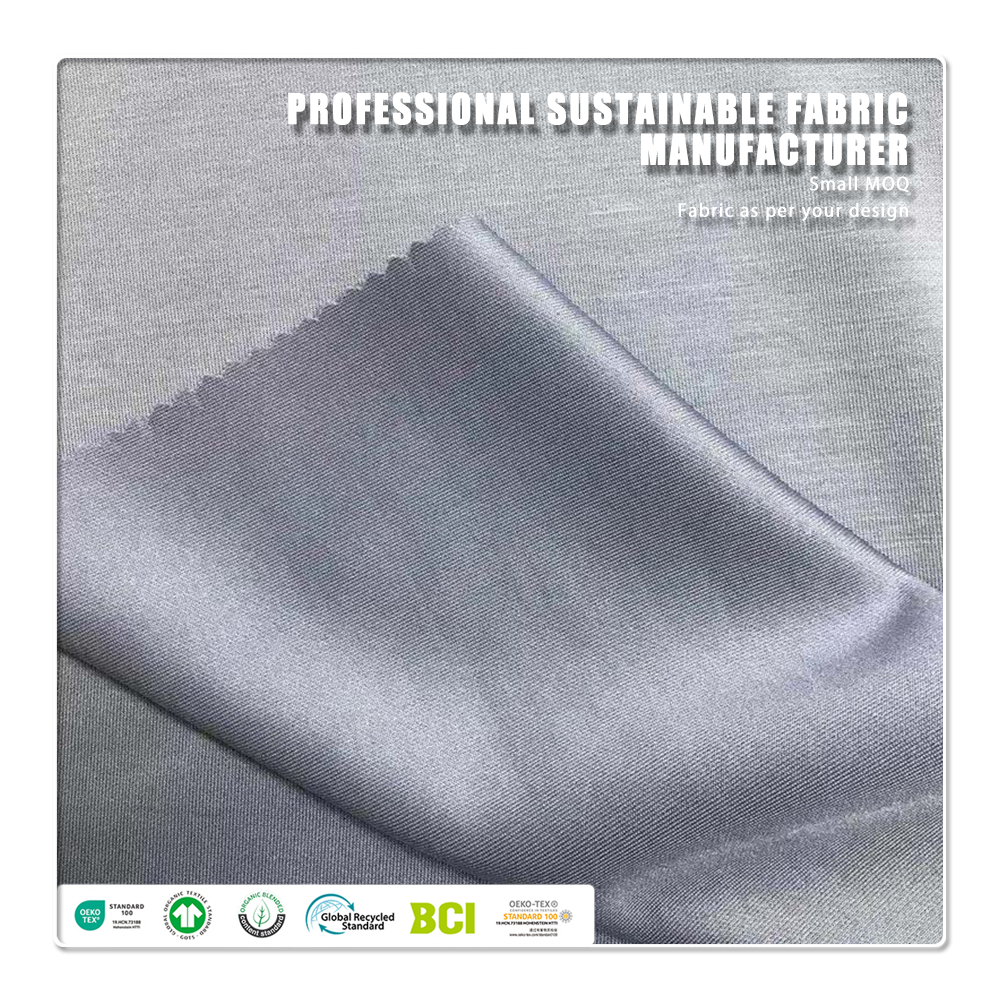
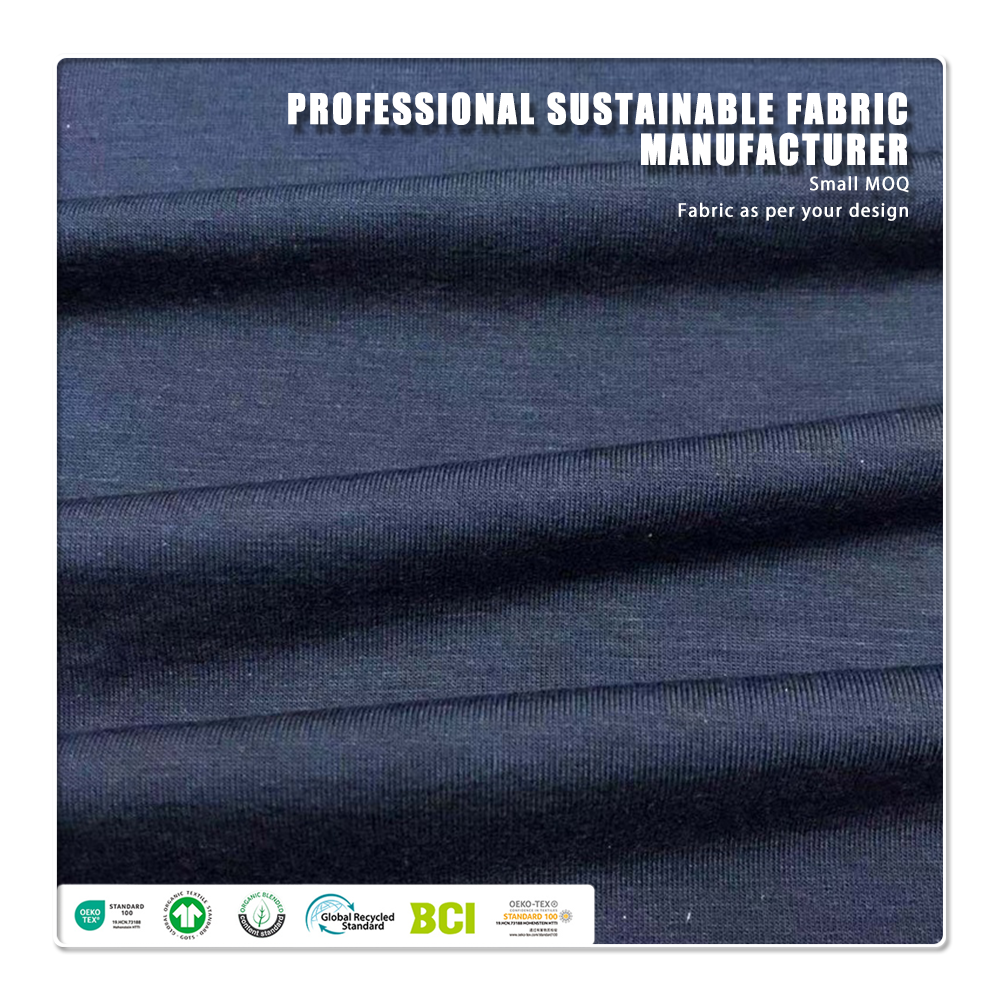
When sourcing bamboo rib knit fabric wholesale, several factors come into play. First, consider the certifications of the manufacturer, such as OEKO-TEX, GOTS, OCS, and GRS. These certifications ensure that the fabric meets environmental and social standards, which can be crucial for your brand's sustainability goals. 

Next, evaluate the manufacturer’s production capacity and capabilities. For instance, Shaoxing City Ohyeah Textile Co., Ltd. operates with over 100 circular knitting machines, boasting a monthly output of 200 tons. This capacity can significantly impact lead times and your ability to meet market demands. 

Additionally, consider the minimum order quantities (MOQs) and whether the supplier can accommodate custom orders. Understanding these aspects will help you align your procurement strategy with your inventory needs, ensuring that you’re not overcommitting to a supplier that cannot meet your demands.

Our Blog Posts

The Supply Chain Dynamics of Bamboo Fabric from Manufacturer to Export

14

Oct

The Supply Chain Dynamics of Bamboo Fabric from Manufacturer to Export

Ecofriendly and Organic Bamboo Fabric Source for Wholesale BuyersFor wholesale buyers looking for eco-friendly fabric options, buying bamboo fabric from Ohyeah Textile Co., Ltd. means that support for the environment and ethics are built into the ent...
View More
The Science of Bamboo Fabric: Manufacturing, History, and Eco-Impact

14

Jan

The Science of Bamboo Fabric: Manufacturing, History, and Eco-Impact

Eco-Science Briefing Often hailed as the "Queen of Fibers," bamboo fabric merges 1,700 years of Chinese heritage with modern Closed-loop Systems. Known for its "Bamboo Kun" antibacterial agent and a micro-porous structure that absorbs 1.5x more mois...
View More
What Makes Tencel Lyocell a Preferred Choice for Sustainable Apparel

29

May

What Makes Tencel Lyocell a Preferred Choice for Sustainable Apparel

Sustainability has now moved out of the niche and into an expectation among ethical consumers and forward-thinking brands. Among the many eco-friendly fibers currently available, Tencel Lyocell has emerged as a clear front-runner. Here at S...
View More
What Makes Tencel Modal Ideal for High-Quality Loungewear Fabrics

29

May

What Makes Tencel Modal Ideal for High-Quality Loungewear Fabrics

Loungewear, originally designed as casual clothing for the home, has become a key item in the modern wardrobe. Consumers now demand that their loungewear be ultra-soft, extremely comfortable and durable enough to wear day in and day out. They also re...
View More

Get a Free Quote

Our representative will contact you soon.
Email
Name
Mobile/WhatsApp
Company Name
Message
0/1000

Get a Free Quote

Our representative will contact you soon.
Email
Name
Mobile/WhatsApp
Company Name
Message
0/1000