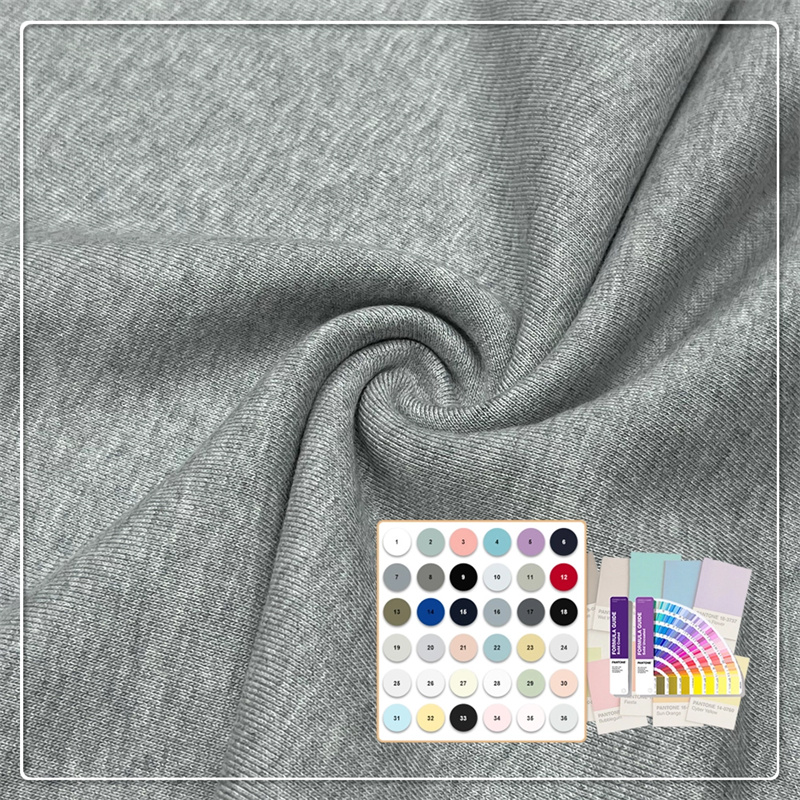
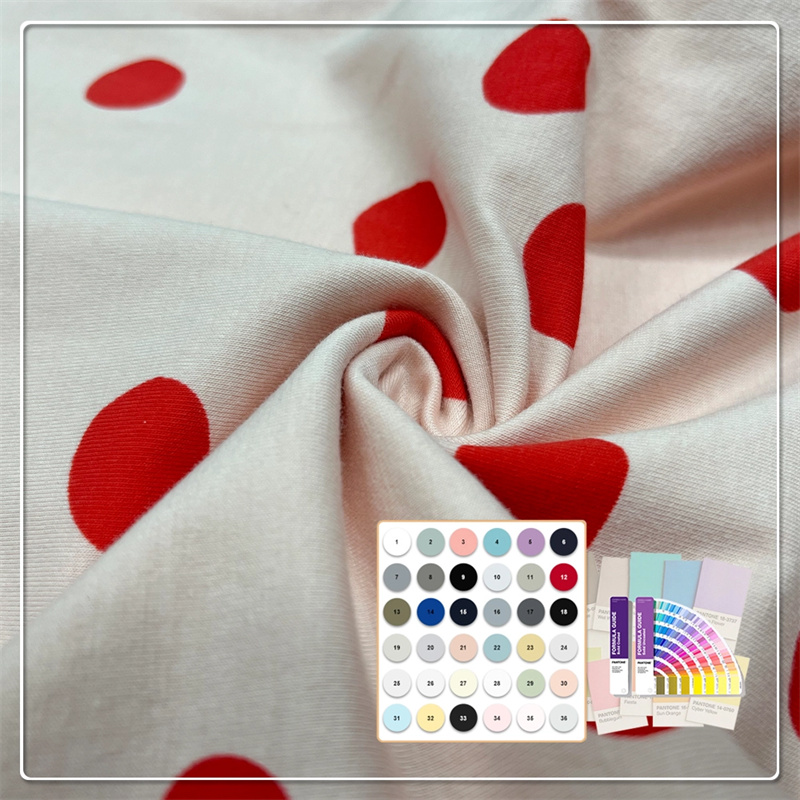
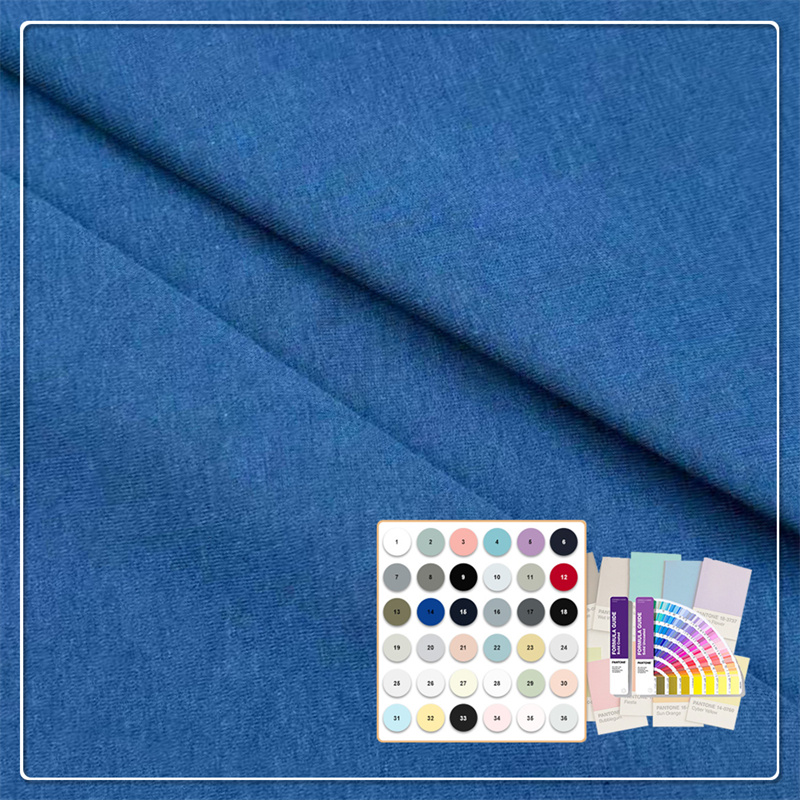
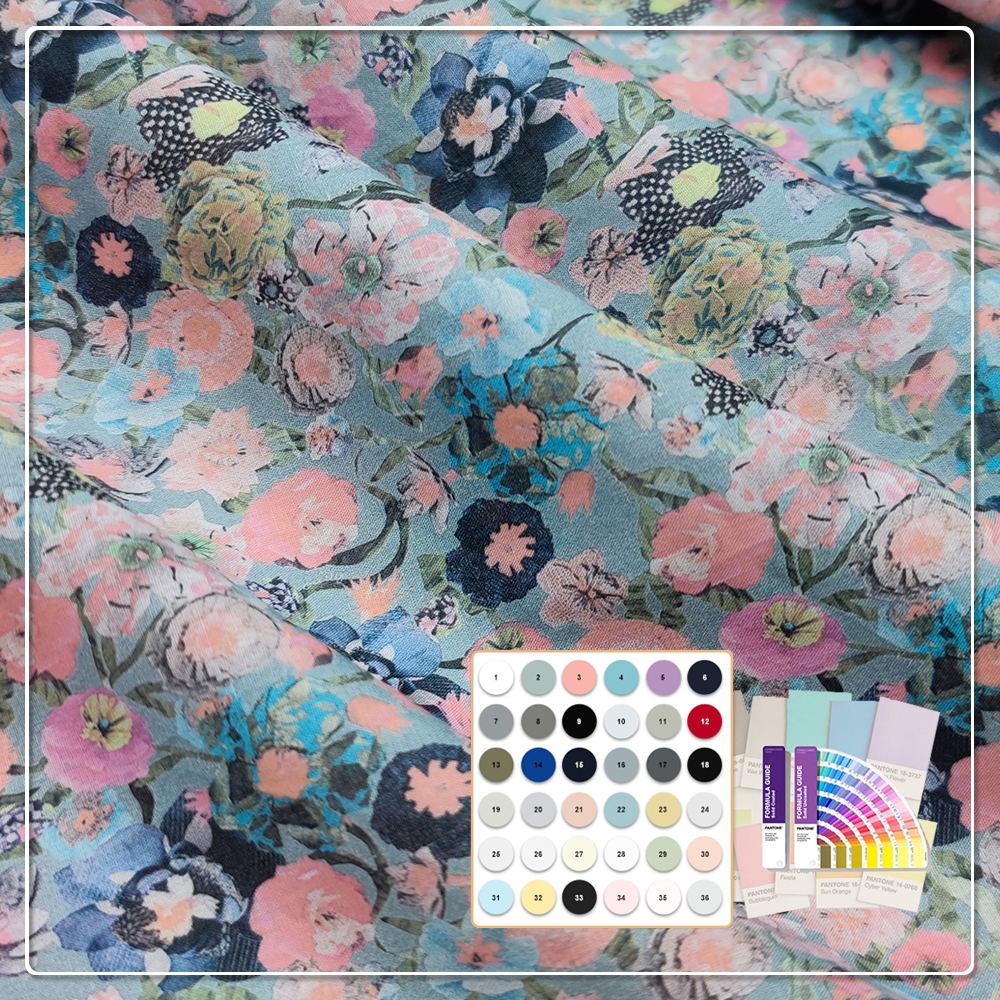
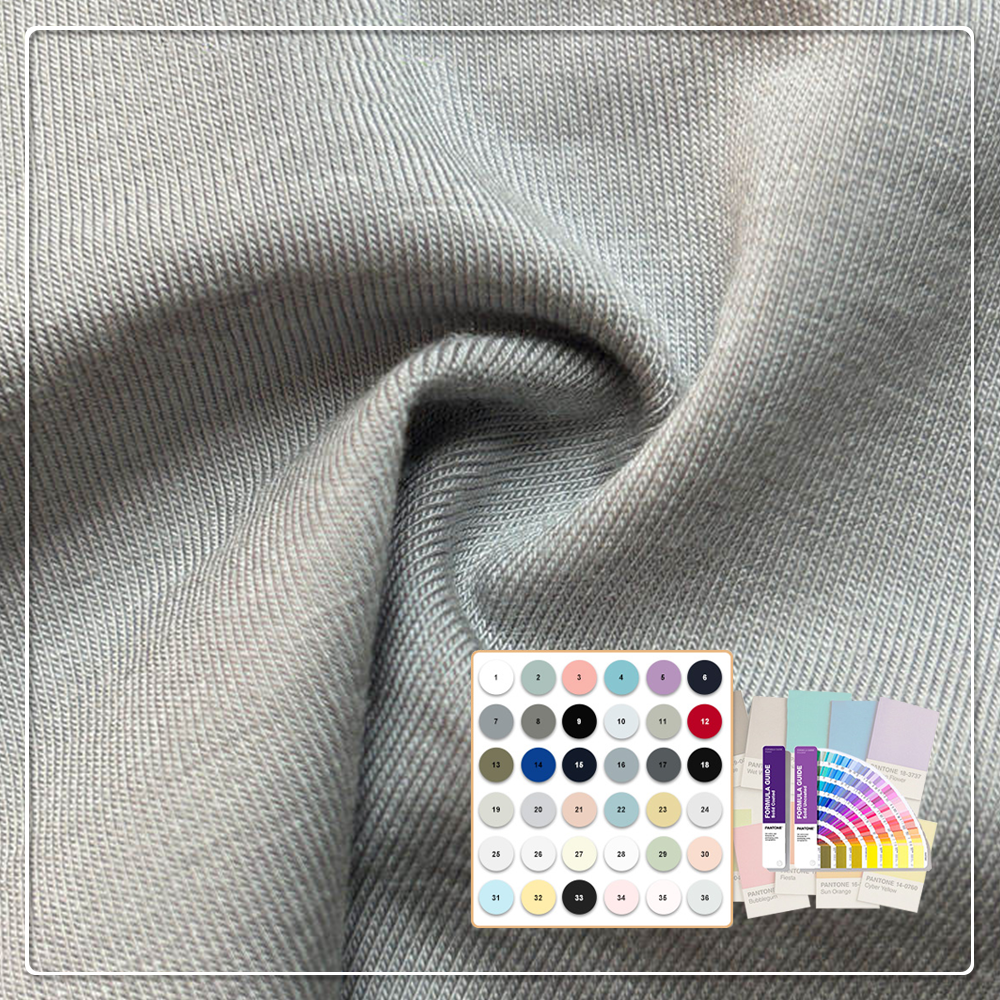
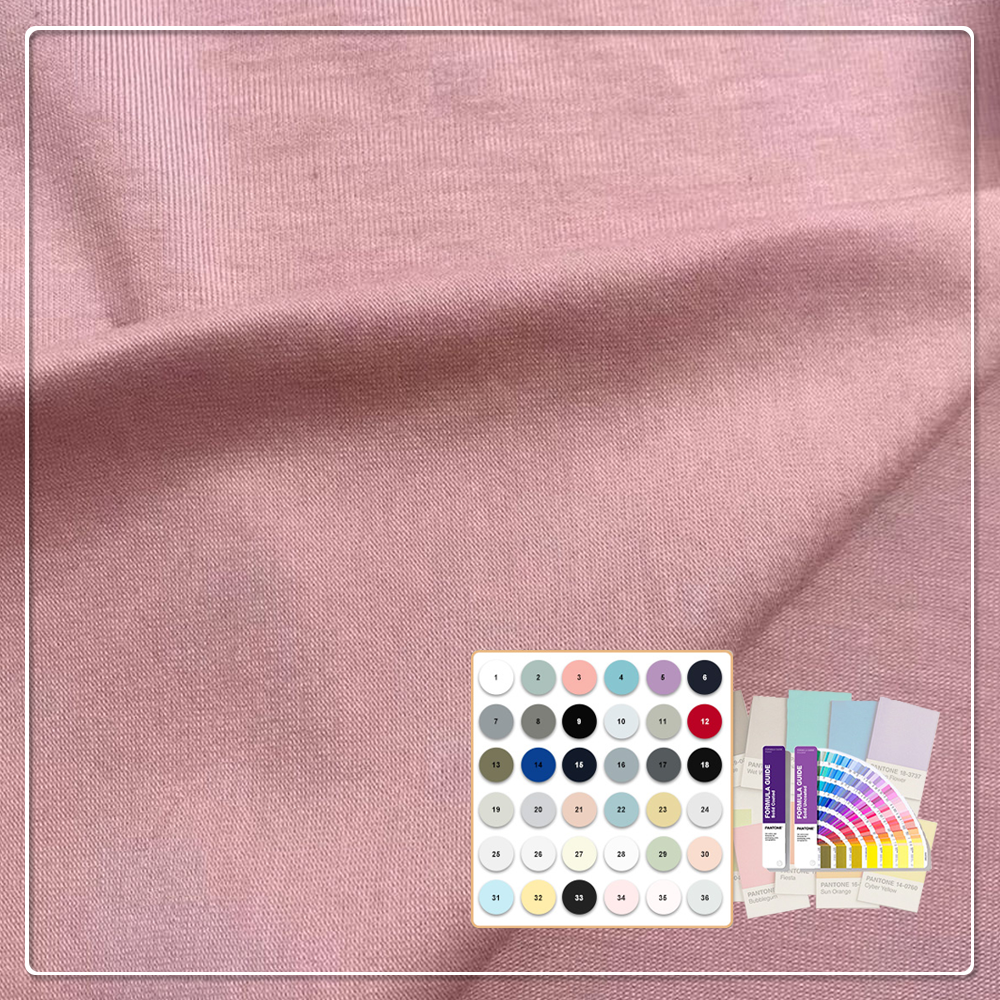
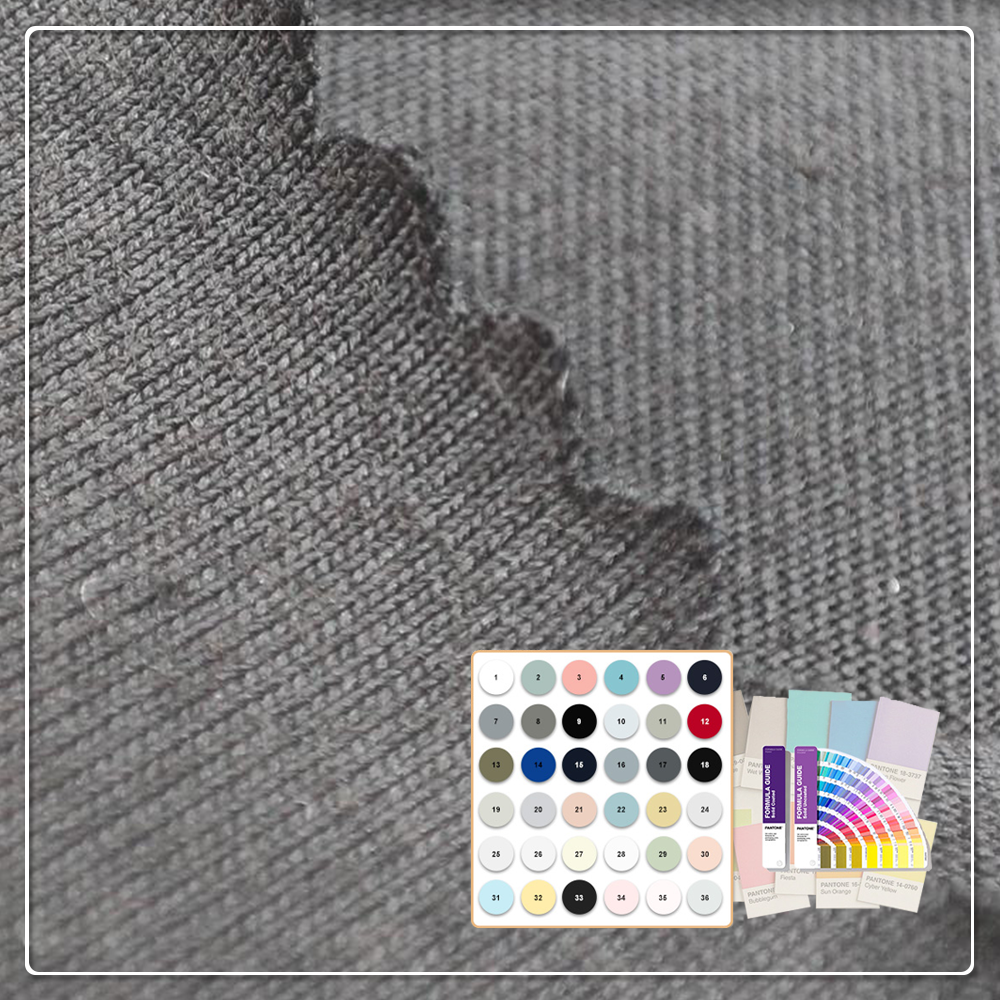
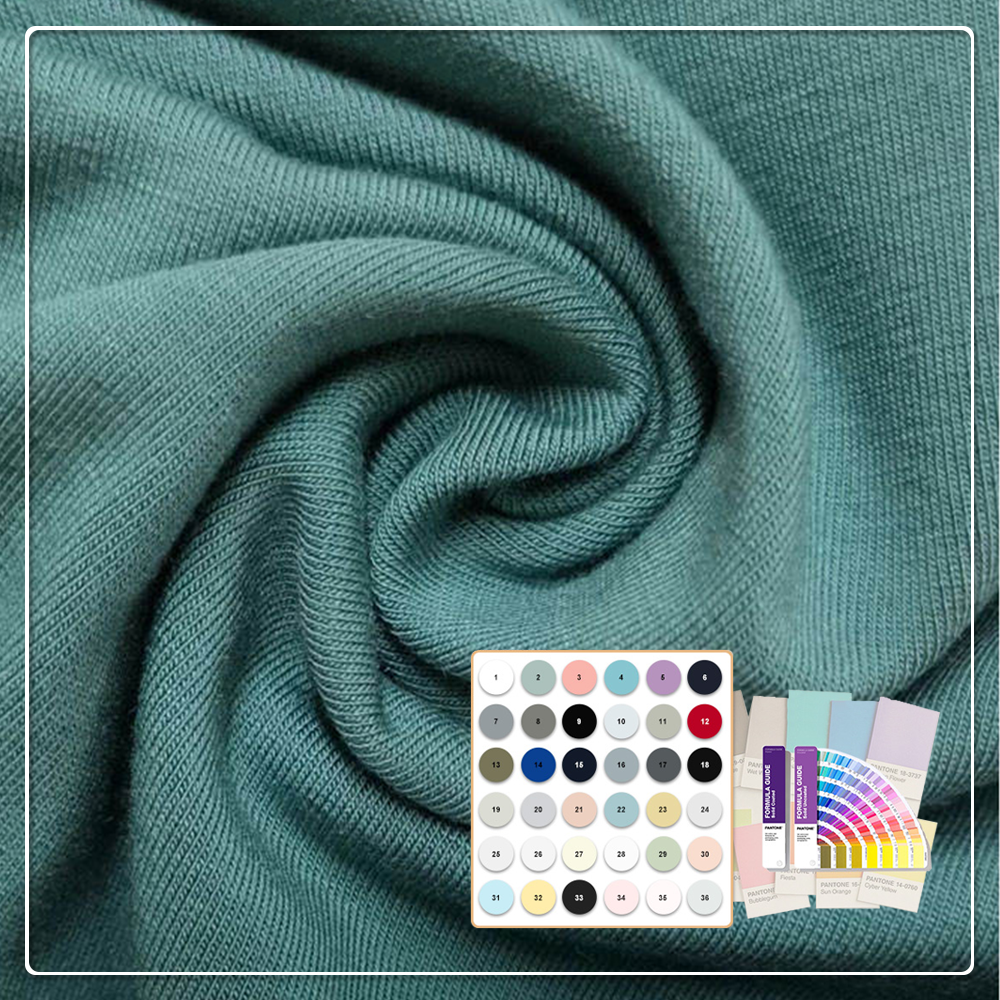
Eco-Friendly Bamboo and Cotton Fabrics for Wholesale

Get a Free Quote

Our representative will contact you soon.
Email
Name
Mobile/WhatsApp
Company Name
Message
0/1000

Cotton and bamboo

Understanding the advantages of cotton and bamboo fabrics is essential for wholesale buyers seeking eco-friendly options. As sustainable materials, both cotton and bamboo fabrics offer unique properties that can meet diverse application needs. This article will delve into their benefits, guide you in making informed choices for your projects, and highlight key specifications to consider when sourcing these materials. Additionally, we'll provide a detailed comparison of bamboo and organic cotton fabrics and discuss factors that influence wholesale pricing. This article will help you to understand the product more, so keep on reading it all. 
Our Products

How to Choose the Right Eco-Friendly Fabrics for Your Projects

Selecting the ideal eco-friendly fabric involves understanding the specific requirements of your projects. Consider the intended application, desired textures, and performance characteristics. For instance, if you are designing clothing that requires moisture-wicking properties, bamboo may be a better choice due to its inherent breathability and moisture absorption. 

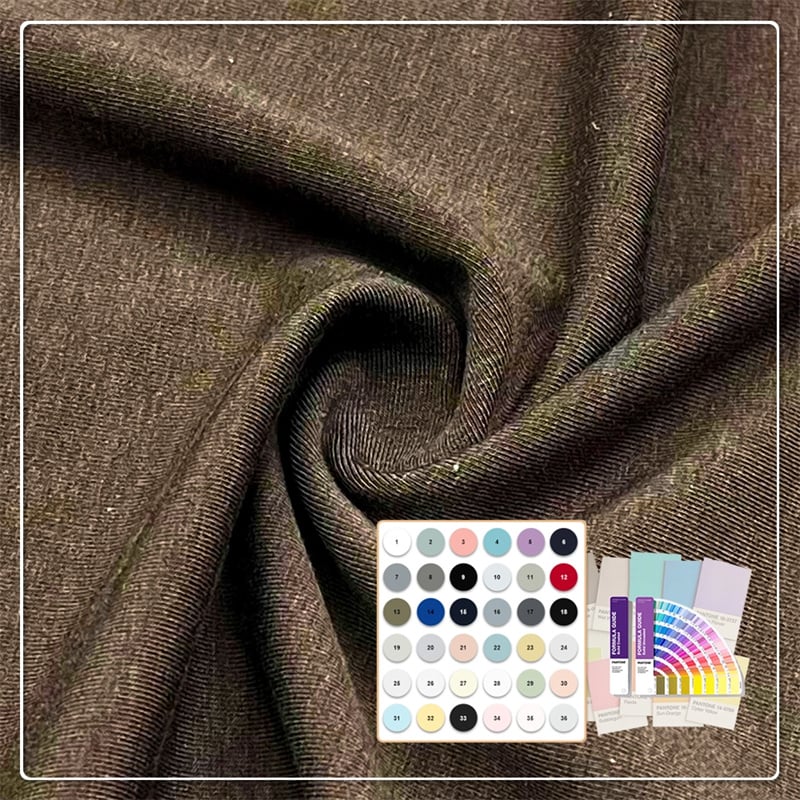
When sourcing Ohyeah fabrics, also evaluate certifications. Look for products certified by organizations such as OEKO-TEX, GOTS, or OCS, which ensure that the materials used are free from harmful substances and produced under environmentally friendly conditions. Understanding your buyer's target market preferences can also guide your fabric selection to ensure compatibility and appeal.
Key Specifications to Consider When Sourcing Bamboo and Cotton

When sourcing bamboo and cotton fabrics, several specifications should be prioritized to ensure product quality and suitability for your applications: 

Fabric Weight: Measured in grams per square meter (GSM), the weight affects the fabric's drape and durability. Lighter weights may be suitable for summer garments, while heavier weights are preferred for winter wear. 

Color Fastness: This indicates how well the fabric retains its color when exposed to washing and sunlight. A color fastness rating of 4-5 is typically acceptable for most applications. 

Shrinkage Rate: Understanding the fabric's shrinkage characteristics is crucial, especially for clothing. Fabrics should ideally have a shrinkage rate below 5% to maintain their dimensions after washing. 

Certifications: Ensure that the fabric meets environmental standards. Certifications like GOTS and OEKO-TEX can provide assurance regarding the fabric's sustainability and safety. 

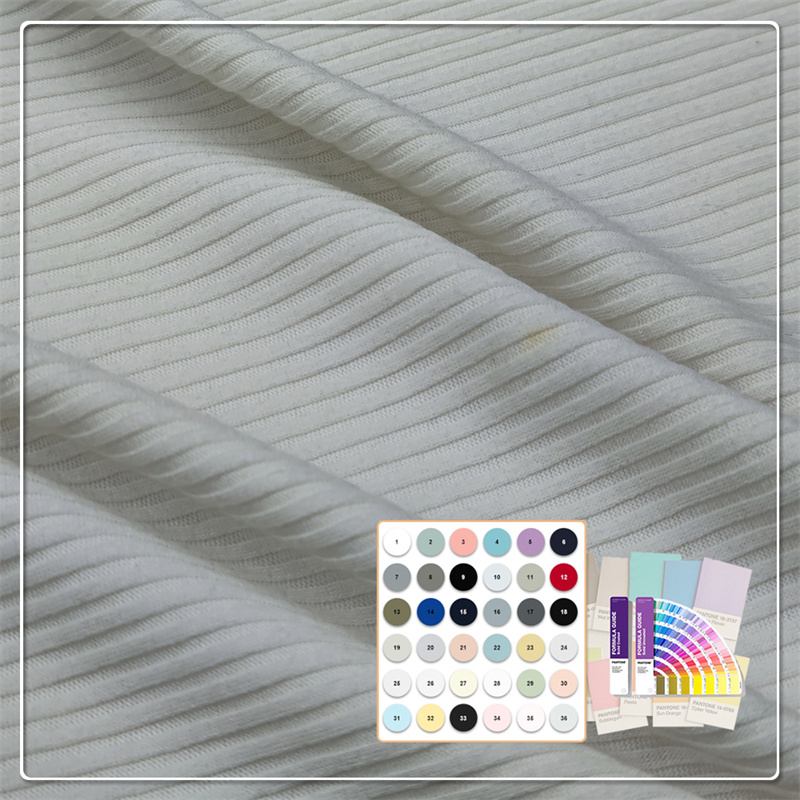
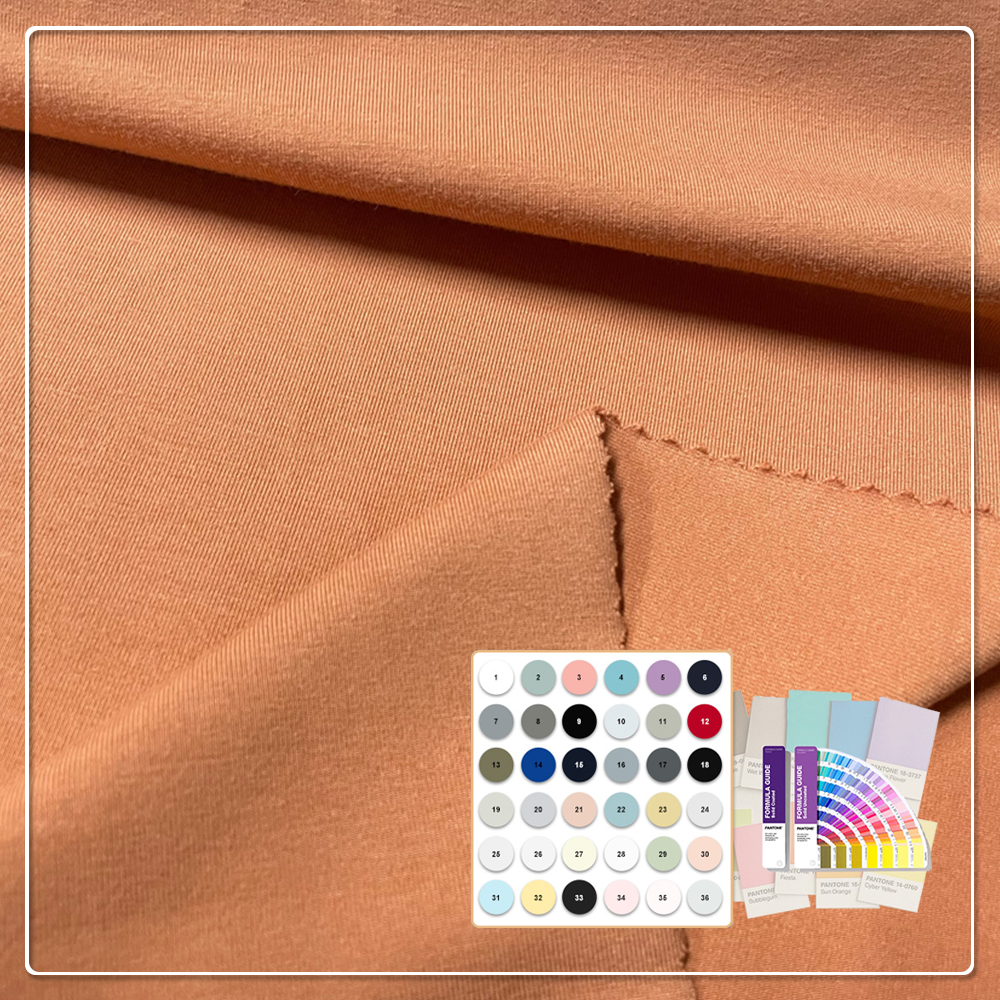
Customization Options: Depending on your project, you may require specific patterns, colors, or finishes. Confirm with suppliers about their customization capabilities to meet your design needs.

Comparing the Quality of Bamboo vs. Organic Cotton Fabrics

When comparing Ohyeah bamboo and organic cotton fabrics, it's essential to assess their qualities in relation to your specific needs. Bamboo fabric is generally softer and has a luxurious feel, ideal for high-end applications. It also possesses natural antibacterial properties, making it suitable for items like undergarments and bedding. 

On the other hand, organic cotton lycra fabric is praised for its durability and breathability, making it a preferred choice for everyday garments and children's clothing. While both materials are absorbent, bamboo tends to wick moisture away more effectively, which can be advantageous in activewear. 

Quality should also be evaluated in terms of production processes. Bamboo fabrics are often processed using a method that can involve chemicals, impacting their overall sustainability. Ensure that the supplier provides transparent information about their production methods and certifications.

Wholesale Pricing Factors for Bamboo and Organic Cotton Fabrics

Understanding the factors that influence the pricing of Ohyeah bamboo and organic cotton fabrics is crucial for wholesale buyers. Here are some key considerations: 

Material Availability: The availability of raw materials can significantly impact pricing. Bamboo is fast-growing, but fluctuations in demand can affect its cost. Similarly, organic cotton availability may vary based on harvest conditions and seasonal factors. 

Manufacturing Processes: The complexity of the manufacturing process, including dyeing and finishing, can affect the final price. Fabrics that undergo more intricate processes typically have higher costs. 

Order Quantity: Wholesale pricing often benefits from larger order quantities. Buyers should inquire about minimum order quantities (MOQs) and how pricing may decrease with increased volume. 

Customization and Specifications: Custom requests for specific colors, patterns, or finishes may incur additional costs. Buyers should clarify these aspects with suppliers beforehand. 

Shipping and Logistics: Depending on the origin of the fabric and the destination, shipping costs can vary. Be sure to factor these into your total cost when budgeting for procurement. 

By keeping these factors in mind, wholesale buyers can make informed decisions that align with both their budget and sustainability goals when sourcing bamboo and cotton fabric. So, trust on our brand. 

Understanding the Advantages of Bamboo and Cotton Fabrics for Wholesale Buyers

Bamboo and cotton fabrics are increasingly popular in various industries due to their eco-friendly characteristics and versatility. This product is made with high-quality materials to ensure its efficiency and functionality. You will never ever regret of using this kind of product. Bamboo is known for its rapid growth, requiring minimal water and no pesticides, making it a sustainable choice. It has natural antibacterial properties, making it suitable for applications in activewear, baby clothing, and home textiles. Cotton, particularly organic viscose from bamboo cotton, is grown without synthetic chemicals, promoting healthier farming practices and better soil health. 

For wholesale buyers, the advantage of sourcing these materials lies in their comfort, durability, and aesthetic appeal. Bamboo fabrics are soft and breathable, providing a luxurious feel, while cotton offers a classic texture that is familiar and widely accepted. Both materials are biodegradable, aligning with growing demand for sustainable products in the market.

Our Blog Posts

The Supply Chain Dynamics of Bamboo Fabric from Manufacturer to Export

14

Oct

The Supply Chain Dynamics of Bamboo Fabric from Manufacturer to Export

Ecofriendly and Organic Bamboo Fabric Source for Wholesale BuyersFor wholesale buyers looking for eco-friendly fabric options, buying bamboo fabric from Ohyeah Textile Co., Ltd. means that support for the environment and ethics are built into the ent...
View More
How Tencel Lyocell Improves Breathability in Modern Textile Applications

29

May

How Tencel Lyocell Improves Breathability in Modern Textile Applications

Today, breathability is not merely a perk in fabric, but a standard and expected characteristic for consumers wearing sportswear, loungewear, and general apparel. A breathable fabric allows the body to remain cool, dry, and comfortable...
View More
What Makes Tencel Modal Ideal for High-Quality Loungewear Fabrics

29

May

What Makes Tencel Modal Ideal for High-Quality Loungewear Fabrics

Loungewear, originally designed as casual clothing for the home, has become a key item in the modern wardrobe. Consumers now demand that their loungewear be ultra-soft, extremely comfortable and durable enough to wear day in and day out. They also re...
View More
What Makes Tencel Modal Suitable for Comfortable Knitwear Production

29

May

What Makes Tencel Modal Suitable for Comfortable Knitwear Production

Comfortable knitwear does not happen by accident. The right fiber, the right manufacturing processes, and an awareness of how fabrics feel against the skin must all come together. For knitwear manufacturers who are serious about c...
View More

Get a Free Quote

Our representative will contact you soon.
Email
Name
Mobile/WhatsApp
Company Name
Message
0/1000

Get a Free Quote

Our representative will contact you soon.
Email
Name
Mobile/WhatsApp
Company Name
Message
0/1000