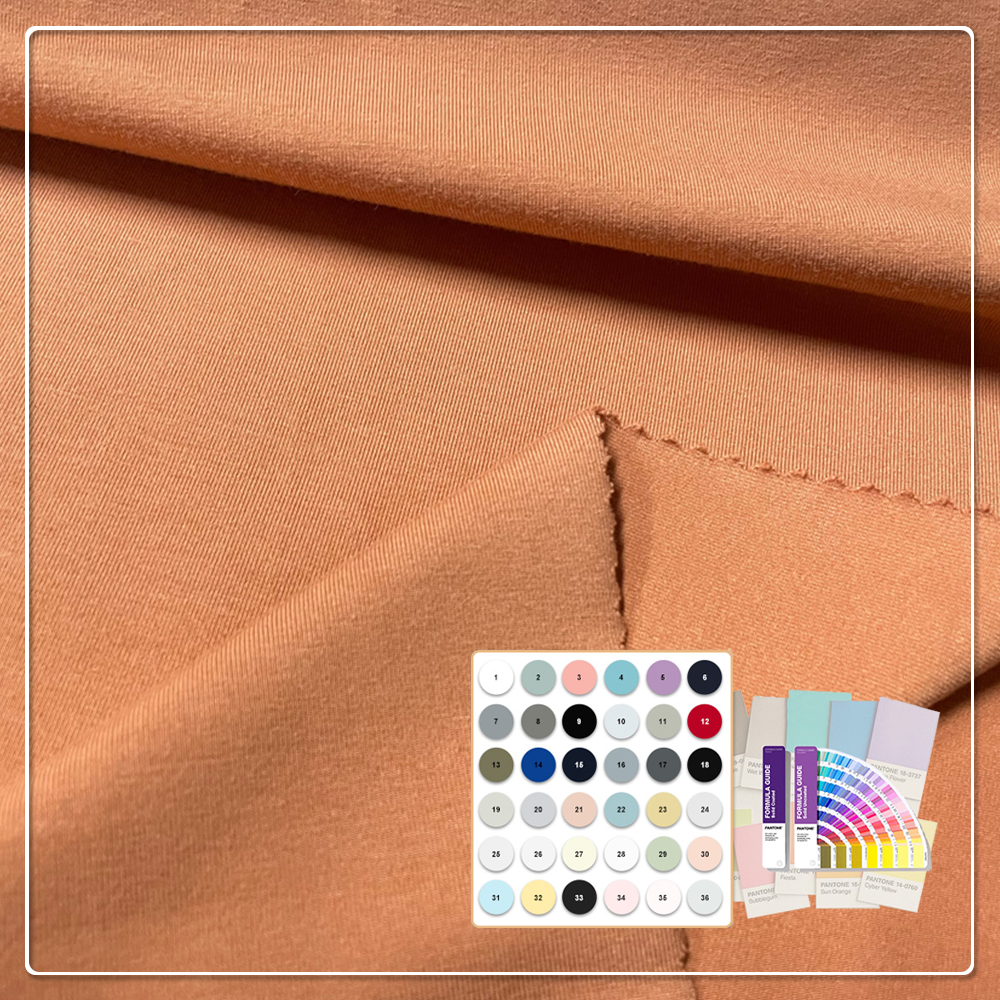
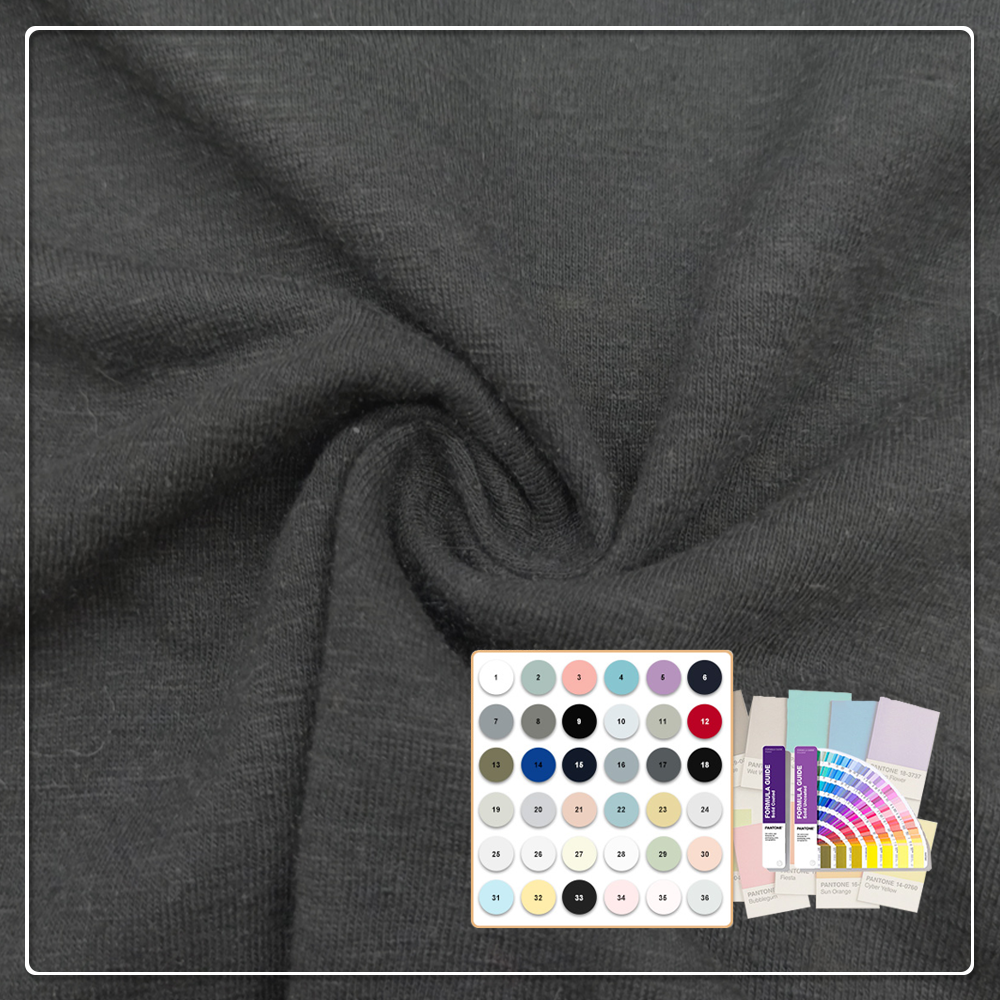
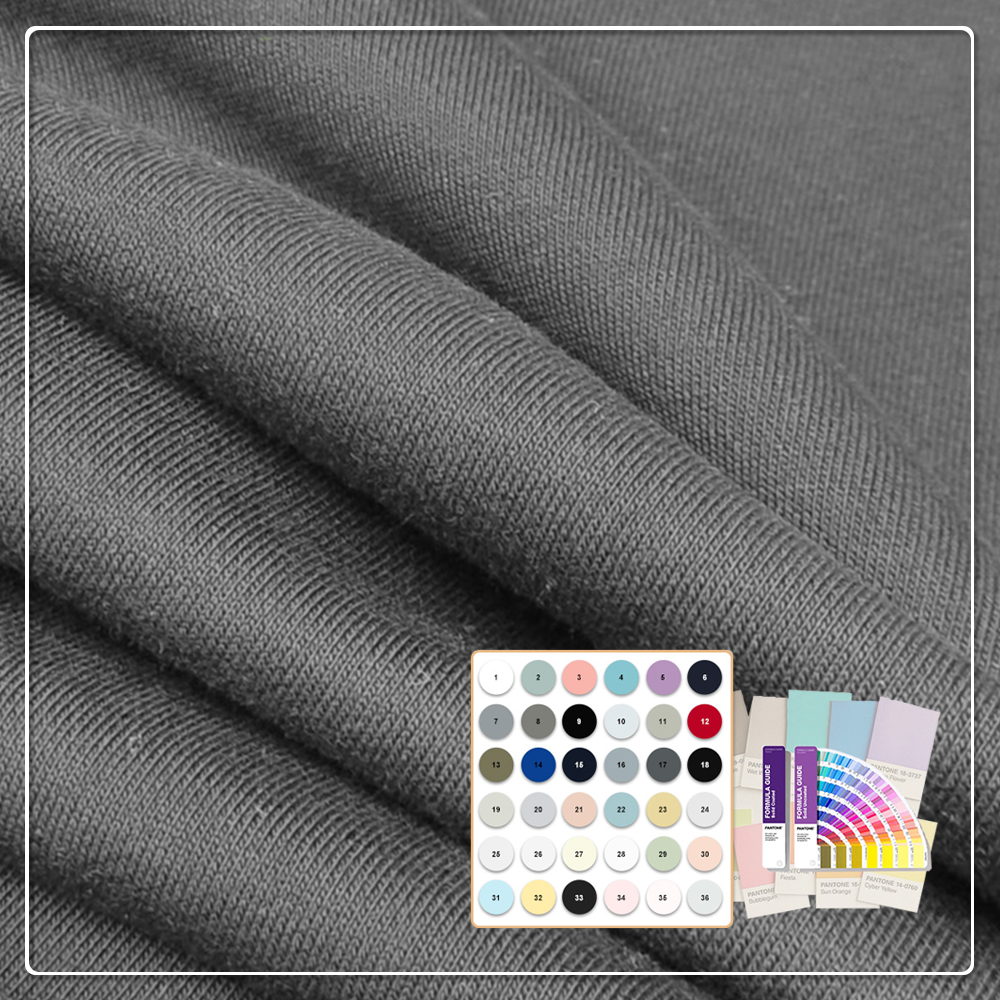
Key Specifications for Cotton and Hemp Fabrics

Get a Free Quote

Our representative will contact you soon.
Email
Name
Mobile/WhatsApp
Company Name
Message
0/1000

Cotton and hemp fabric

Cotton and hemp fabric are gaining popularity in various industries due to their eco-friendliness and versatility. As a B2B buyer, understanding the specifications, quality evaluation, sourcing, and applications of these materials is crucial to making informed purchasing decisions. This article will guide you through essential considerations when dealing with cotton and hemp fabrics, helping you navigate your procurement process effectively.  

Our Products

How to Evaluate the Quality of Cotton and Hemp Textiles for Projects

Quality evaluation of cotton and hemp textiles is crucial for ensuring they meet project specifications. Here are some steps to consider: 

Request Samples: Before making a bulk purchase, request fabric samples to assess the quality firsthand. Examine them for softness, texture, and durability. Pay attention to how the fabric feels against the skin, especially for apparel applications. 

Perform Wash Tests: Wash samples under typical conditions to evaluate color fastness and shrinkage. bamboo lyocell manufacturer practical test provides insights into how the fabric will perform over time. 

Check for Defects: Inspect the fabric for any defects such as uneven dyeing, holes, or weak seams. A thorough inspection helps avoid issues that may arise during production.  

Consult Quality Control Documentation: Reliable suppliers often provide quality control reports that detail the testing methods used on their fabrics. Review these documents to confirm that the fabrics meet your quality standards. 

Assess Manufacturer Reputation: Research the manufacturer’s history and customer reviews. A supplier with a strong reputation for quality and reliability can give buyers added confidence in their purchasing decisions. 

By following these evaluation steps, buyers can effectively assess the quality of cotton and hemp textiles before committing to larger orders. 
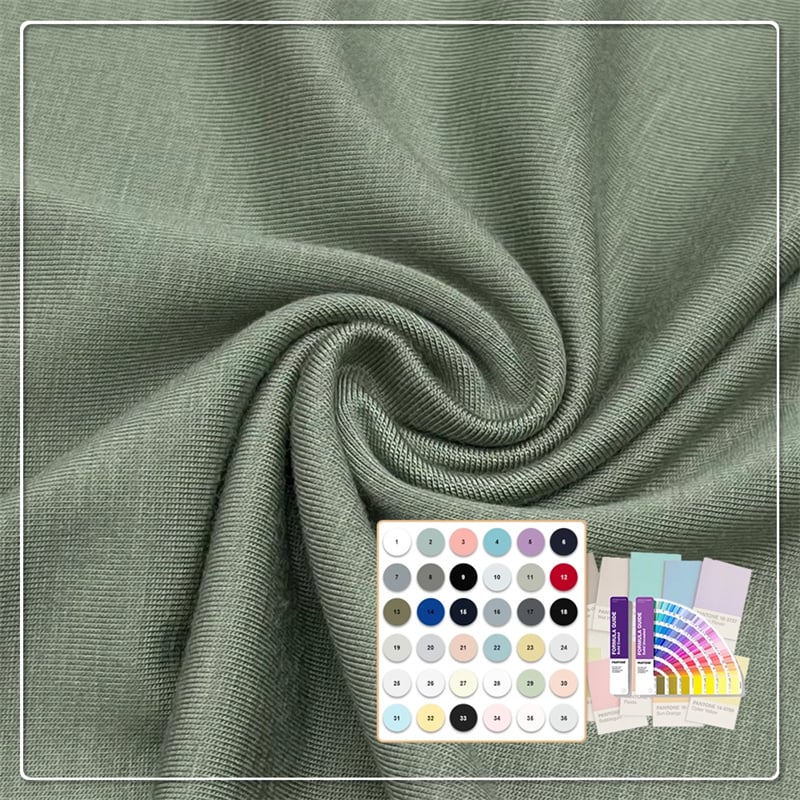
Where to Source Reliable Cotton and Hemp Fabric Suppliers

Finding reliable suppliers for cotton and hemp fabrics requires careful consideration and research: 

Industry Directories: Use reputable industry directories or platforms like Alibaba, ThomasNet, or Maker's Row to find manufacturers specializing in cotton and hemp textiles. Filter results based on certifications and customer reviews. 

Trade Shows: Attending textile trade shows provides opportunities to meet suppliers face-to-face. Events such as the International Textile Fair or Texworld allow buyers to see products firsthand and discuss specifications directly. 

Referrals and Recommendations: Networking within the industry can lead to valuable referrals. Reach out to colleagues, business partners, or industry associations for recommendations on reliable fabric suppliers. 

Request Quotes and Compare: Once potential suppliers are identified, request quotes that detail pricing, minimum order quantities (MOQ), lead times, and customization options. Comparing these factors can help buyers select the best supplier for their needs. 

Verify Certifications: Ensure that potential suppliers possess the necessary certifications, such as GOTS or OEKO-TEX, which indicate compliance with environmental and safety standards. 

By sourcing from verified suppliers, buyers can mitigate risks and ensure consistent quality in their cotton and hemp fabric purchases. 

Common Installation Issues with Cotton and Hemp Fabrics and Solutions

When working with cotton and hemp fabrics, buyers may encounter several common installation issues: 

Fabric Stretching: Cotton and hemp fabrics can stretch during installation, particularly if they are not properly tensioned. To address bamboo viscose fabric manufacturer, ensure that the fabric is pre-shrunk or stabilized before installation to prevent excessive stretching. 

Seam Integrity: When sewing cotton and hemp fabrics, seam integrity can be compromised if incorrect thread types or sewing techniques are used. Use high-quality, compatible threads and test seams before mass production to ensure durability.  

Color Matching: Variations in dye lots can lead to discrepancies in color when fabrics are sourced at different times. To avoid this issue, always order sufficient quantities in one batch and request swatches for color approval prior to mass production. 

Finishing Issues: Some fabrics may require special finishes to enhance their durability or appearance. Discuss finishing options with your supplier to ensure that the fabric performs as expected in its intended application. 

By recognizing these issues and implementing proactive solutions, buyers can improve the installation process and reduce the likelihood of complications. 

Applications of Cotton and Hemp Fabrics in Various Industries

Cotton and hemp fabrics serve a wide range of applications across multiple industries: 

Apparel: Lightweight cotton and hemp fabrics are commonly used in clothing due to their breathability and comfort. Eco-conscious brands often favor these materials for sustainable fashion lines. 

Home Textiles: These fabrics are popular for home furnishings, including curtains, cushion covers, and bed linens, owing to their softness and natural aesthetics. 

Automotive: Cotton and hemp blends can be utilized in automotive interiors, offering a sustainable alternative to synthetic materials. Their durability and comfort enhance the overall passenger experience. 

Industrial Uses: In sectors like agriculture and construction, cotton and hemp fabrics can be utilized for tarps, bags, and protective equipment due to their strength and resilience. 

Medical Textiles: With their hypoallergenic properties, cotton and hemp fabrics are increasingly used in medical applications, such as bandages and hospital linens, promoting patient comfort and safety. 

Understanding these applications can help buyers identify the right fabric solutions for their specific needs and industries. 

Key Specifications to Consider When Purchasing Cotton and Hemp Fabrics

When evaluating cotton and hemp fabrics, several key specifications should be taken into account: 

Material Composition: Cotton and hemp fabrics vary in composition, with blends often enhancing durability, comfort, and environmental impact. Understanding the ratio of cotton to hemp can influence the fabric's softness, breathability, and strength. 

Weight and Thickness: Fabric weight is measured in grams per square meter (GSM). Heavier fabrics (e. g., 300 GSM and above) are typically more durable and suitable for applications like upholstery, while lighter fabrics (e. g., 150-200 GSM) are better for clothing. Buyers need to match fabric weight with the intended application. 

Color Fastness: This specification indicates how well a fabric retains its color when exposed to washing, light, and abrasion. A color fastness rating of level 4-5 is ideal for most applications, ensuring that colors remain vibrant even after repeated use. 

Shrinkage: Fabrics can shrink after washing. Buyers should look for materials with a shrinkage rate below 5% to avoid issues during production and use. 

Certifications: Look for certifications such as OEKO-TEX, GOTS, and OCS, which indicate adherence to environmental and social standards. bamboo textile manufacturers certifications can assure buyers of the fabric's quality and ecological impact. 

By considering these specifications, purchasing managers can ensure they select cotton and hemp fabrics that meet their project requirements. 

Our Blog Posts

Sourcing Bamboo Fabric: From Ancient Groves to Modern Comfort

14

Jul

Sourcing Bamboo Fabric: From Ancient Groves to Modern Comfort

Bamboo. A simple word. Yet, it carries millennia of human ingenuity and a silent revolution in modern textiles. It's not just the stuff of panda diets or serene Asian paintings. Bamboo is a story of survival, adaptability, and enduring utility. From ...
View More
How Tencel Lyocell Improves Breathability in Modern Textile Applications

29

May

How Tencel Lyocell Improves Breathability in Modern Textile Applications

Today, breathability is not merely a perk in fabric, but a standard and expected characteristic for consumers wearing sportswear, loungewear, and general apparel. A breathable fabric allows the body to remain cool, dry, and comfortable...
View More
How Tencel Modal Fabric Enhances Softness in Everyday Apparel

29

May

How Tencel Modal Fabric Enhances Softness in Everyday Apparel

Everyday clothing is defined by the comfort it provides during daily wear. A soft feeling against the skin is not just desired but necessity,from dawn to dusk. Say goodbye to scratchy,uncomfortable clothes in your e...
View More
The Growing Demand for Tencel Modal in Global Knit Fabric Markets

29

May

The Growing Demand for Tencel Modal in Global Knit Fabric Markets

Consumers,brands,and retailers are moving away from conventional fibers toward fibers which offer both performance and sustainability. Of many options,the growth in demand for Tencel Modal has been particularly strong. Shaoxing City Ohyeah Texti...
View More

Get a Free Quote

Our representative will contact you soon.
Email
Name
Mobile/WhatsApp
Company Name
Message
0/1000

Get a Free Quote

Our representative will contact you soon.
Email
Name
Mobile/WhatsApp
Company Name
Message
0/1000