EN
Cotton Lyocell is a sustainable fabric derived from natural cellulose fibers, primarily sourced from wood pulp, which is processed using an environmentally friendly method. As the demand for eco-friendly textiles increases, B2B buyers—including purchasing managers and product managers—are becoming more concerned about material sourcing, production processes, and overall sustainability. This article will provide crucial insights into cotton Lyocell, addressing buyer concerns regarding quality, cost, application, and advantages in sustainable manufacturing

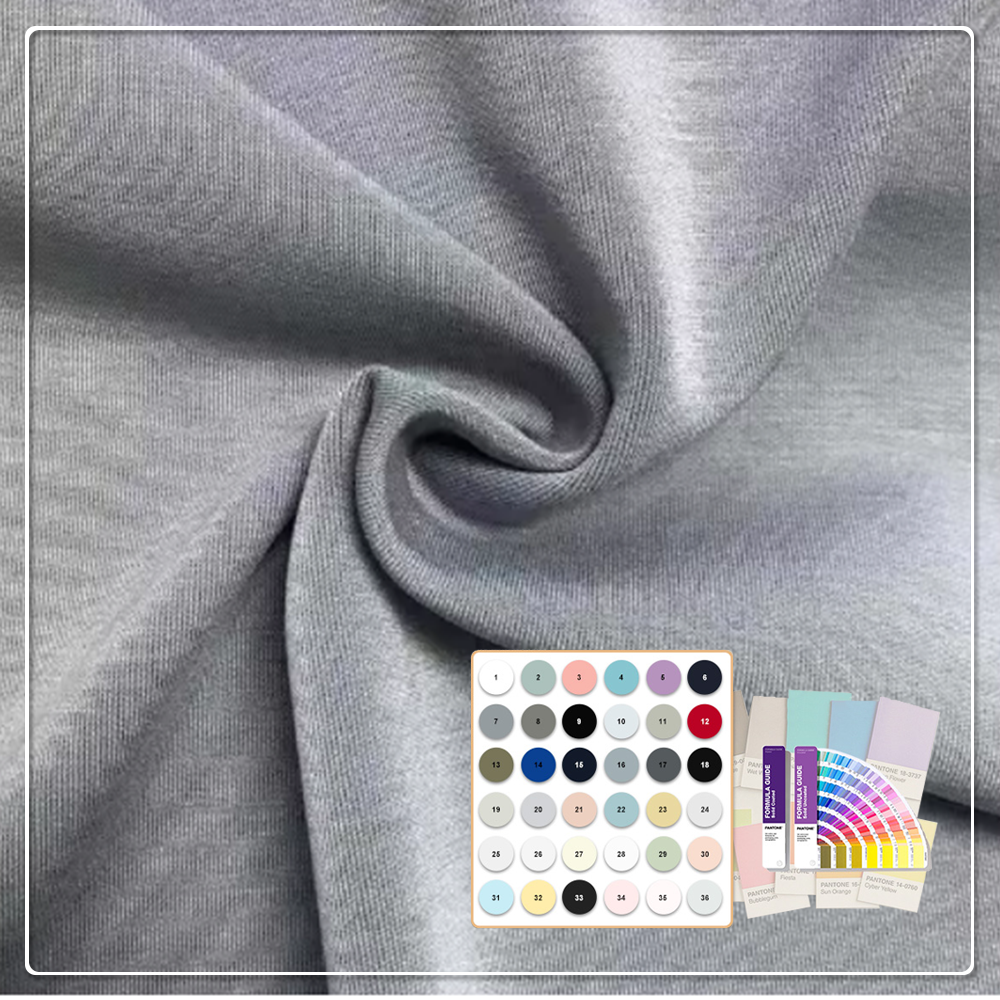







Comparing Cotton Lyocell with Other Eco-Friendly Fabrics
When comparing cotton Lyocell to other eco-friendly fabrics such as organic cotton, bamboo, and recycled polyester, several distinctions emerge
Cotton Lyocell is often favored for its superior moisture management and softness compared to standard organic cotton. While organic cotton is grown without harmful pesticides, cotton Lyocell’s production process utilizes a closed-loop system that recycles water and solvents, minimizing environmental impact
Bamboo fabrics are known for their antibacterial properties and natural softness, but they may not have the same level of durability as cotton Lyocell. Furthermore, the processing of bamboo often involves chemicals that some manufacturers and consumers may wish to avoid
Recycled polyester is another sustainable option, particularly in terms of waste reduction. However, cotton Lyocell is biodegradable and offers a more luxurious feel, making it an attractive choice for high-end applications
Ultimately, the selection between these fabrics should depend on the specific application requirements, desired performance characteristics, and sustainability goals of the buyer