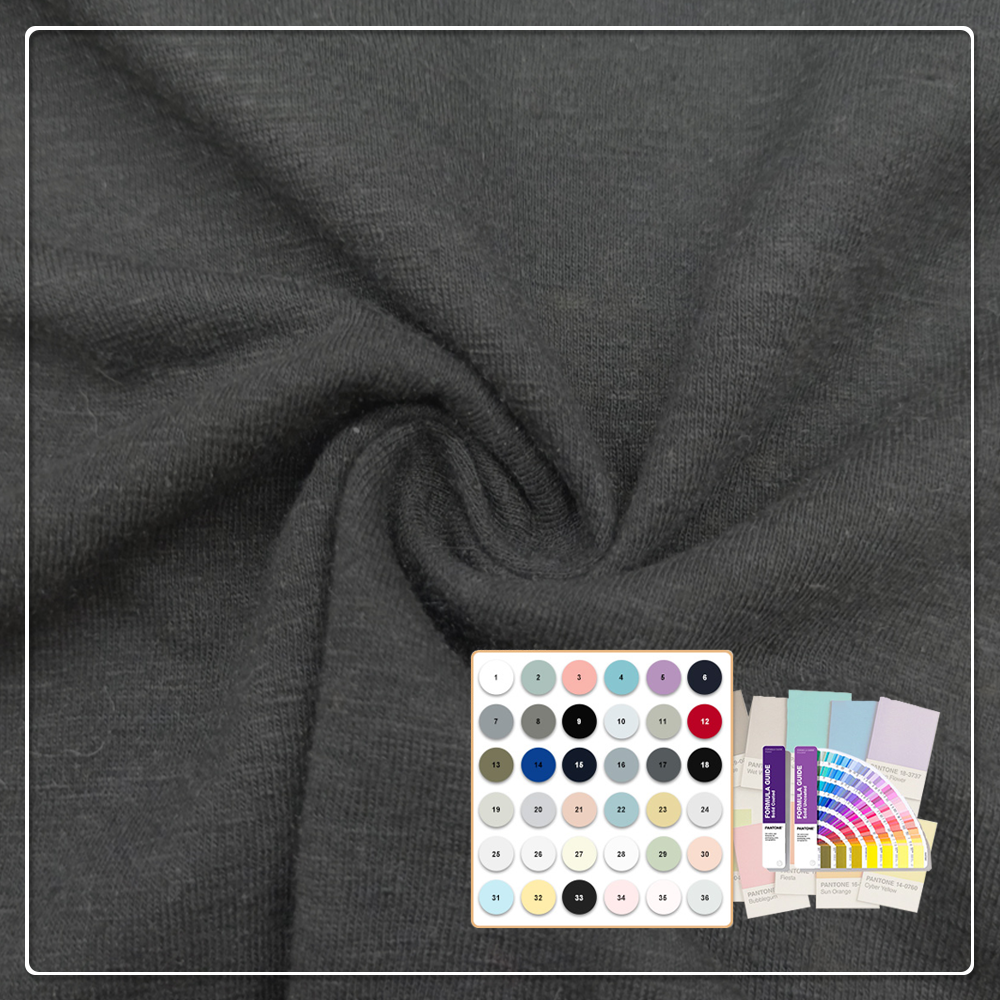
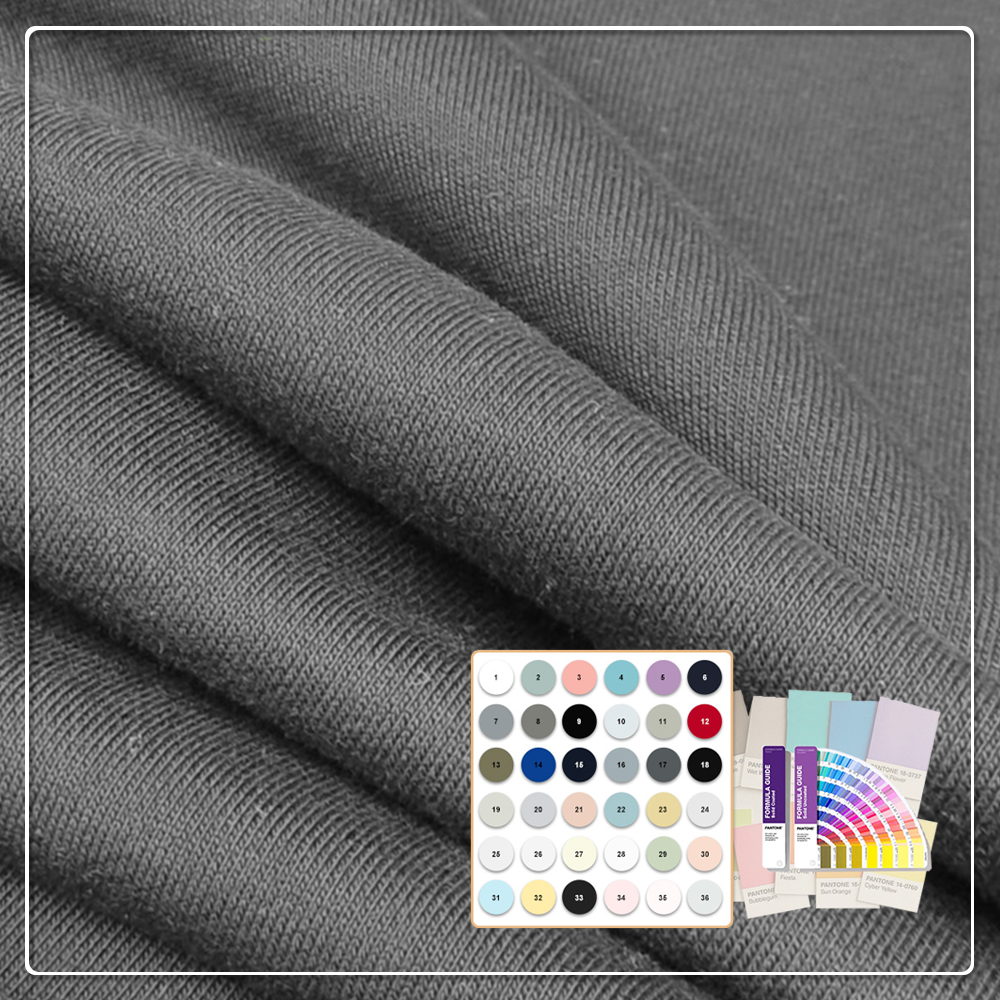
Cotton on Sustainability: Key Considerations for Buyers

Get a Free Quote

Our representative will contact you soon.
Email
Name
Mobile/WhatsApp
Company Name
Message
0/1000

Cotton on sustainability

Sustainable cotton fabrics have gained significant attention in the textile industry as buyers increasingly prioritize eco-friendly options. This sustainable cotton fabrics explores the various advantages of sustainable cotton, providing critical insights tailored for purchasing managers, distributors, and other B2B professionals responsible for sourcing materials. By understanding the benefits, sourcing channels, cost considerations, installation guidance, and essential buyer knowledge, you can make well-informed decisions in your procurement process. 

Our Products

Where to Source Reliable Suppliers for Sustainable Cotton Materials

Finding trustworthy suppliers for sustainable cotton fabrics is crucial for ensuring product quality and consistency. Start by seeking manufacturers with recognized certifications such as OEKO-TEX, GOTS, OCS, and GRS. These eco-friendly cotton validate the environmental claims made by suppliers and ensure that the materials adhere to strict ecological standards. 

A well-established supplier like Shaoxing City Ohyeah Textile Co., Ltd. specializes in eco-friendly knitted fabrics and has a proven track record in quality control. With over 100 circular knitting machines and a monthly output of 200 tons, they can meet varying demands while ensuring sustainability. 

Engaging in industry trade shows and networking events can also provide valuable contacts in the sustainable textiles sector. Additionally, online platforms and directories focused on sustainable manufacturing can be excellent resources for identifying potential suppliers. Always request samples to assess the fabric's quality before committing to larger orders. 
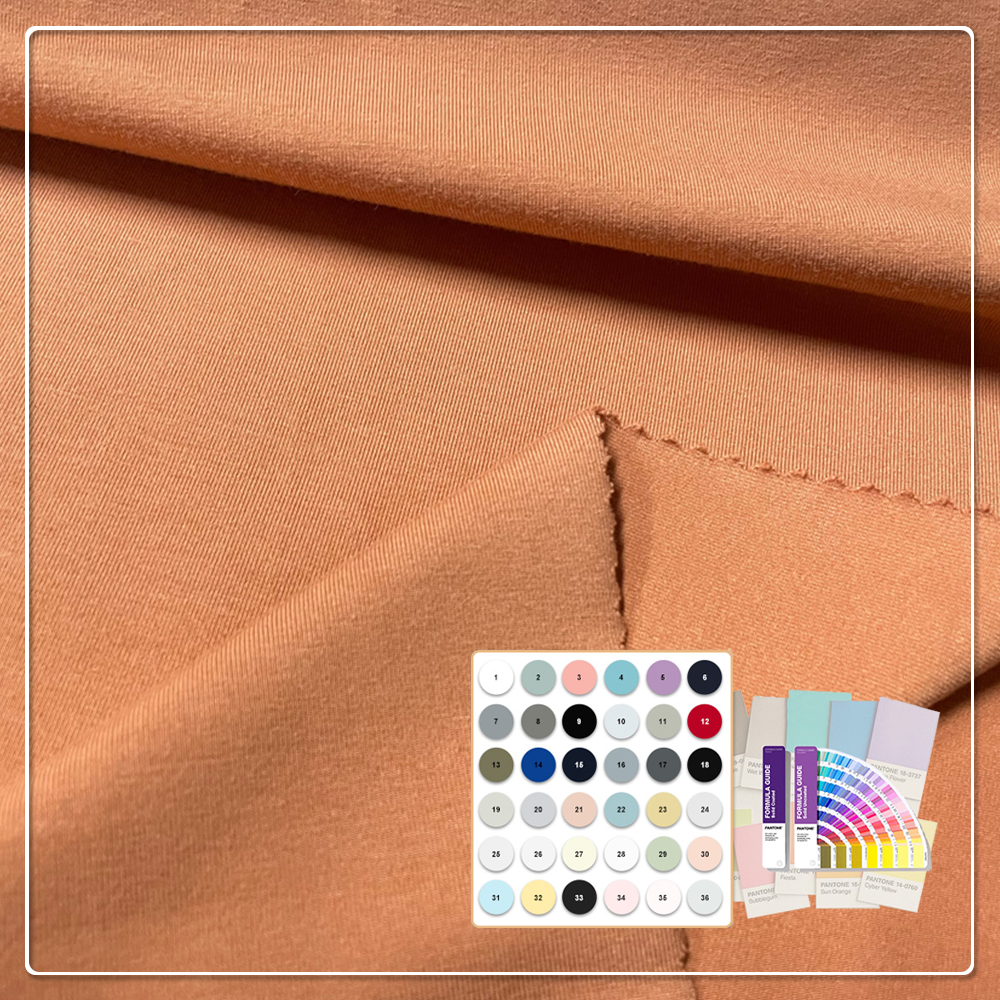
Cost Factors to Consider When Purchasing Sustainable Cotton Fabrics

Pricing for sustainable cotton fabrics can vary significantly based on several factors. Generally, sustainable materials may carry a higher initial cost compared to conventional cotton due to the farming practices and certifications involved. However, it's essential to consider the long-term value, such as durability and reduced replacement costs, which can offset the higher upfront investment. 

When evaluating costs, consider the following: 

Material Specifications: Higher-quality sustainable fabrics may cost more but provide better performance, reducing overall costs in the long run. 

Minimum Order Quantities (MOQ): Suppliers may have different MOQs; understanding this can help in managing budgets and stock levels effectively. 

Lead Times: Depending on the supplier's production capacity and order size, lead times can impact overall costs. Longer lead times may incur additional storage costs. 

Customization Options: Custom designs or colors may increase costs, so clearly define your needs to avoid unexpected expenses. 

Being aware of these cost factors will aid in budget management and help in negotiations with suppliers. 

Installation Guidance for Sustainable Cotton Fabrics in Various Projects

When working with sustainable cotton fabrics, proper installation is essential to maximize their performance and lifespan. Here are key considerations for different applications: 

Garment Production: Ensure that your patterns accommodate the shrinkage rates typical of sustainable cotton. Pre-washing the fabric can help mitigate shrinkage issues during the end-user experience. 

Interior Design: For upholstery or curtains, consider the fabric weight and drape. Sustainable cotton fabrics may behave differently than synthetic options, so testing the fabric in your specific context is advisable. 

Technical Applications: If used in technical textiles, verify compatibility with the intended application, including any environmental viscose made from bamboo such as exposure to moisture or chemicals. 

Quality Control: Conduct thorough inspections of samples during the installation process to ensure that the fabric meets your specifications and quality standards. 

Understanding the unique characteristics of sustainable cotton will help you avoid common installation pitfalls and ensure successful project outcomes. 

What Buyers Should Know

As you navigate the procurement of sustainable cotton fabrics, it is essential to keep several critical factors in mind: 

Sample Approval: Always request and test samples before committing to bulk orders. cotton sustainability allows you to assess the fabric's quality, appearance, and performance under actual operating conditions. 

Specification Confirmation: Verify important specifications such as weight, density, and color fastness to ensure that the fabric meets the requirements of your specific application. 

Supplier Evaluation: Assess potential suppliers based on their certifications, production capabilities, and previous customer experiences. viscose from bamboo fabric can provide insights into their reliability and quality control processes. 

Logistics and Packaging: Inquire about packaging methods and shipping logistics to prevent damage during transit and ensure that the fabric arrives in perfect condition. 

By understanding these factors, you can make more informed decisions and establish a reliable supply chain for sustainable cotton fabrics. 

Understanding the Advantages of Sustainable Cotton Fabrics for Buyers

Sustainable cotton fabrics, such as those made from organic cotton, bamboo, and recycled polyester, offer numerous benefits that align with contemporary environmental standards. These fabrics are cultivated without harmful pesticides or synthetic fertilizers, reducing the ecological footprint associated with traditional cotton farming. For buyers, this 100 viscose made from bamboo into a product that not only meets consumer demand for eco-friendly materials but also enhances brand reputation. 

One of the key advantages of sustainable cotton is its superior quality. The organic cotton are often longer and stronger, leading to enhanced durability and comfort in the final product. Additionally, sustainable cotton typically undergoes rigorous quality control processes, which can result in higher color fastness—often rated at levels 4-5—and reduced shrinkage, usually below 5%. This is particularly important for brands looking to maintain product integrity and customer satisfaction. 

Moreover, sourcing sustainable cotton can be a selling point in marketing campaigns, appealing to environmentally-conscious consumers. As more companies commit to sustainability, having a reliable supply of eco-friendly fabrics can give your brand a competitive edge.  

Our Blog Posts

How Tencel Lyocell Improves Breathability in Modern Textile Applications

29

May

How Tencel Lyocell Improves Breathability in Modern Textile Applications

Today, breathability is not merely a perk in fabric, but a standard and expected characteristic for consumers wearing sportswear, loungewear, and general apparel. A breathable fabric allows the body to remain cool, dry, and comfortable...
View More
How Tencel Modal Fabric Enhances Softness in Everyday Apparel

29

May

How Tencel Modal Fabric Enhances Softness in Everyday Apparel

Everyday clothing is defined by the comfort it provides during daily wear. A soft feeling against the skin is not just desired but necessity,from dawn to dusk. Say goodbye to scratchy,uncomfortable clothes in your e...
View More
The Growing Demand for Tencel Modal in Global Knit Fabric Markets

29

May

The Growing Demand for Tencel Modal in Global Knit Fabric Markets

Consumers,brands,and retailers are moving away from conventional fibers toward fibers which offer both performance and sustainability. Of many options,the growth in demand for Tencel Modal has been particularly strong. Shaoxing City Ohyeah Texti...
View More
Why Tencel Lyocell Meets the Needs of Eco-Conscious Apparel Brands

29

May

Why Tencel Lyocell Meets the Needs of Eco-Conscious Apparel Brands

Making sustainable clothing is no small feat. Eco-friendly brands need materials that are truly sustainable while still delivering comfort, quality, and performance. Lots of 'green' materials have one or more major weaknesses that are overlooked or m...
View More

Get a Free Quote

Our representative will contact you soon.
Email
Name
Mobile/WhatsApp
Company Name
Message
0/1000

Get a Free Quote

Our representative will contact you soon.
Email
Name
Mobile/WhatsApp
Company Name
Message
0/1000