 EN
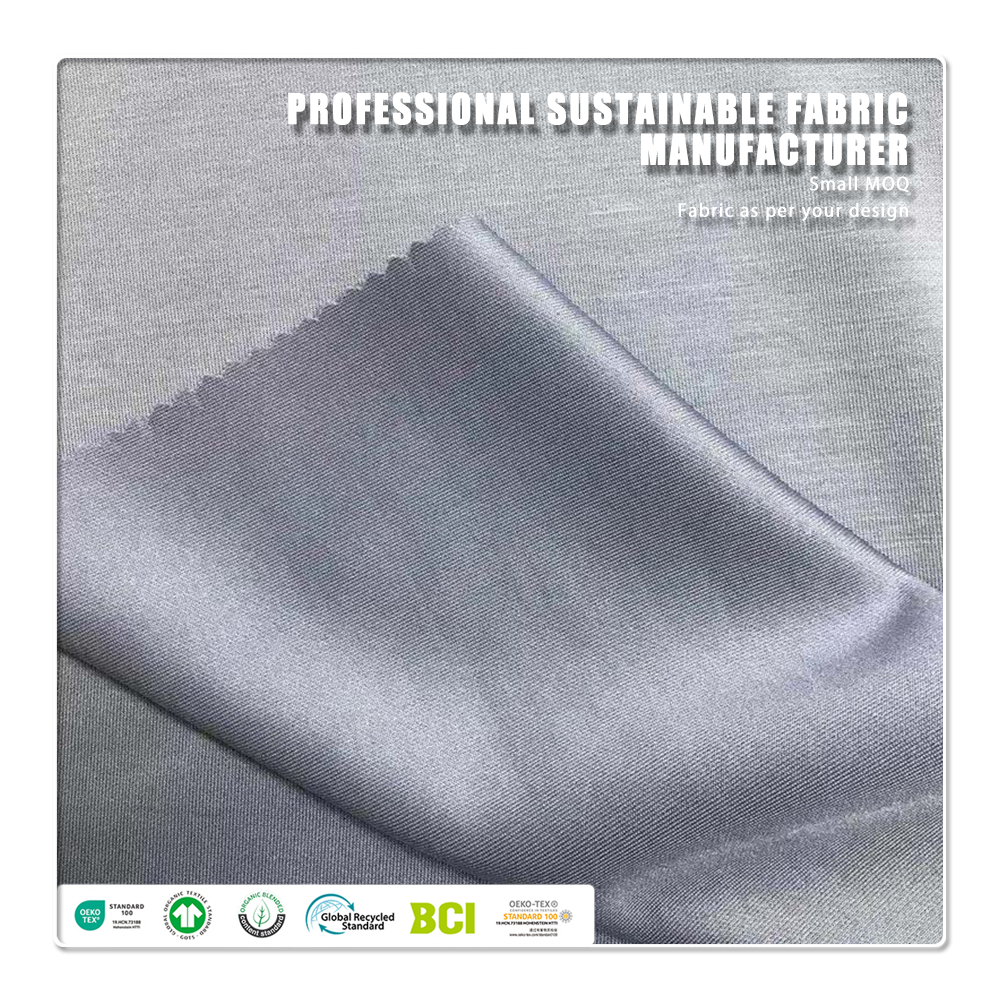
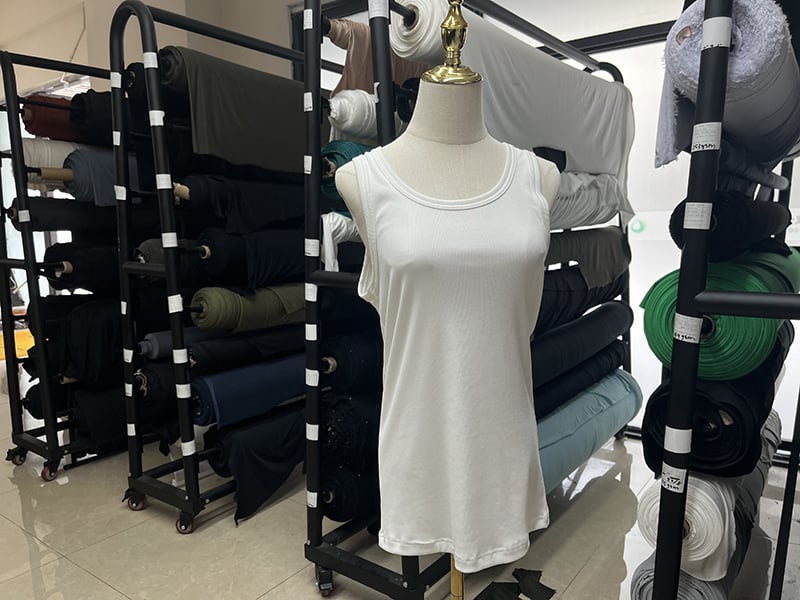
Sustainable cotton is increasingly becoming a focal point for B2B buyers seeking eco-friendly materials. As companies prioritize sustainability in their sourcing strategies, understanding cotton sustainability is essential for purchasing managers, distributors, and product managers. This sustainable cotton article will address critical considerations in selecting sustainable cotton products, including quality evaluation, specifications, common sourcing challenges, and installation guidance for eco-friendly cotton fabrics. Buyers should also assess certifications, farming practices, production processes, and supplier transparency to ensure responsible sourcing. Evaluating durability, fiber quality, environmental impact, and long-term costs can help businesses make informed purchasing decisions while meeting customer expectations and sustainability goals. Additionally, buyers should compare suppliers carefully, verify material origins, review production standards, and consider packaging practices to support consistent quality, regulatory compliance, and environmentally responsible procurement across their supply chains.

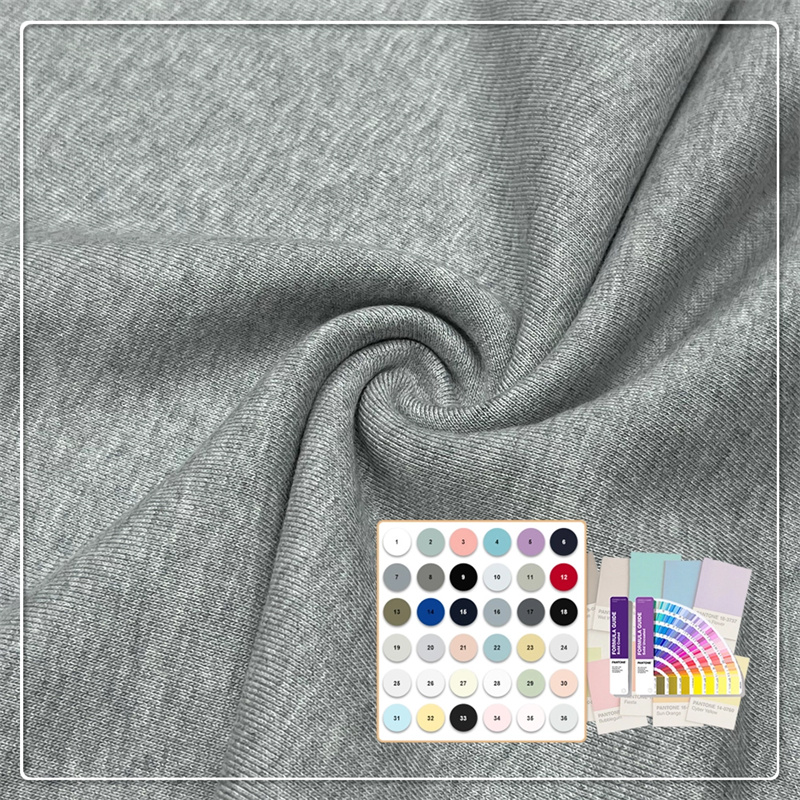

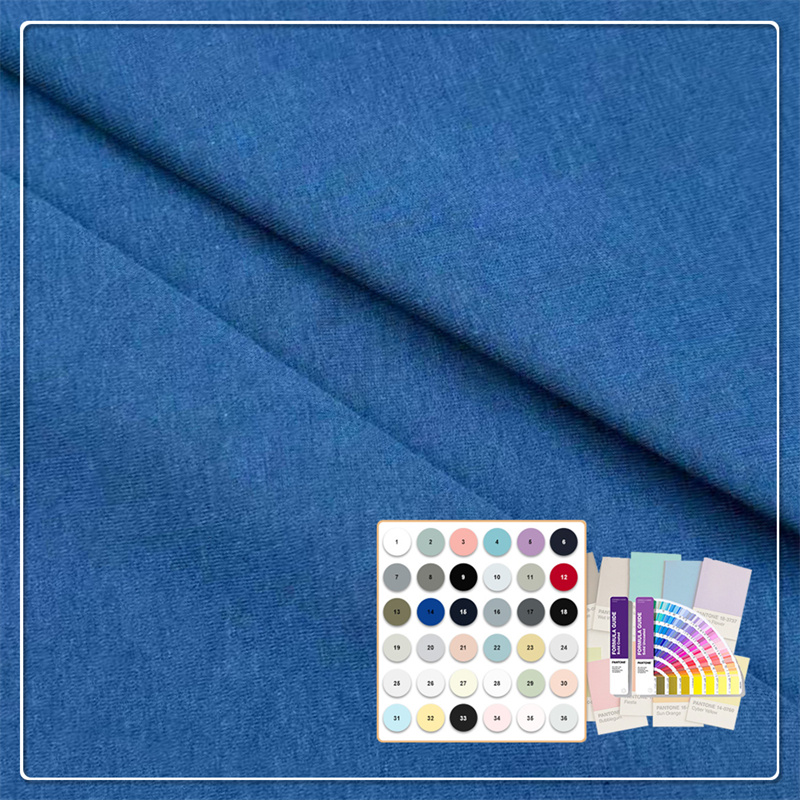
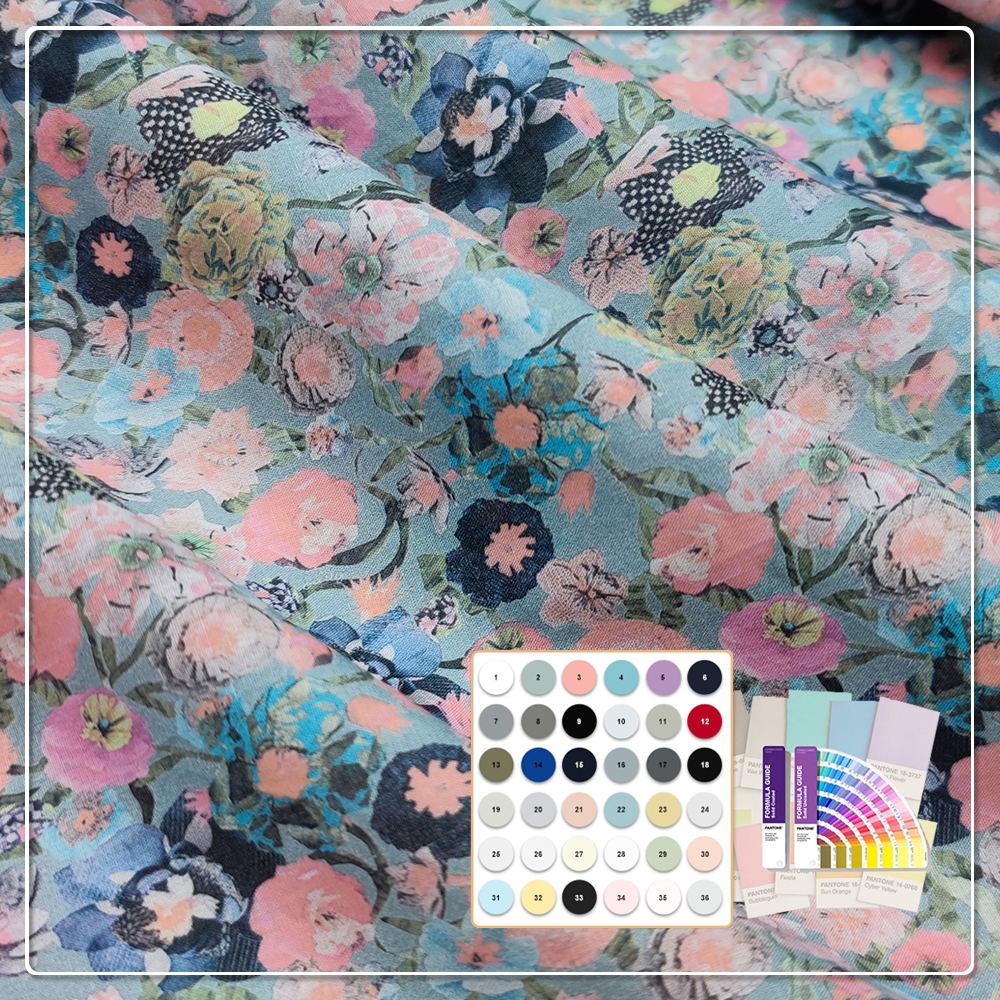

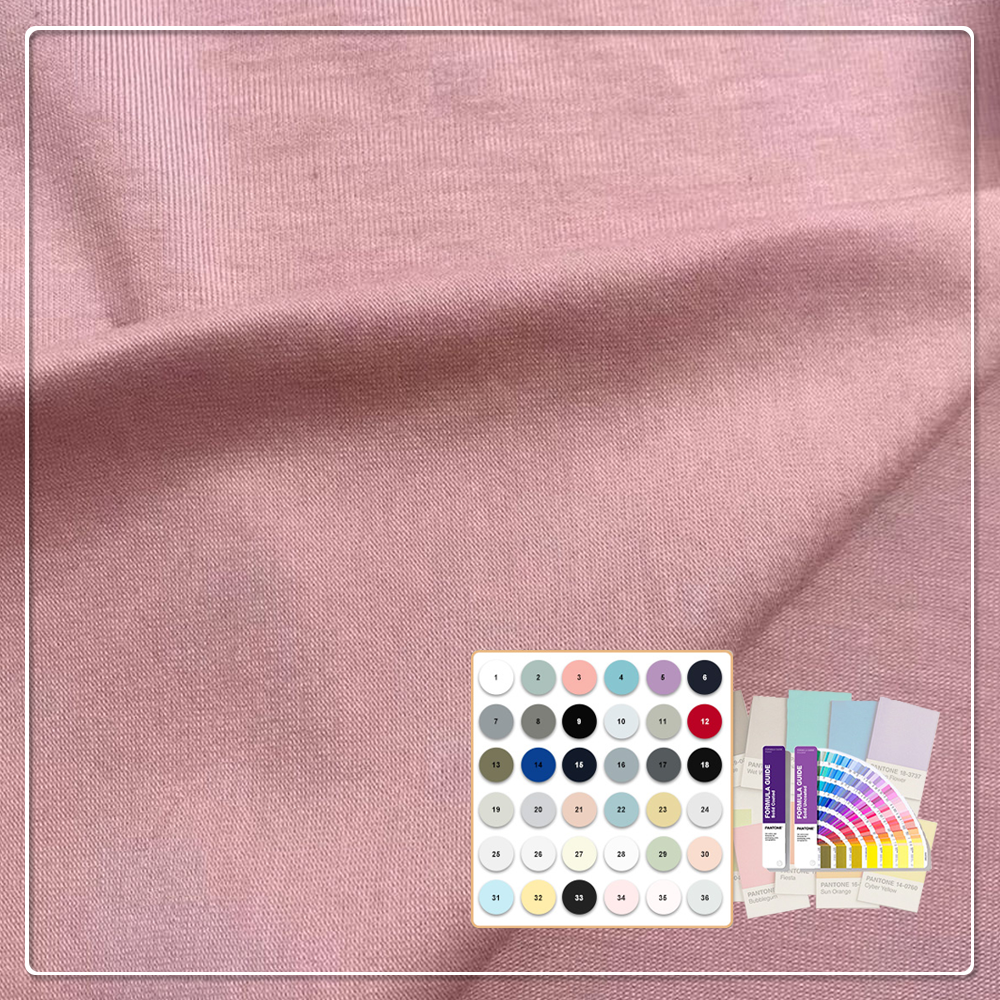


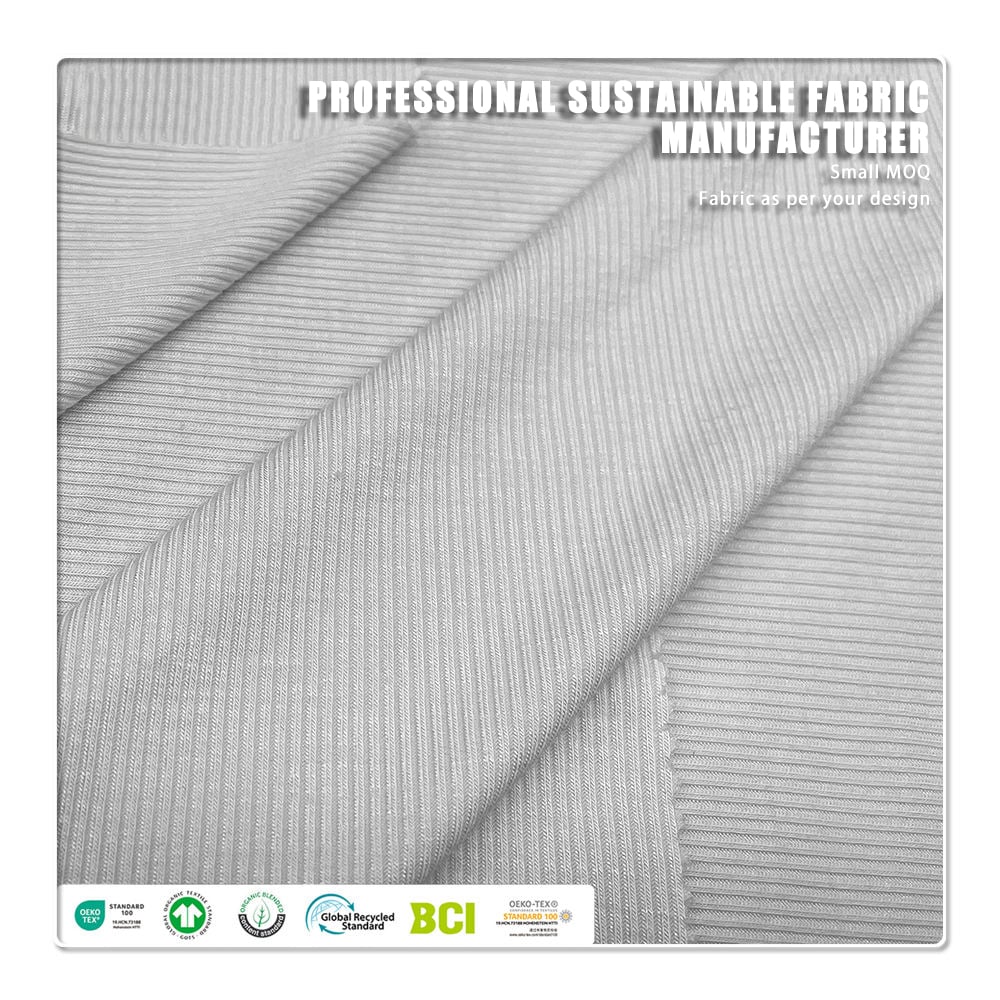
How to Evaluate the Quality of Sustainable Cotton Products
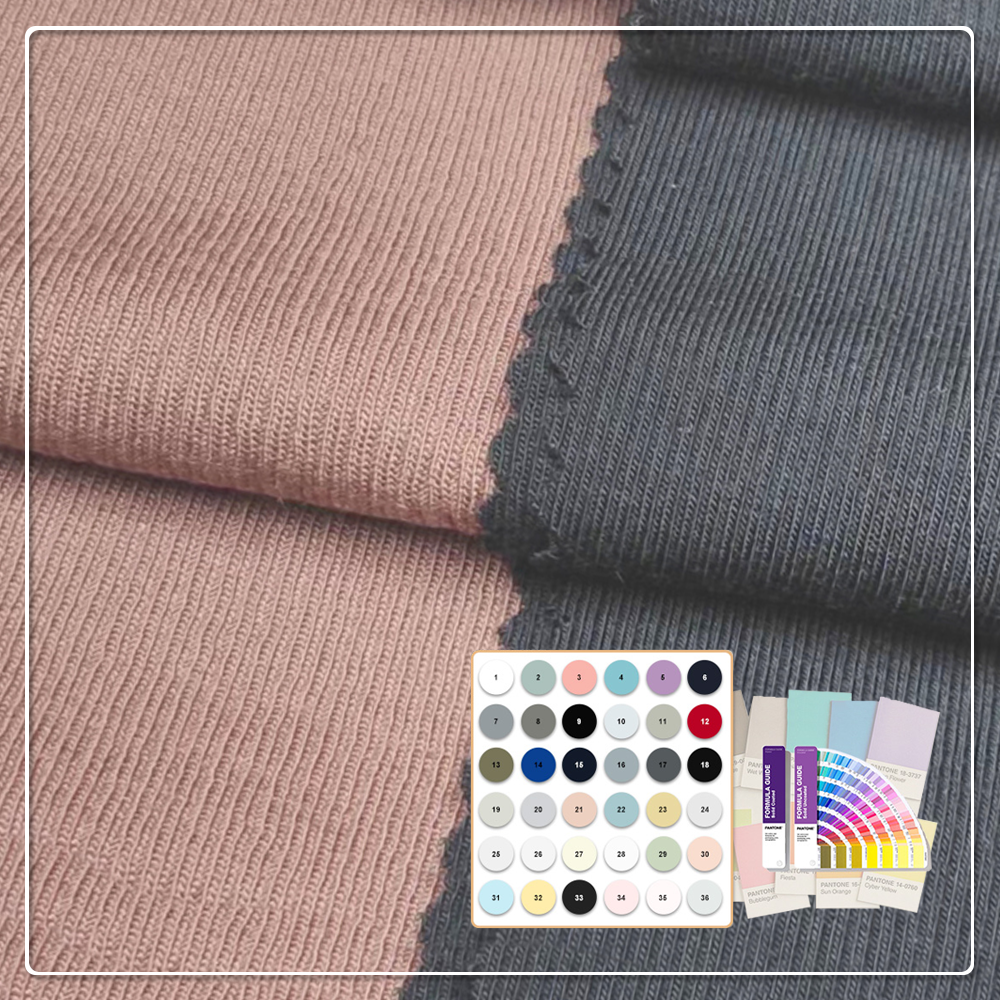
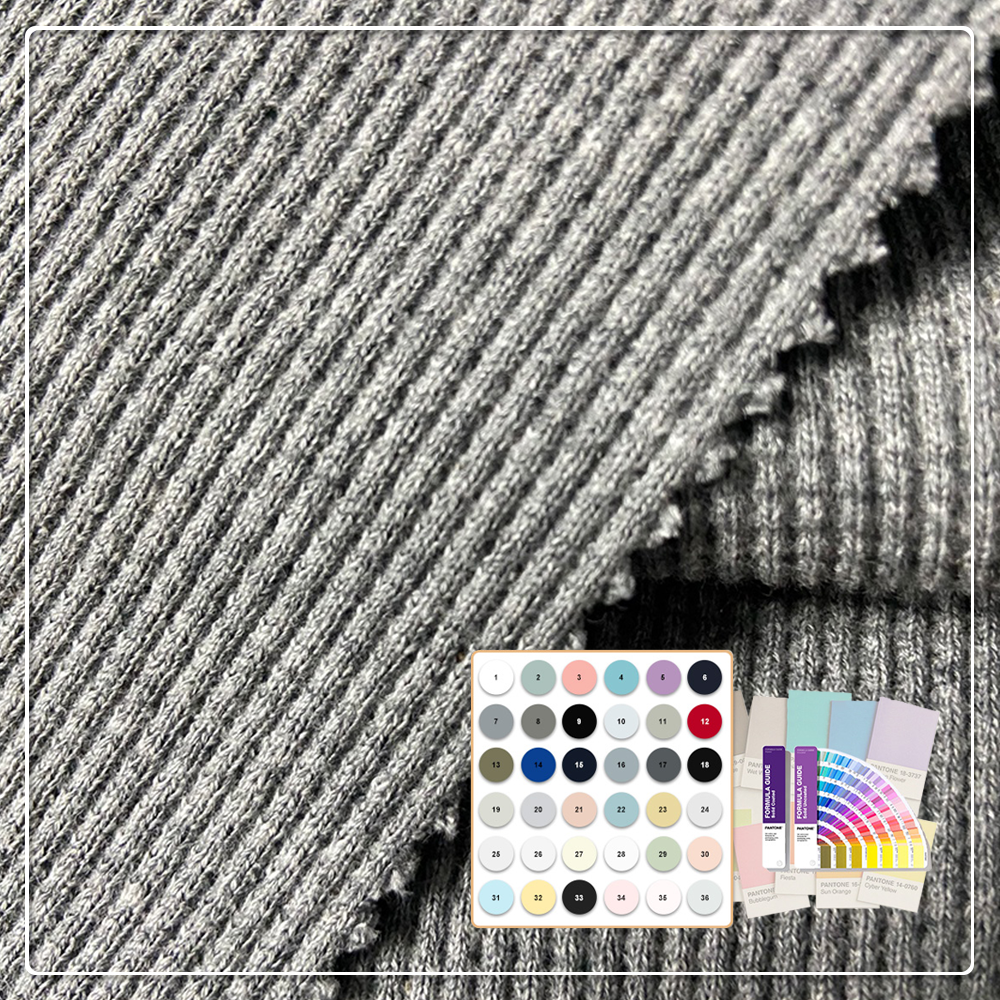
Evaluating the quality of sustainable cotton products involves examining several key specifications. First, consider the material's fiber quality, which impacts the fabric's durability and comfort. Look for cotton that meets a color fastness level of 4-5, as this indicates resistance to fading during washing and exposure to sunlight.
Next, assess shrinkage levels. Sustainable viscose from bamboo cotton should ideally have a shrinkage rate below 5% to ensure that products maintain their shape and fit after washing. Additionally, it's important to evaluate the fabric's weight and thickness, as these factors influence its suitability for sustainable cotton various applications, from clothing to home textiles. Lastly, request samples for testing before committing to larger orders. This allows buyers to evaluate the fabric's performance in real-world conditions, ensuring that it meets the necessary quality standards.