Sourcing Double Knit Jersey Fabric for Your Projects

Get a Free Quote

Our representative will contact you soon.
Email
Name
Mobile/WhatsApp
Company Name
Message
0/1000

double knit jersey fabric

Double knit jersey fabric is a versatile and durable textile widely used in various applications, including apparel, activewear, and home textiles. When sourcing this fabric wholesale, B2B buyers, such as purchasing managers and product developers, often have concerns about quality, sustainability, and customization options. This article aims to guide you through the key considerations for sourcing, evaluating, and utilizing double knit jersey fabric, ensuring that you make informed purchasing decisions that meet your project requirements.

How to Evaluate the Quality of Double Knit Jersey Fabric for Projects

Evaluating the quality of double knit jersey fabric is crucial for ensuring it meets your specifications. Start by examining the fabric's weight and thickness, which can influence its durability and comfort. Typically measured in grams per square meter (GSM), the fabric's weight should align with your intended application—lighter fabrics are suitable for garments, while heavier ones may be ideal for home textiles.

Next, check the color fastness, which refers to the fabric's ability to retain color when subjected to washing or sunlight. A color fastness rating of level 4-5 is generally considered acceptable for most applications. Additionally, inspect the shrinkage rate, ensuring it remains below 5% to avoid fit issues after washing. Finally, request samples before placing a bulk order. Testing samples under actual usage conditions allows you to assess their performance and appearance, helping prevent costly mistakes later on.
Key Specifications for Double Knit Jersey Fabric in Bulk Orders

When ordering double knit jersey fabric in bulk, it’s essential to specify the following key parameters to ensure the material meets your requirements:

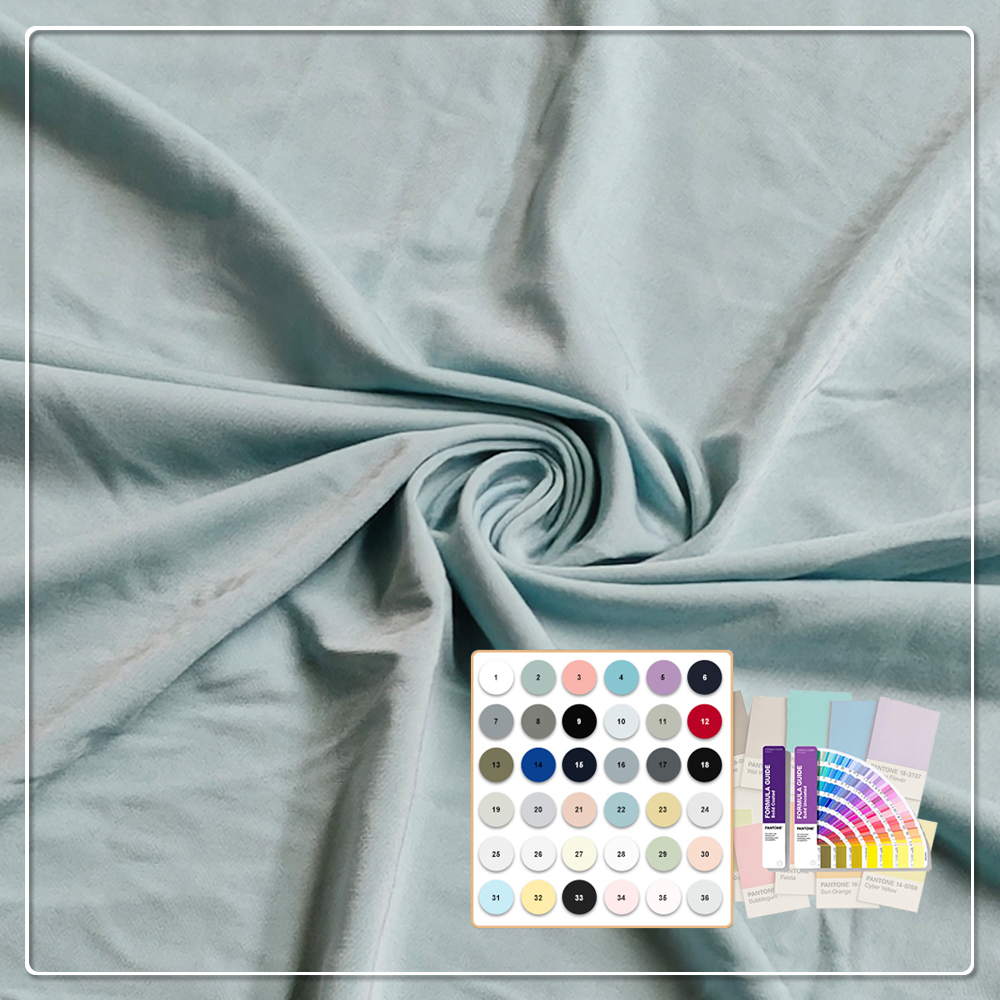
Material Composition: Specify whether you prefer organic cotton, recycled polyester, or a blend, as this affects both feel and sustainability. Weight (GSM): Clearly state the desired weight to match your application. For example, 180-220 GSM is often suitable for activewear, while heavier weights may be needed for outerwear. Width: Confirm the fabric width, as this can impact how much material you need for your projects. Color and Pattern: Provide Pantone colors or digital samples for precise matching, especially if your products require branding or specific aesthetic elements. Finishing Options: Discuss any desired finishes, such as moisture-wicking or anti-pilling treatments, which can enhance the fabric's performance. Customizations: If you require unique characteristics, such as stretchability or breathability, clearly outline these in your specifications.

By detailing these specifications in your order, you enhance the likelihood of receiving a product that meets your needs.

Common Problems with Double Knit Jersey Fabric and Their Solutions

While double knit jersey fabric is generally reliable, several common problems can arise during production or after delivery:

Inconsistent Dye Lot: Variations in dye lots can lead to color mismatches in bulk orders. To mitigate this, always request a color swatch before mass production and ensure that all fabric is sourced from the same dye lot.

Shrinkage: If the fabric shrinks excessively after washing, it can affect garment fit. Choose fabrics with a shrinkage rate below 5% and conduct washing tests on samples before approving bulk orders.

Pilling: Poor-quality fabric may pill, leading to an unappealing appearance. Opt for higher GSM fabrics and inquire about anti-pilling treatments to address this issue.

Stretch Recovery: Fabrics that do not recover their shape after stretching can result in sagging garments. Ensure to evaluate the fabric’s elasticity and recovery performance during sample testing.

By being aware of these issues and proactively addressing them, you can help ensure a smoother production process and higher satisfaction with the final products.

Installation Guidance for Double Knit Jersey Fabric in Various Projects

When working with double knit jersey fabric, proper installation techniques are essential for achieving the best results. Here are some key considerations for different applications:

Sewing: Use a ballpoint needle when sewing double knit jersey, as this helps prevent snags and damage to the fabric fibers. A walking foot or differential feed can also assist in managing the fabric's stretch.

Finishing Edges: To prevent fraying, consider using a serger or overlock stitch on the edges. For hems, a double-needle stitch can provide a professional finish while allowing for some stretch.

Heat Application: If using heat transfer vinyl or similar applications, ensure that the fabric can withstand the required temperatures. Testing on fabric scraps beforehand is advisable to avoid damage.

Care Instructions: Provide clear care instructions for the end-users to maintain the fabric’s quality. This includes recommended washing temperatures, drying methods, and ironing settings.

By following these guidelines, you can ensure a successful installation process, leading to high-quality finished products that meet your specifications.

In summary, sourcing double knit jersey fabric requires careful consideration of material quality, specifications, and installation techniques. By understanding these factors, buyers can make informed decisions that enhance the success of their projects while aligning with industry standards and consumer expectations. Additionally, exploring various fabric options such as Tencel Modal can further broaden your choices and meet diverse consumer preferences.

What to Consider When Sourcing Double Knit Jersey Fabric Wholesale

When sourcing double knit jersey fabric, it's essential to evaluate several critical factors to ensure that the material aligns with your project's needs. First, consider the fabric's composition. Eco-friendly options, such as those made from organic cotton fabric or recycled polyester fabric, are increasingly popular due to their sustainability benefits. Shaoxing City Ohyeah Textile Co., Ltd. specializes in eco-friendly knitted fabrics, which can help your brand attract environmentally conscious consumers.

Next, verify the manufacturer's certifications, such as OEKO-TEX, GOTS, OCS, and GRS. These certifications ensure that the fabric meets strict environmental and social criteria, providing peace of mind about its sustainability. Additionally, inquire about the minimum order quantity (MOQ) to ensure it aligns with your project scale. Lastly, assess the manufacturer's production capacity and lead times, as these factors can significantly impact your project timeline.

Our Blog Posts

The Durability Performance of Tencel Modal in Knit Fabric Production

29

May

The Durability Performance of Tencel Modal in Knit Fabric Production

Durability is fundamental in quality knitwear. A fabric that is beautiful but falls apart after a few washes cannot satisfy today's consumers. Fiber selections with confirmed durability performance are important for knit fabric manufac...
View More
What Makes Tencel Modal Suitable for Comfortable Knitwear Production

29

May

What Makes Tencel Modal Suitable for Comfortable Knitwear Production

Comfortable knitwear does not happen by accident. The right fiber, the right manufacturing processes, and an awareness of how fabrics feel against the skin must all come together. For knitwear manufacturers who are serious about c...
View More
How Tencel Modal Elevates the Comfort Standards of Modern Knitwear

13

Oct

How Tencel Modal Elevates the Comfort Standards of Modern Knitwear

The pursuit of comfort in the evolving reality of the fabric has been revolutionized into something not just about soft touch experience to a comprehensive performance, sustainability, and longevity criterion. The change has been witnessed in Shaoxin...
View More
What Makes Modal Tencel Material Suitable for Modern Textile Production

13

Oct

What Makes Modal Tencel Material Suitable for Modern Textile Production

In the current competitive modern textile manufacturing world, we want something more than beauty in the end product of our textile. The fabric should be uniform, easy to cut, easy to sew, predictable in use and be environmentally friendly as custome...
View More

Get a Free Quote

Our representative will contact you soon.
Email
Name
Mobile/WhatsApp
Company Name
Message
0/1000

Related product categories

Get a Free Quote

Our representative will contact you soon.
Email
Name
Mobile/WhatsApp
Company Name
Message
0/1000